

Why Is My Throat Itching So Bad And Creating Fluid
An itchy throat can turn your whole day upside down. That nagging, scratchy feeling can make it hard to talk, eat, or even sleep. For many people, the problem gets worse when their throat starts producing extra fluid or mucus. You might find yourself constantly clearing your throat, swallowing, or even coughing to get relief. This combination of itchiness and fluid buildup is more common than you think, but it can have many different causes.
Understanding why your throat feels this way is important. Sometimes, it’s just a minor irritation. Other times, it could be a sign of allergies, infections, or something more serious. In this article, you’ll find practical explanations for why your throat feels itchy and why it creates extra fluid.
You’ll also learn when you should see a doctor, how to get relief at home, and what mistakes to avoid. Let’s break down everything you need to know, step by step.
Common Causes Of Throat Itching And Fluid Production
Your throat is sensitive to many things in your environment and your body. When it gets irritated, it often responds by producing more mucus, which you feel as fluid. Here are the most frequent reasons for this problem:
1. Allergies
Allergies are a top cause of itchy throat and increased mucus. When your immune system reacts to pollen, dust mites, pet dander, or mold, it releases chemicals like histamine. This leads to swelling, itching, and mucus in your nose and throat.
People with seasonal allergies (also called hay fever) often notice their symptoms get worse at certain times of the year, especially spring and fall. Indoor allergies can bother you all year round.
Not-so-obvious insight: Sometimes food allergies cause throat itching and fluid, even if you don’t have a full allergic reaction. For example, people allergic to raw apples or nuts may only get a scratchy throat and some mucus.
2. Viral Infections
Colds and the flu often start with an itchy throat before moving to a sore throat. Viruses make your throat tissues inflamed, and your body tries to flush them out by producing extra mucus.
A common cold may create a lot of clear fluid, while the flu or COVID-19 can cause thicker mucus, more pain, and other symptoms like fever or aches.
Key detail: You might not always have a runny nose, but your throat can still make more fluid as it tries to fight the virus.
3. Postnasal Drip
This happens when mucus from your nose drips down the back of your throat. It’s not a disease by itself but a symptom of something else, like allergies, sinus infections, or dry air.
Postnasal drip can make your throat feel scratchy and force you to clear your throat often. Sometimes, you may feel like you are swallowing a lot of saliva or mucus.
Beginner’s mistake: Many people think postnasal drip is only from a runny nose. In reality, even blocked noses can cause mucus to flow backward into the throat.
4. Throat Irritants
Smoke, pollution, strong perfumes, cleaning chemicals, and even spicy foods can irritate the lining of your throat. This leads to itching and a reflex to produce more fluid.
Example: People who smoke often have a persistent itchy throat and chronic throat clearing due to irritation and increased mucus.
5. Acid Reflux (gerd)
Gastroesophageal reflux disease (GERD) happens when acid from your stomach flows back into your throat. This acid can burn and irritate the throat, leading to itching and more mucus as a protective response.
Some people with acid reflux do not get classic heartburn but mainly have throat symptoms.
6. Bacterial Infections
Strep throat and other bacterial infections make the throat red, swollen, and painful. They can also cause itching and a feeling of excess mucus, especially at the beginning.
Key fact: Bacterial infections often bring other symptoms, such as fever, swollen glands, or white patches in the throat.
7. Dry Air
In winter, heaters dry out the air inside homes. Dry air can make your throat dry and itchy, and your body responds by producing more mucus. Sleeping with your mouth open makes this worse.
Practical tip: A humidifier in your bedroom can help relieve this type of throat itchiness.
8. Certain Medications
Some medicines, like ACE inhibitors for blood pressure, can cause a chronic cough, throat itchiness, and fluid production as a side effect. Always read your medication leaflet and talk to your doctor if you notice new throat symptoms.
9. Throat Overuse
Talking loudly for long periods, singing, or shouting can irritate your throat and make it itchy. Your body may produce more saliva or mucus to soothe the area.
10. Rare Causes
Sometimes, an itchy, fluid-producing throat can signal other problems, such as thyroid disorders, nerve issues, or even certain cancers. These are much less common but should not be ignored if symptoms last.
How Your Body Makes Throat Fluid
Your body is always making mucus. It lines your nose, throat, and airways to trap dust, germs, and irritants. When your throat gets irritated or infected, your glands produce even more.
| Condition | Type of Fluid | Common Color |
|---|---|---|
| Allergies | Thin, watery mucus | Clear |
| Viral infections | Thicker mucus | Clear to white |
| Bacterial infections | Sticky, sometimes pus-like mucus | Yellow or green |
| Dry air/irritants | Minimal, sticky mucus | Clear |
Non-obvious insight: The amount and color of throat fluid can help your doctor figure out the cause. Clear mucus is usually less serious, while green or yellow can point to infection.
Symptoms That Often Come With Itchy Throat And Fluid
An itchy throat with fluid rarely comes alone. Here are symptoms that commonly appear together:
- Coughing: Your body tries to clear the fluid.
- Frequent throat clearing: You feel something stuck.
- Runny or stuffy nose: Especially with allergies or colds.
- Sneezing: Common with allergies.
- Hoarseness: Voice sounds rough or weak.
- Tickling sensation: A light, irritating feeling in the throat.
- Swallowing problems: Rare but can signal something more serious.
Example: If you have allergies, you might wake up every morning with a scratchy throat, postnasal drip, and sneezing.
When To Worry: Warning Signs
While most causes are not dangerous, some symptoms mean you should see a doctor soon:
- High fever (over 38.5°C or 101°F)
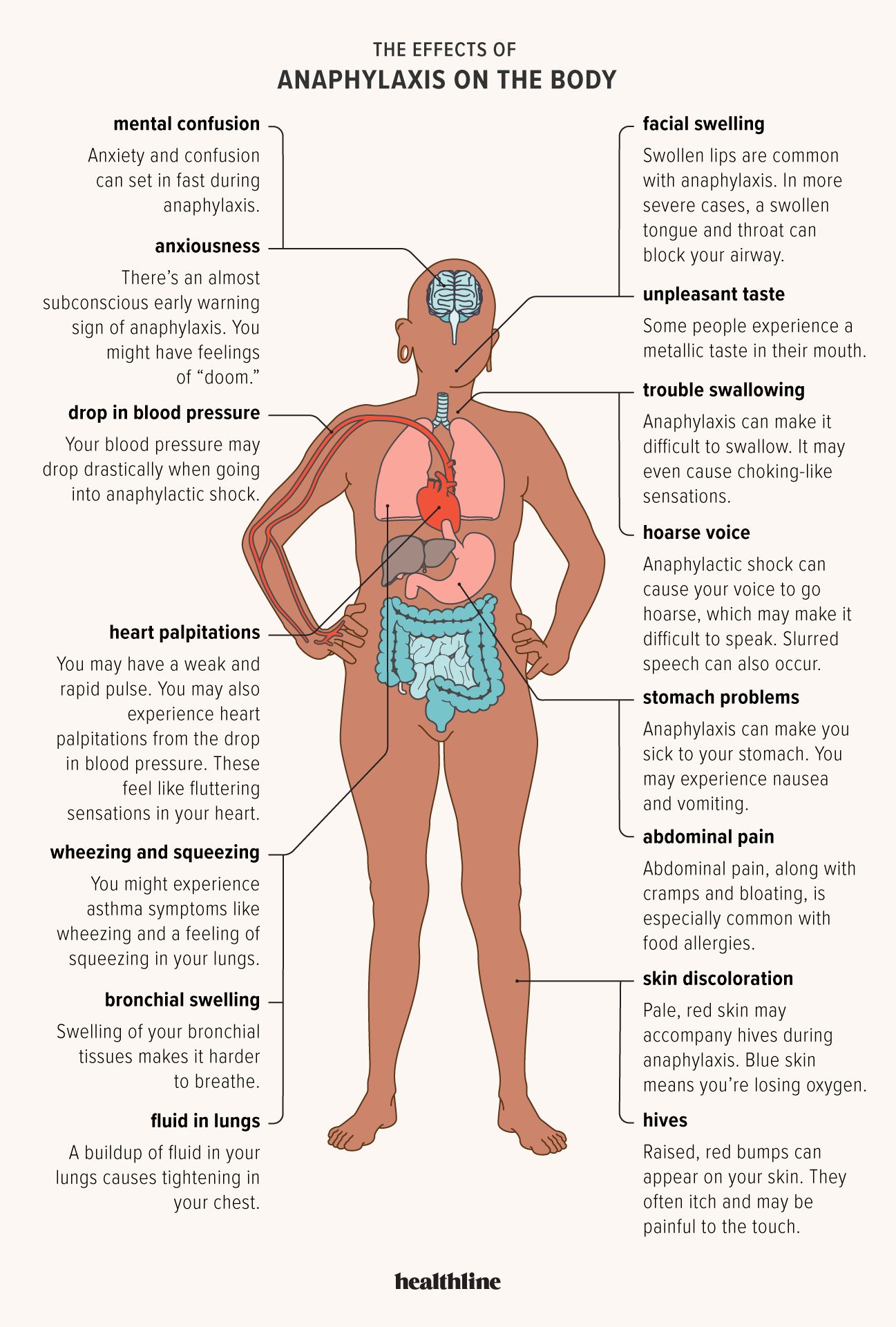
- Difficulty breathing or swallowing
- Swelling in your neck or throat
- Blood in your saliva or mucus
- Symptoms lasting more than 2-3 weeks
- Weight loss without trying
If you notice any of these, don’t wait. Get medical attention right away.
How Doctors Diagnose Throat Itching And Fluid
Doctors usually start by asking about your symptoms and medical history. They may:
- Look in your throat with a light
- Check your nose and ears
- Listen to your lungs
- Feel for swollen glands in your neck
Depending on your situation, they might order tests like:
- Throat swab: Checks for bacteria or viruses
- Allergy tests: Skin or blood tests for allergens
- Blood tests: Check for infection or other issues
- Imaging: X-rays or scans if something serious is suspected
Simple Home Remedies For Relief
You don’t always need medicine to feel better. Here are things you can do at home:
- Drink more fluids: Water and warm drinks thin mucus and soothe the throat.
- Gargle with salt water: Mix half a teaspoon of salt in a glass of warm water and gargle. It reduces irritation and kills germs.
- Use a humidifier: Adds moisture to dry air, especially at night.
- Suck on throat lozenges or hard candy: Stimulates saliva and soothes itch.
- Avoid irritants: Stay away from smoke, dust, and strong smells.
- Raise your head while sleeping: Helps prevent mucus from pooling in your throat.
- Take a hot shower: Steam can loosen mucus and relieve itchiness.
Practical tip: If you have allergies, shower and change clothes when you come home to remove pollen.
Medical Treatments For Itchy Throat And Fluid
If home remedies are not enough, your doctor may suggest:
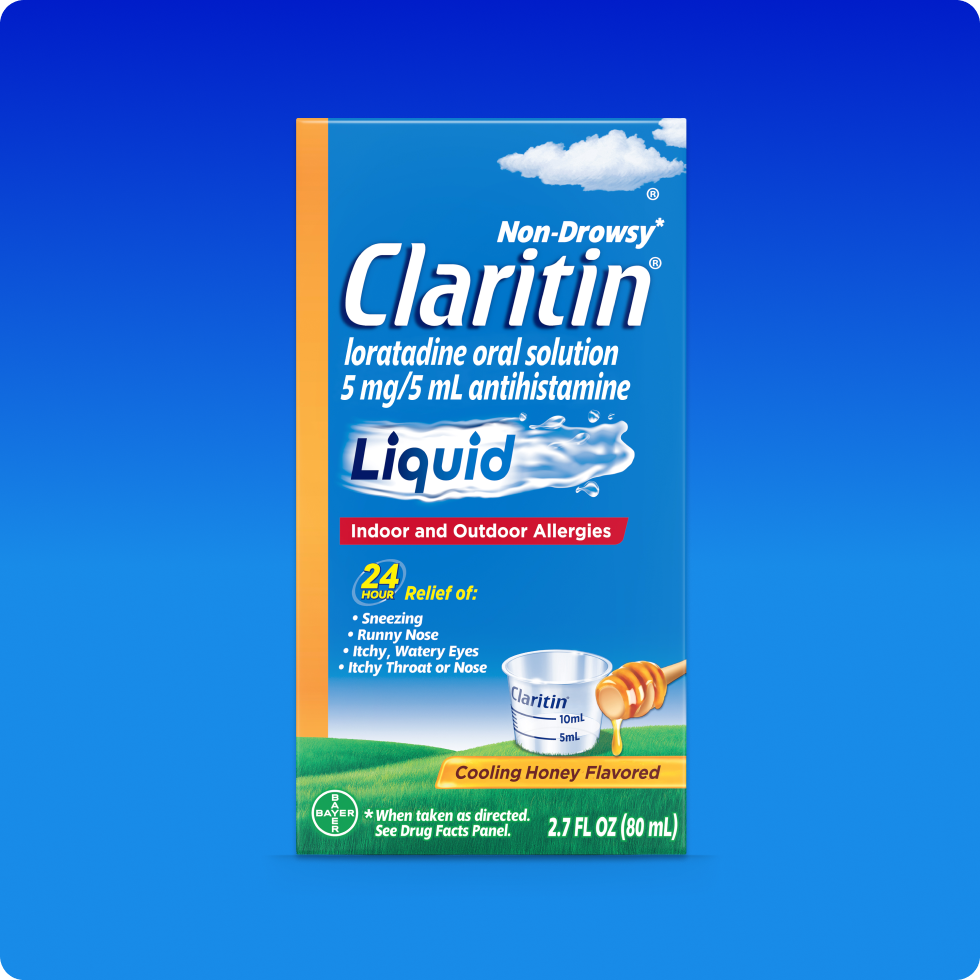
- Antihistamines: Reduce allergy symptoms and itchiness.
- Nasal sprays: Steroid or saline sprays can cut down mucus.
- Decongestants: Help dry up runny noses and postnasal drip.
- Antibiotics: Only for bacterial infections like strep throat.
- Acid blockers: For acid reflux (GERD).
- Allergy shots: For severe or ongoing allergies.
Caution: Never take antibiotics for viral infections like colds—they don’t help and can cause problems.
How To Prevent Throat Itching And Fluid
Prevention works better than cure. Here’s how to reduce your chances of getting an itchy, fluid-filled throat:
- Control allergies: Identify triggers and avoid them. Use allergy medicine as directed.
- Stay hydrated: Drink water regularly, especially in dry weather.
- Keep your home clean: Dust and vacuum to remove allergens.
- Don’t smoke: Smoking irritates the throat and increases mucus.
- Wash hands often: Prevents catching colds and infections.
- Treat acid reflux: Avoid spicy foods, eat smaller meals, and don’t lie down after eating.
- Use a humidifier: Especially in winter or dry climates.
Beginner’s mistake: Many people forget to clean their humidifier. Dirty humidifiers can spread mold and make symptoms worse.
Credit: www.claritin.com
How To Tell The Difference: Allergies Vs. Infection
A common question is, “Is my itchy throat from allergies or an infection?” Here’s a quick comparison:
| Feature | Allergies | Viral/Bacterial Infection |
|---|---|---|
| Onset | Gradual, often seasonal | Sudden, after contact with sick people |
| Fever | Rare | Common (especially bacterial/flu) |
| Mucus Color | Clear, watery | White, yellow, or green |
| Sneezing & Itching | Very common | Less common |
| Other symptoms | Watery eyes, runny nose | Sore muscles, fatigue |
Insight: If you get the same symptoms every year at the same time, allergies are more likely.
Common Mistakes People Make
- Ignoring symptoms for too long: Waiting weeks to seek help can make things worse.
- Overusing throat sprays or lozenges: Some can dry out your throat or cause side effects if used too much.
- Not reading medication labels: Some cough syrups contain ingredients that can make you sleepy or raise your blood pressure.
- Thinking all itchy throats need antibiotics: Most are viral or allergic, and antibiotics won’t help.
- Drinking only cold drinks: For some, cold fluids can worsen throat irritation.
When To See A Specialist
If your symptoms last more than three weeks, or if you keep getting itchy throat and fluid without clear cause, you might need to see an ENT (ear, nose, and throat) doctor or an allergist. They can do special tests like:
- Allergy panels
- Nasal endoscopy (looking inside with a camera)
- PH testing for acid reflux
Real-life Example
Consider Sarah, a 32-year-old teacher. Every spring, she gets an itchy throat with watery mucus, especially after being outside. Over-the-counter allergy pills help, but she still clears her throat a lot. When she finally saw an allergist, she learned she was allergic to birch pollen, and allergy shots made a big difference.
Lesson: Don’t ignore ongoing symptoms. Getting the right diagnosis can change your life.
Myths About Throat Itching And Fluid
- Myth: All itchy throats mean you’re getting sick.
- Reality: Allergies, dry air, and irritants are often the cause.
- Myth: Green mucus always means infection.
- Reality: Mucus color can change with allergies, too.
- Myth: You should avoid all milk products.
- Reality: There’s little evidence that milk increases mucus for most people.
How Lifestyle Choices Affect Your Throat
What you do daily can help or hurt your throat:
- Diet: Spicy, fried, or acidic foods can irritate your throat or trigger reflux.
- Exercise: Good for your immune system, but intense outdoor workouts can expose you to pollen and pollution.
- Stress: Chronic stress weakens your immune system, making you more likely to get infections.
Tip: Track your symptoms with a diary. Note what you eat, your activities, and when symptoms get worse.

Credit: www.wyndly.com
Children And Throat Itching With Fluid
Kids often get throat symptoms from infections and allergies. In children, watch for:
- Fever
- Loss of appetite
- Trouble breathing
- Drooling (in young kids)
If your child has trouble swallowing, is breathing fast, or seems very sick, see a doctor right away.
How To Talk To Your Doctor
Bring a list of your symptoms, including:
- When they started
- What makes them better or worse
- Any medicine you take
- If you have allergies or recent illnesses
Ask questions like:
- Is this likely allergies, infection, or something else?
- What tests do I need?
- Should I see a specialist?
- What can I do at home to help?
Latest Research And New Treatments
Researchers are always looking for better ways to treat throat symptoms. New nasal sprays, allergy treatments, and acid blockers are now available. For example, biologic drugs for allergies can block the chemicals that cause itching and mucus, but they are only for severe cases.
For up-to-date medical information, visit the Centers for Disease Control and Prevention (CDC).
Frequently Asked Questions
Why Does My Throat Itch More At Night?
Your throat may itch more at night because you’re exposed to dust mites and dry air in your bedroom. Lying down can also cause postnasal drip to flow into your throat, making it worse.
Can Food Allergies Cause Throat Itching And Fluid?
Yes, some people react to certain foods with mild throat itching and extra saliva or mucus. This is especially true with raw fruits, nuts, or shellfish.
Is Throat Fluid A Sign Of Infection?
Not always. While infections can cause mucus, allergies, irritants, and acid reflux often cause clear throat fluid without infection.
How Can I Tell If I Need Antibiotics?
If you have a high fever, swollen glands, and pus or white patches in your throat, you may have a bacterial infection. Only a doctor can decide if antibiotics are needed.
What If Nothing Helps My Symptoms?
If your itchy throat and fluid last more than three weeks, see a specialist. You may need allergy tests, a throat scope, or other exams to find the real cause.
No one likes dealing with an itchy throat and extra fluid. The good news is that most causes are not serious and can be managed with simple steps. Listen to your body, get help when needed, and try the tips above for relief.
With the right approach, you can get back to feeling comfortable and healthy again.
Credit: www.healthline.com