
Why Does Your Nose Itch? Understanding the Causes, Myths, and Remedies
Have you ever felt a sudden itch on your nose and wondered what it means? Maybe you heard an old saying that an itchy nose means someone is thinking about you, or perhaps you worry it’s a sign of allergies. The truth is, nose itching is a common sensation that almost everyone experiences. But what causes it? Is it just a physical reaction, or does it have deeper meanings? This article explores the science, myths, health reasons, and practical solutions behind nose itching. You’ll discover facts you probably never knew, and get clear advice on how to handle an itchy nose—whether it’s a minor annoyance or a sign of something more serious.
The Science Behind Nose Itching
Our noses are sensitive organs, packed with nerves and blood vessels. When something irritates the skin or the lining inside, the nerves send signals to the brain, which we feel as an itch. The main reason for nose itching is irritation—but what causes that irritation?
Common Physical Causes
- Dry skin: The skin on and around your nose can become dry, especially in winter or dry climates.
- Allergens: Dust, pollen, pet hair, or mold can trigger your nose to itch.
- Infections: Viruses and bacteria sometimes cause inflammation, leading to itching.
- Physical stimulation: Rubbing, scratching, or even blowing your nose can activate nerve endings.
For example, people who spend a lot of time outdoors may notice their nose itching more during pollen season. Dry indoor air can also make the skin on your nose flaky and itchy.
The Role Of Nerves
The nose has a high concentration of sensory nerves. These nerves respond to touch, temperature, and chemicals. When you inhale something irritating, the nerves alert your brain. This is why you might feel an itch if you breathe in strong perfumes, smoke, or cleaning products.
Medical Causes: When Should You Worry?
Most nose itching is harmless, but sometimes it can be a sign of a medical condition. Understanding when to seek help is important.
Allergies
Allergic rhinitis is a common cause of nose itching. It happens when your immune system reacts to harmless substances like pollen or animal dander. Symptoms include:
- Itchy nose
- Sneezing
- Runny nose
- Watery eyes
According to the World Allergy Organization, about 10-30% of the world’s population suffers from allergic rhinitis. If you notice your nose itching every spring or when you’re around pets, allergies might be the reason.
Skin Conditions
Some skin problems can affect the nose:
- Eczema: Dry, red, itchy patches can appear on the nose.
- Psoriasis: Scaly, itchy skin that sometimes affects the nose.
- Seborrheic dermatitis: Causes flaky, itchy skin, often around the nostrils.
For example, eczema is more common in children but can affect adults too. If you have itchy skin elsewhere, your nose itching may be part of a bigger issue.
Infections
Certain infections can make your nose itch:
- Common cold: Viruses irritate the nasal lining, causing itching and sneezing.
- Sinusitis: Inflammation of the sinuses can result in itchiness.
- Fungal infections: Rare, but possible in people with weak immune systems.
Symptoms like fever, pain, or thick mucus mean you should see a doctor.
Nasal Polyps And Growths
Sometimes, abnormal growths inside the nose can cause itching. Nasal polyps are soft, painless lumps that may make your nose feel irritated. These are more common in people with allergies or asthma.
Medication Side Effects
Some medicines, like antihistamines, nasal sprays, or even blood pressure drugs, can dry out your nose or cause itching. If your nose started itching after starting a new medicine, ask your doctor.
Non-medical Causes And Everyday Triggers
Not all nose itching comes from health problems. Many daily activities and environmental factors can trigger itchiness.
Weather And Environment
- Cold air: Dries out nasal skin.
- Wind: Can irritate the nose directly.
- Pollution: Smoke, fumes, and chemicals in the air can cause itching.
People living in big cities may notice their nose itching more during high pollution days.
Hygiene Habits
- Excessive cleaning: Washing your face too much can strip oils, making the skin dry and itchy.
- Cosmetic products: Some soaps or creams may irritate the nose.
- Nose picking: This common habit can injure the skin, leading to itching.
Emotional And Psychological Factors
Stress and anxiety sometimes cause people to touch or rub their noses more. This can make the area feel itchy, even if there’s no physical reason.
Myths, Superstitions, And Cultural Beliefs
Nose itching has inspired many stories and superstitions. In different cultures, people believe it means something is about to happen.
Popular Superstitions
- Someone is thinking about you: In many places, an itchy nose means someone is talking about you or thinking about you.
- Money is coming: Some say an itchy nose predicts a financial gain.
- Visitors are near: Others believe you’ll soon have unexpected guests.
These beliefs are not supported by science, but they show how common nose itching is. People have tried to explain it for centuries!
Psychological Impact
Sometimes, hearing these stories makes people pay more attention to their nose. If you believe an itchy nose means luck or trouble, you may notice it itching more often.

Credit: www.wikihow.com
Comparing Medical And Non-medical Causes
To help you understand the differences, here’s a comparison of medical and non-medical causes:
| Type | Common Examples | Symptoms | Action Needed |
|---|---|---|---|
| Medical | Allergies, eczema, infections | Itchy nose, sneezing, rash, fever | See a doctor if symptoms persist |
| Non-Medical | Dry air, pollution, cosmetics | Itchy nose, dryness | Adjust environment or habits |
How To Stop Your Nose From Itching
If your nose itches, there are practical steps you can take. The solution depends on the cause.
Home Remedies
- Moisturize: Use a gentle, fragrance-free moisturizer on the skin around your nose.
- Humidify: Adding a humidifier to your room can help keep air moist.
- Avoid triggers: Stay away from smoke, dust, and strong perfumes.
- Clean gently: Use mild soap and warm water; avoid scrubbing.
For example, people in dry climates often find relief by using a humidifier at night.
Medical Treatments
If your nose itching comes from allergies or a skin condition, you might need medicine:
- Antihistamines: Help reduce allergy symptoms.
- Steroid creams: Treat skin inflammation.
- Nasal sprays: Relieve nasal irritation.
Always follow your doctor’s advice. Overusing nasal sprays can make itching worse.
Lifestyle Changes
- Drink water: Staying hydrated keeps skin healthy.
- Change products: Switch to gentle soaps or creams.
- Protect from weather: Cover your nose when outside in cold or windy weather.
When To See A Doctor
Seek medical help if you have:
- Severe or long-lasting itching
- Bleeding or sores
- Other symptoms like fever or swelling
Doctors can check for allergies, infections, or skin problems and give the right treatment.
Nose Itching In Children
Children often complain about an itchy nose. Parents may worry it’s a sign of sickness, but sometimes it’s just normal.
Common Causes In Kids
- Allergies: Children can develop allergies early in life.
- Colds: Kids get colds more often, which can cause itching.
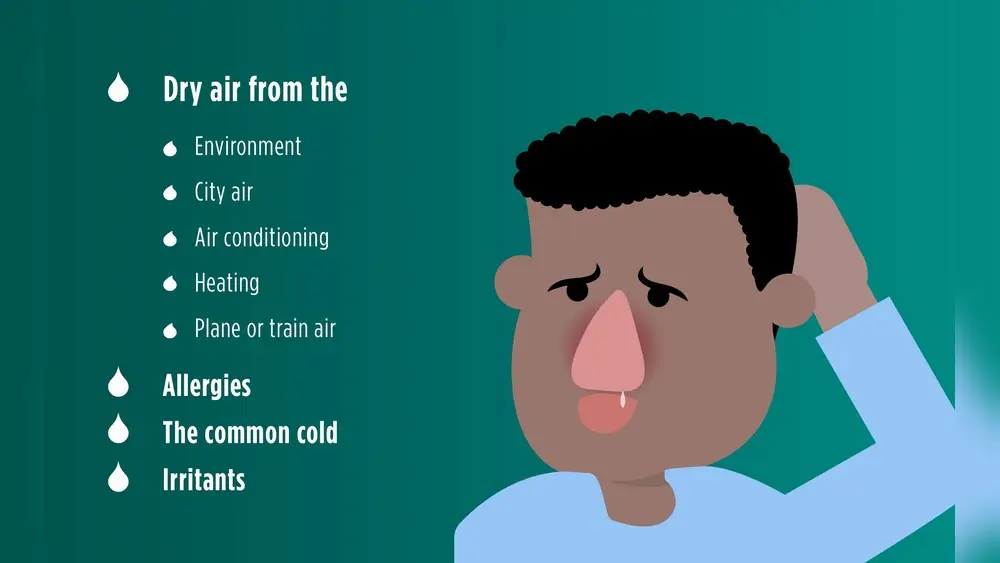
- Dry air: Schools and homes with heating or air conditioning can dry out the nose.
What Parents Should Do
- Watch for other symptoms: If your child has a runny nose, sneezing, or fever, check with a doctor.
- Teach gentle cleaning: Help kids wash their face gently.
- Avoid harsh products: Choose child-safe soaps and lotions.
Rare Causes
Sometimes, itchy nose in children can signal rare problems like skin disorders or even worms (especially in tropical areas). If itching is severe or comes with other symptoms, see a doctor.
Is Itchy Nose Linked To Other Parts Of The Face?
An itch on your nose can sometimes spread to nearby areas. This is because nerves in your face are closely linked.
Example: Itchy Nose And Eyes
People with allergies often have itchy eyes and nose together. This is called allergic conjunctivitis. Treating both areas can help.
Example: Itchy Nose And Lips
Some skin conditions, like eczema or dermatitis, can affect the nose and lips at the same time. Moisturizing both areas may solve the problem.
Seasonal Nose Itching
Have you noticed your nose itching more in certain months? This is often due to changing weather and allergy seasons.
Spring And Summer
Pollen from trees, grass, and flowers is high during these months. People with allergies notice more itching.
Winter
Cold, dry air can dry out your nose, causing itchiness.
Tips To Manage Seasonal Itching
- Keep windows closed during high pollen days.
- Use air purifiers.
- Moisturize regularly.
Comparing Allergy And Non-allergy Itch
Here’s a table comparing allergy-related and non-allergy nose itching:
| Feature | Allergy Itch | Non-Allergy Itch |
|---|---|---|
| Duration | May last weeks or months | Usually short-term |
| Other Symptoms | Sneezing, watery eyes, runny nose | Dryness, redness |
| Triggers | Pollen, dust, pets | Weather, cosmetics |
| Treatment | Antihistamines, nasal sprays | Moisturizers, lifestyle changes |
Practical Tips For Preventing Nose Itching
Stopping nose itching before it starts is possible. Here are some actionable tips:
- Use a humidifier: Keeps indoor air moist.
- Limit exposure: Avoid dusty or smoky places.
- Pick products carefully: Choose gentle skincare items.
- Stay hydrated: Drink enough water each day.
- Wear protective gear: Use masks if working in dirty environments.
- Don’t over-clean: Washing your face too much removes natural oils.
- Avoid rubbing: Touching your nose often can make itching worse.
Many people miss the importance of air humidity. Dry air is a hidden cause of nose itching, especially in winter. Also, switching to fragrance-free products can make a big difference, but most beginners overlook this step.
Is Nose Itching Linked To Emotions Or Stress?
Recent studies show that stress can make people feel itchy, including on their nose. When you’re anxious, your body may release chemicals that make your skin sensitive.
Example: Nervous Habits
Some people rub their nose when nervous. This can cause itching, even if there’s no physical cause. If you notice your nose itches during stressful times, try relaxation techniques.
Psychological Insight
Many beginners don’t realize that mental health can affect skin sensations. Practicing stress management, like deep breathing or mindfulness, may reduce nose itching.
Credit: www.thelist.com
Nose Itching And Aging
As people get older, their skin changes. The nose is no exception.
Older Adults
- Skin becomes thinner and drier.
- Blood flow decreases, making skin less healthy.
- Sensitivity to chemicals and cosmetics increases.
Older adults may notice more nose itching, especially in winter. Using richer moisturizers and avoiding harsh products can help.
Data: How Common Is Nose Itching?
Nose itching is a widespread issue. According to dermatology studies:
- Around 60% of people report nose itching at least once a month.
- 20% say it happens weekly.
- Allergies cause nose itching in about 1 in 4 people worldwide.
These numbers show that nose itching is not rare—it’s a problem almost everyone faces.
When Does Nose Itching Mean Something Serious?
Most nose itching is harmless, but there are times when it signals a bigger problem.
Warning Signs
- Persistent itching lasting more than a week
- Severe redness or swelling
- Bleeding or sores
- Difficulty breathing
If you have these signs, see a doctor right away.
Rare But Serious Causes
- Tumors or growths inside the nose
- Autoimmune diseases (like lupus)
- Severe infections
Doctors use tests like allergy checks, skin exams, and sometimes scans to find the cause.
Comparing Treatments For Nose Itching
Here’s a table showing different treatments and their effectiveness:
| Treatment | Best For | Effectiveness | Side Effects |
|---|---|---|---|
| Moisturizers | Dry skin, mild itching | High | Low |
| Antihistamines | Allergy-related itching | High | Drowsiness |
| Nasal sprays | Allergies, inflammation | Moderate | Dryness with overuse |
| Steroid creams | Skin conditions | Moderate-High | Skin thinning with long use |
Two Insights Beginners Often Miss
- Environmental humidity matters: Most people think nose itching only comes from allergies or dry skin. In reality, the humidity of your environment plays a huge role. Dry air, especially from heaters or air conditioners, can cause nose itching even if your skin products are fine.
- Psychological triggers: Many beginners overlook the mental side. Stress, anxiety, or nervous habits can make the nose itch, even if there is no allergy or infection. Managing stress is as important as skincare.
Frequently Asked Questions
What Are The Most Common Causes Of Nose Itching?
The most frequent causes are dry skin, allergies, and irritants like dust or pollution. Physical actions like rubbing your nose or using harsh soaps also play a role.
Can Nose Itching Be A Sign Of Allergies?
Yes, itchy nose is a major symptom of allergic rhinitis. If your nose itches along with sneezing and watery eyes, you probably have allergies. Try to note when your symptoms happen and see a doctor if they persist.
Should I Worry If My Nose Itches Every Day?
If your nose itches daily, check for environmental triggers or skin products that may be causing it. If you also have symptoms like redness, swelling, or sores, or if the itching lasts more than a week, consult a healthcare professional.
Are There Any Home Remedies For Nose Itching?
Yes, you can use moisturizers, humidifiers, and avoid irritants like smoke or strong perfumes. Drink plenty of water and use gentle skincare products. If home remedies do not work, seek medical advice.
What Myths Exist About Itchy Nose?
Common myths include the belief that an itchy nose means someone is talking about you, money is coming, or visitors will arrive. These are cultural stories and not based on medical facts. For more information on allergy symptoms, visit Wikipedia.
Whether your nose itches from dry air, allergies, or just a random tickle, it’s usually nothing to worry about. But understanding the cause, making the right changes, and knowing when to seek help can make life more comfortable. Take care of your skin, pay attention to your environment, and don’t let myths confuse you.
If your nose itching is severe or lasts too long, ask a doctor. Otherwise, enjoy the relief that comes from simple, practical solutions.

Credit: www.wikihow.com