
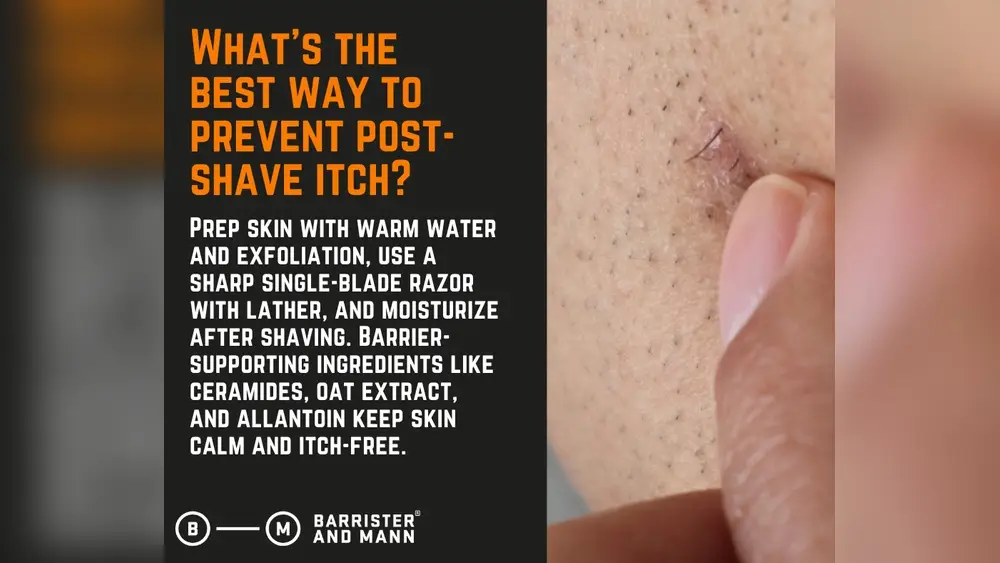
Shaving is a part of life for millions, but the itch that follows can turn a simple routine into an uncomfortable experience. Whether you’re removing facial hair, legs, or underarms, the post-shave itch is common—and frustrating. If you’ve ever wondered how to stop itching after shaving, you’re not alone. The good news: you can prevent, treat, and calm the itch with the right methods. This article dives deep into why itching happens, how to avoid it, and what to do if you’re already scratching. Each tip is practical and easy to follow, making your next shave smoother and itch-free.
Why Does Itching Happen After Shaving?
Understanding the cause of itching is the first step to fixing it. When you shave, you remove hair and often scrape off a thin layer of skin. This leaves your skin exposed and vulnerable. Here are the main reasons for post-shave itching:
- Skin irritation: Razors can irritate the skin, especially if you press too hard or use a dull blade.
- Dryness: Shaving removes natural oils, leaving your skin dry and itchy.
- Ingrown hairs: When shaved hair grows back into the skin instead of outward, it can cause itch and bumps.
- Chemical reactions: Shaving creams and aftershaves may contain ingredients that irritate sensitive skin.
- Micro-cuts: Tiny cuts from shaving can trigger itching as they heal.
Non-obvious insight: Many people think itching is only from dryness, but friction and microscopic skin damage are often bigger causes. Also, water temperature during shaving can affect how your skin reacts afterwards.
Preparing Your Skin: The Steps Before Shaving
Proper preparation is often overlooked but can make a big difference. Here’s how to get your skin ready:
Cleanse First
Wash the area with warm water and a gentle cleanser. This removes dirt, sweat, and bacteria that can irritate your skin after shaving.
Exfoliate Gently
Use a soft scrub or exfoliating glove once or twice a week. This removes dead skin cells and reduces the chance of ingrown hairs. Avoid harsh exfoliation right before shaving, as it can make your skin more sensitive.
Hydrate Your Skin
Wet your skin for at least 2-3 minutes with warm water before shaving. This softens the hair and opens pores, making shaving easier and less irritating.
Why Preparation Matters
Skipping these steps can double your risk of post-shave irritation. According to dermatologists, a well-prepared skin is less likely to itch because the shaving process is smoother and the skin barrier stays stronger.
Choosing The Right Razor And Shaving Products
The tools you use play a big role in preventing itching. Many people use cheap razors or harsh products, leading to skin problems.
Razor Choices
- Use a sharp blade: Dull blades tug at hair and skin, causing irritation.
- Choose a single or double blade for sensitive skin. Multi-blade razors can cut hair below the skin surface, increasing ingrown hairs.
- Clean your razor after every use to avoid bacteria buildup.
Shaving Products
Pick shaving creams or gels made for your skin type. Avoid products with alcohol, strong fragrances, or harsh chemicals. Look for:
- Aloe vera
- Glycerin
- Coconut oil
- Shea butter
These ingredients soothe and hydrate skin. If you have sensitive skin, choose “fragrance-free” or “hypoallergenic” labels.
Comparing Razor Types
Here’s a look at how different razors affect post-shave itching:
| Razor Type | Risk of Itch | Best For |
|---|---|---|
| Disposable Razors | High | Quick shaves, but not ideal for sensitive skin |
| Electric Razors | Medium | Dry shaving, less irritation |
| Safety Razors | Low | Close shaves, good for sensitive skin |
| Multi-Blade Razors | Medium to High | Fast shaves, but more ingrown hairs |
Non-obvious insight: The “closer” the shave, the higher the chance for itching and ingrown hairs. Many people think multi-blade razors are always better, but for sensitive skin, fewer blades can reduce irritation.
Shaving Techniques That Prevent Itching
How you shave matters as much as what you use. Bad technique is a common cause of itching.
Shave With The Grain
Always shave in the direction the hair grows. Going against the grain gives a closer shave but increases irritation and ingrown hairs.
Use Light Pressure
Don’t press the razor hard. Let the blade do the work. Pressing too much causes micro-cuts and friction.
Rinse Often
Rinse your razor after every few strokes. This keeps the blade clean and reduces the chance of bacteria entering micro-cuts.
Don’t Go Over The Same Spot
Repeated strokes over the same area damage skin and increase itching. If you miss a spot, wait and shave again later.
Shave At The Right Time
Shave after a shower when your skin is soft and hydrated. Avoid shaving dry skin.
Shaving Technique Comparison
A quick comparison of common mistakes versus best practices:
| Technique | Effect on Itching |
|---|---|
| Shaving against the grain | High irritation, more itching |
| Shaving with the grain | Low irritation, less itching |
| Dry shaving | Very high risk of itch |
| Wet shaving | Low risk of itch |
| Multiple passes | Increased irritation |
| Single pass | Minimal irritation |
:max_bytes(150000):strip_icc()/razor-burn-on-vag-5213027-final-534ee8e15535471c909f3b98ba956cce.png)
Credit: www.verywellhealth.com
Aftercare: What To Do Immediately After Shaving
Even the best shaving routine needs good aftercare. Post-shave actions can make or break your comfort.
Rinse With Cool Water
Cool water closes pores and calms skin. It also removes leftover shaving cream and reduces inflammation.
Pat Dry, Don’t Rub
Gently pat your skin with a soft towel. Rubbing irritates skin and can worsen itching.
Apply A Moisturizer
Use a fragrance-free, gentle moisturizer right after shaving. Look for products with ceramides, hyaluronic acid, or aloe vera.
Avoid Alcohol-based Aftershaves
Alcohol dries skin and causes burning and itching. Use soothing balms instead.
Wear Loose Clothing
If you shaved your legs or underarms, wear loose clothes for a few hours. Tight clothes rub against fresh skin and trigger itching.
Comparison: Aftercare Products
Here’s how different aftercare products affect post-shave itching:
| Product | Effect on Skin | Recommended? |
|---|---|---|
| Alcohol-based aftershave | Dries skin, more itching | No |
| Moisturizing balm | Soothes, hydrates | Yes |
| Aloe vera gel | Calms, reduces redness | Yes |
| Fragrance lotion | May irritate sensitive skin | No |
Home Remedies For Itching After Shaving
If you’re already itchy, try these safe and effective home remedies.
- Cold compress: Place a clean, cold washcloth on the itchy area for 5-10 minutes. This reduces inflammation and calms nerves.
- Aloe vera gel: Apply pure aloe gel (not mixed with alcohol or fragrance). It cools and heals the skin.
- Oatmeal paste: Mix ground oatmeal with water to create a paste. Apply to itchy skin for 10 minutes, then rinse. Oatmeal soothes and reduces irritation.
- Coconut oil: A thin layer of coconut oil moisturizes and protects skin.
- Hydrocortisone cream: For severe itching, a small amount of over-the-counter hydrocortisone cream can help. Use only for a few days.
- Tea tree oil: Mix a drop with a carrier oil (like almond oil) and apply to itchy spots. Tea tree oil reduces inflammation and fights bacteria.
Practical tip: Don’t use hydrocortisone every day. It can thin the skin. For natural remedies, patch test first to check for allergies.
Preventing Ingrown Hairs And Razor Bumps
Ingrown hairs cause itching and bumps after shaving. Prevention is key.
Exfoliate Regularly
Exfoliation keeps pores clear and helps hair grow outward. Use gentle scrubs, not harsh ones.
Don’t Shave Too Close
Avoid pressing hard or shaving too closely. This forces hair below the skin surface.
Use Salicylic Acid Products
Salicylic acid cleans pores and prevents ingrown hairs. Use a mild lotion once a week.
Avoid Tight Clothing
Tight clothes rub against shaved skin and push hairs inward.
Treating Ingrown Hairs
If you already have bumps, use warm compresses and gentle exfoliation. Don’t pick at them; this causes infection.
Non-obvious insight: Many people think ingrown hairs are caused by dirty razors, but the main cause is shaving too closely or against the grain.
When To See A Dermatologist
Sometimes itching is more than just irritation. If you notice any of the following, consider seeing a skin specialist:
- Red, swollen skin that lasts more than 3 days
- Pus or signs of infection
- Severe itching that doesn’t improve
- Signs of allergic reaction
Persistent or severe symptoms may signal a skin condition like folliculitis, eczema, or contact dermatitis. A dermatologist can recommend safe treatments and check for allergies.

Credit: www.wikihow.com
Special Tips For Sensitive Skin
Sensitive skin needs extra care during and after shaving.
Patch Test New Products
Before using a new cream or lotion, apply a small amount to your inner arm. Wait 24 hours to check for reactions.
Use Hypoallergenic Razors
Some razors are coated to reduce irritation. Look for “hypoallergenic” on the packaging.
Avoid Hot Water
Hot water dries skin and increases irritation. Use lukewarm or cool water instead.
Fragrance-free Is Best
Fragrances are a top cause of itching. Stick to fragrance-free products.
Non-obvious insight: Sensitive skin isn’t always about visible redness. Some people have “hidden” sensitivity, meaning their skin reacts internally but doesn’t show obvious signs. If you often feel itchy after shaving but see no rash, you may have this type.
Lifestyle Habits That Reduce Itching
Shaving is just one part of the equation. Your daily habits affect skin health.
- Drink plenty of water: Hydrated skin is less likely to itch.
- Eat foods rich in omega-3: Salmon, flaxseed, and walnuts help keep skin healthy.
- Avoid harsh soaps: Use gentle, moisturizing cleansers.
- Sleep well: Poor sleep increases stress, which can worsen skin irritation.
- Manage stress: Stress hormones can make itching worse after shaving.

Credit: yionn.com
Common Mistakes That Make Itching Worse
Many people make mistakes without realizing it. Avoid these:
- Shaving dry skin: Always wet your skin first.
- Using old razors: Change blades regularly.
- Skipping moisturizer: Always hydrate after shaving.
- Rubbing with a towel: Pat dry gently.
- Using harsh products: Stick to gentle, fragrance-free options.
Shaving Alternatives That May Reduce Itching
If shaving always causes you problems, consider alternatives.
- Waxing: Removes hair from the root, but can cause irritation for some.
- Depilatory creams: Dissolve hair, but often contain strong chemicals.
- Laser hair removal: Long-term solution, minimal itching after sessions.
- Electric trimmers: Cut hair close but don’t touch the skin, reducing irritation.
Each method has pros and cons. For example, waxing may cause less itching but more redness. Laser treatments are expensive but effective for sensitive skin.
Data: How Many People Experience Post-shave Itching?
Recent surveys show that over 65% of adults experience itching after shaving at least once a month. The rate is higher for women who shave legs and men who shave facial hair daily. Sensitive skin types report itching 80% of the time.
A study published by the American Academy of Dermatology found that:
- 70% of people with dry skin experience itching after shaving
- 40% of people with oily skin report mild itching
- 85% of people with eczema or allergies have severe post-shave itch
This shows itching is common—but preventable with the right routine.
Products That Can Help With Post-shave Itching
Here are some over-the-counter products that are popular for reducing itch:
- Aveeno Skin Relief Moisturizing Lotion
- CeraVe Hydrating Cleanser
- Neutrogena Hydro Boost Gel
- Eucerin Advanced Repair Cream
- Vanicream Moisturizing Cream
Always check the ingredient list. If you’re unsure, ask a pharmacist or dermatologist.
For more information about effective skincare products, you can visit American Academy of Dermatology.
Frequently Asked Questions
How Can I Stop Itching Immediately After Shaving?
Apply a cold compress, use a fragrance-free moisturizer, and avoid rubbing the skin. If itching is severe, try aloe vera gel or a small amount of hydrocortisone cream.
Why Does My Skin Itch More When I Shave Dry?
Dry shaving pulls at both hair and skin, causing friction and micro-cuts. Always wet your skin and use shaving cream to reduce irritation and itch.
Are There Shaving Creams That Prevent Itching?
Yes, look for creams with aloe vera, coconut oil, or shea butter. Avoid products with alcohol or fragrances, which can cause itching, especially on sensitive skin.
How Often Should I Change My Razor Blade To Avoid Itching?
Change the blade every 5-7 shaves, or sooner if you notice tugging or dullness. A sharp blade reduces the risk of irritation and post-shave itching.
Is It Normal To Itch After Shaving, Or Should I See A Doctor?
Itching is common but usually mild. If you have severe itching, redness, swelling, or signs of infection, see a dermatologist to rule out allergies or skin conditions.
Shaving doesn’t have to be an itchy experience. By preparing your skin, using the right tools, shaving with care, and practicing good aftercare, you can stop itching and enjoy smooth, comfortable skin. Each step matters, so make your routine gentle and consistent.
If itching persists, don’t hesitate to seek professional advice. With these tips, you’ll be ready for a better, itch-free shave every time.