
If you have ever felt a tickle or irritation deep inside your ear, you are not alone. Itchy ears are a common problem for people of all ages. Sometimes, the itch is just a mild annoyance. Other times, it can be so distracting that it disrupts your day or even your sleep. While a quick scratch might offer temporary relief, understanding why your ears itch is the first step toward treating the problem and preventing it from coming back.
This article explores all the reasons behind itchy ears, how to recognize the real cause, and what you can do about it. You will learn when itchy ears are harmless and when they might signal a more serious issue. We will also cover self-care, medical treatments, and common mistakes people make while trying to soothe itchy ears.
By the end, you will know how to keep your ears comfortable and healthy.
Common Causes Of Itchy Ears
There are many reasons why your ears might itch. Some causes are simple and harmless, while others may need a doctor’s attention. Here are the most frequent causes:
1. Dry Skin
Dry skin is a leading cause of itchy ears, especially in dry climates or during winter. The skin inside your ear canal is thin and sensitive. When it loses moisture, it can become flaky and itchy. People who use hearing aids or earbuds often notice dryness because these devices trap air and prevent natural oils from spreading.
Practical insight: Many people overlook the effect of hot showers or harsh shampoos. Hot water and strong cleansers can strip away natural oils, making the itching worse.
2. Earwax Problems
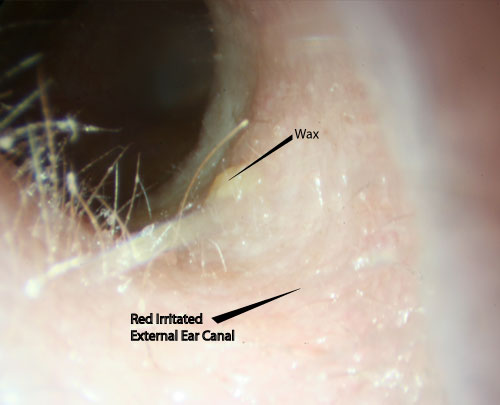
Earwax (cerumen) protects your ears by trapping dust and bacteria. But sometimes, the body makes too much or too little earwax.
- Too much earwax can block the ear canal, causing itching and discomfort.
- Too little earwax leads to dryness and irritation.
Beginners often make the mistake of cleaning their ears too often. Using cotton swabs can push wax deeper or scratch the ear canal, making itching worse.
3. Allergic Reactions
Allergies can affect the ears, just like they affect the nose and throat. Contact dermatitis happens when something touches your ear and causes an allergic reaction. Common triggers include:
- Hair products (shampoos, sprays, dyes)
- Earrings (especially those with nickel)
- Hearing aid materials
- Soaps and lotions
The skin around and inside the ear may become red, swollen, and itchy. Sometimes, a rash appears.
4. Skin Conditions
Some people have chronic skin problems that also affect the ears. The most common are:
- Eczema (atopic dermatitis): Causes dry, scaly patches.
- Psoriasis: Leads to thick, silvery skin scales.
- Seborrheic dermatitis: Causes greasy, yellowish flakes.
These conditions often affect both the outer ear and the area behind the ear. If you have skin problems elsewhere on your body, they may also show up in your ears.
5. Ear Infections
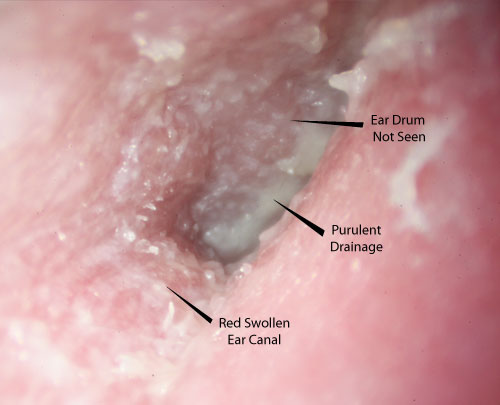
Infections in the ear canal or outer ear can cause intense itching. There are two main types:
- Otitis externa (swimmer’s ear): Caused by bacteria or fungi, often after swimming or getting water trapped in the ears.
- Otitis media: An infection behind the eardrum, more common in children.
Infections usually cause other symptoms too, like pain, swelling, discharge, or hearing loss. But in the early stages, itching may be the only sign.
6. Hearing Aids And Earbuds
Wearing hearing aids or earbuds for long periods can lead to itchy ears. Reasons include:
- Moisture build-up (sweat or trapped water)
- Allergic reaction to the device material
- Poor cleaning habits leading to bacteria or fungus
Many beginners do not realize that cleaning ear devices regularly is as important as cleaning your ears.
7. Environmental Factors
Environmental triggers like dust, pollen, or pollution can irritate the ears, especially if you spend a lot of time outside or in dry, dusty places. Air conditioning and heating also lower humidity, leading to dryness.
8. Other Medical Conditions
Sometimes, itchy ears can be a sign of underlying health problems, such as:
- Diabetes: High blood sugar can affect skin health.
- Thyroid disorders: These can cause dry skin everywhere, including the ears.
- Autoimmune diseases: Some rare conditions attack the ear’s tissues.
If your ear itching is severe or comes with other symptoms (like fatigue or unexplained weight changes), it is wise to speak to a doctor.
How To Tell The Cause Of Your Ear Itch
Knowing the cause of your ear itch is key to choosing the right treatment. Here are some clues that can help:
Location Of Itching
- Inside the ear canal: Often due to dry skin, earwax, or infection.
- Outside the ear (pinna): More likely from allergies or skin conditions.
- Behind the ear: Skin problems like eczema or seborrheic dermatitis are common.
Other Symptoms To Watch For
- Pain or swelling: Infection is likely.
- Discharge (fluid or pus): Infection or eczema.
- Scaly, greasy skin: Seborrheic dermatitis.
- Redness and rash: Allergies or contact dermatitis.
- Hearing loss: Earwax blockage or infection.
Timing And Triggers
Keep a diary if you are not sure what is causing your itch. Note when it starts and what you were doing:
- After swimming? Possible swimmer’s ear.
- After using new shampoo or earrings? Possible allergy.
- During cold, dry weather? Likely dry skin.
Non-obvious insight: Itching that gets worse at night can be caused by lying on one side, which traps heat and moisture.
Credit: med.uth.edu
The Dangers Of Scratching Your Ears
While scratching gives a few seconds of relief, it can make the problem worse. Here’s why you should avoid it:
- Scratching damages the skin inside your ear, making infection more likely.
- Using cotton swabs or sharp objects can puncture the eardrum or push wax deeper.
- Repeated irritation can cause thickening of the skin (chronic otitis externa).
Instead, focus on treating the cause, not just the symptom.
When To See A Doctor
Most itchy ear problems are minor, but some signs mean you need medical help:
- Severe pain
- Hearing loss
- Discharge (especially if yellow or green)
- Bleeding
- Fever
- Itching that lasts more than a week or keeps coming back
Doctors can examine your ear with an otoscope and recommend the right treatment.
Credit: med.uth.edu
Home Remedies And Self-care For Itchy Ears
Many mild cases of itchy ears can be managed at home. Here are some safe strategies:
1. Keep Ears Dry And Clean
- After showering or swimming, dry your ears gently with a soft towel.
- Tilt your head to let water drain out.
- Avoid sticking fingers, cotton swabs, or anything else in your ears.
2. Use Soothing Oils (with Caution)
A few drops of mineral oil or baby oil can help with dry skin. Warm the oil to body temperature and use a clean dropper. Do not use oils if you have a history of ear infections, ear tubes, or a perforated eardrum.
3. Choose Gentle Hair And Skin Products
Switch to unscented, hypoallergenic shampoos and soaps. Rinse your ears well after washing your hair.
4. Limit Ear Device Use
Give your ears a break from hearing aids or earbuds when possible. Clean devices daily according to the manufacturer’s instructions.
5. Manage Allergies
If you have seasonal allergies, using antihistamines or nasal sprays can help reduce itching in the ears, nose, and throat.
6. Moisturize The Outer Ear
Apply a small amount of gentle moisturizer (like petroleum jelly) to the outside of the ear if the skin is dry. Never put creams inside the ear canal.
7. Avoid Triggers
If you know a certain product or activity causes itching, stop using it and see if symptoms improve.
Practical tip: Many people forget that pillowcases can collect allergens and irritants. Wash your bedding weekly to reduce exposure.
Medical Treatments For Itchy Ears
If home care does not help, or your symptoms are severe, doctors may recommend:
Prescription Ear Drops
- Steroid drops: Reduce itching and swelling from eczema or allergies.
- Antibiotic drops: Treat bacterial infections.
- Antifungal drops: For fungal infections.
- Cerumenolytic drops: Help soften and remove earwax.
Oral Medications
- Antihistamines: For allergy-related itching.
- Antibiotics: For severe or spreading infections.
- Steroids: For severe allergic reactions or skin conditions.
Special Cleaning
Doctors can remove stubborn earwax or debris safely using special tools or gentle irrigation.
Treating Chronic Skin Conditions
For eczema, psoriasis, or seborrheic dermatitis, a dermatologist may prescribe medicated creams or shampoos for use on the ear and scalp.
Non-obvious insight: Sometimes, ongoing itchy ears require a team approach. For example, if diabetes is causing skin problems, treating your blood sugar can improve your ear health.
Tips For Preventing Itchy Ears
Prevention is the best cure. Here’s how to reduce your risk:
- Avoid inserting objects into your ears, even cotton swabs.
- Dry your ears after water exposure (swimming, showering).
- Choose gentle skin and hair products.
- Limit use of earbuds and hearing aids to reduce moisture and friction.
- Protect your ears in dusty or polluted environments by wearing hats or staying indoors.
- Treat allergies promptly to prevent irritation.
- Maintain good blood sugar control if you have diabetes.
- See a doctor for ongoing or severe itching.
Comparing Itchy Ear Causes: A Quick Guide
To help you quickly spot the difference between common causes, here is a comparison:
| Cause | Main Symptoms | Who Gets It? | Need a Doctor? |
|---|---|---|---|
| Dry Skin | Flaky, itchy, no pain | All ages, dry climates | Rarely |
| Earwax Blockage | Itching, fullness, hearing loss | All ages | Sometimes |
| Infection | Itching, pain, discharge | Children, swimmers | Yes |
| Allergy | Redness, rash, swelling | Anyone with allergies | Sometimes |
Ear Itch Vs. Ear Pain: What’s The Difference?
It is easy to confuse itchiness with pain in your ears. Here is how they compare:
| Feature | Itchy Ear | Painful Ear |
|---|---|---|
| Sensation | Tingling, urge to scratch | Sharp, dull, or throbbing |
| Common Causes | Dry skin, wax, allergies | Infection, injury, pressure |
| Urgency | Usually mild, not urgent | May need quick care |
| Associated Symptoms | Dryness, mild redness | Fever, severe redness, drainage |
Myths And Misunderstandings About Itchy Ears
Many people believe things about ear health that are not true. Here are some myths to watch out for:
1. “cotton Swabs Are Safe For Cleaning Ears.”
This is false. Cotton swabs can injure the ear canal and push wax deeper.
2. “if Your Ear Itches, It’s Always Dirty.”
Itching can happen even if your ears are clean. Over-cleaning makes it worse.
3. “all Ear Drops Are Safe To Use.”
Some over-the-counter drops can irritate or harm the ear, especially if you have a hole in your eardrum.
4. “itchy Ears Mean You Have An Infection.”
Itching is often due to dryness or allergies, not infection.
5. “scratching Is Harmless.”
Scratching can create wounds and lead to infection.
Non-obvious insight: Most earwax is self-cleaning. The skin inside your ear canal moves slowly outward, carrying old wax with it. Using objects to “clean” your ears disrupts this natural process.

Credit: audiologyisland.com
Special Considerations For Children And Older Adults
Children and older adults often have unique reasons for itchy ears:
Children
- More likely to get ear infections due to shorter ear canals.
- Sensitive to soaps, hair products, and swimming pool chemicals.
- May scratch or poke objects in ears, risking injury.
Older Adults
- Skin becomes drier with age, increasing risk of itchiness.
- Hearing aids can trap moisture and irritate the skin.
- Some medications cause dry skin or allergies.
Caregivers should watch for signs of infection, pain, or hearing changes and seek medical advice early.
How To Choose Ear Care Products
Selecting safe products can reduce itching and prevent problems. Here’s what matters:
- For cleaning: Use only products labeled “for outer ear use.” Avoid inserting anything into the ear canal.
- Ear drops: Follow your doctor’s advice. Some drops are for wax, others for infection or allergies.
- Moisturizers: Use gentle, fragrance-free creams for the outer ear only.
- Hearing aids/earbuds: Choose hypoallergenic materials, clean daily, and replace worn parts.
Common mistake: Using home remedies like olive oil or hydrogen peroxide without medical advice. These can worsen some conditions, especially if the eardrum is damaged.
When Itchy Ears Are A Sign Of Something Serious
Most itchy ears are harmless, but sometimes, they warn of bigger problems:
- Chronic infections can lead to hearing loss or spread to other areas.
- Skin cancers can appear as itchy, scaly spots on the outer ear.
- Autoimmune diseases may cause ongoing inflammation.
If you notice changes in skin color, shape, or new growths, see a doctor promptly.
Living Comfortably With Sensitive Ears
If you have a history of itchy or sensitive ears, a few habits can help:
- Use a humidifier in dry weather to add moisture to the air.
- Wear a hat or ear covers in wind, cold, or dusty conditions.
- Avoid sharing earbuds, headphones, or towels.
- Schedule regular ear check-ups if you use hearing aids or have chronic skin conditions.
Ear Itching Around The World
Itchy ears are a universal problem, but climate and lifestyle affect how common it is. For example, people in hot, humid places are more likely to get swimmer’s ear, while those in cold, dry areas have more trouble with dry skin. Urban areas with more pollution may see higher rates of allergy-related ear problems.
A global review in 2022 found that about 20% of adults experience itchy ears at least once a year. Among people who swim regularly, the rate can be as high as 50%.
For more scientific details, visit the National Center for Biotechnology Information.
Frequently Asked Questions
Why Do My Ears Itch At Night?
Nighttime itching is often due to lying on one side, which traps heat and moisture. Dry indoor air or allergens in bedding can also play a role. Consider washing your pillowcase often and using a humidifier.
Can Stress Cause Itchy Ears?
Yes, stress can make skin problems like eczema or psoriasis worse, leading to itchy ears. Stress also makes you more likely to touch or scratch your ears without thinking.
Is It Safe To Use Olive Oil For Itchy Ears?
Only use olive oil in your ear if your doctor recommends it. It can help with dry skin, but if you have a hole in your eardrum or an infection, it may do more harm than good.
How Can I Stop My Ears From Itching When I Wear Hearing Aids?
Clean your hearing aids daily, let your ears “breathe” for a few hours each day, and ask about hypoallergenic ear molds. If itching continues, see your doctor to check for allergies or infection.
Do Food Allergies Cause Itchy Ears?
Food allergies can cause itching in the mouth and throat, and sometimes the ears. This is more common in children or people with strong allergies. If you notice a link, discuss it with your doctor.
Itchy ears are rarely serious, but they deserve attention. By understanding the causes, avoiding common mistakes, and taking smart steps, you can keep your ears healthy and comfortable for life. If your symptoms do not improve or you notice new problems, a healthcare professional can help you find relief.