

Why Does My Boob Itch?
Itchy breasts can be surprising, uncomfortable, and sometimes even worrying. Many people experience this sensation at some point, but most don’t talk about it openly. If you’ve wondered, “Why does my boob itch? ” you’re not alone. There are many possible reasons—some simple, others more complex.
Understanding the causes, how to ease the itch, and when to see a doctor can help you feel more confident and comfortable. This article will guide you through everything you need to know about itchy breasts, from common causes to practical solutions, and even rare medical conditions.
We’ll also look at what signs should never be ignored, and answer frequent questions about breast itching.
Common Causes Of Itchy Breasts
The skin on your breasts is just like skin anywhere else—sensitive to irritation, dryness, and other changes. Most causes of breast itching are harmless, but knowing why it happens is important.
Dry Skin
Dry skin is one of the most frequent causes of itchy breasts. Skin loses moisture for many reasons: cold weather, frequent washing, or using harsh soaps. When the skin’s barrier is damaged, it can feel tight, rough, and itchy.
Many people notice this more in winter, when indoor heating dries the air. If you have eczema or naturally dry skin, your breasts may itch more often.
Allergic Reactions
Sometimes, breast itching comes from allergic reactions. Common triggers include:
- Laundry detergents
- Body lotions
- Perfumes
- Fabric softeners
- New bras or clothing
If you recently changed products or started wearing new clothes, allergies may be the cause. Allergic reactions often cause redness, swelling, or a rash along with itching.
Sweat And Heat
Hot weather or exercise can make breasts sweat. Sweat and heat cause moisture to build up under or between breasts, especially for people with larger breasts. This can lead to itching, discomfort, and sometimes a rash called intertrigo.
If you spend time outside in the sun, or wear tight bras, sweat can be trapped, worsening the itch.
Poor Hygiene
Not cleaning the skin under and around your breasts can allow sweat, oils, and dead skin cells to build up. This can irritate the skin and cause itching.
Friction From Clothing
Bras, tops, and athletic gear can cause friction. If your bra is too tight, has rough seams, or is made from irritating material, it can rub against your skin, making it itch.
People who exercise often, especially runners, may notice this more.
Hormonal Changes
Hormones affect your skin’s moisture and sensitivity. Hormonal changes during puberty, pregnancy, menstruation, or menopause can make breasts itch. For example, breast swelling before your period can stretch the skin, causing itchiness.
Skin Conditions
Some skin conditions can affect the breasts:
- Eczema: Causes dry, itchy patches.
- Psoriasis: Creates scaly, itchy areas.
- Dermatitis: General inflammation and itching.
If you already have these conditions, your breasts may be affected.
Less Common Causes Of Breast Itching
While most breast itching is harmless, there are some less common, but important, causes to know.
Fungal Infections
Fungal infections can develop in warm, moist areas—like under the breasts. These infections cause itching, redness, and sometimes a musty smell. People with diabetes, overweight individuals, or those living in humid climates are at higher risk.
The most common fungus is Candida, which thrives in sweaty folds of skin.
Bug Bites
Mosquitoes, fleas, or bedbugs may bite exposed skin, including breasts. Bug bites are itchy and often cause a small red bump.
Shingles
Shingles is a painful rash caused by the chickenpox virus. It can affect the chest or breasts, leading to severe itching, burning, and blisters.
Sunburn
Spending time in the sun can cause sunburn on the chest and breasts, especially if you wear low-cut tops or swimsuits. Sunburn makes skin red, hot, and itchy.
Medication Side Effects
Some medicines cause skin reactions, including itching. If you started a new medication recently, check if itching is a listed side effect.
Rare But Serious Causes
Most breast itching is not dangerous, but some rare conditions should be taken seriously.
Breast Cancer
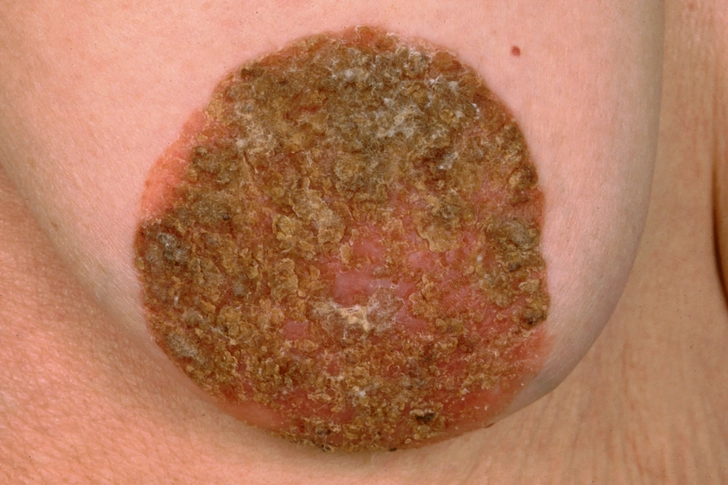
Itching is almost never the first sign of breast cancer, but one form—Paget’s disease of the breast—begins with itching, redness, and flaking around the nipple. This condition is very rare, but it’s important to know.
Other cancer-related signs include:
- Bloody nipple discharge
- Persistent pain
- A lump
- Changes in breast shape
If you notice any of these, see a doctor right away.
Inflammatory Breast Cancer
Inflammatory breast cancer can cause redness, swelling, warmth, and severe itching. This cancer spreads quickly and needs urgent treatment.
Mastitis
Mostly seen in breastfeeding women, mastitis is an infection of breast tissue. It causes redness, pain, swelling, and sometimes itching. Fever may also be present.
How To Relieve Itchy Breasts
Most causes of breast itching can be managed at home. Here are some practical ways to ease the discomfort:
- Moisturize Regularly: Use unscented, gentle creams or oils. Apply after showering, when skin is damp.
- Avoid Triggers: Stop using new soaps, lotions, or detergents if you think they’re causing the itch.
- Wear Breathable Clothing: Choose bras and tops made from cotton or moisture-wicking fabrics.
- Keep Skin Clean and Dry: Wash gently, dry thoroughly, and avoid sweating when possible.
- Don’t Scratch: Scratching damages skin and can lead to infection.
- Cool Compresses: Use a damp, cool cloth to soothe itchy skin.
- Over-the-Counter Creams: Hydrocortisone or anti-itch lotions can help, but use only as directed.
If the itch doesn’t improve after a week, or gets worse, consider seeing a doctor.

Credit: www.manipalhospitals.com
What Not To Do When Your Breasts Itch
Sometimes, trying to fix the problem makes it worse. Here are common mistakes:
- Using harsh or scented soaps on sensitive areas.
- Scratching with nails, which can break the skin.
- Wearing tight bras or synthetic fabrics.
- Applying random creams without knowing the cause.
- Ignoring persistent or severe symptoms.
When Should You See A Doctor?
Most breast itching goes away on its own. But you should see a doctor if:
- The itching lasts more than 1–2 weeks.
- There are signs of infection: Redness, swelling, warmth, pus, or fever.
- You notice a lump, change in breast shape, or nipple discharge.
- The itch is severe and disrupts your daily life.
- You have other symptoms like unexplained weight loss or tiredness.
Credit: www.webmd.com
Comparing Common And Rare Causes
To help you understand the difference between harmless and serious causes, here’s a comparison:
| Cause | Frequency | Symptoms | Needs Doctor? |
|---|---|---|---|
| Dry Skin | Very Common | Itching, rough skin | No, unless severe |
| Allergic Reaction | Common | Itching, redness, rash | Sometimes |
| Fungal Infection | Less Common | Itching, redness, odor | Yes |
| Breast Cancer | Rare | Itching, nipple changes, lumps | Yes, urgent |
Breast Itching In Different Age Groups
Itching can happen at any age, but causes often change depending on age and life stage.
| Age Group | Common Causes | Extra Risks |
|---|---|---|
| Children/Teens | Hormonal changes, dry skin | Eczema, allergies |
| Adults | Sweat, friction, allergies | Fungal infections, pregnancy |
| Elderly | Dry skin, medication side effects | Cancer risk, thinner skin |
Breast Itching During Pregnancy And Breastfeeding
Pregnancy and breastfeeding bring big changes to your body. Many women notice breast itching during these times.
Pregnancy
During pregnancy, breasts grow and the skin stretches. This can lead to itchy skin, especially around the nipples and sides. Hormonal changes also make skin more sensitive.
Moisturizing, wearing comfortable bras, and avoiding harsh soaps can help.
Breastfeeding
Breastfeeding mothers may get mastitis or yeast infections, causing itching. Cracked nipples from frequent feeding can also itch. Keeping nipples clean, dry, and using gentle creams is important.
Practical Tips For Preventing Breast Itching
Simple steps can keep your breasts comfortable and prevent itching.
- Choose the Right Bra: Make sure your bra fits well and is made from breathable material.
- Change Clothes After Sweating: Don’t stay in sweaty bras or tops for long.
- Use Gentle Laundry Products: Avoid strong detergents and fabric softeners.
- Shower After Exercise: Wash away sweat and bacteria quickly.
- Moisturize Daily: Use a mild, unscented moisturizer.
- Eat a Healthy Diet: Foods rich in vitamins A, C, and E help skin health.
- Avoid Excessive Sun Exposure: Protect your chest with sunscreen or clothing.
Diagnosing The Cause Of Breast Itching
Doctors use several ways to diagnose the cause of breast itching:
- Physical exam: Checking skin for rashes, swelling, or other signs.
- Skin swabs: If infection is suspected, a sample may be taken.
- Allergy tests: To find out if an allergy is causing the itch.
- Blood tests: Rarely, to check for underlying conditions.
- Imaging: If cancer is suspected, a mammogram or ultrasound may be ordered.
Home Remedies And Over-the-counter Products
Many people want to fix breast itching at home. Here are options that can help:
Home Remedies
- Oatmeal baths: Soothes itchy skin.
- Aloe vera gel: Reduces irritation.
- Coconut oil: Moisturizes and fights bacteria.
- Cool compresses: Relieve itching quickly.
Over-the-counter Products
- Hydrocortisone cream: For mild inflammation.
- Antihistamines: If allergies are the cause.
- Anti-fungal creams: For fungal infections under the breasts.
Use these only as directed. If symptoms don’t improve, see a doctor.
:max_bytes(150000):strip_icc()/when-do-itchy-breasts-indicate-breast-cancer-513764-61-ad76a8a2557c42abb3828a37f4ea3989.png)
Credit: www.verywellhealth.com
Comparing Breast Itching To Other Body Areas
Itching can happen anywhere, but breast skin is unique—so solutions may differ. Here’s a comparison:
| Area | Common Causes | Treatment | Special Considerations |
|---|---|---|---|
| Breasts | Dry skin, friction, allergies | Moisturizer, gentle fabrics | Delicate skin, cancer risk |
| Hands | Hand washing, chemicals | Moisturizer, gloves | Frequent exposure |
| Feet | Fungal infections, sweat | Anti-fungal creams | Closed shoes, moisture |
Non-obvious Insights About Breast Itching
Many people miss these important points:
- Deodorant and antiperspirant residue: These products can build up under the breasts, especially if you apply them below the armpit. This can trigger irritation and itching.
- Hidden food allergies: Some foods (like dairy or nuts) can cause skin reactions, including breast itching, even if you don’t notice other symptoms.
- Stress and anxiety: Mental stress can make skin more sensitive, leading to itching. If you feel anxious, your skin may react more easily.
- Night sweating: People who sweat at night (due to menopause or illness) may wake up with itchy breasts.
Breast Itching And Men
While this article focuses mostly on women, men can also experience breast itching. Causes are similar: dry skin, sweat, allergies, and rarely, cancer. Men should also pay attention to persistent symptoms and see a doctor if needed.
When Breast Itching Is A Sign Of Something Serious
You should never ignore:
- Sudden, severe itching
- Itching with a lump
- Nipple changes or discharge
- Itching that spreads or gets worse
- Unexplained weight loss or tiredness
These signs could point to something more serious, like cancer or infection. Early diagnosis is key.
Frequently Asked Questions
Why Does My Boob Itch At Night?
Nighttime itching often comes from sweat, dry air, or allergens in bedding. If you use scented laundry products or sleep in a hot room, your skin may react more at night. Try using unscented detergent, sleeping in cooler conditions, and wearing loose cotton sleepwear.
Is Breast Itching Normal During Pregnancy?
Yes, breast itching is common during pregnancy. Breasts grow, skin stretches, and hormones change. Moisturize daily and wear comfortable bras. If you have pain, redness, or discharge, talk to your doctor.
Can Breast Itching Be Caused By Stress?
Stress can make skin more sensitive. When you’re anxious, your body releases chemicals that can trigger itching. This is called psychogenic itch. Try relaxation techniques, and take care of your skin.
Should I Worry About Breast Cancer If My Boob Itches?
Usually, itching is not a sign of cancer. But if you also notice a lump, nipple changes, or discharge, see a doctor. One rare cancer, Paget’s disease, starts with itching and changes around the nipple. It’s better to check than to ignore.
What’s The Best Way To Stop Breast Itching Fast?
For quick relief, use a cool compress, moisturize with unscented lotion, and avoid scratching. Change into clean, dry clothes. If itching is severe or lasts more than a week, talk to your doctor.
If you’re still worried about your symptoms, don’t hesitate to seek medical advice. For more information on breast health, visit American Cancer Society.
Breast itching is common and usually harmless, but knowing the causes and solutions can help you stay comfortable and healthy. Pay attention to your body, follow practical tips, and seek help if symptoms persist or worsen. Your health matters—never ignore signs that feel unusual.