

Melasma is a common skin problem that causes brown or gray-brown patches, especially on the face. If you have noticed these patches, you are not alone. Melasma affects millions of people, mostly women. It often appears on the cheeks, forehead, nose, and upper lip, making many feel self-conscious.
While melasma is not dangerous, it can be tough to treat. Many people want to avoid strong chemical treatments and are looking for natural ways to reduce these dark patches. Let’s explore the best natural methods, tips, and facts for treating melasma on the face—and what you need to know before you start.
Understanding Melasma And Its Causes
Before trying any treatment, it’s important to understand what melasma is and why it happens. Melasma is a type of hyperpigmentation. This means parts of your skin become darker than the surrounding area.
Main Causes Of Melasma
- Sun exposure: Ultraviolet (UV) rays from the sun trigger pigment cells (melanocytes) to produce more color.
- Hormonal changes: Pregnancy, birth control pills, and hormone therapy can all spark melasma.
- Genetics: If your parents or siblings have melasma, you may be more likely to get it too.
- Skin irritation: Some skincare products, especially harsh ones, can make melasma worse.
Who Gets Melasma?
- About 90% of people with melasma are women
- It is more common in people with medium to dark skin
- It often appears between ages 20 and 40
Melasma is not a sign of an illness. But for many, it affects confidence and self-image.
Natural Remedies For Treating Melasma On The Face
Many natural treatments can help fade melasma patches. While results can vary, these gentle options are safer for sensitive skin and have fewer side effects than some chemicals.
1. Sun Protection: The Most Important Step
Sun exposure is the number one trigger for melasma. Even the best treatments will not work if you do not protect your skin from UV rays.
- Use a broad-spectrum sunscreen with at least SPF 30 every day, even when indoors.
- Wear wide-brimmed hats and sunglasses when outside.
- Seek shade, especially between 10 a.m. and 4 p.m.
Tip: Many people forget to reapply sunscreen. For lasting protection, apply every two hours when outdoors.
2. Aloe Vera Gel
Aloe vera is known for its soothing and healing properties. It contains aloesin, a compound that can help lighten hyperpigmentation.
- Gently apply pure aloe vera gel to affected areas twice a day.
- Leave it on for 15–20 minutes, then rinse with cool water.
A study showed that aloesin can reduce melanin production, making it a helpful natural option for melasma.
3. Licorice Extract
Licorice root contains glabridin, which can block the enzyme that causes skin to darken.
- Choose creams or serums with licorice extract.
- Apply as directed, usually once or twice daily.
Licorice is gentle and often used in products for sensitive skin.
4. Vitamin C (ascorbic Acid)
Vitamin C is a popular brightening agent. It is an antioxidant that protects skin from damage and helps fade dark spots.
- Use a vitamin C serum daily in the morning, before sunscreen.
- Look for serums with at least 10% vitamin C.
Non-obvious insight: Store vitamin C products in a cool, dark place. Vitamin C breaks down quickly in sunlight and heat, making it less effective.
5. Green Tea Extract
Green tea is packed with antioxidants. Some studies show that epigallocatechin gallate (EGCG) in green tea can help lighten melasma.
- You can use creams with green tea extract or place cooled green tea bags on the skin for 10 minutes daily.
This is a gentle option, and it also helps calm redness and irritation.
6. Niacinamide
Niacinamide (vitamin B3) has become popular in skincare for its ability to fade dark spots and strengthen the skin barrier.
- Use a serum or cream with 4–5% niacinamide.
- Apply once or twice daily.
It is safe for most skin types and can reduce redness too.
7. Apple Cider Vinegar
Apple cider vinegar contains acetic acid, which may help lighten pigmentation.
- Mix one part apple cider vinegar with one part water.
- Apply with a cotton ball, leave for 3–5 minutes, then rinse.
Warning: Always dilute apple cider vinegar to avoid irritation. Patch test first.
8. Turmeric
Turmeric is well-known for its anti-inflammatory and skin-brightening properties. The active ingredient, curcumin, may help reduce melanin production.
- Mix turmeric powder with yogurt or honey to make a thick paste.
- Apply to affected areas for 15 minutes, then rinse.
Be careful—turmeric can stain skin yellow temporarily.
9. Red Onion Extract
Some over-the-counter creams use red onion extract (Allium cepa) to fade dark spots.
- Apply as directed (usually once a day).
- Look for products with proven ingredients and no added fragrance.
Red onion extract is less common but can be effective for some people.
10. Gentle Exfoliation
Regular exfoliation removes dead skin cells and can help melasma creams and serums work better.
- Use a gentle scrub or enzyme-based exfoliant 1–2 times a week.
- Avoid harsh scrubs, as they can worsen melasma.
Non-obvious insight: Over-exfoliating can damage the skin barrier and actually make melasma worse. More is not always better.
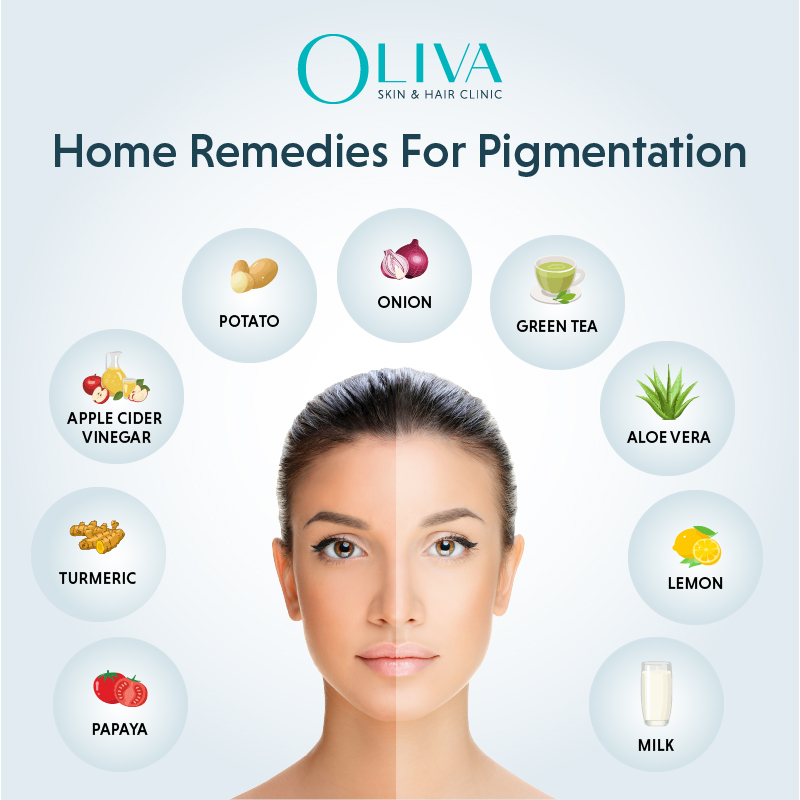
Credit: www.olivaclinic.com
Natural Melasma Treatments: What Works Best?
Some natural treatments are more effective than others. Here’s a comparison of popular options:
| Remedy | Strength | Best For | Possible Side Effects |
|---|---|---|---|
| Aloe Vera | Mild | Sensitive skin | Rare irritation |
| Licorice Extract | Moderate | Early melasma | Rare allergy |
| Vitamin C | Strong | All skin types | Stinging, redness |
| Apple Cider Vinegar | Moderate | Oily skin | Irritation, dryness |
| Turmeric | Mild | Regular use | Staining |
Lifestyle Changes That Support Natural Treatment
Treating melasma is not just about what you put on your skin. Your daily habits matter, too.
Eat A Skin-friendly Diet
A diet rich in antioxidants can help reduce inflammation and support healthy skin.
- Eat more fruits and vegetables, especially berries, oranges, leafy greens, and tomatoes.
- Include nuts, seeds, and oily fish for healthy fats.
Manage Stress
Stress raises certain hormones that can make melasma worse. Try:
- Deep breathing or meditation
- Regular exercise
- Good sleep habits
Choose Gentle Skin Care Products
- Avoid harsh scrubs, strong acids, and products with alcohol.
- Look for products labeled “fragrance-free” or “for sensitive skin.”
Be Careful With Hair Removal
Waxing or threading can irritate the skin and trigger new melasma patches. Shaving or using gentle hair removal creams is safer.
:max_bytes(150000):strip_icc()/treating-melasma-4589536_final-5c9434e883b7455982e7b621571cb1bb.png)
Credit: www.verywellhealth.com
Myths About Treating Melasma Naturally
You may hear many claims about miracle cures for melasma. Here are a few myths to avoid:
- Myth: Lemon juice will clear melasma.
Fact: Lemon juice can irritate skin and make melasma worse.
- Myth: Natural treatments work overnight.
Fact: It can take several weeks or months to see results.
- Myth: Drinking more water will remove melasma.
Fact: Good hydration helps skin health, but it won’t fade melasma patches.
When To See A Dermatologist
Natural remedies can help, but they do not work for everyone. If you notice:
- Your patches are spreading or getting darker
- Home treatments cause irritation or redness
- No improvement after 3–4 months
It’s time to see a skin doctor. A dermatologist can check for other conditions and recommend stronger treatments if needed. Sometimes, prescription creams or laser therapy are the best choice.

Credit: evaskinclinicpune.com
How Natural Remedies Compare To Medical Treatments
It’s useful to understand the difference between natural and medical approaches:
| Treatment Type | Speed of Results | Side Effects | Cost |
|---|---|---|---|
| Natural Remedies | Slow (weeks to months) | Low risk | Low |
| Prescription Creams | Faster (4–8 weeks) | Possible irritation | Moderate |
| Laser Treatments | Fast (1–3 sessions) | Higher risk (if not done correctly) | High |
Key point: Natural remedies may not be as fast, but they are safer for most people and cost much less.
Tips For Getting The Best Results With Natural Melasma Treatments
- Be patient and consistent. Natural remedies need time.
- Always protect your skin from the sun. Even a little sun exposure can undo weeks of progress.
- Patch test new products. Try on a small area first to check for allergies or irritation.
- Combine treatments. Using more than one gentle remedy (like vitamin C plus sunscreen) can work better than just one.
- Track your progress. Take photos every few weeks to see if treatments are helping.
Frequently Asked Questions
What Is The Fastest Way To Treat Melasma Naturally?
Natural treatments usually take time. Using sunscreen every day and adding a vitamin C serum can give the best results in a few months. There is no instant cure, but consistent sun protection speeds up fading.
Can Melasma Go Away On Its Own?
Sometimes, melasma fades if the trigger (like pregnancy or birth control) is removed. But for many people, it stays unless treated. Sun protection is key to prevent it from getting worse.
Are Home Remedies Safe For All Skin Types?
Most natural remedies are safe, but sensitive skin can react to even natural products like apple cider vinegar or turmeric. Always patch test and avoid anything that causes burning or redness.
Is Melasma A Sign Of A Health Problem?
No, melasma is not dangerous. It is mostly a cosmetic issue, but it can be linked to hormone changes. If you are unsure, see a dermatologist for a full checkup.
Where Can I Find More Information About Melasma?
For reliable, research-based information, visit the American Academy of Dermatology website.
Melasma can be stubborn, but gentle, natural care can make a real difference. With patience, the right habits, and a focus on sun protection, you can improve your skin’s appearance and feel more confident. If you ever have doubts or your skin changes suddenly, don’t hesitate to seek expert help.
Your skin deserves both kindness and smart care.