
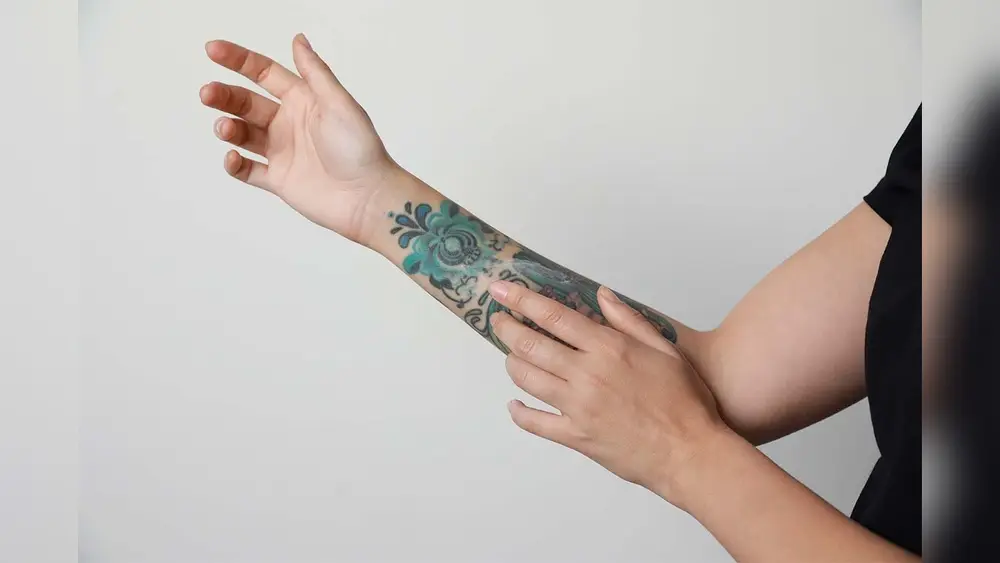
Getting a tattoo can be an exciting decision. You choose a design, sit through the session, and look forward to showing off your new ink. But then, a few days later, you feel it—a strong, sometimes maddening itch around the tattooed skin. Why do tattoos itch? Is it a sign of something wrong, or just a normal part of healing? Understanding tattoo itch is important for anyone with ink or thinking about getting one. This article gives you clear answers, practical advice, and science-backed explanations, so you know what is happening with your skin and how to handle it.
What Happens To Your Skin During Tattooing
Before talking about why tattoos itch, you need to know what happens to your skin in the tattoo process. A tattoo needle breaks the top layer of your skin, called the epidermis, and puts ink into the deeper layer called the dermis. This process creates thousands of tiny wounds. Your body reacts to this as it would to any injury—it starts healing.
When the skin is damaged, your immune system sends blood, white blood cells, and proteins to the area. The goal is to repair the skin and protect you from infection. This healing process is what causes most of the sensations, including itch, that you feel after getting a tattoo.
Why Tattoos Itch: The Main Causes
Tattoo itch is common, especially during the first days to weeks after getting inked. Let’s look at the main reasons why this happens.
1. Healing Process
As your skin heals, it forms new tissue. The nerves in your skin become sensitive, sending signals to your brain. This is a normal part of wound healing—most people feel some level of itchiness as their body repairs itself. The same thing happens with cuts, scrapes, or burns.
2. Scabbing And Peeling
A tattoo is a controlled wound. Like a scrape or cut, your skin creates scabs and later peels as the healing continues. Scabs protect the new skin forming underneath. When the scab dries out and starts to fall away, it can become very itchy.
3. Dry Skin
Tattooed skin often becomes dry, especially if you use alcohol-based cleaning products or don’t moisturize enough. Dryness makes the skin feel tight and can trigger more itching. Using a light, fragrance-free moisturizer can help reduce this.
4. Allergic Reaction
Some people react to tattoo ink, especially colored inks like red or yellow. Allergic reactions can cause redness, swelling, and intense itching. These reactions can happen soon after tattooing or even years later.
5. Infection
Although rare if you follow proper aftercare, infections can make tattoos itch, too. Infected tattoos usually also hurt, look red, and might ooze pus. If you suspect an infection, you need to see a doctor.
6. Environmental Factors
Things like heat, sweating, or sun exposure can make your tattoo itch more, especially in the first few weeks. Wearing tight clothing that rubs against the tattoo can also trigger itching.
7. Pre-existing Skin Conditions
If you have skin problems like eczema or psoriasis, a tattoo can sometimes make these flare up. These conditions are already linked to itch, so it’s not surprising if your new tattoo makes the problem worse.
How Long Does Tattoo Itch Last?
Tattoo itch usually starts a few days after getting inked, when the skin starts to scab and peel. For most people, the itch is worst in the first 7–14 days. After that, as the skin heals, the itch fades. Sometimes, tattoos can itch off and on for weeks or even months, especially if you have sensitive skin.
Here’s a simple timeline for most tattoos:
| Time After Tattoo | Common Sensations | Itch Level |
|---|---|---|
| First 1-3 days | Soreness, mild redness, swelling | Low to medium |
| Day 4-14 | Scabbing, peeling, tightness | Medium to high |
| Day 15 and beyond | Fading scabs, dry skin | Low (may come and go) |
Some people notice their tattoos itch more in hot weather, after exercise, or when their skin gets dry. If the itching lasts longer than a month, gets worse, or is joined by swelling or pus, it’s time to talk to a healthcare provider.
The Science Of Itch: What’s Happening Under Your Skin
Itch, or pruritus, is a complex process. When your skin is injured, special nerves called pruriceptors send signals to your brain. These nerves are especially active when your skin is healing.
When you get a tattoo, your body releases chemicals like histamine. Histamine helps fight infection but also makes the skin itch. This is the same chemical that causes itching with mosquito bites or allergies.
Your immune system also sends macrophages—cells that “eat” foreign material—to the tattooed area. These cells help break down some of the ink and keep your skin safe. However, their activity can also increase inflammation and itch.
Some people have more sensitive skin or more reactive immune systems. This makes them more likely to feel intense itch after a tattoo, even if everything is healing normally.
Credit: www.healthline.com
Factors That Make Tattoo Itch Worse
Not everyone experiences tattoo itch in the same way. Here are some things that can make itching worse:
- Large tattoos: The bigger the area, the more skin is healing, so the chance of itching is higher.
- Colorful ink: Some colored inks, especially red, yellow, or green, are more likely to cause irritation.
- Poor aftercare: Not keeping the tattoo clean and moisturized can make itching worse.
- Picking or scratching: Touching, scratching, or picking at scabs can irritate the skin more and lead to infection.
- Dry climate: Living in a dry or cold place can dry out your skin, making itch worse.
- Clothing choices: Tight or rough fabrics rubbing against your tattoo can irritate it further.
How To Relieve Tattoo Itch Safely
It’s tempting to scratch an itchy tattoo, but this can damage your skin and ruin your ink. Here’s how to manage the itch without causing harm.
1. Keep The Tattoo Clean
Wash your tattoo gently with lukewarm water and a mild, fragrance-free soap once or twice a day. Pat it dry with a clean towel—don’t rub.
2. Moisturize Regularly
Apply a thin layer of a fragrance-free, gentle moisturizer 2–3 times a day, or as recommended by your tattoo artist. Look for creams or ointments without alcohol or harsh chemicals.
3. Avoid Scratching Or Picking
Scratching can pull out ink, damage healing skin, and lead to scars or infection. If you can’t resist, try gently patting the area instead.
4. Use Cold Compresses
A clean, cool cloth can help calm itchy skin. Place it on the tattoo for a few minutes. Never use ice directly on your skin.
5. Wear Loose, Soft Clothing
Choose soft, breathable fabrics to cover your tattoo. Avoid tight or rough materials that might rub and irritate the area.
6. Try Over-the-counter Remedies
If the itch is very bad, you can use an antihistamine tablet (like cetirizine or loratadine) or a gentle anti-itch lotion with calamine. Avoid steroid creams unless told by a doctor.
7. Stay Hydrated
Drinking enough water keeps your skin healthy and helps it heal faster. Dry skin is more likely to itch.
8. Avoid Sun And Sweat
Sun exposure can irritate healing tattoos, and sweat can make itching worse. Stay out of the sun, or cover your tattoo if you need to go outside.

Credit: skinkraft.com
When Is Tattoo Itch A Problem?
Most itching is normal, but sometimes it can signal something is wrong. Watch for these warning signs:
- Redness that spreads or gets worse after a few days
- Swelling that doesn’t go down
- Pain that increases instead of fading
- Pus or yellow fluid coming from the tattoo
- Fever or feeling very unwell
These can be signs of an infection or a strong allergic reaction. If you notice any of these, contact a doctor or skin specialist.
Allergic Reactions To Tattoo Ink
Tattoo ink contains many ingredients—pigments, metals, and preservatives. Allergic reactions are more common with certain colors, especially red and yellow, which may contain mercury or cadmium.
Symptoms of an allergic reaction include:
- Intense itching
- Red rash or bumps
- Swelling
- Blisters
- Hives
Some reactions start right away; others may appear months or years later. If you know you have allergies to certain metals or dyes, talk to your tattoo artist before getting inked. They may be able to use hypoallergenic inks.
Chronic Or Recurrent Tattoo Itch
Sometimes, a tattoo itches long after it’s healed. This can happen if you have sensitive skin, or if your body reacts to the ink over time. Some people develop granulomas—small lumps under the skin—where the ink is placed. Others get lichen planus, a rare skin condition that can appear on tattoos.
Heat, sunburn, or exercise can make old tattoos itch again, even years later. This is called a delayed hypersensitivity reaction. If you notice itching, bumps, or changes in your tattoo months or years later, talk to a dermatologist.
Tattoo Itch Vs. Infection: Key Differences
It’s important to know the difference between normal itch and infection. Here’s a side-by-side comparison:
| Normal Tattoo Itch | Possible Infection |
|---|---|
| Itch starts 3–5 days after tattoo | Itch with increasing pain, swelling, redness |
| Area feels dry, tight, may peel | Pus, yellow fluid, or foul smell |
| No fever or spreading redness | Fever, red streaks, or spreading rash |
| Improves with moisturizing | Worsens quickly, needs medical help |
If you’re unsure, it’s always safer to check with a professional.
Why Does Itch Feel Worse At Night?
Many people say their tattoos itch more at night. This is not your imagination. At night, your body temperature rises slightly, your skin loses moisture, and you’re less distracted by daily activities—so you notice the itch more.
You can help by moisturizing before bed, keeping your room cool, and wearing loose pajamas that don’t rub against your tattoo.
Non-obvious Insights About Tattoo Itch
- Aftercare products matter: Many people think all creams are safe, but some contain alcohol, scents, or even antibiotics that can dry out or irritate your tattoo. Always use products recommended by your tattoo artist or dermatologist.
- Tattoo placement affects itch: Areas with thinner skin (like wrists or ankles) often itch more than places with thick skin (like thighs or back). This is because there are more nerves and less fat in these areas.
- Healing speed varies: Some people heal much faster due to genetics, diet, or lifestyle. If you have a slow-healing tattoo, be patient and keep up with aftercare—it doesn’t always mean something is wrong.
- Tattoo touch-ups can cause new itch: If you get your tattoo touched up, you may experience another round of itching as your skin heals again.
- Chronic health conditions can impact healing: If you have diabetes or immune problems, your tattoo may itch longer or heal more slowly. Discuss this with your artist and doctor before getting a tattoo.
Myths And Misconceptions About Tattoo Itch
- Myth: “If your tattoo itches, it’s infected.”
Fact: Most itching is normal and not a sign of infection.
- Myth: “Scratching will help the itch go away.”
Fact: Scratching can actually make the itch worse, cause scars, or ruin the tattoo.
- Myth: “Allergic reactions only happen right after getting a tattoo.”
Fact: Some allergies appear months or even years later.
- Myth: “All tattoo inks are the same.”
Fact: Inks contain different ingredients and some are more likely to cause reactions.
Practical Steps To Prevent Tattoo Itch
While you can’t always avoid itch, you can reduce the risk:
- Choose a skilled tattoo artist who uses safe, clean practices and high-quality ink.
- Follow aftercare instructions exactly as given by your artist.
- Avoid scented lotions, soaps, or creams on your new tattoo.
- Keep the tattoo out of the sun until it’s fully healed.
- Stay hydrated and maintain good overall health for faster healing.
When To See A Doctor
Most tattoo itch is harmless and fades with time. But see a healthcare provider if:
- The itch is severe and won’t go away
- You see blisters, hives, or a rash
- The skin is swollen, red, or warm to the touch
- There is pus or a bad smell
- You have a fever or feel sick
Prompt treatment can prevent scarring or other complications.
Comparison: Tattoo Itch Vs. Other Skin Itches
Tattoo itch is similar to other types of skin itch, but there are differences. Here is a quick comparison:
| Type of Itch | Main Cause | Duration | Relief Methods |
|---|---|---|---|
| Tattoo Itch | Skin healing after tattoo, mild irritation | 1–4 weeks (sometimes longer) | Moisturizer, gentle care, antihistamines |
| Allergy Itch | Contact with allergen (metal, dye, etc.) | Until allergen is removed/treated | Antihistamines, avoid allergen |
| Eczema Itch | Chronic skin inflammation | Comes and goes | Prescription creams, moisturizers |
| Mosquito Bite Itch | Histamine release from bite | 1–3 days | Calamine, ice, antihistamines |
Knowing the type of itch helps you choose the best way to treat it.
Credit: www.healthline.com
Key Takeaways
- Tattoo itch is normal and mostly harmless.
- It’s part of the healing process as your skin recovers.
- Don’t scratch—use gentle moisturizers and safe remedies.
- Watch for signs of infection or allergy.
- If in doubt, ask your tattoo artist or a doctor.
Tattoo itch can be annoying, but it’s usually a sign your body is doing its job. With the right care, your tattoo will heal beautifully, and the itch will pass.
For more medical details on tattoo reactions, visit the American Academy of Dermatology.
Frequently Asked Questions
Why Does My Tattoo Itch After Several Months Or Years?
Sometimes, tattoos itch long after they’re healed because of delayed allergic reactions to ink, sun exposure, or dry skin. If the itch is mild, moisturizing usually helps. If it’s severe or the skin changes, see a dermatologist.
Is It Okay To Scratch My Tattoo If It Itches A Lot?
No, scratching can damage the design, cause scarring, or lead to infection. Try patting the area gently or using a cold compress instead.
Can I Use Any Lotion On My Itchy Tattoo?
Use only fragrance-free and alcohol-free lotions. Some lotions contain chemicals that irritate healing tattoos. Your tattoo artist can recommend safe products.
How Do I Know If My Tattoo Itch Is Caused By An Allergy?
Allergic reactions usually include redness, swelling, bumps, or blisters along with itch. They often affect tattoos with red, yellow, or green ink. If you suspect an allergy, see a doctor.
Will The Itch Come Back If I Get A Touch-up?
Yes, a touch-up means your skin will heal again, so you’ll likely feel some itch as before. Follow the same aftercare steps to reduce discomfort.
Tattoo itch is part of the journey, but understanding why it happens and how to manage it can make the healing process much smoother. With time, patience, and good care, your tattoo will look great—and the itch will be just a memory.