
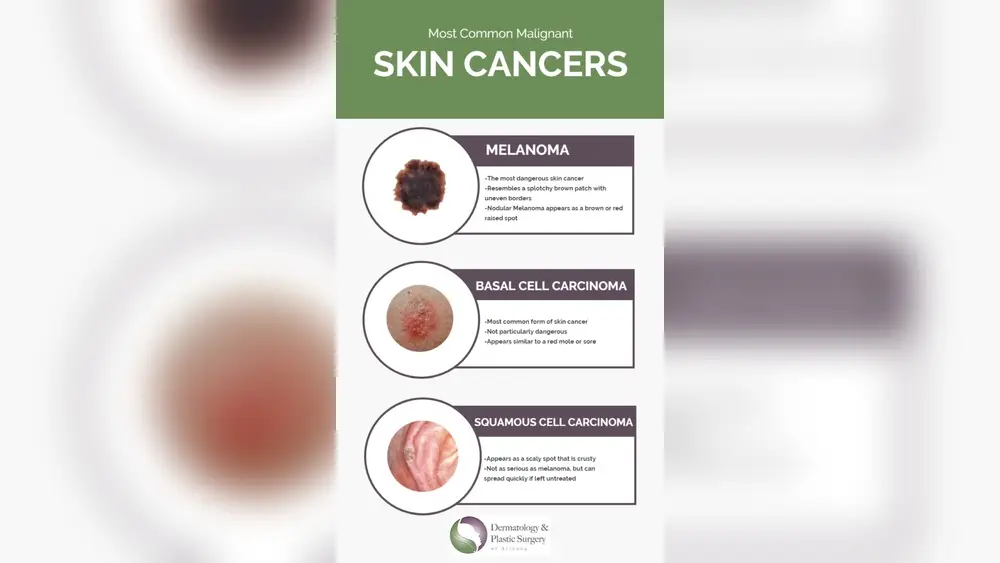
When you notice a new spot or bump on your skin, you may wonder if it’s something serious. For many people, one big question comes up: Does skin cancer itch? The answer is not simple, because skin cancer can show in different ways. Some people feel itching, while others don’t. Understanding these signs can help you notice problems early, so you get care before things get worse. This article will guide you through everything you need to know about itching and skin cancer, using clear language and practical advice. You’ll learn about the types of skin cancer, how itching fits in, what other symptoms to watch for, and what to do if you’re concerned.
What Is Skin Cancer?
Skin cancer is when cells in your skin grow in an abnormal way. These cells can form lumps, spots, or sores that don’t heal. It is the most common type of cancer in the world. There are three main types:
- Basal cell carcinoma (BCC)
- Squamous cell carcinoma (SCC)
- Melanoma
Each type has unique features, but all can be dangerous if not treated. Skin cancer usually starts in areas that get a lot of sun, like the face, neck, arms, and hands. However, it can appear anywhere.
Skin Cancer Statistics
- Over 5 million cases of skin cancer are diagnosed each year in the United States.
- Melanoma causes about 7,000 deaths each year in the US.
- The risk increases with age, but young people can get it too.
Recognizing symptoms early can save your life, so knowing what to look for is important.
Does Skin Cancer Itch?
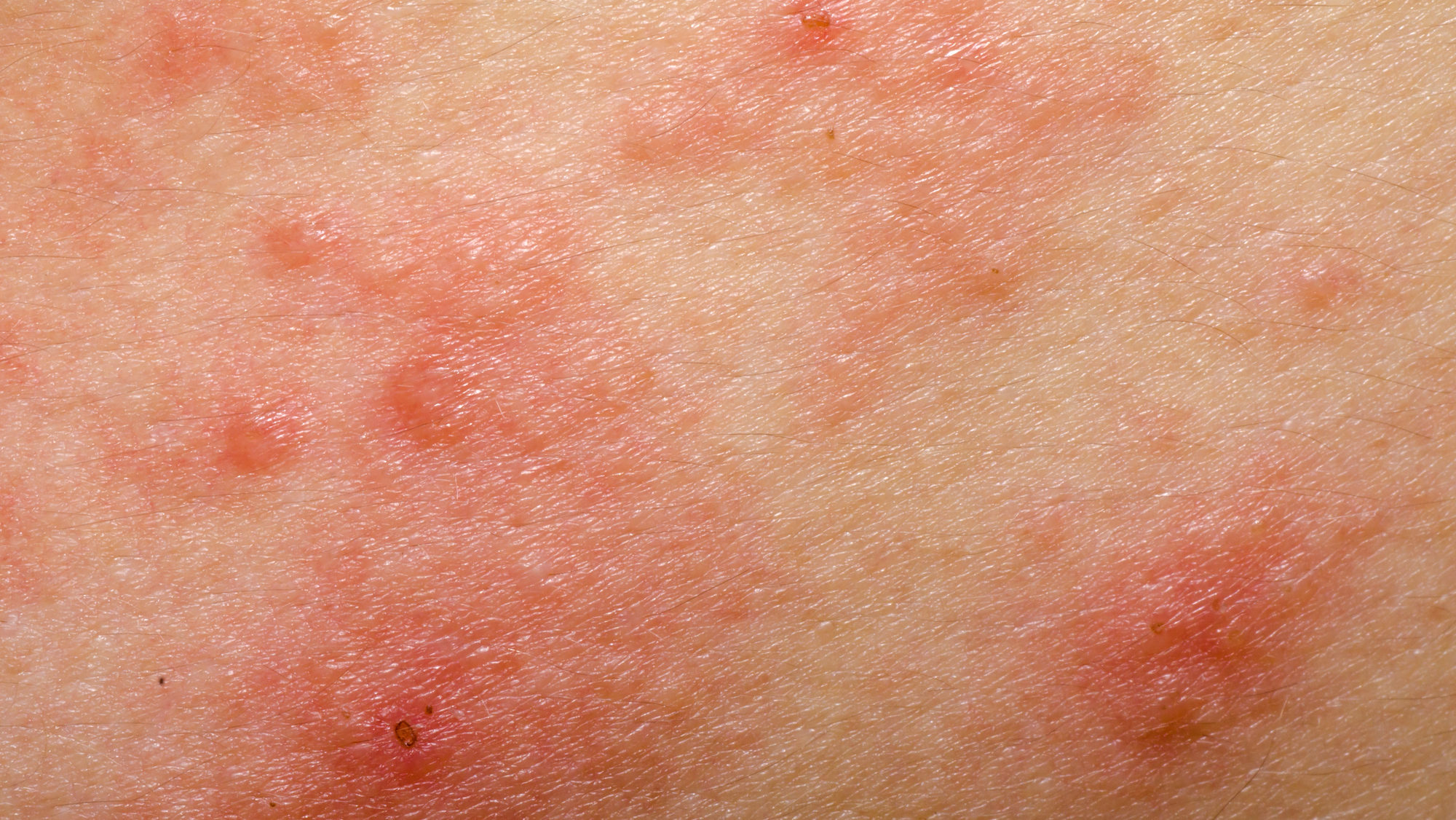
Many people ask if itching is a sign of skin cancer. The truth is, skin cancer can itch, but not always. Itching is just one possible symptom. Sometimes, a cancerous spot will itch, sting, or feel sensitive. Other times, it might not feel any different.
Why Skin Cancer Might Itch
There are a few reasons why skin cancer can cause itching:
- Inflammation: Cancer cells can cause your body to react, making the skin inflamed. This can lead to itching.
- Growth: As the cancer grows, it may irritate nerves in your skin, causing an itchy feeling.
- Ulceration: Some cancers break open, creating sores that itch as they heal.
But remember, itching alone is not proof of skin cancer. Many harmless conditions, like eczema or dry skin, can also cause itching.
Studies About Itching And Skin Cancer
Research has found that about one-third of skin cancers have itching as a symptom. A study in the Journal of the American Academy of Dermatology showed:
- Pruritus (itching) was present in 36% of skin cancer cases.
- Itching was more common with squamous cell carcinoma and basal cell carcinoma than with melanoma.
This means itching can be a clue, but it’s not always present.
How Skin Cancer Feels: Itching And Other Sensations
Itching is just one way skin cancer can feel. People also notice:
- Pain
- Burning
- Tingling
- Tenderness
Here is a comparison of common skin sensations in different skin cancers:
| Type of Skin Cancer | Itching (%) | Pain (%) | Other Sensations |
|---|---|---|---|
| Basal cell carcinoma | 42 | 39 | Stinging, burning |
| Squamous cell carcinoma | 38 | 41 | Tenderness |
| Melanoma | 14 | 19 | Tingling |
As you can see, itching is common in BCC and SCC, but less common in melanoma.
What Does Skin Cancer Look Like?
Skin cancer can appear in many ways. It may look like:
- A new spot that is different from others
- A sore that doesn’t heal
- A bump that is shiny or pearly
- A patch that is red, scaly, or crusty
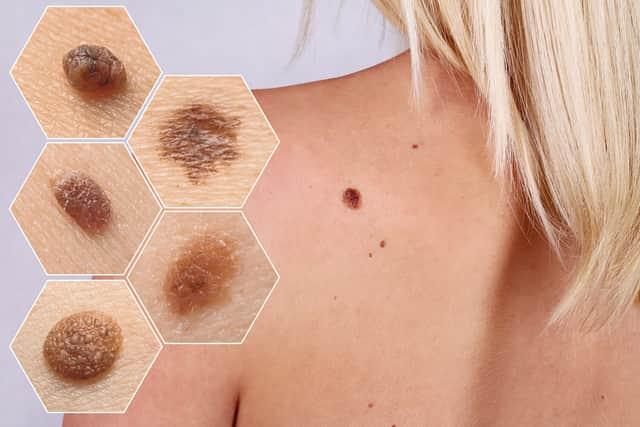
- A dark mole that changes shape or color
It’s easy to confuse skin cancer with harmless conditions. Here is a table comparing skin cancer signs with signs of other skin problems:
| Skin Cancer Sign | Common Skin Problem | Key Difference |
|---|---|---|
| Sore that won’t heal | Bug bite, scratch | Does not improve with time |
| New, irregular mole | Freckle | Uneven color, shape |
| Red, scaly patch | Eczema | Bleeds or grows |
| Shiny bump | Pimple | No pus, keeps growing |
If you notice any spot that stands out or changes, see a doctor.
Skin Cancer Types And Their Symptoms
Understanding the three main types of skin cancer can help you spot problems early.
Basal Cell Carcinoma (bcc)
BCC is the most common form. It often appears as:
- A shiny or pearly bump
- A sore that bleeds or crusts over
- A pink growth with a raised edge
Itching is common in BCC. Many people report the spot feels itchy or sensitive. BCC grows slowly and rarely spreads, but can damage skin if not treated.
Squamous Cell Carcinoma (scc)
SCC is the second most common type. It usually looks like:
- A red, scaly patch
- A sore that doesn’t heal
- A firm, red bump
Itching and pain are frequent in SCC. The spot may feel sore, tender, or itchy. SCC can grow fast and spread if not caught early.
Melanoma
Melanoma is the most dangerous type. It often shows as:
- A dark mole that changes color or shape
- A spot with uneven edges
- A new spot in an area that didn’t have moles before
Melanoma rarely itches at first. As it grows, it may become itchy, sore, or tender. If you notice a mole changing, get it checked right away.
Other Symptoms To Watch For
Besides itching, skin cancer can cause other changes. Look for:
- Bleeding: Skin cancer may bleed for no reason.
- Crusting: The spot may form a crust or scab.
- Growth: The spot gets bigger over weeks or months.
- Color change: The spot becomes darker, lighter, or uneven.
- Shape change: The edges become irregular or spread out.
These signs can help you spot cancer early. But many harmless conditions cause similar changes, so a doctor’s exam is important.
Itching: Is It Always Skin Cancer?
Most itching is not caused by skin cancer. Common causes include:
- Dry skin
- Eczema
- Psoriasis
- Allergies
- Bug bites
Here are some differences between cancer-related itching and normal itching:
- Cancer itching lasts longer: It doesn’t go away with cream or lotion.
- Spot changes: The itchy area changes in size, color, or shape.
- Other symptoms: Bleeding, crusting, or pain may happen.
If your itching is only in one spot and you see changes, don’t ignore it.
When Should You See A Doctor?
You should see a doctor if:
- An itchy spot won’t go away after two weeks
- The spot is changing in size, color, or shape
- There is bleeding or crusting
- You have a sore that won’t heal
A dermatologist can check your skin with special tools. Sometimes, they take a small sample (biopsy) to test for cancer.
Waiting too long can make the cancer harder to treat. Early care is best.
How Skin Cancer Is Diagnosed
Doctors use different methods to find skin cancer:
- Visual exam: Looking at the skin with special lights.
- Dermatoscope: A tool that lets doctors see deep into the skin.
- Biopsy: Taking a small piece to test in a lab.
Diagnosis is quick and usually painless. If you’re worried, ask your doctor to check.
Treatments For Skin Cancer
Treatment depends on the type and stage. Common treatments include:
- Surgery: Removing the cancer spot.
- Cryotherapy: Freezing the spot.
- Radiation: Using energy to kill cancer cells.
- Topical creams: For small cancers.
Early treatment is easier and safer. Waiting can mean bigger surgery or more intense treatment.
Skin Cancer Vs. Other Skin Conditions
Itching is common in many skin problems. Here is a comparison of cancer and non-cancer causes:
| Condition | Itching | Appearance | Duration |
|---|---|---|---|
| Skin cancer | Sometimes | New, changing spot | Weeks/months |
| Eczema | Often | Red, scaly patches | Days/weeks |
| Psoriasis | Often | Silver, thick scales | Long-term |
| Bug bite | Almost always | Small, red bump | Few days |
| Dry skin | Sometimes | No spot, just dry | Varies |
If you’re not sure, a doctor can help.
Non-obvious Insights About Skin Cancer Itching
Many people miss these important facts:
- Location matters: Skin cancer is more likely to itch in areas exposed to sun, like the face and hands. Hidden areas rarely itch unless the cancer spreads.
- Itching can come and go: Sometimes, the spot itches for a few days, then stops. This makes people ignore it, but cancer can still be present.
- Itching may start after other symptoms: Sometimes, a spot changes for months and only begins to itch later. Don’t wait for itching to start before seeing a doctor.
- Cancer itching is rarely widespread: If your whole body itches, it’s probably not skin cancer. Cancer itching usually stays in one place.
These details help you know what to watch for and when to act.
Credit: www.gentlecure.com
What Causes Itching In Skin Cancer?
Itching happens because of several factors:
- Inflammation: Your body tries to fight the abnormal cells, causing swelling and itching.
- Nerve irritation: Cancer growth can press on nerves.
- Ulceration: Damaged skin may itch as it tries to heal.
- Chemical signals: Cancer cells release chemicals that trigger itching.
Not all skin cancers release these chemicals. That’s why some spots itch, and others don’t.
Practical Tips For Checking Your Skin
Checking your skin regularly can help you spot changes early:
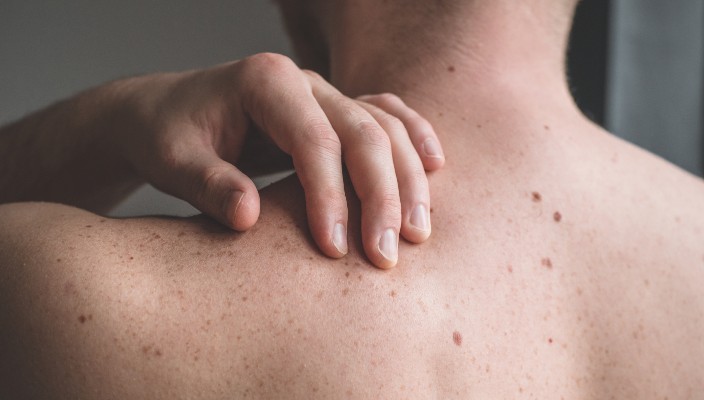
- Use a mirror: Check your back, neck, and legs.
- Look for new spots: Anything that wasn’t there before.
- Notice changes: Color, shape, size, texture.
- Feel for itching: Pay attention to spots that itch for weeks.
- Photograph spots: Take pictures to track changes over time.
If you see something strange, make an appointment with a dermatologist.
Credit: mobileskinsolutions.com
What To Do If You Have Itching
If you have itching in one spot that doesn’t go away:
- Try moisturizing cream for dry skin.
- Avoid scratching, as it can make things worse.
- Watch for other symptoms like bleeding or crusting.
- If itching lasts more than two weeks, see a doctor.
Don’t use home remedies for spots that keep changing. Professional care is safer.
Skin Cancer Prevention
You can lower your risk by:
- Using sunscreen every day
- Wearing hats and clothing to cover skin
- Avoiding sun from 10 a.m. to 4 p.m.
- Not using tanning beds
- Checking your skin monthly
People with fair skin, lots of moles, or a family history are at higher risk.
Credit: www.pinnacleskin.com
Common Myths About Skin Cancer Itching
Some myths can confuse people:
- All skin cancer itches: Not true. Many spots don’t itch at all.
- If it’s itchy, it’s not cancer: Wrong. Cancer can itch, especially BCC and SCC.
- Only moles turn cancerous: False. Any skin spot can become cancer.
- Skin cancer always looks ugly: No. Early cancers may look like harmless spots.
Don’t trust myths. If in doubt, get checked.
Real-life Examples
Here are some stories to help you understand:
- Maria’s story: She noticed a small, itchy patch on her cheek. It looked like eczema but didn’t go away. Her dermatologist found basal cell carcinoma. Early treatment meant a simple surgery.
- John’s story: John had a mole on his arm that started itching. He ignored it for months. By the time he saw a doctor, it was melanoma. He needed more advanced treatment, but survived because he acted.
- Priya’s story: Priya’s spot was not itchy, but it grew quickly. She saw a doctor after noticing bleeding. It was squamous cell carcinoma. Quick care meant no scarring.
These examples show why noticing changes is more important than just itching.
Advice For People Worried About Skin Cancer
If you’re worried about an itchy spot:
- Don’t panic. Many itchy spots are harmless.
- Watch for changes: Size, color, shape, bleeding.
- Avoid scratching. It makes diagnosis harder.
- Make an appointment with a dermatologist.
- Keep a record of symptoms.
Early care is better than waiting.
How Doctors Decide If Itching Is Skin Cancer
Doctors look for:
- History: How long has the spot been itchy? Has it changed?
- Appearance: Is the spot different from others?
- Location: Is it in a sun-exposed area?
- Other symptoms: Bleeding, crusting, pain.
If the spot seems suspicious, they may do a biopsy. This test is simple and gives clear answers.
The Role Of Itching In Early Detection
Itching can help you notice a spot early. Many people ignore itching, but it’s a warning sign if combined with changes. Regular skin checks and attention to symptoms can help you get care sooner.
When Itching Means Urgent Care
Seek urgent care if:
- The itchy spot is growing fast
- There is sudden bleeding
- You feel pain or tenderness
- You see dark or uneven colors
Don’t wait for the spot to heal. Fast action can save your health.
Skin Cancer In Different Groups
Some groups are at higher risk:
- Older adults: Skin cancer is more common after age 50.
- Fair-skinned people: Less pigment means higher risk.
- People with many moles: More moles, higher risk.
- Family history: If a parent or sibling had skin cancer, your risk is higher.
Itching may be more common in older adults due to thinner skin.
How To Reduce Anxiety About Itching
Many people worry about every itchy spot. Here’s how to stay calm:
- Remember, most itching is not cancer.
- Use moisturizer and sunscreen daily.
- Check your skin monthly, not daily.
- Trust your doctor for answers.
If anxiety continues, talk to a counselor or support group.
Supporting Someone With Skin Cancer
If someone you know has skin cancer:
- Be supportive, not judgmental.
- Encourage regular skin checks.
- Remind them to see their doctor for changes.
- Help them track symptoms.
Early care makes a big difference.
Resources For More Information
If you want more information, visit the American Cancer Society. They offer guides, statistics, and help for patients and families.
Frequently Asked Questions
Does Skin Cancer Always Itch?
No, skin cancer does not always itch. Many spots do not itch at all. Itching is common in basal cell and squamous cell carcinoma, but less so in melanoma.
What Should I Do If A Mole Starts Itching?
If a mole starts itching, check for other changes like shape, color, or size. If itching lasts more than two weeks or the mole changes, see a dermatologist.
Are Itchy Spots Always Cancer?
No, most itchy spots are not cancer. Common causes include dry skin, eczema, bug bites, and allergies. Cancer usually causes itching that does not go away and is combined with other changes.
Can Skin Cancer Itch Come And Go?
Yes, skin cancer itching can come and go. Sometimes, the spot itches for a few days, then stops. This doesn’t mean the cancer is gone. Watch for other signs and see a doctor if you’re worried.
How Is Skin Cancer Diagnosed?
Doctors diagnose skin cancer with a visual exam, dermatoscope, and biopsy. The biopsy is a simple procedure where a small sample is taken and tested in a lab.
Noticing itching can help you spot skin cancer early, but it’s just one symptom. Watch for changes, and trust your doctor for care. Early action can save your health and your life.