
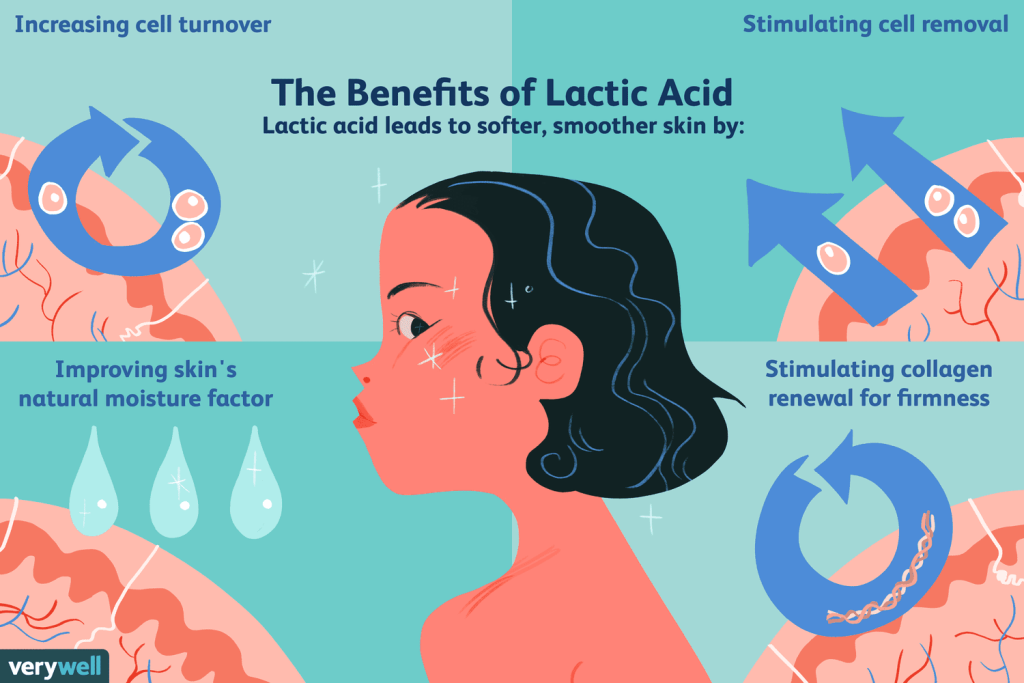
Imagine a skincare ingredient that could transform your skin, leaving it smoother, brighter, and more youthful. Lactic acid is that miracle worker, and it’s gaining popularity for all the right reasons.
As you delve into this article, you’ll discover how lactic acid can revolutionize your skincare routine. It promises gentle yet effective exfoliation, hydration, and a radiant complexion. If you’re ready to unlock the secrets to flawless skin, keep reading. You’ll learn how lactic acid can address your unique skin concerns and why it’s a must-have in your skincare arsenal.
Prepare to embrace a glowing you!
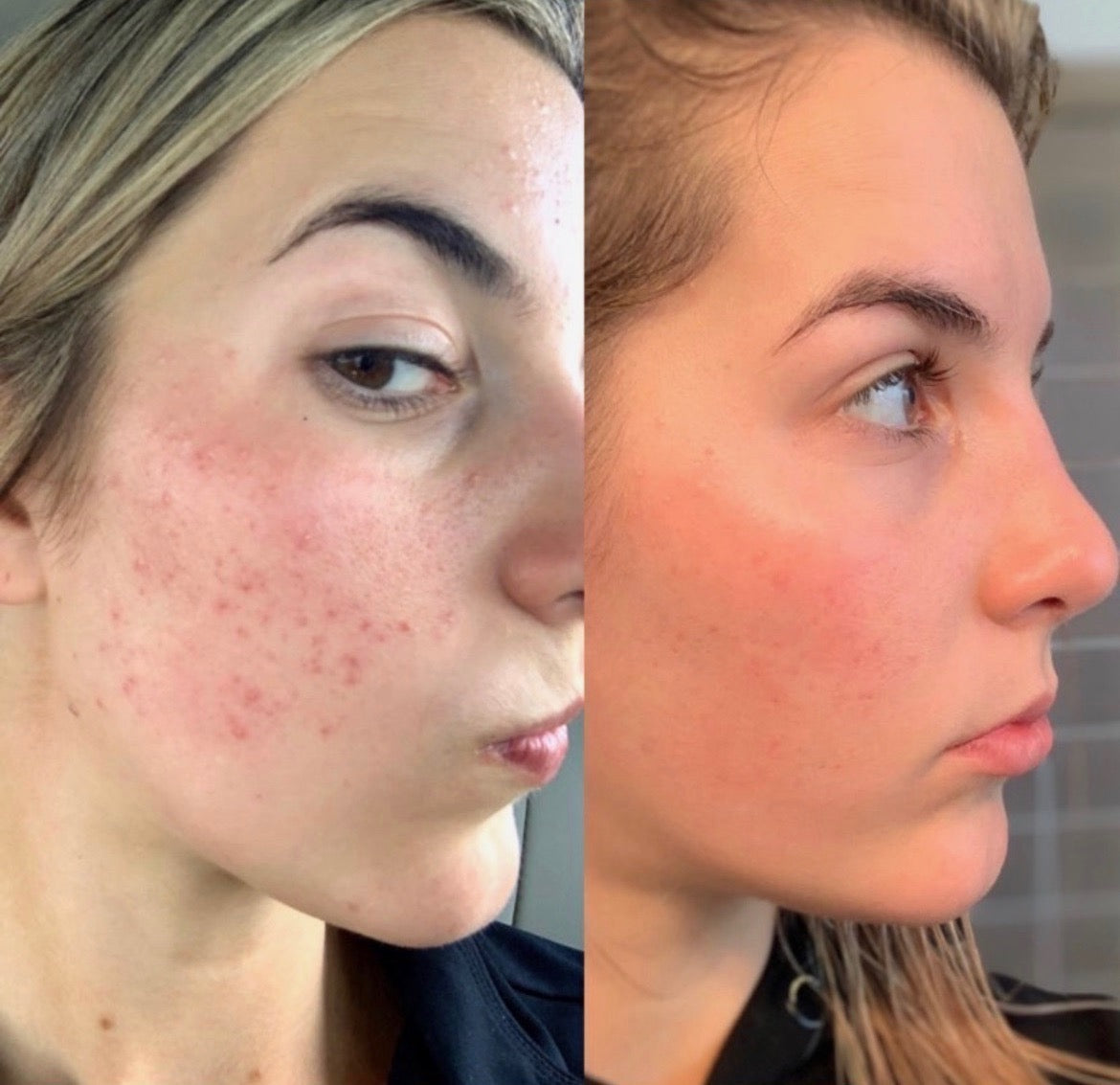
Credit: www.januarylabs.com
Benefits Of Lactic Acid
Lactic acid offers a range of skin benefits that are hard to ignore. This gentle alpha hydroxy acid (AHA) is derived from milk and fruit sugars. It is a favorite in skincare for good reasons. Let’s dive into the various benefits of lactic acid for your skin.
Hydration Boost
Lactic acid boosts skin hydration. It draws moisture into the skin, keeping it plump and soft. This makes it ideal for those with dry skin. Regular use can help maintain a healthy moisture balance. Say goodbye to flaky, dry patches.
Exfoliation Power
Lactic acid is an excellent exfoliant. It gently removes dead skin cells, revealing fresher skin underneath. This process helps unclog pores and prevent breakouts. Regular exfoliation also makes your skin feel smoother.
Skin Brightening Effects
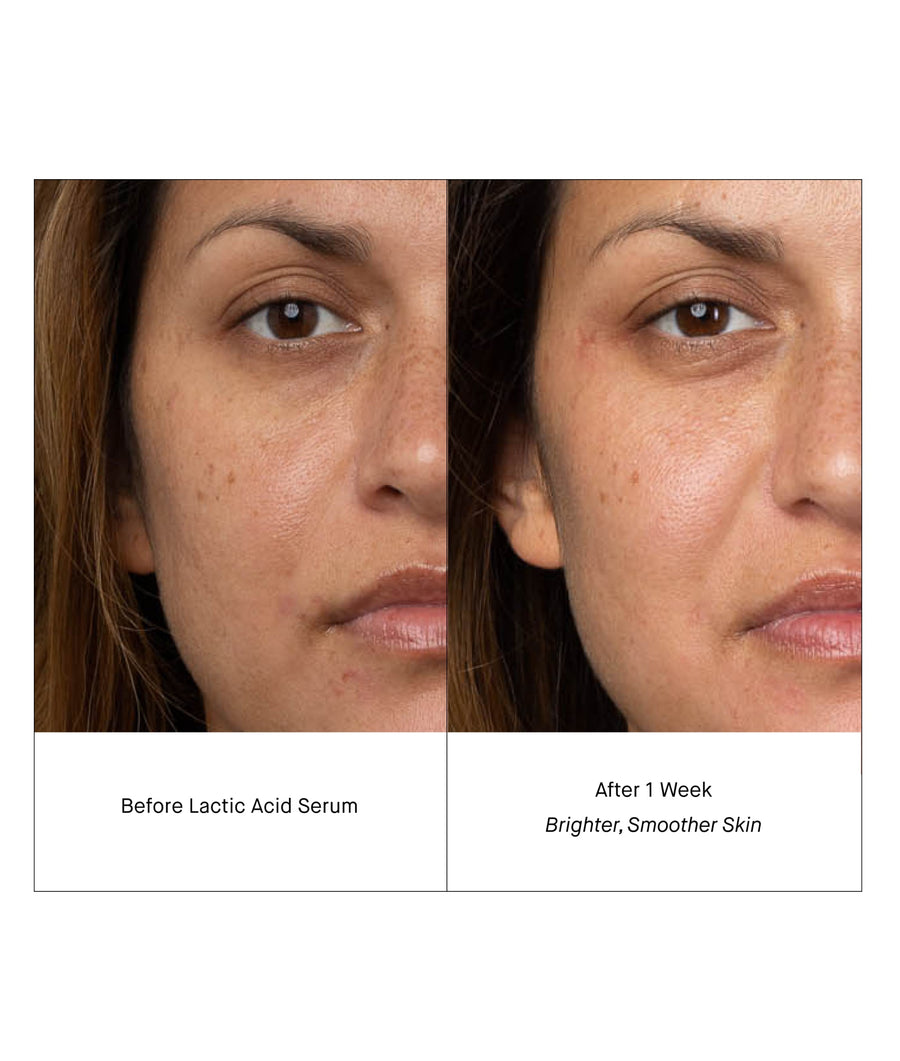
Lactic acid helps in brightening the skin. It reduces dark spots and hyperpigmentation over time. This leads to a more even skin tone. You get a natural glow that looks healthy and vibrant.
Anti-aging Properties
Lactic acid has anti-aging benefits as well. It helps in reducing fine lines and wrinkles. By promoting skin cell turnover, it keeps the skin looking youthful. Your skin feels firmer and appears more elastic.
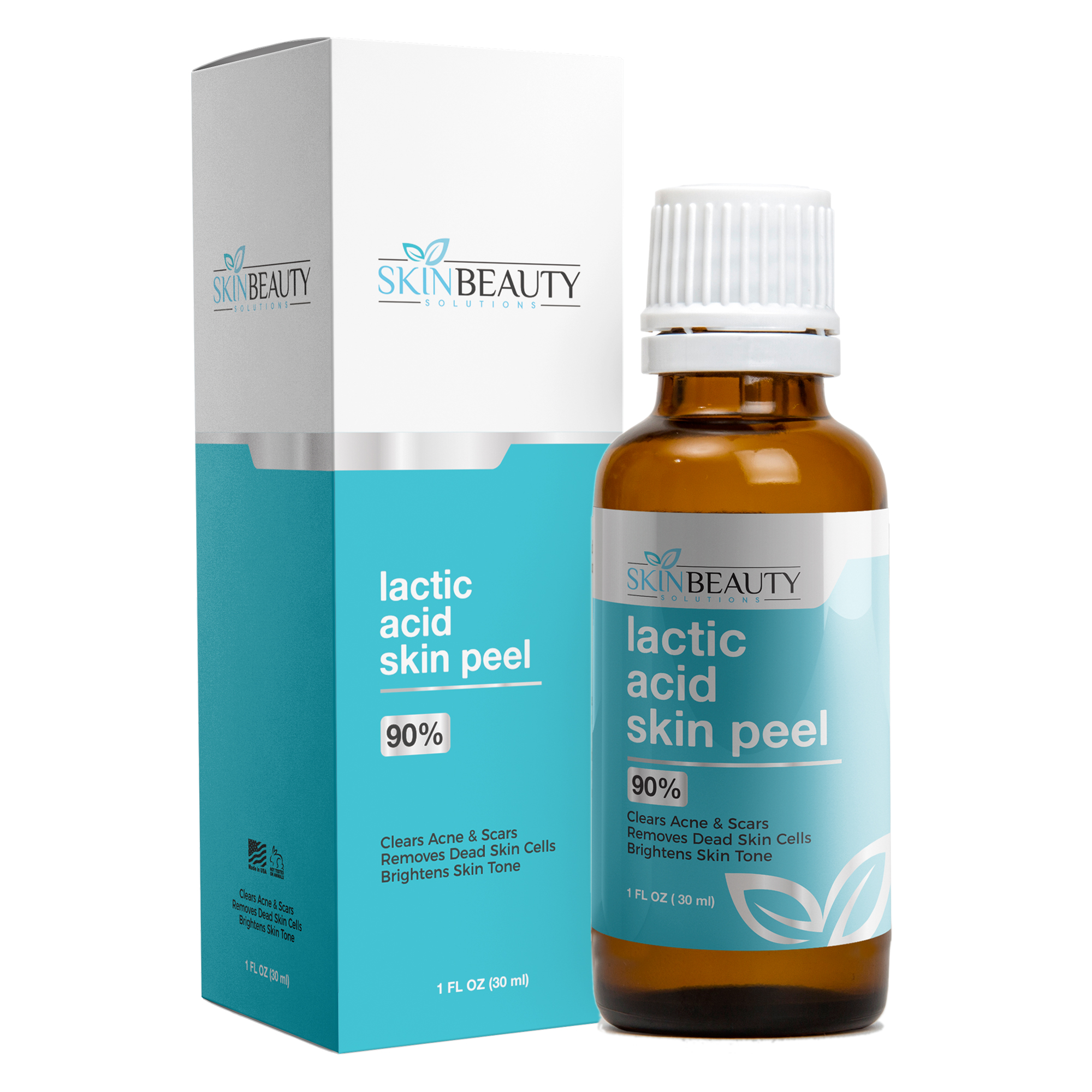
Credit: www.skinbeautysolutions.com
How Lactic Acid Works
Lactic acid is a popular ingredient in skincare. It helps renew and brighten skin. Understanding its function is key to using it effectively. This section explores how lactic acid works.
Chemical Exfoliation Process
Lactic acid exfoliates the skin gently. It breaks down bonds between dead cells. This process removes dull skin layers. Fresh skin appears underneath. It smooths and enhances texture. Your skin feels softer after use.
Role In Skin Renewal
Skin naturally renews itself. Lactic acid speeds this renewal. It promotes cell turnover. New cells replace the old ones faster. This reduces fine lines and wrinkles. It also fades discoloration over time. Skin looks fresher and more vibrant.
Interaction With Other Ingredients
Lactic acid works well with other ingredients. It pairs nicely with hyaluronic acid. Together, they hydrate and smooth the skin. Vitamin C boosts brightening effects. Niacinamide calms any irritation. Choose products that combine these for best results.
Choosing The Right Concentration
Choosing the right concentration of lactic acid is crucial for skin care. Different concentrations serve different purposes and effects. Understanding the nuances of each can help you achieve the desired results.
Low Vs. High Strength
Low strength lactic acid products are gentle. They are suitable for sensitive skin. These products help with mild exfoliation. High strength options provide deeper exfoliation. They target stubborn skin issues. Choose based on your skin’s tolerance and needs.
Factors To Consider
Consider your skin type first. Sensitive skin may require lower concentrations. Oily or acne-prone skin might benefit from higher strengths. Your skin’s current condition is also important. Existing irritation or dryness may worsen with high concentrations.
Frequency Of Use
Frequency of use depends on the concentration. Low strength can be used more often. High strength should be used sparingly. Start with once or twice a week. Gradually increase as your skin adjusts. Monitor your skin’s reaction and adjust accordingly.
Credit: www.shanidarden.com
Application Tips
Lactic acid is a popular skincare ingredient. It helps improve skin texture and tone. Applying it correctly can maximize its benefits. Here are some application tips to make the most of lactic acid. Following these tips ensures your skin stays healthy and radiant.
Patch Testing Importance
Patch testing is crucial before using lactic acid. This helps detect potential allergic reactions. Apply a small amount on your forearm. Wait 24 hours to check for irritation. If no reaction occurs, it is safe to use on your face. Always prioritize safety in skincare routines.
Best Time To Apply
The ideal time for applying lactic acid is at night. Skin repairs itself while you sleep. Nighttime application avoids sun sensitivity. Cleanse your face before applying. This ensures better absorption and effectiveness. Your skin will feel rejuvenated by morning.
Layering With Other Products
Layering lactic acid with other products requires care. Start with lactic acid after cleansing. Follow with a moisturizer for hydration. Avoid combining with retinol or vitamin C. These can increase irritation. Always read product instructions for compatibility. This ensures your skin stays healthy and balanced.
Potential Side Effects
Lactic acid for skin can cause mild irritation, redness, or peeling. Sensitive skin types might experience more noticeable discomfort. It’s important to patch test before use.
Lactic acid is popular for exfoliating and brightening skin. While beneficial, it can cause some side effects. Understanding these effects can help avoid discomfort and ensure a positive experience.Common Reactions
Lactic acid may cause minor irritation. Redness and dryness are typical. Mild peeling can also occur. These reactions are often temporary. They usually subside with continued use. Some people may experience itching. This is due to increased cell turnover. Flaking skin might appear too. These signs often indicate that the acid is working.Managing Sensitivity
Using lactic acid requires care. Start with a lower concentration. Gradually increase as your skin adapts. Always moisturize after application. This helps soothe irritation. Apply sunscreen daily. Lactic acid can increase sun sensitivity. Monitor your skin closely. Adjust usage if discomfort persists.When To Seek Professional Advice
Consult a dermatologist if reactions worsen. Prolonged redness is a concern. Severe itching needs attention. Swelling or blistering should not occur. These signs require expert help. Professional guidance ensures safe use. It prevents further complications. Always prioritize skin health.Lactic Acid In Skincare Products
Lactic acid is a popular ingredient in skincare. It exfoliates and hydrates the skin. Many skincare products include lactic acid for its beneficial properties. This section explores various skincare products containing lactic acid.
Popular Product Types
Lactic acid is found in different product types. Cleansers use lactic acid to gently exfoliate. Serums deliver a concentrated dose to refine skin texture. Moisturizers hydrate and soften skin while providing mild exfoliation.
Facial masks often include lactic acid for a deep cleanse. These masks refresh and brighten skin. Choose a product type that suits your skin needs.
Reading Labels Effectively
Understanding product labels is crucial. Check the concentration of lactic acid. A higher concentration offers stronger exfoliation. Look for other ingredients that complement lactic acid. Ingredients like hyaluronic acid enhance hydration.
Ensure the product suits your skin type. Sensitive skin may need a lower concentration. Always perform a patch test before regular use.
Diy Vs. Commercial Options
DIY skincare offers customization. You control the ingredients and concentration. However, commercial products provide consistency and safety. They are tested for effectiveness and stability.
DIY options might lack preservatives, affecting shelf life. Commercial products often have proven benefits. Choose based on your preference and skin needs.
Lactic Acid For Different Skin Types
Lactic acid is popular in skincare for its gentle exfoliating properties. It suits different skin types, offering unique benefits for each. Understanding how lactic acid interacts with your skin type can help optimize its use. Let’s explore how this versatile ingredient caters to various skin needs.
Oily Skin Benefits
Lactic acid helps reduce excess oil on the skin. It gently exfoliates, unclogging pores and preventing breakouts. Regular use can lead to smoother, more balanced skin. It also minimizes the appearance of large pores. This makes it a favorite among those with oily skin.
Dry Skin Considerations
Dry skin can benefit from lactic acid’s hydrating properties. It exfoliates while locking in moisture, providing dual action. This makes the skin feel soft and supple. Start with a low concentration to avoid irritation. A patch test is recommended for first-time users.
Sensitive Skin Precautions
Sensitive skin requires careful introduction to lactic acid. Choose products with lower concentrations to minimize irritation. Perform a patch test before full application. Observe your skin’s reaction over a few days. Always follow with a soothing moisturizer to maintain balance.
Frequently Asked Questions
What Is Lactic Acid For Skin?
Lactic acid is an alpha hydroxy acid used in skincare. It exfoliates the skin, removing dead cells and promoting cell turnover. This helps improve texture, reduce signs of aging, and enhance radiance. It’s suitable for sensitive skin and provides hydration, making it a popular choice for smoother, brighter skin.
How Does Lactic Acid Benefit Skin?
Lactic acid benefits skin by exfoliating and hydrating. It removes dead skin cells, revealing fresher skin beneath. This improves texture and reduces fine lines. It also helps maintain moisture levels, enhancing skin’s radiance and softness. Its gentle nature makes it suitable for sensitive skin types.
Is Lactic Acid Safe For All Skin Types?
Lactic acid is generally safe for most skin types, including sensitive skin. Its gentle exfoliating properties minimize irritation compared to other acids. However, it’s crucial to patch test before use. Start with lower concentrations and gradually increase. Consult a dermatologist if you experience irritation or have specific skin concerns.
How Often Should Lactic Acid Be Used?
Lactic acid can be used 1-3 times a week. Frequency depends on your skin’s sensitivity and product concentration. Start with once a week and monitor your skin’s reaction. Gradually increase usage as your skin builds tolerance. Always follow product instructions and avoid over-exfoliating to prevent irritation.
Conclusion
Lactic acid offers gentle care for your skin. It helps exfoliate and renew. You can enjoy smoother, brighter skin with regular use. Lactic acid suits many skin types, even sensitive ones. Always start with a patch test. This ensures your skin reacts well.
Adding lactic acid to your routine can enhance your skincare results. Balance it with moisturizing products for best effects. Remember, consistency is key. Over time, lactic acid can transform your skincare journey. So, explore its benefits and discover healthier skin.
A small change, a big difference.