

Is Soft Water Better For Your Skin
When you wash your face or take a shower, you might not think much about the water itself. Most people focus on their cleanser, soap, or moisturizer. But the type of water—soft water or hard water—could be quietly affecting your skin more than you realize. Many people notice their skin feels smoother after a shower in some places, while in other areas, they struggle with dryness or irritation. The difference often comes down to the water’s mineral content.
This article looks deep into the science and experience behind soft water and its relationship with skin health. We’ll explore how water types are different, what happens to your skin in each, and whether making a switch can truly improve your skin’s condition. You’ll also find answers to common questions and practical advice for choosing the best water for your home and your body.
What Is Soft Water?
Soft water is water that contains low concentrations of minerals—mainly calcium and magnesium. These minerals are what make water “hard.” In soft water, these ions are either naturally low or have been removed by a water softening process. Most municipal water supplies are a mix of soft and hard, depending on the local geology and treatment plants.
How Is Water Softened?
Water is softened using a process called ion exchange. In most home systems, hard water passes through a tank filled with resin beads. These beads attract and hold onto calcium and magnesium, swapping them with sodium or potassium ions. The result is water that feels “softer” and doesn’t leave mineral residue.
How Can You Tell If You Have Soft Water?
Some signs you have soft water:
- Soap lathers and rinses off easily
- No white chalky buildup on faucets or showerheads
- Glassware comes out of the dishwasher sparkling clean
- Skin and hair feel smooth after washing
If you’re unsure, you can ask your water supplier or use a simple test kit to measure water hardness at home.
The Science: Soft Water Vs. Hard Water
Hard water contains high levels of calcium and magnesium ions. These minerals can react with soap to form a residue called soap scum, which often sticks to skin, hair, and household surfaces.
Soft water, on the other hand, lacks these minerals. Soap works better, rinses off more completely, and doesn’t leave mineral traces.
Comparing Mineral Content
Here’s a look at the typical mineral content in soft and hard water:
| Type of Water | Calcium (mg/L) | Magnesium (mg/L) | Total Hardness (mg/L as CaCO3) |
|---|---|---|---|
| Soft Water | 0–17 | 0–7 | 0–60 |
| Moderately Hard Water | 17–60 | 7–25 | 61–120 |
| Hard Water | 61–120 | 26–50 | 121–180 |
| Very Hard Water | >120 | >50 | >180 |
How Does Soft Water Affect Your Skin?
The biggest difference between soft and hard water is how they interact with your skin. Here’s what happens when you wash with each type:
Soft Water And Skin
Soft water allows soap to lather easily and rinse away completely. This means:
- Less residue remains on your skin
- Your natural oils are less likely to be stripped away
- Skin feels smoother and less tight after washing
People with sensitive or dry skin often notice less irritation when using soft water.
Hard Water And Skin
Hard water can cause several problems:
- Soap doesn’t lather well, so you use more
- Soap and minerals leave a film on your skin
- This film can clog pores and worsen acne or eczema
- Skin may feel dry, itchy, or rough after washing
Hard water can also make it harder for moisturizers to work because the mineral film blocks absorption.
Benefits Of Soft Water For Skin
Many people and dermatologists believe that soft water is better for your skin. Here’s why:
1. Gentler Cleansing
Soft water allows soaps and cleansers to work effectively without needing extra scrubbing. This means less friction and irritation on your skin.
2. Reduced Dryness And Irritation
Because soft water rinses away easily, it leaves less residue. This helps maintain your skin’s natural moisture barrier and reduces dryness.
3. Better For Sensitive Skin
People with conditions like eczema, psoriasis, or acne often report fewer flare-ups when switching to soft water. Soft water doesn’t add extra irritants or block pores.
4. Improved Effectiveness Of Skin Products
With no mineral film left behind, your skin can absorb moisturizers and treatments more efficiently.
5. Smoother, Softer Feel
Most users notice their skin feels softer after washing in soft water. Even shaving can become less irritating.
Case Example
In a 2017 study published in the Journal of Investigative Dermatology, children with eczema living in hard water areas were 54% more likely to have severe flare-ups compared to those with soft water. While not all skin issues are caused by water, the connection is significant.
Potential Downsides Of Soft Water For Skin
While soft water offers many benefits, there are a few things to be aware of:
Soap Can Feel “slippery”
Some people find that after washing, their skin feels slippery or like soap hasn’t rinsed off. This is because soft water doesn’t leave sticky mineral residue, but it can take longer to wash away all the soap. The key is to use less soap and rinse well.
Sodium Content
If you use a salt-based water softener, the sodium content in your water will be a bit higher. For most people, this isn’t a problem, but if you’re on a very low-sodium diet or have certain health conditions, you may want to check sodium levels.
For skin, this increase is usually too small to matter.
Cost And Maintenance
Installing and maintaining a water softener requires an upfront investment and regular salt refills. For renters or people who move often, this may not be practical.
Common Myths About Soft Water And Skin
Many ideas about soft water are based on misunderstanding or marketing. Let’s clear up some common myths:
- Myth 1: Soft water causes acne.
There’s no proof that soft water itself causes acne. In fact, soft water is less likely to clog pores than hard water.
- Myth 2: Soft water makes your skin greasy.
Soft water doesn’t add oil to your skin. The “greasy” feeling is just your skin’s natural oils, which aren’t stripped away as harshly.
- Myth 3: You need harsh soap in soft water.
Actually, you can use milder, less drying cleansers because they work better in soft water.
Understanding these myths can help you make better decisions for your skin.
Soft Water And Skin Conditions
Eczema
People with eczema often notice their skin gets worse in hard water. Studies show that babies in hard water areas have a higher risk of developing eczema. Soft water doesn’t irritate as much and helps keep moisture in the skin.
Acne
Acne can be made worse by hard water, as mineral buildup and leftover soap clog pores. Soft water rinses cleaner, which may reduce breakouts.
Psoriasis
While psoriasis is mainly genetic, soft water can help by reducing overall irritation and dryness. Many people with psoriasis prefer soft water for comfort.
Sensitive Or Aging Skin
Older adults and those with sensitive skin often find soft water less irritating. Skin thins as we age, so avoiding harsh minerals and soap scum is important.
Soft Water Vs. Hard Water: User Experiences
Many people notice a big difference when they move from a hard water area to a soft water area, or vice versa. Here are some typical experiences:
- “My skin stopped itching all the time after we installed a softener.”
- “I need less moisturizer now. My hands aren’t dry and cracked.”
- “My face feels less tight after I wash it.”
However, a small number of users report that their skin feels “too soft” or slippery in soft water. This is usually just an adjustment period.
Impact Of Soft Water On Hair And Scalp
While this article focuses on skin, it’s worth mentioning that soft water also affects your hair and scalp. Many people find that their hair is:
- Less frizzy
- Easier to detangle
- More shiny
The scalp, being skin, also benefits from less dryness and irritation.
Soft Water And Children’s Skin
Children’s skin is thinner and more sensitive than adults’. Babies, in particular, are prone to rashes and eczema. Using soft water for bathing can help reduce irritation and support the skin’s natural barrier.
Pediatric dermatologists often recommend soft water, especially for children with eczema or frequent rashes.

Credit: newatersofteners.co.uk
How To Tell If Your Skin Problems Are Water-related
It’s not always obvious if your water is causing skin issues. Here are some clues to look for:
- Your skin feels tight, dry, or itchy after washing
- Soap doesn’t seem to rinse off completely
- You notice white or chalky buildup on faucets, shower doors, or dishes
- Your skin improves when you travel or after installing a softener
If you’re still unsure, try washing with bottled or distilled water for a few days and see if your skin feels different.
Choosing A Water Softener For Skin Health
If you decide to install a water softener, here are some tips:
1. Test Your Water
Get a water hardness test kit or ask your water supplier for a report. This tells you how hard your water is and whether softening is needed.
2. Choose The Right Softener
There are several types of water softeners:
- Salt-based (ion exchange): Most effective for skin
- Salt-free: Use a different process, less effective but no added sodium
- Magnetic or electronic: These don’t truly soften water but may reduce scale buildup
- Consider Maintenance
Salt-based systems need regular refilling and cleaning. Make sure you’re willing to keep up with maintenance.
4. Whole-house Vs. Showerhead Softeners
A whole-house system is best but more expensive. Showerhead models are cheaper and can make a big difference for your skin, though they may not soften water as much.
5. Check For Certification
Look for products certified by respected organizations (like NSF International) for safety and effectiveness.
Credit: www.water-right.com
Comparing Showering With Soft Water Vs. Hard Water
To make the differences more visual, here’s a comparison of what you might notice after showering in each type:
| Feature | Soft Water | Hard Water |
|---|---|---|
| Soap Lather | Rich, foamy, easy to rinse | Poor, sticky, hard to rinse |
| Skin Feel | Smooth, hydrated | Tight, dry, sometimes itchy |
| Residue on Skin | Minimal | Visible film |
| Moisturizer Effectiveness | Better absorption | Blocked by mineral film |
Tips For Maximizing Soft Water Benefits For Skin
If you have soft water, here’s how to get the best results for your skin:
- Use Less Soap: You don’t need as much in soft water. Start with half your usual amount.
- Choose Gentle Cleansers: Look for products labeled “fragrance-free” or “for sensitive skin.”
- Rinse Well: Even with soft water, make sure all soap is rinsed off.
- Moisturize Damp Skin: Apply lotion or cream right after bathing to lock in moisture.
- Avoid Overwashing: Too much washing can dry your skin, even in soft water.
When Soft Water May Not Be Enough
Sometimes, soft water alone won’t solve all skin problems. Other factors can include:
- Harsh soaps or skincare products
- Low humidity in your home
- Skin allergies or conditions like eczema, psoriasis, or dermatitis
If you’ve tried soft water and still have skin issues, consider changing your soap, using a humidifier, or seeing a dermatologist.
Practical Insights Beginners Often Miss
Many people new to water softening don’t realize:
- You need much less soap in soft water. Using too much can leave a slippery feeling.
- Transition may take time. Your skin (and hair) might need a few weeks to adjust, especially if you’re switching from very hard water.
- Soft water won’t cure all skin problems. It can help, but skin health depends on your overall routine, environment, and genetics.
The Environmental Angle
Some people worry about the environmental impact of salt-based softeners, which discharge brine into the water system. If this is a concern, look for alternative systems or ask your local utility about options. Some cities restrict salt-based systems, so check local rules before installing one.
What The Experts Say
Most dermatologists agree that soft water is gentler on skin, especially for people with dryness, sensitivity, or skin conditions. However, they also note that water quality is just one part of skin care.
A dermatologist from the American Academy of Dermatology explains, “Switching to soft water can make a noticeable difference for people with eczema or chronic dryness, but it won’t replace good skincare habits. ”
For more detailed scientific data, you can visit the National Institutes of Health.
Soft Water In Different Countries
Water hardness varies widely around the world. For example:
- The UK and parts of the US Midwest have very hard water.
- Much of Japan and Scandinavia have naturally soft water.
If you move to a new country or city, you may notice your skin feels different simply because of the change in water type.
Frequently Asked Questions
Is Soft Water Safe For Everyone?
Yes, soft water is safe for almost all people. The only exception is if you’re on a strict low-sodium diet and your softener uses salt. For washing and bathing, sodium levels are very low and not a concern for most.
Will Soft Water Make My Skin Oily?
No, soft water does not add oil to your skin. It simply cleans more gently, leaving your skin’s natural oils intact. If your skin feels slippery, use less soap.
Can Soft Water Cure Eczema Or Acne?
Soft water can help reduce irritation from hard water, but it is not a cure for eczema or acne. It can make your skincare routine more effective and reduce flare-ups, but other treatments may still be needed.
Is Bottled Water The Same As Soft Water?
Not necessarily. Many bottled waters are spring water, which can be hard or soft depending on the source. Only distilled or specially labeled soft water is guaranteed to be soft.
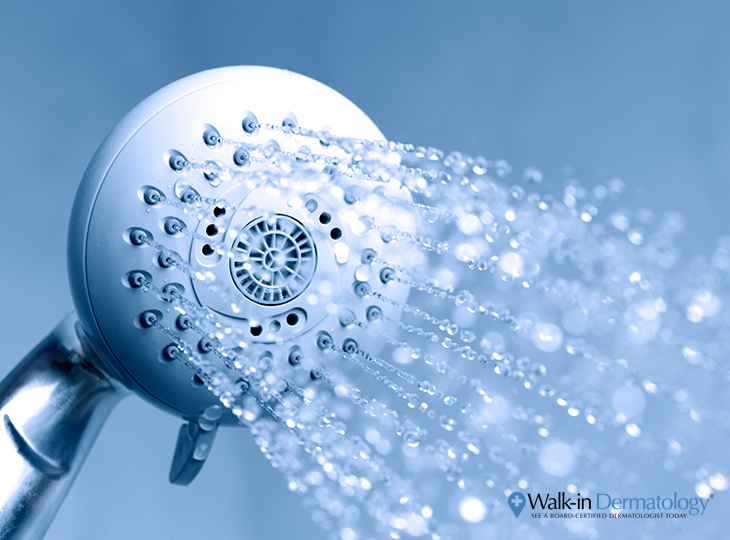
How Can I Make My Shower Water Softer Without A Full System?
You can buy a showerhead filter designed to reduce hardness. These are less effective than whole-house systems but still reduce some minerals. Choose a model with good reviews and check if it’s rated for your water hardness level.
Credit: walkindermatology.com
Final Thoughts
Soft water can make a real difference for your skin, especially if you struggle with dryness, irritation, or sensitive skin. By reducing mineral residue and helping cleansers work better, soft water supports your skin’s natural balance. However, it’s important to remember that water type is only one part of a healthy skin routine.
Use gentle products, moisturize regularly, and pay attention to your body’s needs.
If you’re thinking about switching to soft water, start with a simple test or a showerhead filter. Notice how your skin feels and adjust your routine as needed. For most people, the change brings smoother, more comfortable skin—and a little less frustration in the bathroom mirror.
For more in-depth scientific studies on water and skin, visit the National Institutes of Health.