
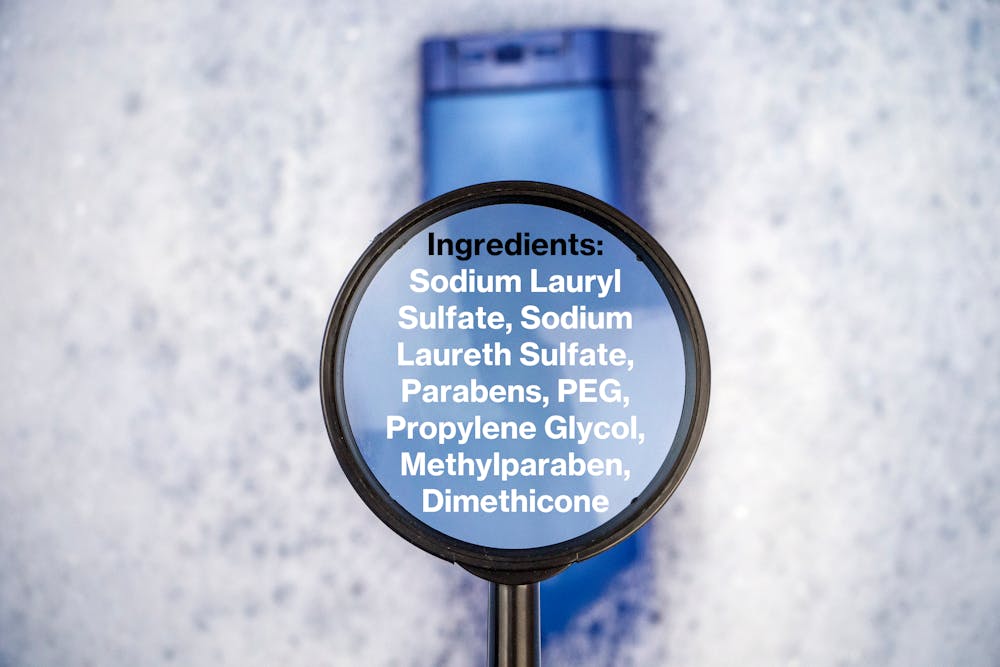
Have you ever picked up a bottle of shampoo or toothpaste and wondered about the ingredients listed on the back? One name that often catches the eye is Sodium Lauryl Sulfate, or SLS.
This common chemical is found in a wide range of products, from cleaning agents to cosmetics. But what exactly does it do, and why is it so prevalent in your daily essentials? Imagine being empowered with the knowledge of exactly what you’re putting on your skin, hair, or teeth.
Understanding SLS can help you make informed choices for yourself and your family. It’s not just about reading labels; it’s about knowing what you truly need and what to avoid. You will discover what Sodium Lauryl Sulfate is, why manufacturers love using it, and the possible effects it can have on your body. Are you ready to unveil the truth and become a more conscious consumer? Let’s dive in and unravel the mystery behind Sodium Lauryl Sulfate.
What Is Sodium Lauryl Sulfate?
Have you ever picked up a bottle of shampoo, read the ingredients, and wondered what Sodium Lauryl Sulfate (SLS) really is? You’re not alone. Many people find themselves puzzled by this common ingredient that seems to be everywhere. But what exactly is Sodium Lauryl Sulfate, and why is it in so many products?
Sodium Lauryl Sulfate is a surfactant. It helps mix water and oil, making it easier to clean surfaces. This is why it’s often found in cleaning products.
In simple terms, it acts as a detergent. It creates a rich lather, which is why you see it in shampoos and soaps. But there’s more to it than just bubbles.
It’s derived from natural sources like coconut oil or palm kernel oil. This might surprise you, as many assume it’s purely synthetic.
Why Is It Used So Widely?
Its ability to produce foam makes it appealing to consumers. We associate foam with cleanliness, so products with SLS feel more effective.
It’s also cost-effective. Manufacturers choose SLS because it’s cheap and works well. This keeps product prices lower for you.
Think about your morning routine. The foamy lather of your shampoo feels luxurious, right? That’s SLS doing its job.
Is Sodium Lauryl Sulfate Safe?
There’s a lot of debate around its safety. Some claim it causes irritation, especially for sensitive skin. But how do you know if it’s affecting you?
Most studies show it’s safe for short-term use. However, prolonged exposure might lead to dryness or irritation.
Consider your own skin’s reaction. If you notice dryness or itchiness, it might be worth switching products.
Should You Avoid It?
It depends on your needs. If you have sensitive skin, you might choose products without SLS. There are plenty of alternatives.
Look for labels that say “SLS-free” if you’re concerned. Many brands cater to those wanting gentler options.
Have you tried an SLS-free product? You might find it works better for you. Share your experience with others to help them decide.
Credit: medicine.uq.edu.au
Chemical Properties
The chemical properties of Sodium Lauryl Sulfate (SLS) make it unique. This compound is common in many everyday products. Understanding its properties helps explain its widespread use.
Physical Form And Structure
Sodium Lauryl Sulfate is a white or cream powder. Sometimes, it appears as a crystal or liquid. Its chemical formula is C12H25NaO4S. This structure includes a long hydrocarbon chain. Attached to it is a sulfate group.
Solubility
SLS dissolves easily in water. This solubility allows it to create foam. The foam helps to remove dirt and oil. It is a reason SLS is in shampoos and soaps.
Ph Level
Sodium Lauryl Sulfate is mildly acidic. Its pH ranges between 7 and 9. This range is close to neutral. Hence, it is gentle on many surfaces.
Surface Activity
SLS acts as a surfactant. This means it reduces surface tension. It helps mix oil with water. This property boosts cleaning power.
Reactivity
SLS is stable under normal conditions. It does not react with most substances. But, it should not mix with strong acids or bases. This ensures it remains effective in products.
Biodegradability
Sodium Lauryl Sulfate is biodegradable. It breaks down in the environment. This means it is less harmful. An important factor for eco-conscious consumers.
Common Uses
Sodium lauryl sulfate is a common ingredient in many cleaning and personal care products. It creates lather in shampoos and soaps, making them effective for removing dirt and oil. Additionally, it helps in evenly distributing products like toothpaste for better cleaning.
When you hear “Sodium Lauryl Sulfate” (SLS), you might think of a complex chemical. But in reality, SLS is a versatile ingredient found in many everyday products. Its primary role is to create foam and bubbles, making it popular in various industries. Let’s explore how SLS is used in different areas of our daily lives.Personal Care Products
SLS is a common ingredient in personal care products. It’s what makes your shampoo lather and your toothpaste foam. Have you ever noticed how satisfying it is to see those rich bubbles when washing your hair or brushing your teeth? That’s SLS at work, ensuring you get a thorough clean. It’s also found in body washes and facial cleansers, enhancing their ability to remove dirt and oil from your skin.Household Cleaning Agents
In the realm of household cleaning, SLS plays a critical role. It’s found in dishwashing liquids and laundry detergents, helping to break down grease and grime. Imagine tackling a stack of greasy dishes without that effective foam. SLS makes cleaning more efficient by ensuring that dirt is lifted and washed away. It’s also used in floor cleaners, adding to the versatility of this ingredient in keeping your home spotless.Industrial Applications
Beyond homes and personal care, SLS finds its place in industrial applications. It is used in products like engine degreasers and car wash soaps. These applications require powerful cleaning agents, and SLS delivers by breaking down tough residues. This shows the strength of SLS in handling heavy-duty tasks, a testament to its adaptability. Have you ever thought about how industrial workers clean heavy machinery? The answer often involves SLS, proving its effectiveness in various environments. The next time you enjoy the comforting lather of your favorite shampoo or marvel at the spotless shine of your kitchen floor, remember SLS. It’s a quiet hero in our daily routines, making cleaning tasks easier and more enjoyable. What other common ingredients in your household products could be working similarly behind the scenes?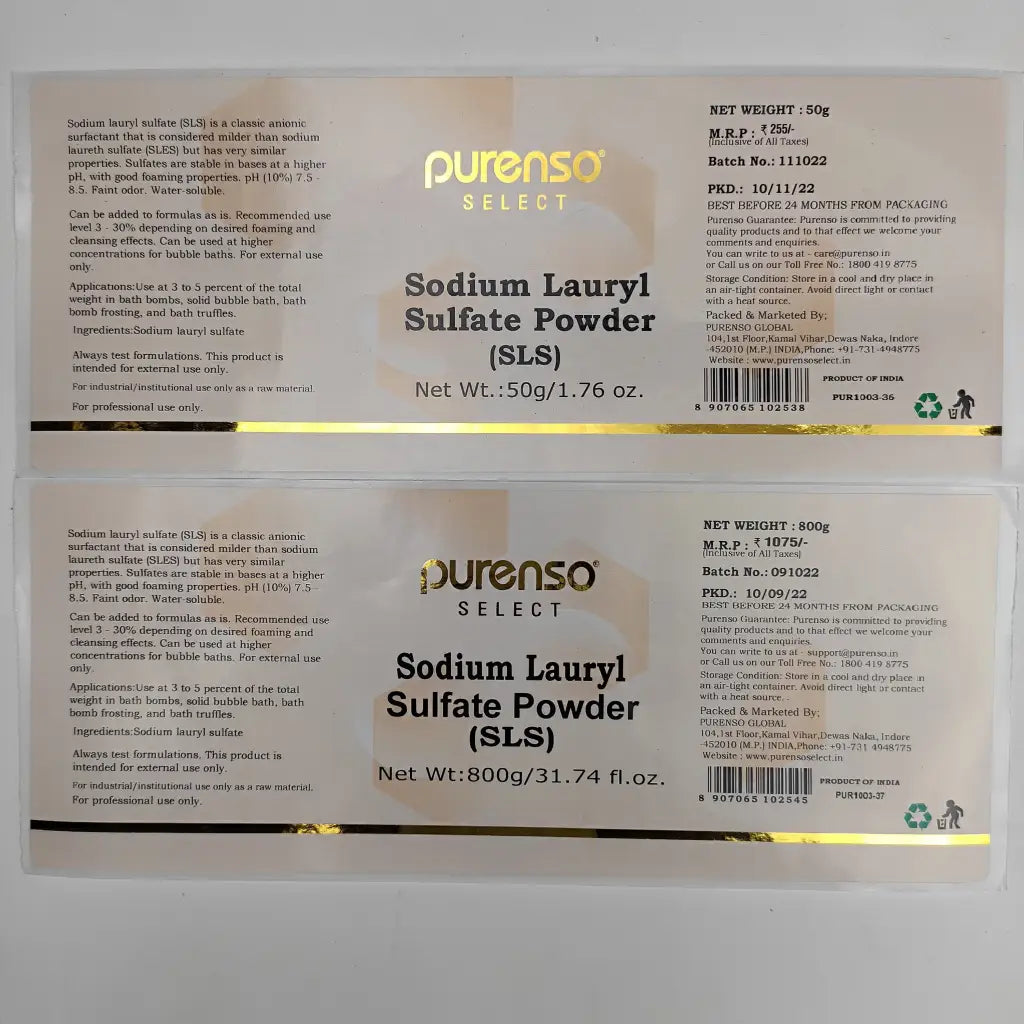
Credit: purensoselect.in
Benefits
Sodium Lauryl Sulfate (SLS) is a common ingredient in personal care products. Known for its cleansing and foaming properties, SLS offers several benefits. Its widespread use in shampoos, toothpaste, and cleansers highlights its effectiveness and cost efficiency. Let’s explore the advantages of Sodium Lauryl Sulfate in more detail.
Effective Cleansing
Sodium Lauryl Sulfate excels in removing dirt and oil. It helps in breaking down grime and residues. This makes it a popular choice for deep cleaning products. Users often notice a fresh, clean feeling after use. It ensures surfaces are free from unwanted particles.
Foaming Agent
SLS is well-known for creating a rich lather. This foaming action enhances the user experience. Many people associate foam with cleanliness. The bubbling effect can make washing more enjoyable. It also aids in even distribution of the product.
Cost-effective
Sodium Lauryl Sulfate is relatively affordable to produce. Its low cost makes it attractive for manufacturers. This affordability translates to lower product prices for consumers. It allows for quality products without a high price tag. Many brands rely on SLS to keep production costs down.
Potential Health Concerns
Sodium Lauryl Sulfate (SLS) is a common ingredient in many products. It is often found in shampoos, soaps, and cleaners. Despite its widespread use, SLS has potential health concerns. These concerns include skin and eye irritation. Its impact on the environment also raises questions. Understanding these issues helps make informed choices.
Skin Irritation
SLS can cause skin irritation in some people. This ingredient strips away natural oils. It leaves the skin dry and itchy. Sensitive skin types may experience redness or rash. Repeated exposure can worsen irritation. Patch testing may help determine sensitivity.
Eye Irritation
Contact with eyes can lead to irritation. SLS may cause burning or stinging. Rinsing eyes immediately can reduce discomfort. Long-term exposure might lead to further complications. Using products carefully can minimize risks.
Environmental Impact
SLS is not easily biodegradable. It can affect aquatic life negatively. High concentrations may harm fish and other organisms. The ingredient can pollute water sources. Consumers may choose eco-friendly alternatives to reduce this impact.

Credit: www.beautyinsightshub.com
Sodium Lauryl Sulfate Alternatives
Sodium Lauryl Sulfate (SLS) often raises concerns due to its harshness. People seek alternatives that clean without irritation. Many products today offer gentler options. These alternatives are kinder to the skin and environment.
Gentler Surfactants
Surfactants are key to cleansing. They break down oils and dirt. Gentler surfactants, like Sodium Coco-Sulfate, come from coconut oil. This makes them less irritating than SLS. Another option is Decyl Glucoside, which is mild and biodegradable. It’s often used in baby products and sensitive skin formulas. These surfactants maintain cleanliness without stripping natural oils.
Natural Ingredients
Natural ingredients are increasingly popular in skincare. They offer a softer approach to cleansing. Aloe Vera is a soothing option. It hydrates while gently cleaning the skin. Oat protein is another choice. It helps calm irritated skin and provides a mild cleansing action. Coconut oil derivatives are also effective. They cleanse without causing dryness or irritation. Using natural ingredients can reduce skin sensitivity and improve overall skin health.
Regulatory Standpoints
Sodium Lauryl Sulfate (SLS) often raises eyebrows due to its widespread use. Understanding regulatory standpoints helps consumers make informed choices. This section delves into the safety assessments and global regulations surrounding this popular ingredient.
Safety Assessments
Experts rigorously evaluate SLS for safety. It undergoes various tests to check its effects. Scientists study its potential impact on skin and eyes. They aim to ensure it does not cause significant harm. Results from these assessments typically show it is safe at certain concentrations. Monitoring these concentrations in products is crucial for safety.
Global Regulations
Regulations vary widely across countries. Many regions have set specific limits for SLS use. These limits are based on safety data and research findings. In the European Union, strict guidelines govern its application in cosmetics. The U.S. also monitors its use through agencies like the FDA. Different countries may adopt unique rules to address local concerns.
Understanding these regulations helps consumers feel secure. It ensures that products meet safety standards globally. Companies must comply with these rules to sell their products. This compliance supports consumer trust and product integrity.
Choosing Products Without Sls
Sodium Lauryl Sulfate (SLS) is a common ingredient in many personal care products. Some people prefer to avoid it due to skin irritation concerns. Opting for SLS-free options can help maintain sensitive skin’s health and comfort.
Choosing products without Sodium Lauryl Sulfate (SLS) can be a game-changer for those with sensitive skin or simply wanting to lead a more natural lifestyle. SLS is a common ingredient found in many personal care products, known for its ability to create a rich lather. However, it can also strip away natural oils, leading to dryness and irritation. If you’re ready to make a switch, here’s how you can select SLS-free products with confidence.Label Reading Tips
Reading labels is crucial when seeking SLS-free products. Start by checking the ingredients list, usually found on the back of the product. Look for terms like “sodium lauryl sulfate” or its cousin, “sodium laureth sulfate,” which should be absent. Many brands highlight their SLS-free status on the packaging to attract health-conscious consumers. Look for certifications or logos that might indicate a more natural or organic product. Develop a habit of researching unfamiliar ingredients. This ensures you’re not swapping SLS for another harsh chemical. A quick online search can save you from unwanted skin reactions.Recommended Brands
Several brands have committed to creating SLS-free products, making it easier for you to find safe alternatives. Brands like Dr. Bronner’s and Burt’s Bees offer a range of personal care items that are gentle on the skin. Avalon Organics is another excellent choice, with a variety of shampoos and body washes free of SLS. Their products focus on plant-based ingredients and essential oils. For those who prefer luxury, L’Occitane has a selection of high-end products without SLS. They combine natural ingredients with sophisticated fragrances, providing an indulgent experience without compromising on health. Have you ever tried an SLS-free product and noticed a difference? Share your experiences and let others know if the switch was worth it!Frequently Asked Questions
What Is Sodium Lauryl Sulfate?
Sodium Lauryl Sulfate (SLS) is a surfactant commonly used in cleaning and personal care products. It helps create foam and remove dirt and oils. Its effectiveness in cleaning makes it popular in shampoos, toothpaste, and detergents. However, it can cause skin irritation for some people.
Is Sodium Lauryl Sulfate Safe For Skin?
Sodium Lauryl Sulfate is generally considered safe for most skin types. However, it may cause irritation or dryness for sensitive skin. If you experience discomfort, consider using SLS-free products. Always perform a patch test when trying new products to ensure compatibility with your skin.
Why Is Sodium Lauryl Sulfate In Shampoos?
Sodium Lauryl Sulfate is added to shampoos for its cleaning and foaming properties. It effectively removes oils, dirt, and product buildup from hair. Its ability to create a rich lather makes shampoos more appealing to users. Despite its benefits, some prefer SLS-free options to avoid potential irritation.
Can Sodium Lauryl Sulfate Cause Allergic Reactions?
Sodium Lauryl Sulfate can cause mild allergic reactions in some individuals, such as redness or itching. Those with sensitive skin may experience more pronounced effects. If you suspect an allergic reaction, discontinue use and consult a dermatologist. Opt for products labeled as hypoallergenic or SLS-free to minimize risks.
Conclusion
Sodium Lauryl Sulfate is common in many personal care products. It helps create foam and cleanse effectively. Some people have concerns about skin irritation. Always check product labels if you have sensitive skin. Choose alternatives if needed. Understanding ingredients empowers smart choices.
Stay informed and know what you use daily. Your skin deserves gentle care. Make decisions that suit your skin type. A little knowledge goes a long way. Keep learning about what you apply on your body. Your well-being matters.