
Imagine unlocking the secret to radiant, youthful skin with just one ingredient. You’re constantly on the hunt for products that promise to revitalize your complexion and bring out your natural glow.
But what if the answer has been right under your nose all along? Welcome to the world of L Ascorbic Acid, a powerhouse ingredient that’s taking the skincare realm by storm. As you delve deeper into its benefits, you’ll discover how it can transform your skincare routine and provide the results you’ve been longing for.
Get ready to uncover the wonders of L Ascorbic Acid and why it’s the missing piece in your beauty puzzle. You won’t want to miss out on learning how this remarkable ingredient can revolutionize your skincare regimen and deliver the luminous skin you’ve always desired.

Credit: www.nutrafoodingredients.com
Benefits Of L Ascorbic Acid
L Ascorbic Acid, commonly known as Vitamin C, offers numerous benefits for the skin. From boosting collagen production to enhancing skin brightness, this ingredient has become a staple in skincare routines. Its antioxidant properties also provide protection against environmental stressors.
Boosts Collagen Production
Collagen keeps skin firm and youthful. L Ascorbic Acid stimulates collagen production. This helps reduce wrinkles and sagging. It maintains skin elasticity. A must for anti-aging routines.
Enhances Skin Brightness
L Ascorbic Acid brightens skin. It fades dark spots and evens skin tone. The result is a radiant complexion. Dull skin transforms into glowing skin. Perfect for achieving a youthful look.
Offers Antioxidant Protection
Antioxidants defend against harmful free radicals. L Ascorbic Acid provides this protection. It shields skin from pollution and UV rays. This reduces damage and aging signs. Essential for healthy, resilient skin.
Sources Of L Ascorbic Acid
L Ascorbic Acid, commonly known as Vitamin C, plays a vital role in maintaining health and boosting immunity. Understanding its sources can help in incorporating it effectively into daily routines for optimal benefits.
Natural Food Sources
Fruits and vegetables are rich in L Ascorbic Acid. Oranges, strawberries, and kiwi are top choices. Leafy greens like spinach and kale also contain it. Bell peppers and broccoli offer a good amount too. Eating these can provide the needed dose naturally. Fresh produce often has the highest levels.
Supplements And Skincare Products
Supplements offer an alternative for those needing extra Vitamin C. Tablets and powders are widely available. They ensure consistent intake, especially if dietary sources are limited. Skincare products often include L Ascorbic Acid. Serums and creams with Vitamin C can enhance skin health. They help brighten the skin and reduce signs of aging. Choose products with high purity for best results.
L Ascorbic Acid In Skincare
L Ascorbic Acid, known as Vitamin C, plays a key role in skincare. It is famed for its antioxidant properties. This ingredient helps in brightening skin and reducing dark spots. Many skincare enthusiasts swear by its benefits.
Role In Anti-aging
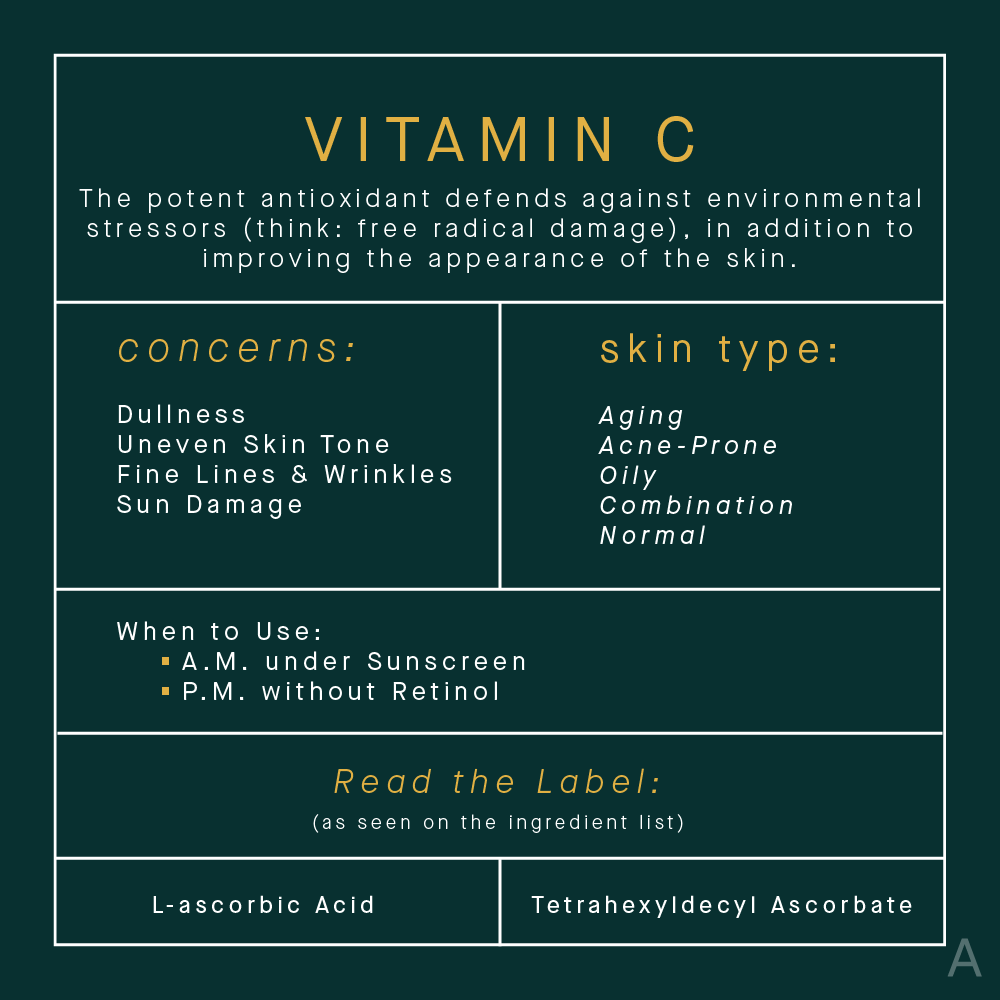
Vitamin C is a powerful antioxidant. It fights free radicals that cause aging. This helps to reduce the appearance of wrinkles. It also supports collagen production, keeping skin firm. Regular use can enhance skin texture and tone.
Application Tips
Use L Ascorbic Acid products in your morning routine. Apply it after cleansing but before moisturizing. Pair it with sunscreen to boost protection against UV damage. Start with a lower concentration if you have sensitive skin. Gradually increase as your skin builds tolerance.
Potential Side Effects
Some people experience irritation or redness. This is more common with sensitive skin. Patch test before full application to prevent adverse reactions. Discontinue use if irritation persists. Consult a dermatologist for personalized advice.
L Ascorbic Acid Stability
L Ascorbic Acid, commonly known as Vitamin C, is a beloved ingredient in skincare. Its antioxidant properties help brighten the skin and reduce signs of aging. Despite its benefits, L Ascorbic Acid is notoriously unstable. Understanding its stability can help maximize its effectiveness in products.
Factors Affecting Stability
Exposure to light can degrade L Ascorbic Acid. Direct sunlight is particularly damaging. Oxygen also affects its stability. Air exposure can cause rapid oxidation. Temperature fluctuations play a role as well. High temperatures speed up degradation. pH levels impact its longevity. A neutral or slightly acidic environment is ideal.
Storage Recommendations
Store products in a cool place. Avoid direct sunlight whenever possible. Keep the container tightly sealed. This minimizes air exposure. Consider using amber or opaque bottles. They protect the contents from light. Maintain a stable room temperature. Avoid placing near heat sources.
Comparing L Ascorbic Acid And Derivatives
You’ve heard of Vitamin C’s magical powers for your skin, right? L Ascorbic Acid is the purest form, known for its potent antioxidant properties. But did you know there are derivatives that offer unique benefits too? Let’s dive into what makes each one special and how they stack up against each other.
Sodium Ascorbyl Phosphate
Sodium Ascorbyl Phosphate (SAP) is a stable, water-soluble derivative of Vitamin C. It’s like the reliable friend that never lets you down. If you have sensitive skin, SAP is your best bet as it’s gentle and less likely to cause irritation.
Imagine using a product that promises glowing skin without the sting; that’s SAP for you. It’s effective at lower concentrations, meaning you get more bang for your buck. Have you ever wondered why some products are pricier than others? SAP could be the reason.
Magnesium Ascorbyl Phosphate
Magnesium Ascorbyl Phosphate (MAP) is another derivative, but it’s oil-soluble. This means it’s ideal for dry and mature skin. Think of it as a luxurious moisturizer that hydrates while combating signs of aging.
Are you struggling with dull skin? MAP helps brighten and even out your complexion. The added magnesium offers calming benefits, making it a soothing option for redness and inflammation.
Tetrahexyldecyl Ascorbate
Tetrahexyldecyl Ascorbate (THD Ascorbate) is a lipid-soluble form that penetrates deeper into the skin. It’s like having a backstage pass to your skin’s layers. If you’re looking for long-term results, this derivative is your go-to.
Have you ever tried something that felt like magic over time? THD Ascorbate works quietly but effectively, enhancing your skin’s texture and firmness. It’s ideal for those committed to a comprehensive skincare routine.
With these options available, which one aligns with your skin goals? Understanding these derivatives can help you choose the right product, ensuring you experience the best results from your Vitamin C routine. Your skincare journey is personal, and finding the right match can make all the difference.

Credit: aedit.com
L Ascorbic Acid In Diet
Have you ever wondered why your grandmother insisted on that glass of orange juice each morning? It’s not just about tradition—it’s about the powerful benefits of L Ascorbic Acid, or vitamin C, in your diet. This essential nutrient plays a critical role in keeping your body functioning at its best.
Adding L Ascorbic Acid to your diet isn’t just about citrus fruits. Think strawberries, bell peppers, and even broccoli. These foods can help you reach the daily recommended intake and keep your immune system robust.
Daily Recommended Intake
How much L Ascorbic Acid do you really need? The recommended daily intake for adults is about 65 to 90 milligrams. That’s roughly what you’d get from a medium orange or a cup of strawberries.
Going beyond this amount is generally safe, but excessive intake can sometimes lead to digestive discomfort. You might want to balance your diet to avoid such issues.
Start by including a variety of fruits and vegetables in your meals. This will naturally help you reach your vitamin C goals.
Role In Immune Function
Ever wondered why people load up on vitamin C when they’re feeling under the weather? L Ascorbic Acid is known to support your immune system. It helps encourage the production of white blood cells, which are crucial in fighting infections.
Keeping a strong immune system isn’t just for those cold winter months. A consistent intake throughout the year can prepare your body to fend off illnesses more effectively.
Have you considered how these small dietary choices impact your health? Reflect on your daily habits and see if you’re giving your immune system the support it needs.
Remember, a balanced diet rich in L Ascorbic Acid is a simple, yet powerful, way to enhance your overall wellness.

Credit: www.skinceuticals.com
Frequently Asked Questions
What Is L Ascorbic Acid Used For?
L Ascorbic Acid is commonly used in skincare products. It helps brighten skin, reduce wrinkles, and protect against UV damage. This powerful antioxidant also boosts collagen production, promoting a youthful appearance. Regular use can improve skin texture and tone, making it a favorite ingredient in beauty regimes.
How Does L Ascorbic Acid Benefit Skin?
L Ascorbic Acid benefits skin by reducing signs of aging and brightening complexion. It fights free radicals, preventing damage and promoting healthier skin. Its antioxidant properties boost collagen, improving elasticity and firmness. With regular use, it can enhance skin texture, reduce dark spots, and provide a radiant glow.
Can L Ascorbic Acid Be Used Daily?
Yes, L Ascorbic Acid can be used daily for optimal results. It is safe and effective, improving skin health with consistent use. Start with a lower concentration to avoid irritation. Gradually increase as tolerated. Daily application can enhance skin brightness and reduce signs of aging over time.
Is L Ascorbic Acid Suitable For All Skin Types?
L Ascorbic Acid is generally suitable for all skin types, but sensitivity varies. Those with sensitive skin should start with lower concentrations. Patch testing is recommended to ensure compatibility. It can benefit oily, dry, and combination skin by improving texture and tone, and reducing blemishes and fine lines.
Conclusion
L Ascorbic Acid offers many benefits for skin and health. It brightens the complexion, boosts collagen, and fights free radicals. Simple yet effective. This ingredient fits well into daily routines. Consistent use can lead to noticeable improvements. Easy to find in serums and creams.
Always do a patch test before full application. Consult a dermatologist for personalized advice. Healthy skin starts with informed choices. Explore products with L Ascorbic Acid for a natural glow. Your skin deserves the best care. Stay committed to your skincare journey.