
Have you ever flipped through the ingredients list on your favorite foods and noticed the word “cellulose”? You might have wondered what it is and why it’s included in so many products.
Cellulose is more than just a word on a label; it’s a powerhouse ingredient that plays a crucial role in the food industry and beyond. But what exactly does it do, and why should you care? Imagine unlocking the secrets behind this ingredient, discovering how it impacts your health and the environment, and learning why it’s a staple in both your pantry and the products you use every day.
Dive into this exploration of cellulose, and you’ll gain insights that could change the way you view the items you consume. Are you ready to uncover the truth and see why cellulose is so much more than meets the eye? Keep reading to find out!
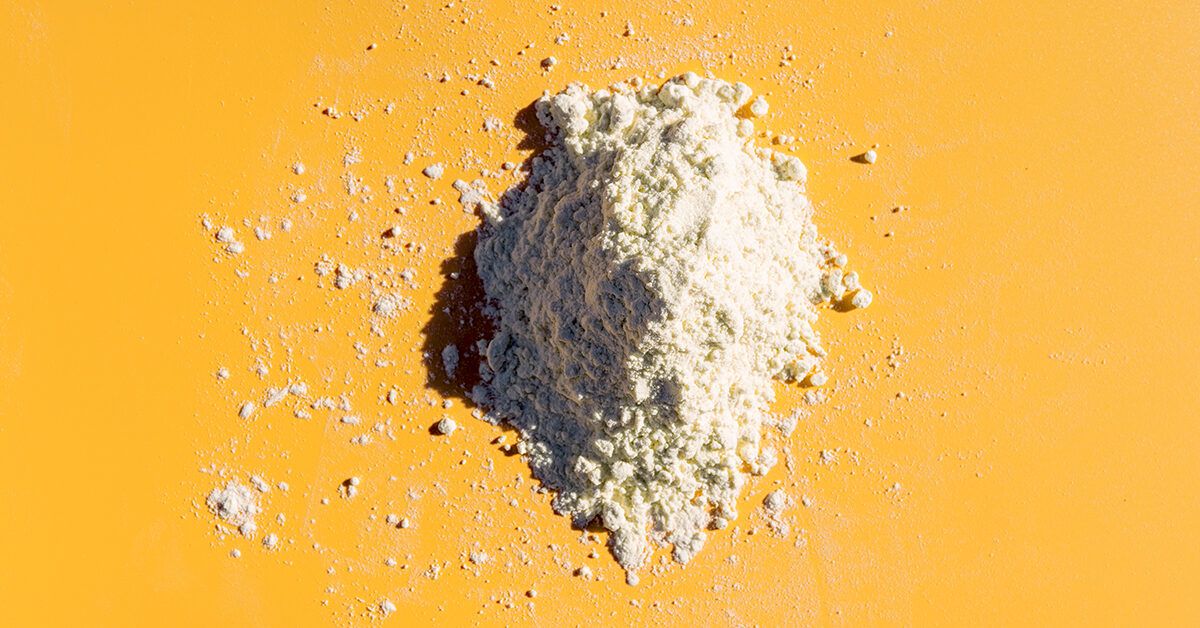
Credit: www.healthline.com
Cellulose Basics
Cellulose is a key component in the world of nutrition and food science. It serves as a dietary fiber that aids digestion. Found naturally in plants, cellulose plays a significant role in maintaining healthy diets. Understanding its basics helps in appreciating its importance in daily nutrition.
Natural Sources
Cellulose is abundant in fruits and vegetables. Apples, carrots, and spinach are rich sources. Whole grains and legumes also contain cellulose. These foods support digestive health due to their fiber content. Eating these regularly can ensure adequate cellulose intake.
Chemical Structure
Cellulose is made of glucose units linked together. These links form long chains. This structure is strong and resistant to digestion. The body cannot break these chains down easily. This resistance makes cellulose valuable as a dietary fiber. It passes through the digestive system largely unchanged.
Role In Food Industry
The food industry is always searching for ways to improve quality while meeting consumer demands. One ingredient that stands out for its versatility is cellulose. Derived from plant fibers, cellulose plays a pivotal role in enhancing food products. Whether you’re looking to thicken your favorite soup or cut down on calories without sacrificing taste, cellulose might just be the secret ingredient you need.
Thickening Agent
Cellulose is a go-to thickening agent in many culinary creations. Have you ever wondered why your sauces and soups have that perfect consistency? That’s often thanks to cellulose. It binds water and adds volume without altering flavor, ensuring your dish remains tasty and satisfying.
Using cellulose, you can achieve the desired thickness without relying on fats or oils. This makes it ideal for those mindful of their dietary intake. Next time you whip up a stew, consider how cellulose might enhance its texture.
Calorie Reduction
Reducing calories without compromising on flavor can be a challenge. Cellulose offers a solution by adding bulk to foods without extra calories. Imagine enjoying a creamy dessert that’s both delicious and guilt-free.
By replacing high-calorie ingredients with cellulose, you can indulge in your favorite treats more often. This approach is particularly beneficial for those seeking a balanced diet. Are you ready to discover how cellulose can transform your eating habits?
Texture Enhancement
Texture can make or break a food experience. Cellulose is known for its ability to enhance texture, giving foods a more appealing mouthfeel. Think of that perfect crunch in your breakfast cereal or the smoothness in your ice cream.
It ensures that food retains its desired texture, even after being stored for a while. This quality is particularly valuable for packaged foods. Next time you enjoy a snack, take a moment to appreciate the role of cellulose in its texture.
As you explore new recipes or evaluate your dietary choices, consider the role of cellulose. It might just be the ingredient that elevates your culinary adventures. How will you incorporate cellulose into your kitchen experiments?
Use In Pharmaceuticals
Cellulose is a common ingredient in pharmaceuticals. It plays a vital role in drug manufacturing. Its natural origin makes it safe and effective. People often use it as an excipient. It acts as a filler and binder. Its versatility ensures its wide application in the industry.
Tablet Binding
Cellulose is a key player in tablet binding. It helps hold the tablet together. Without cellulose, tablets may crumble. This binding agent ensures tablets maintain their shape. It also aids in consistent dosage delivery. The role of cellulose in binding is crucial. It ensures reliability in every dose.
Controlled Release Formulations
Controlled release formulations benefit greatly from cellulose. It helps in the slow release of medicine. This ensures a steady supply of the drug in the body. Patients experience fewer side effects. Cellulose allows for precise control over drug release. This precision improves treatment outcomes. It enhances patient compliance with medication schedules.
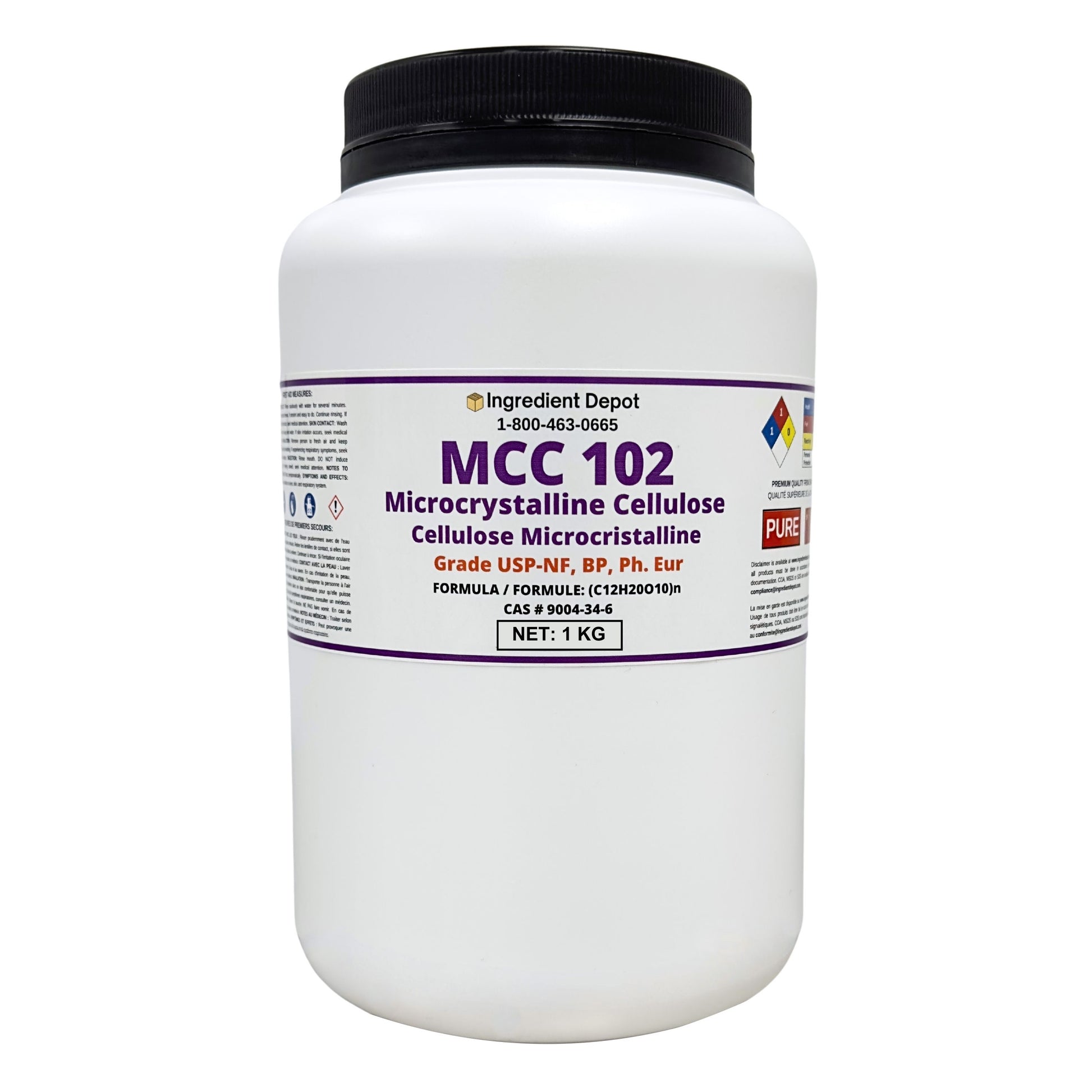
Credit: ingredientdepot.com
Environmental Impact
Cellulose is a natural polymer found in plants. Its environmental impact is significant. Many industries use it because of its eco-friendly properties. This section explores cellulose’s sustainability and biodegradability. Discover how it contributes to a greener planet.
Biodegradability
Cellulose breaks down easily in nature. Microorganisms decompose it into harmless substances. This process reduces waste in landfills. It also lessens pollution in water bodies. Cellulose’s biodegradability makes it an attractive choice. Especially for manufacturers aiming to reduce their carbon footprint.
Sustainable Production
Cellulose comes from renewable resources like wood and plants. This makes its production more sustainable than synthetic alternatives. Many producers use sustainable forestry practices. These methods ensure that cellulose sources regenerate over time. This approach supports long-term environmental health. Sustainable production of cellulose minimizes resource depletion. It also promotes biodiversity in forested areas.
Health Implications
Cellulose is a common ingredient found in many foods and supplements. Understanding its health implications can help you make informed choices about your diet. From digestive health to potential allergies, cellulose plays a significant role in how your body functions.
Digestive Health
Ever experienced a tummy ache after eating? Cellulose might be the culprit or the cure. It’s a type of fiber, which aids in digestion and prevents constipation. This could mean smoother digestion for you.
Including cellulose-rich foods, like fruits and vegetables, can boost your digestive health. But how much fiber do you really need? Experts suggest around 25-30 grams daily. Next time you feel bloated, check if your fiber intake is adequate.
Potential Allergies
Though cellulose is safe for most, some people might experience allergic reactions. Have you ever noticed itching or swelling after eating certain foods? Cellulose could be a hidden trigger.
If you’re prone to allergies, be cautious with processed foods that might contain cellulose as an additive. Don’t hesitate to consult a healthcare professional if you suspect an allergy. Could avoiding cellulose improve your well-being?
Understanding your body’s reaction to cellulose can lead to better health. Remember, every body is unique, and listening to yours is key.
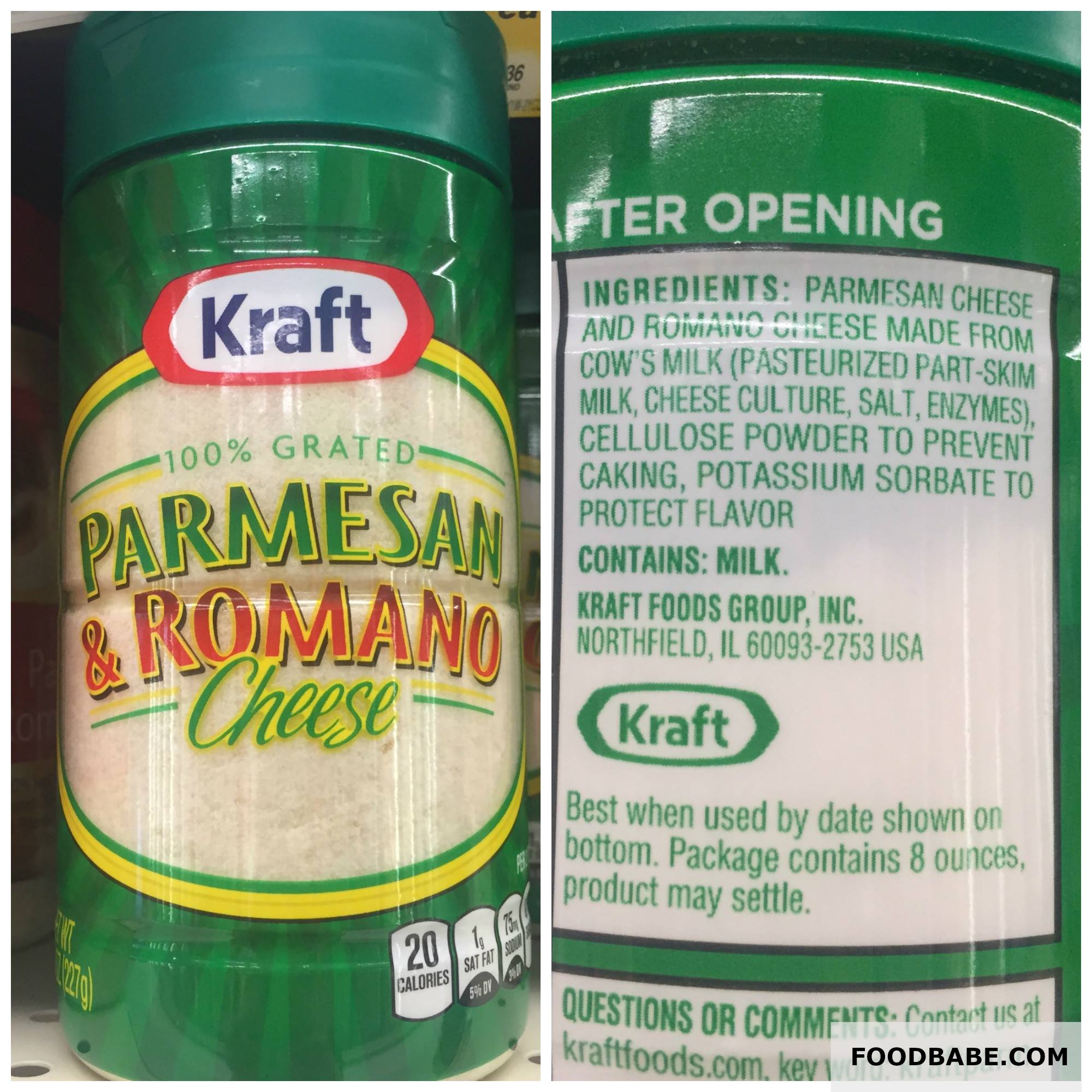
Credit: www.facebook.com
Innovations And Future Prospects
Cellulose, a renewable resource, is gaining attention in various industries. Its innovations promise a sustainable future. This biodegradable material offers endless possibilities for advancements. Let’s explore these exciting developments and what lies ahead.
Nanocellulose
Nanocellulose represents a significant breakthrough in material science. Derived from cellulose fibers, it is exceptionally strong and light. Its potential applications are vast, ranging from electronics to medicine. Researchers are exploring its use in creating stronger and lighter composites. This could benefit aerospace and automotive sectors. In medicine, nanocellulose holds promise for wound healing and drug delivery.
Its ability to form gels and films opens doors to various uses. Companies are investing in nanocellulose for sustainable packaging solutions. It may replace plastic in many applications soon. As technology advances, nanocellulose will likely become more accessible. Its unique properties could lead to new innovations across multiple fields.
Bioplastics
Bioplastics offer an eco-friendly alternative to traditional plastics. Made from cellulose, they are biodegradable and compostable. Industries are seeking greener solutions, and bioplastics fit this need. They help reduce reliance on fossil fuels and decrease pollution.
Cellulose-based bioplastics are already appearing in packaging. They provide a sustainable option for food containers and bags. Researchers are working to enhance their durability and versatility. Future developments could see bioplastics used in construction and electronics. The growing demand for sustainable materials drives further innovation. As production methods improve, bioplastics may become more widespread.
Frequently Asked Questions
What Is Cellulose Made From?
Cellulose is a natural polymer derived from plant cell walls. It consists of glucose molecules linked together. It’s commonly found in trees, cotton, and other plants. As a dietary fiber, it supports digestion and regularity. In food, cellulose acts as a thickener and stabilizer.
Is Cellulose Safe To Consume?
Yes, cellulose is generally safe to consume and is widely used in food products. It is considered a dietary fiber that aids digestion. The FDA classifies it as GRAS (Generally Recognized As Safe). However, excessive intake may cause digestive discomfort in some individuals.
How Is Cellulose Used In Food Products?
Cellulose is used in food products as a thickening agent and stabilizer. It helps improve texture and consistency in processed foods. Additionally, cellulose can enhance moisture retention and extend shelf life. It’s commonly found in baked goods, dairy products, and sauces.
Does Cellulose Have Nutritional Benefits?
Cellulose offers nutritional benefits as a source of dietary fiber. It aids in digestion and supports bowel regularity. While cellulose itself is not digestible, it promotes a feeling of fullness. This can assist in weight management and maintaining a healthy diet.
Conclusion
Cellulose plays a vital role in many products we use daily. It’s a natural, plant-based ingredient. Safe and versatile. From food to cosmetics, its benefits are numerous. It adds texture to foods. Provides structure in pharmaceuticals. Even in paper production, cellulose is key.
Understanding its uses helps make informed choices. Next time you read labels, notice cellulose. It’s everywhere, supporting various industries. Embrace its presence in your life. Simple, effective, and natural. A true testament to nature’s brilliance.