
Imagine unlocking the secret to radiant skin and lustrous hair with a single, natural ingredient. That’s what Carthamus Tinctorius Oil offers you.
This remarkable oil, derived from safflower seeds, is making waves in the beauty and wellness industry for its incredible benefits. You might be wondering how this humble oil can transform your skincare routine or enhance your hair’s shine. It’s not just about the oil itself—it’s about how it works with your body to nourish and revitalize.
Curious to discover how Carthamus Tinctorius Oil can be your new beauty ally? Keep reading to learn why this ingredient deserves a spot in your daily regimen and how it can redefine your approach to self-care.
What Is Carthamus Tinctorius Oil?
Have you ever wondered what Carthamus Tinctorius Oil is? This unique oil, derived from the seeds of the safflower plant, is often used in skincare and cosmetics. Its lightweight and non-greasy properties make it a favorite for many. Let’s dive deeper into its characteristics and benefits.
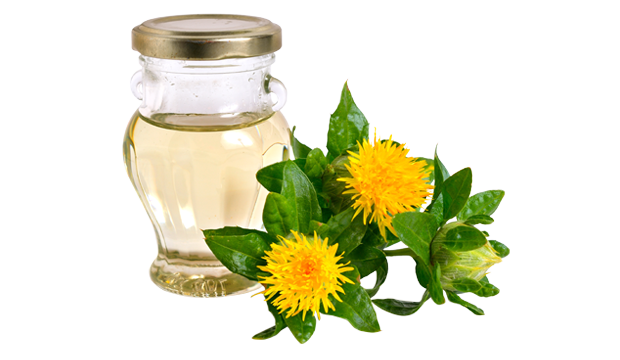
Carthamus Tinctorius Oil, commonly known as safflower oil, comes from the safflower plant. This plant is native to arid regions with long, dry summers. Its seeds are pressed to extract the oil.
The oil is pale yellow and has a neutral scent. It’s rich in essential fatty acids, especially linoleic acid. These components nourish and hydrate the skin effectively.
In skincare, it’s valued for its ability to promote moisture retention. It keeps the skin soft and supple. Many products incorporate this oil due to its versatile nature.
Origins Of Safflower Plant
The safflower plant thrives in dry climates. It has been cultivated for centuries. Originally, it was grown in ancient Egypt and Asia. Today, it is found worldwide.
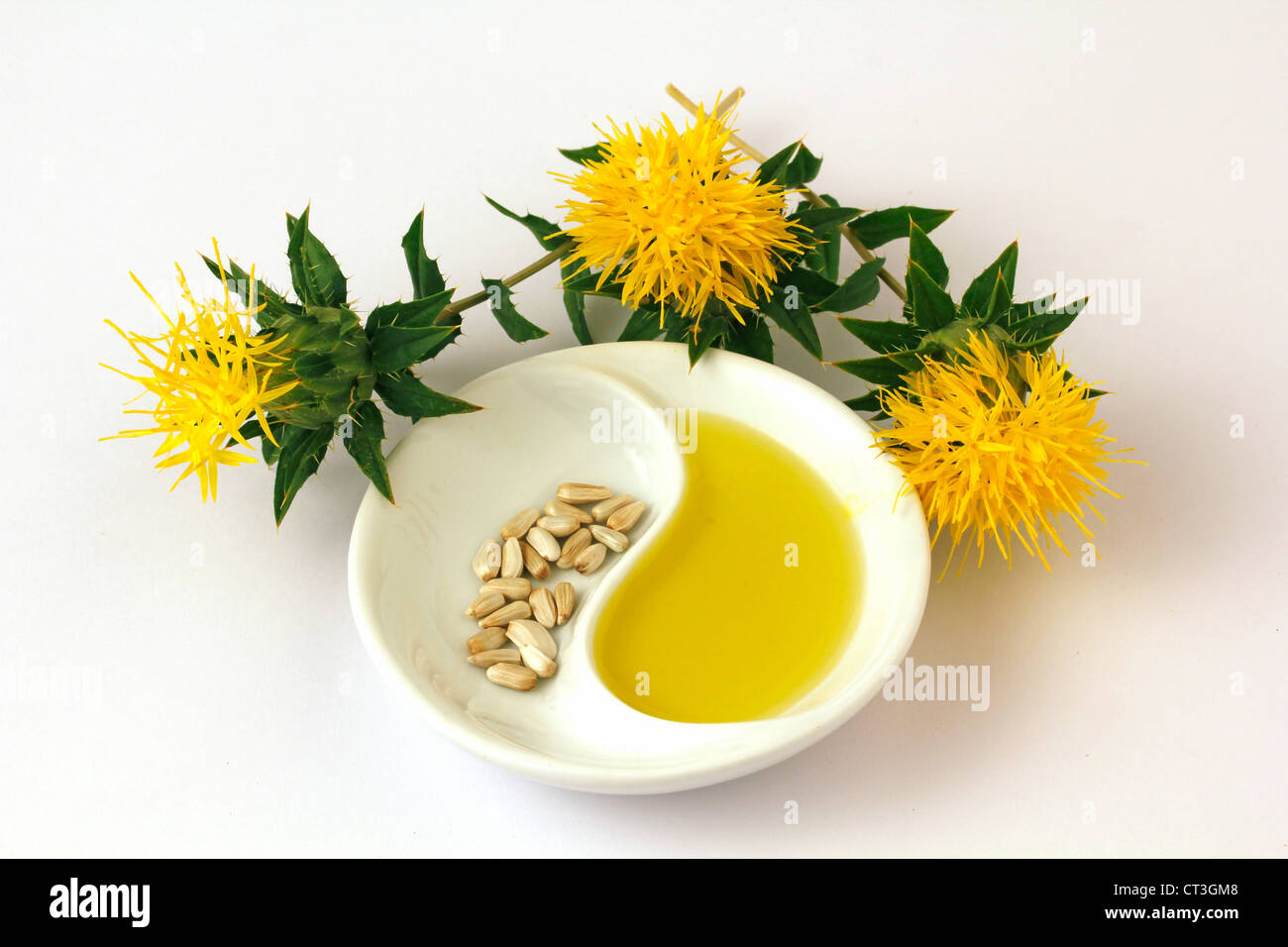
Its vibrant flowers can be red, yellow, or orange. Besides oil, these flowers were used as a dye in ancient times. The seeds are the primary source of Carthamus Tinctorius Oil.
The oil extraction process involves pressing the seeds. Cold pressing is often used to retain the oil’s quality. This method ensures the oil remains pure and beneficial.
Once extracted, the oil undergoes refining. This process removes impurities and improves stability. The result is a clear, high-quality oil ready for use.
Nutritional Properties
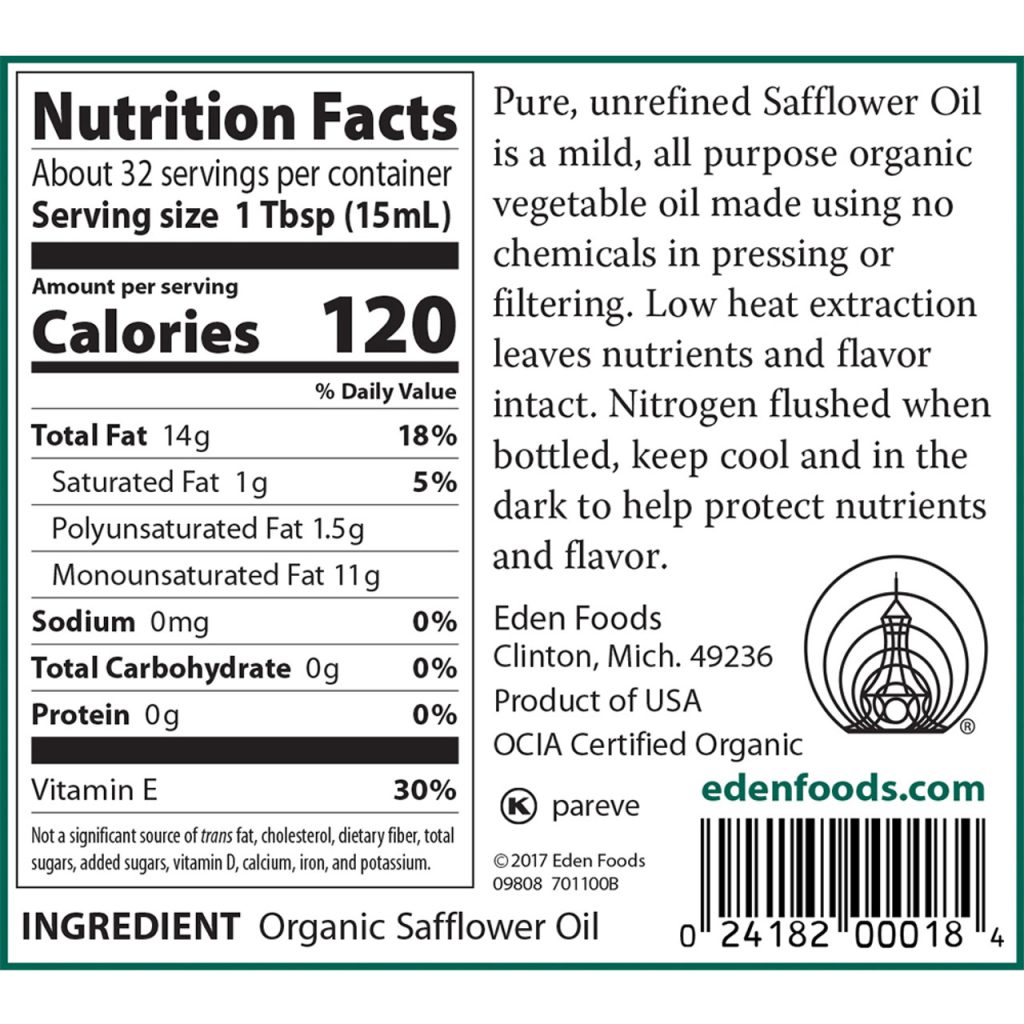
Carthamus Tinctorius Oil is rich in nutrients. It contains high levels of linoleic acid. This essential fatty acid benefits the skin and body.
It also has vitamin E, which acts as an antioxidant. These components help protect and nourish the skin. They prevent dryness and promote a healthy glow.
Origin And History
Carthamus tinctorius oil, derived from safflower seeds, has ancient roots in Egyptian textiles and cosmetics. Historically, this oil served both medicinal and dyeing purposes, with its vibrant hue coloring fabrics and its nourishing properties enhancing skin health.
The origin and history of Carthamus Tinctorius Oil, commonly known as safflower oil, is a fascinating journey that spans centuries and continents. This oil, derived from the seeds of the safflower plant, has been a staple in various cultures for its versatility and beneficial properties. From ancient civilizations to modern kitchens, safflower oil has played a significant role in culinary, medicinal, and cosmetic applications.Where It All Began
Safflower oil traces its roots back to ancient Egypt, where it was used as a dye for textiles. The vibrant orange and yellow hues extracted from the safflower plant were highly prized for coloring the linen wrappings of mummies. As you imagine these vivid colors, consider how this early use highlights the plant’s versatility beyond just oil production.Spread Across Continents
The cultivation of safflower spread from Egypt to the Middle East, India, and eventually to Asia. Each culture found unique ways to utilize the plant, particularly its oil. In India, safflower oil became an essential ingredient in traditional medicine, valued for its healing properties.Adoption In Europe
Safflower oil made its way to Europe during the Middle Ages. It was primarily used for medicinal purposes and as a cheaper alternative to more expensive oils like olive oil. This adoption illustrates a practical approach to resource utilization, emphasizing the importance of safflower oil in everyday life.Modern Day Uses
Today, safflower oil is a popular choice in kitchens around the world. Its high smoke point makes it ideal for frying and cooking, while its mild flavor complements a variety of dishes. Have you ever tried using safflower oil in your cooking? It might just become your new kitchen staple. The history of Carthamus Tinctorius Oil is a testament to its enduring appeal and versatility. Whether you are exploring its historical uses or incorporating it into your daily routine, safflower oil offers a rich legacy worth appreciating.Extraction Process
Carthamus Tinctorius Oil, commonly known as safflower oil, is a treasured ingredient in both skincare and culinary worlds. But how does this precious oil make its way from safflower seeds to your kitchen or bathroom shelf? Understanding the extraction process can give you a deeper appreciation of its quality and benefits.
There are several methods to extract the oil from the seeds, each with its own unique qualities and results.
Cold Pressing
Cold pressing is a method that keeps the oil as pure and natural as possible. It involves mechanically pressing the seeds without the use of heat. The result is a high-quality oil that retains its nutritional value and original scent.
Imagine making fresh orange juice at home versus buying a processed bottle from the store. The freshness and flavor are unparalleled, right? Cold-pressed safflower oil offers that same purity and richness, making it a favorite for those who value natural ingredients.
Solvent Extraction
Solvent extraction, on the other hand, involves using chemical solvents to draw out the oil from the seeds. This method is efficient and can extract more oil compared to cold pressing. However, it may involve additional refining to remove any residual solvents.
Think of solvent extraction as a more industrial approach, often used for mass production. While it can provide a larger yield, some might argue it lacks the artisanal quality of cold-pressed oil. If you’re a fan of the artisanal touch, you might lean towards cold-pressed, but if efficiency and cost are your priorities, solvent extraction could be your go-to.
Which method do you think aligns with your values and needs? The choice might seem simple, but it can impact the quality of the oil you use every day.
Nutritional Profile
Carthamus Tinctorius Oil, commonly known as safflower oil, is rich in essential fatty acids. Its high content of linoleic acid supports heart health and skin vitality. This oil also offers a source of vitamin E, promoting antioxidant protection and overall wellness.
When you think of nourishing your skin and body, Carthamus Tinctorius Oil, commonly known as safflower oil, might not be the first thing that comes to mind. However, this oil is packed with nutritional benefits that can make a real difference in your health. Understanding its nutritional profile can help you make informed choices about how to include it in your diet and skincare routine.Fatty Acids
Carthamus Tinctorius Oil is rich in fatty acids, which are essential for maintaining healthy skin and overall wellness. It contains a high concentration of linoleic acid, a type of omega-6 fatty acid. Linoleic acid is known for its ability to keep your skin hydrated and supple. The oil also contains oleic acid, which is beneficial for heart health. This makes it a great option for cooking, as it can help reduce bad cholesterol levels. Are you getting enough of these essential fatty acids in your diet?Vitamins And Minerals
Safflower oil isn’t just about fatty acids; it also provides a good dose of vitamins and minerals. It’s a source of vitamin E, an antioxidant that protects your skin from damage caused by free radicals. Adding this oil to your diet can support a radiant and youthful complexion. It also contains small amounts of vitamin K, which plays a role in bone health and blood clotting. While it might not be your primary source of these nutrients, incorporating safflower oil can be a simple way to boost your intake. Could this oil be the missing link in your nutritional regimen? By understanding the nutritional profile of Carthamus Tinctorius Oil, you can see why it’s worth considering. Whether you’re interested in enhancing your skincare routine or improving your diet, this versatile oil offers multiple benefits.Health Benefits
Carthamus Tinctorius Oil, commonly known as safflower oil, is gaining recognition for its impressive health benefits. This oil, extracted from the seeds of the safflower plant, is rich in essential fatty acids and antioxidants. But what does this mean for your health? Let’s dive into the specific advantages it offers.
Skin Health
Ever felt your skin lacked that vibrant glow? Safflower oil might be your answer. It’s packed with linoleic acid, which helps maintain the skin’s natural barrier. This can help keep moisture in and irritants out.
Many skincare enthusiasts swear by its ability to soften and smoothen skin texture. If you’re looking for something to soothe dry or rough patches, safflower oil can be a gentle solution. Just a few drops on your skin can make a noticeable difference.
Heart Health
Are you mindful of your heart health? Safflower oil is known to support cardiovascular wellness. Rich in unsaturated fats, it can help reduce bad cholesterol levels when used instead of saturated fats.
Incorporating safflower oil into your diet might be a simple tweak for better heart health. Think about it: small changes can lead to big results. Many people find swapping out their usual cooking oil with safflower oil a heart-smart choice.
Weight Management
Struggling with weight management? Safflower oil might offer some assistance. It’s believed to help in reducing body fat, especially around the midsection. This doesn’t mean it’s a magic potion, but it can be part of a balanced diet and healthy lifestyle.
Adding safflower oil to your meals can help you feel fuller longer. This is particularly helpful if you often find yourself snacking between meals. Could safflower oil be the missing link in your weight management journey?
Consider trying safflower oil to reap its health benefits. Whether for skin, heart, or weight management, it has something to offer. Have you tried it yet?
Culinary Uses
Carthamus Tinctorius Oil, known as safflower oil, has versatile culinary uses. Its light texture and mild flavor make it ideal for many dishes. Whether frying or dressing salads, it adds a subtle touch. Let’s explore how this oil enhances your cooking.
Cooking Applications
Safflower oil is perfect for high-heat cooking. Its high smoke point makes it suitable for frying and sautéing. It keeps food crisp without adding a heavy taste. Chefs often use it for stir-frying vegetables or frying chicken. It’s also a great choice for baking. Use it in cakes and cookies for a moist texture. This oil can also replace butter in recipes. It’s a good option for those seeking plant-based alternatives.
Flavor Profile
The flavor of safflower oil is very mild. It does not overpower other ingredients. This makes it perfect for salad dressings and marinades. It lets the spices and herbs shine through. In dressings, it blends well with vinegar or lemon juice. This enhances the natural flavors of the salad. Safflower oil’s light taste complements both sweet and savory dishes. It’s a versatile choice for any kitchen.
Cosmetic Applications
Carthamus Tinctorius Oil, extracted from safflower seeds, is gaining popularity. Its rich composition offers numerous cosmetic benefits. This oil is versatile and caters to various skin needs. Let’s explore its moisturizing and anti-inflammatory properties.
Moisturizing Properties
This oil deeply nourishes the skin. It contains linoleic acid, a vital fatty acid. Linoleic acid helps maintain the skin’s moisture barrier. It keeps the skin soft and hydrated. Regular use can reduce skin dryness effectively. People with dry skin can benefit from its intense hydration. It absorbs quickly without leaving a greasy residue. Ideal for daily use and suitable for all skin types.
Anti-inflammatory Effects
Carthamus Tinctorius Oil has natural anti-inflammatory properties. It soothes irritated skin and reduces redness. Perfect for sensitive or inflamed skin conditions. It can calm acne-prone skin by reducing inflammation. Helps in maintaining healthy, clear skin. This oil can be a gentle addition to skincare routines. It supports skin recovery and health.
Credit: isclinical.com
Potential Side Effects
While Carthamus Tinctorius Oil offers many benefits, it’s important to be cautious. Understanding potential side effects ensures safer use. Though generally safe, some people might experience reactions. Knowing the risks helps make informed decisions.
Allergic Reactions
Some individuals might be allergic to Carthamus Tinctorius Oil. Allergic reactions can include itching, redness, or a rash. It’s wise to do a patch test before using the oil extensively. Apply a small amount to a discreet area. Wait 24 hours to see any adverse reactions. Always consult a doctor if you notice severe symptoms.
Overconsumption Risks
Consuming too much Carthamus Tinctorius Oil may lead to health issues. High intake can result in upset stomach or diarrhea. Moderation is key to avoiding these discomforts. It’s best to follow recommended dosage guidelines. Consult with a healthcare professional before adding it to your diet. This ensures it aligns with your health needs.
Sustainability And Sourcing
Carthamus Tinctorius Oil, also known as safflower oil, is valued for its versatility. Understanding its sustainability and sourcing is crucial. This ensures we protect the environment and support ethical practices.
Ethical Production
Ethical production focuses on fair treatment of workers. Farmers growing safflower should receive fair wages. This supports their families and communities. Proper working conditions are vital for their well-being.
Supporting local farmers leads to sustainable practices. It helps preserve traditional farming methods. It also reduces the need for harmful chemicals. Ethical sourcing builds trust between producers and consumers.
Environmental Impact
Safflower plants thrive in dry climates, using less water. This makes them an eco-friendly crop choice. They also help in soil conservation. Their deep roots prevent soil erosion.
Using natural fertilizers improves soil health. It reduces reliance on synthetic chemicals. Sustainable farming practices lower carbon footprints. This protects our planet for future generations.
Credit: www.alamy.com

Credit: thetoxicfreefoundation.com
Frequently Asked Questions
What Is Carthamus Tinctorius Oil Used For?
Carthamus Tinctorius Oil, commonly known as safflower oil, is used in skincare for its moisturizing properties. It helps in softening skin and reducing dryness. Additionally, it is often used in cooking for its mild flavor and high smoke point.
Is Carthamus Tinctorius Oil Good For Hair?
Yes, Carthamus Tinctorius Oil is beneficial for hair health. It contains essential fatty acids that nourish the scalp and strengthen hair strands. Regular use can enhance shine and prevent hair breakage, promoting overall hair vitality.
Can Carthamus Tinctorius Oil Help With Skin Issues?
Carthamus Tinctorius Oil can assist with various skin issues. Its anti-inflammatory properties help reduce redness and irritation. It’s often recommended for eczema and acne due to its soothing effects. Regular application can improve skin texture and appearance.
How Does Carthamus Tinctorius Oil Benefit Health?
Carthamus Tinctorius Oil offers several health benefits. It is rich in unsaturated fats that support heart health. Consuming it can help regulate cholesterol levels. Its high content of Vitamin E also contributes to improved immune function and skin health.
Conclusion
Carthamus Tinctorius Oil is a versatile and natural ingredient. It offers numerous benefits for skin and hair care. Rich in essential fatty acids, it nourishes deeply. This oil helps moisturize, soothe, and protect your skin. It’s gentle enough for sensitive skin types too.
Regular use may improve hair texture and shine. Easy to incorporate into your beauty routine. Consider trying Carthamus Tinctorius Oil for a natural boost. Your skin and hair will thank you. Embrace the simplicity of nature’s gifts. Enjoy healthier skin and hair with this wonderful oil.