
Are you curious about the ingredients in your skincare or dietary products? You might have noticed arachidic acid listed on the label and wondered what it is and why it’s there.
This unique fatty acid plays a significant role in various industries, from cosmetics to food. Understanding arachidic acid can unlock secrets to healthier skin and better product choices. Get ready to dive into the fascinating world of arachidic acid and discover how it can impact your daily life.
Stay with us as we unveil the benefits and uses of this intriguing ingredient, ensuring you make informed decisions for your health and beauty routine.
Chemical Composition
Arachidic acid, a saturated fatty acid, plays a significant role in various industries. Understanding its chemical composition offers insight into its unique properties and uses.
Structure And Formula
Arachidic acid has a simple yet fascinating structure. It features a long carbon chain with 20 carbon atoms. The chemical formula is C20H40O2, highlighting its saturated nature.
Molecular Weight
The molecular weight of arachidic acid is approximately 312.53 g/mol. This weight influences its melting point and solubility.
Physical Properties
Arachidic acid appears as a white, crystalline solid. It is insoluble in water but dissolves in organic solvents. Its melting point is about 75 degrees Celsius.
Common Sources
Arachidic acid is found in peanut oil and fish oil. These natural sources contribute to its widespread availability.
Applications
This fatty acid is used in cosmetics and lubricants. Its stability and texture make it valuable in manufacturing.

Credit: www.amazon.com
Natural Sources
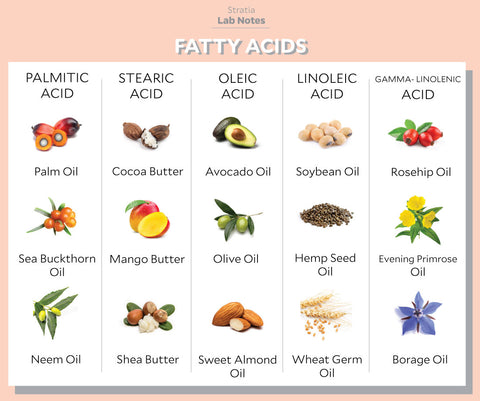
Arachidic acid, a saturated fatty acid, is commonly found in peanut oil and butter. It contributes to moisturizing and nourishing properties in skincare products. Often used in cosmetics, it helps in maintaining skin softness and hydration.
When you dive into the world of skincare or nutrition, you might stumble upon arachidic acid. This fatty acid is a fascinating ingredient with a wide range of benefits. But where does it come from naturally? Understanding its sources can give you insights into how it fits into your daily routine.Plant-based Sources
Arachidic acid is often found in certain plant oils. Peanut oil is a well-known source, making it easy to include in your diet. You might even have peanut oil sitting in your pantry right now. It’s also present in corn oil and canola oil. These oils are staples in many kitchens, so arachidic acid might already be part of your meals.Animal-derived Sources
While plant sources are more common, arachidic acid is also found in some animal fats. For example, cow’s milk contains small amounts of this fatty acid. You may not think of milk as a source of arachidic acid, but it plays a role in its composition. If you’re a fan of dairy, you’re likely consuming this beneficial compound without even realizing it.Other Unique Sources
Shea butter is another intriguing source. It’s often used in skincare products for its moisturizing properties. When you apply shea butter, you’re not just hydrating your skin; you’re also benefiting from arachidic acid. This might make you consider checking the ingredient list of your favorite lotions and creams. — Have you ever wondered how many of these sources are part of your daily life? Perhaps you’re already enjoying the benefits of arachidic acid without knowing it. Next time you cook with peanut oil or use a shea butter lotion, think about the hidden elements you’re adding to your life. The ordinary becomes extraordinary when you know what’s behind it.Extraction Methods
Understanding how arachidic acid is extracted helps in appreciating its purity. Different methods ensure that the acid retains its beneficial properties. This section explores the common techniques used in extracting arachidic acid.
Solvent Extraction
Solvent extraction is one of the most popular methods. It involves using a solvent to dissolve the fatty acids. This method is efficient and widely used in the industry. The process ensures maximum yield of arachidic acid. After extraction, the solvent is removed, leaving pure acid behind.
Cold Pressing
Cold pressing is a natural extraction method. It uses mechanical pressure to extract oils from seeds. This method does not involve heat, preserving the nutrients. Cold pressing is preferred for its simplicity and environmental friendliness.
Supercritical Co2 Extraction
This method uses carbon dioxide under high pressure and temperature. Supercritical CO2 extraction is clean and leaves no residue. It is efficient and safe, preserving the acid’s natural properties. This method is gaining popularity for high-quality extraction.
Enzymatic Extraction
Enzymatic extraction employs enzymes to break down fats. This method is gentle and maintains the integrity of the acid. Enzymes used are specific, targeting only the desired compounds. Enzymatic extraction is seen as a sustainable and efficient method.
Industrial Applications
Arachidic acid plays a crucial role in industrial applications, particularly in the production of lubricants and waxes. Its properties help enhance the texture and stability of these products. Additionally, it is used in cosmetics to improve the emollient qualities of creams and lotions.
Arachidic acid, a saturated fatty acid, finds its place in various industrial sectors due to its versatile properties. Its ability to improve textures and stabilize products makes it a valuable asset across different industries. Let’s dive into how arachidic acid is utilized in the cosmetic, food, and pharmaceutical industries.Cosmetic Industry
In the cosmetic industry, arachidic acid plays a crucial role in enhancing the texture and consistency of beauty products. It acts as an emollient, helping to soften and smooth the skin, which is why it’s found in many lotions and creams. Have you ever noticed how some moisturizers leave your skin feeling silky without being greasy? That’s often the magic of arachidic acid at work. This fatty acid also helps in stabilizing formulations, ensuring that products like lipsticks and foundations maintain their integrity over time. You might appreciate how your favorite lipstick doesn’t melt easily in your bag on a hot day. That stability can be attributed to ingredients like arachidic acid.Food Industry
In the food industry, arachidic acid contributes to the texture and shelf life of various products. It is often used in the production of margarine and spreads, where it helps maintain a desirable consistency. Have you ever wondered why some spreads stay smooth and creamy even after refrigeration? Arachidic acid helps achieve that perfect spreadability. This ingredient also plays a role in the formulation of certain food coatings, providing a glossy finish and helping preserve freshness. Next time you enjoy a shiny-coated candy or snack, consider the behind-the-scenes work of arachidic acid.Pharmaceuticals
Arachidic acid is also significant in the pharmaceutical industry, particularly in the formulation of certain medications and supplements. Its stabilizing properties ensure that active ingredients in capsules and tablets remain effective over time. Imagine relying on a medication that loses its potency too quickly—arachidic acid helps prevent that. Additionally, it is used in topical medications, where its emollient properties aid in the delivery of active ingredients to the skin. When applying a soothing ointment, you’re likely benefiting from the presence of arachidic acid, ensuring the treatment spreads easily and absorbs well. Have you encountered any products that benefit from such ingredients? Recognizing these roles can enhance your understanding of everyday items and their effectiveness.Benefits For Skin
Arachidic acid is a saturated fatty acid. It is found in peanut oil and other vegetable oils. This ingredient is gaining attention in skincare. Its benefits are subtle yet impactful.
Natural oils containing arachidic acid help maintain skin’s moisture balance. They provide a protective barrier. This barrier locks in hydration and keeps skin supple. Regular use can enhance skin’s texture and appearance.
Many skincare products now include arachidic acid. It is valued for its skin-conditioning properties. Let’s explore its benefits further.
Enhances Skin Hydration
Arachidic acid offers deep hydration. It helps skin retain moisture. Hydrated skin looks plump and healthy. This ingredient can combat dryness and flakiness. It is a boon for dry skin types.
Improves Skin Barrier Function
Arachidic acid strengthens the skin barrier. A strong barrier prevents moisture loss. It also shields the skin from external irritants. This leads to fewer breakouts and irritations. Skin becomes resilient and less reactive.
Boosts Skin Texture
Using products with arachidic acid can refine skin texture. It promotes smoothness and softness. Regular application may diminish rough patches. Skin feels velvety and looks even.
Supports Anti-aging Efforts
Arachidic acid has anti-aging benefits. It helps maintain skin elasticity. Elastic skin is less prone to sagging and wrinkles. This can lead to a youthful appearance over time.
Credit: www.zeroacre.com
Potential Side Effects
Arachidic acid, found in some skincare products, may cause mild irritation for sensitive skin types. Users might experience redness or dryness. Patch testing is advised to check for adverse reactions before regular use.
When it comes to skincare and cosmetics, understanding the ingredients in your products is crucial. Arachidic acid is one such ingredient that often pops up. While it’s generally safe, it’s important to be aware of potential side effects. After all, you wouldn’t want to be caught off-guard by a sudden skin reaction. Let’s dive into what you need to know about arachidic acid and its possible impacts on your skin.Understanding Allergic Reactions
Even though arachidic acid is found in many skincare products, some people might be allergic to it. Allergic reactions can range from mild redness to more severe rashes. If you notice irritation, it’s wise to stop using the product and consult a dermatologist.Skin Sensitivity Issues
Do you have sensitive skin? You might want to approach arachidic acid with caution. Some users report increased sensitivity, especially when exposed to sunlight. Consider doing a patch test before applying it to your face or other sensitive areas.Potential For Clogged Pores
Arachidic acid is a fatty acid, which means it can be comedogenic for some people. This means it might clog your pores, leading to acne or blackheads. If you’re prone to breakouts, monitor your skin closely when trying new products containing this ingredient.Interactions With Other Ingredients
Have you ever mixed products and ended up with a surprising reaction? Arachidic acid can interact with other ingredients in unexpected ways. For example, it might not pair well with certain exfoliants. Always check ingredient lists and consult with skincare professionals if you’re unsure.Long-term Usage Concerns
While short-term effects are more common, long-term use can sometimes cause issues as well. Prolonged exposure to any ingredient without breaks might lead to skin fatigue or tolerance. Rotate products in your routine to give your skin a break and maintain its health. Understanding the potential side effects of arachidic acid can help you make informed decisions about your skincare. Have you experienced any unexpected reactions with skincare products before? Share your story and let’s learn from each other.Sustainability Concerns
Arachidic acid plays a role in many industries, especially cosmetics and food. While its benefits are clear, sustainability concerns arise regarding its production and use. Understanding these concerns is crucial for the future of eco-friendly practices.
Environmental Impact
Production of arachidic acid can affect natural ecosystems. Extracting oils from plants requires significant land use. This can lead to deforestation and loss of habitats. Such changes impact biodiversity, leading to ecosystem imbalance.
Resource Consumption
Manufacturing arachidic acid demands considerable water and energy. These resources are finite and their excessive use harms the planet. Sustainable methods aim to reduce this consumption, ensuring resource availability for future generations.
Waste Generation
Production processes often generate waste. Some of this waste is hazardous. Proper disposal is crucial to prevent environmental damage. Companies are exploring ways to minimize waste through recycling and innovative technologies.
Ethical Sourcing
Ethical sourcing of raw materials is vital. It’s important to ensure fair labor practices. This helps communities thrive while protecting resources. Transparency in sourcing practices builds trust among consumers.
Innovative Solutions
Research continues to find sustainable alternatives. Scientists explore plant-based and synthetic options. These alternatives may offer similar benefits with reduced environmental impact. Innovation leads to more responsible production methods.
Future Research Directions
The scientific community continuously explores the potential of arachidic acid. This saturated fatty acid holds promise in various fields. Let’s delve into the future research paths awaiting exploration.
Exploring Arachidic Acid In Skincare Products
Arachidic acid might soon become a staple in skincare formulations. Researchers aim to study its moisturizing properties. Understanding its benefits can help develop better skin products.
Investigating Health Benefits
The health benefits of arachidic acid require further research. Scientists want to explore its role in cardiovascular health. Potential anti-inflammatory effects also need examination.
Studying Industrial Applications
Industrial uses of arachidic acid present exciting possibilities. It could enhance the production of bio-based materials. This research could lead to more sustainable manufacturing processes.
Analyzing Environmental Impact
The environmental effects of arachidic acid production are under review. Researchers focus on minimizing ecological footprints. Sustainable methods are essential for future applications.
Understanding Genetic Interactions
Genetic interactions with arachidic acid remain largely unexplored. Scientists are eager to study its effects on gene expression. This could unlock new insights in nutrition and health.
Credit: www.centrafoods.com
Frequently Asked Questions
What Is Arachidic Acid?
Arachidic acid is a saturated fatty acid found in peanut oil and other vegetable oils. It’s used in cosmetics and skincare products for its moisturizing properties. It helps improve the texture and smoothness of formulations, making it a valuable ingredient in personal care products.
Where Is Arachidic Acid Found Naturally?
Arachidic acid is naturally found in peanuts, corn, and coconut oil. It is also present in some seeds and fish oils. This fatty acid contributes to the nutritional profile of these foods and can be extracted for use in various industrial applications.
Is Arachidic Acid Safe For Skin?
Yes, arachidic acid is generally considered safe for skin. It is widely used in cosmetics and skincare products for its moisturizing benefits. It helps to enhance skin texture and is suitable for most skin types, contributing to smoother, more hydrated skin.
What Are The Benefits Of Arachidic Acid?
Arachidic acid offers moisturizing and skin-conditioning benefits. It improves the texture of cosmetic formulations and enhances skin smoothness. Its emollient properties help maintain skin hydration, making it a preferred ingredient in skincare products for those seeking improved skin texture.
Conclusion
Arachidic acid plays a vital role in skincare products. Its moisturizing properties help maintain healthy skin. This ingredient is found in peanut oil and other sources. Used in cosmetics, it provides a smooth texture. Arachidic acid supports skin barrier function.
It is a valuable component for dry skin solutions. Understanding its benefits can guide better skincare choices. Incorporate products with arachidic acid for improved hydration. This ingredient offers a natural way to care for your skin. Consider trying it in your routine for noticeable results.
Enjoy healthier skin with arachidic acid’s proven benefits.