

Imagine filling your home with the rich, soothing fragrance of fresh roses—whenever you want. What if you could create your own strong scented rose essential oil, tailored exactly to your taste?
This guide will show you simple steps to make your own pure, powerful rose oil right at home. By the end, you’ll have a natural, beautiful scent that lifts your mood and relaxes your mind. Ready to discover the secret to capturing the true essence of roses?
Let’s get started.
Credit: www.amazon.com
Choosing The Right Roses
Choosing the right roses is key to making strong scented rose essential oil. The type of rose you pick affects the smell and quality of your oil. Not all roses have the same fragrance or oil content. Some roses produce a rich, deep scent, while others are light and subtle. Selecting the right variety ensures your oil will have a powerful, lasting aroma.
Best Rose Varieties For Oil
Some roses are famous for their strong fragrance and oil yield. The Damask rose is a top choice. It has a rich, classic scent that many perfumers prefer. The Centifolia rose, also called the cabbage rose, offers a sweet, intense aroma. Another popular variety is the Rosa rugosa. It grows well in many places and has a fresh, spicy smell. Choosing these varieties helps get the best scent and oil amount.
Harvesting At Peak Fragrance
The time to pick roses matters a lot. Roses have the most scent early in the morning. The cool air helps keep the fragrance strong. Picking before the sun rises captures the oil’s full power. Also, pick roses just when the petals start to open. If you wait too long, the scent fades. Fresh, fully opened blooms give the best results for your essential oil.
Preparing Roses For Extraction
Preparing roses for essential oil extraction is an important step. The quality of your oil depends on how well you prepare the petals. Clean petals free of dirt and moisture produce a purer scent. Proper timing helps capture the strongest fragrance.
Cleaning And Drying Petals
Start by picking fresh rose petals. Gently rinse them in cold water. Avoid scrubbing to keep their natural oils. Spread petals on a clean towel. Let them air dry in a shaded area. Direct sunlight can fade the scent. Make sure petals are dry before extraction. Wet petals can spoil the oil and reduce quality.
Timing For Optimal Scent
Pick roses early in the morning. This is when their scent is strongest. Avoid picking after rain or during hot afternoons. The fragrance fades under harsh weather. Harvest petals just before full bloom. Fully open roses lose some scent. Timing affects the intensity of your essential oil.
Extraction Methods
Extracting rose essential oil requires careful methods. These methods help capture the strong, natural scent of roses. Each technique offers different results in purity and fragrance strength.
Cold Pressing Technique
This method presses rose petals to release oils. It works best with fresh petals. Cold pressing keeps the oil’s natural scent intact. It does not use heat, which protects delicate aromas. This technique is simple but less common for roses.
Steam Distillation Process
Steam distillation uses hot steam to separate oils. Steam passes through rose petals, carrying the oils. The steam cools and turns back to liquid. This liquid contains rose oil and water. Rose oil is then separated for use. This is the most popular method for strong, pure oils.
Solvent Extraction Overview
This method uses a liquid solvent to pull oil from petals. The solvent evaporates, leaving behind pure rose oil. It captures more scent than steam distillation. Solvent extraction produces a thick, rich oil called an absolute. Some prefer this for its intense fragrance.
Credit: helloglow.co
Making Rose Oil At Home
Making rose oil at home is a rewarding and simple process. You can enjoy fresh, natural rose scent without chemicals. It takes patience and the right tools. The result is a strong, fragrant essential oil perfect for personal use or gifts.
Gathering Necessary Tools
Start by collecting clean glass jars or bottles. Use a large bowl to hold rose petals. You will also need a fine strainer or cheesecloth. A dark glass bottle helps store the oil safely. Fresh rose petals are essential for best scent. Choose roses without pesticides and pick them early morning.
Step-by-step Extraction Guide
First, gently wash rose petals to remove dirt. Pat them dry with a soft towel. Place petals in the glass jar without crushing. Cover petals with a carrier oil like jojoba or almond oil. Seal the jar tightly and place it in sunlight. Let it sit for two weeks, shaking daily. After two weeks, strain the oil through cheesecloth. Store the oil in a dark bottle away from heat.
Tips For Maximizing Oil Yield
Use fresh, fragrant roses for stronger oil. Avoid bruising petals to keep scent pure. Shake the jar daily to mix petals and oil. Use enough carrier oil to cover all petals. Keep the jar in a warm, sunny spot. Extend steeping time up to four weeks for more scent. Store oil in a cool, dark place to keep quality.
Storing Your Rose Essential Oil
Storing your rose essential oil correctly keeps its scent strong and fresh for longer. Proper storage protects the oil from light, heat, and air, which can weaken the fragrance. Small steps in storage make a big difference in preserving the quality of your homemade oil.
Choosing The Right Containers
Use dark glass bottles to store rose essential oil. Amber or cobalt blue glass blocks sunlight and protects the oil from damage. Avoid plastic containers as they can react with the oil and change its scent. Small bottles with tight caps prevent air from entering. This stops the oil from oxidizing and losing its aroma.
Ideal Storage Conditions
Keep your rose oil in a cool, dry place away from sunlight. Heat can break down the oil’s delicate compounds. A cupboard or drawer works well for storage. Avoid places near heaters or windows. Do not leave the bottle open for long. Always close it tightly after use to keep the scent fresh.

Credit: www.amazon.com
Using And Blending Rose Oil
Rose essential oil is a powerful and fragrant oil. Using it correctly enhances its benefits. Blending rose oil with other oils creates unique scents and effects. This section explains how to use and blend rose oil safely and effectively.
Applications In Aromatherapy
Rose oil is popular in aromatherapy for relaxation. It helps reduce stress and calm the mind. Add a few drops to a diffuser or inhale directly. Use rose oil in massage blends to soothe muscles and improve mood. Its floral scent lifts spirits and promotes emotional balance.
Mixing With Carrier Oils
Rose oil is very strong and must be diluted. Mixing with carrier oils makes it safe for skin use. Common carrier oils include jojoba, almond, and coconut oil. Use about 2-3 drops of rose oil per teaspoon of carrier oil. Always do a patch test to avoid skin reactions.
Creating Custom Blends
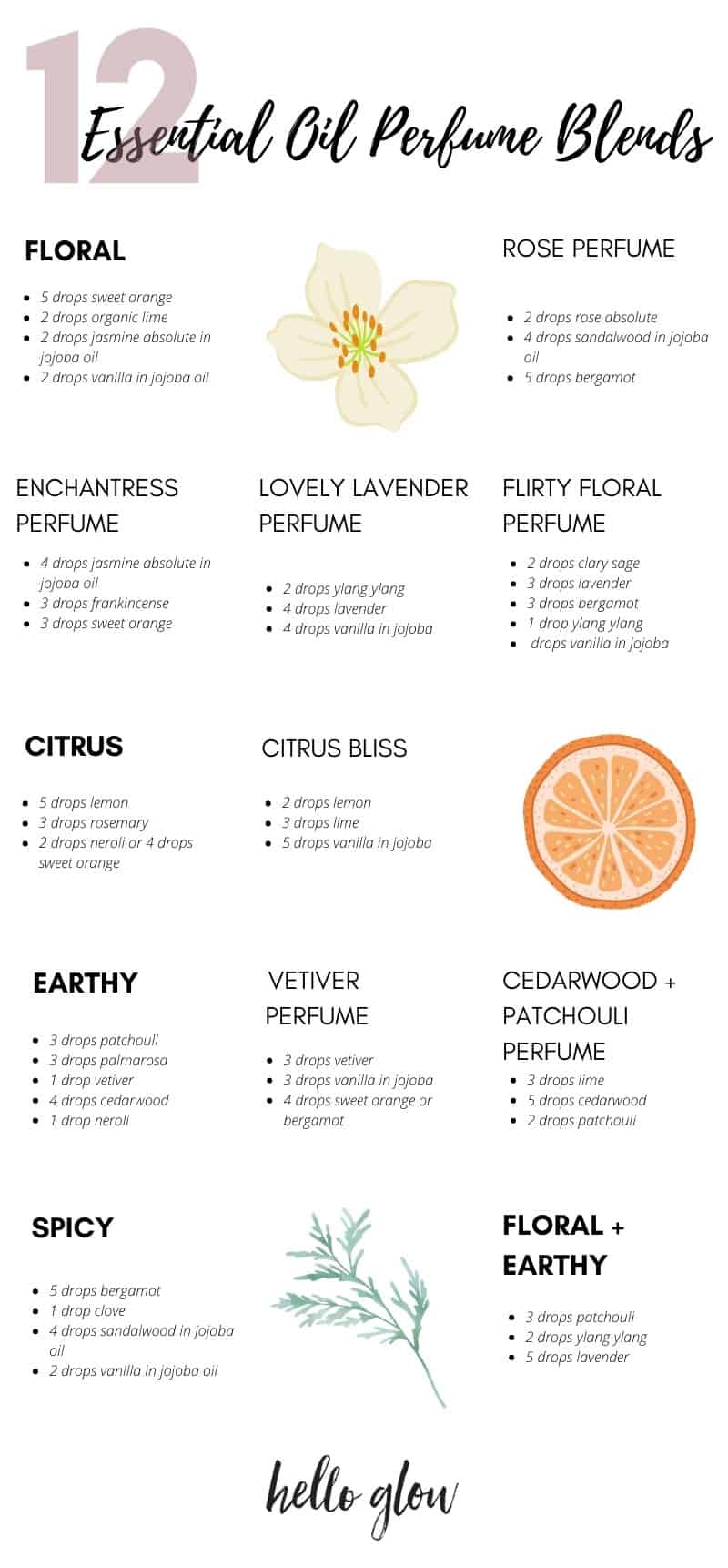
Combining rose oil with other essential oils creates personal blends. Lavender and geranium pair well for a calming mix. Citrus oils like orange or bergamot add freshness. Experiment with small amounts to find the scent you enjoy. Store blends in dark glass bottles to keep them fresh.
Troubleshooting Common Issues
Making your own strong scented rose essential oil is rewarding. Sometimes, problems happen during the process. Knowing how to fix these issues saves time and effort. Here are common problems and easy ways to solve them.
Dealing With Weak Scent
A weak rose scent often means the petals were not fresh. Use roses picked early in the morning for best aroma. Avoid using old or wilted petals. They lose their fragrance quickly.
Steeping time also affects scent strength. Let the petals soak in carrier oil for at least two weeks. Gently warm the oil and petals to release more scent. Do not overheat, as heat can destroy fragrance.
Avoiding Oil Contamination
Cleanliness is key to pure rose oil. Use sterilized jars and tools to prevent bacteria growth. Dirty containers can spoil the oil and cause bad smells.
Store your rose oil in a dark, cool place. Heat and light break down the oil and cause contamination. Seal the bottle tightly after each use to keep air out.
Frequently Asked Questions
How Do I Extract Rose Essential Oil At Home?
You can extract rose essential oil using steam distillation or solvent extraction. Fresh rose petals are essential. Both methods require patience and proper equipment for the best quality oil.
What Type Of Roses Is Best For Essential Oil?
Damask and Rosa Centifolia roses are ideal for making essential oil. These varieties have the richest fragrance and highest oil content. Fresh, organic petals yield stronger scented oil.
How Long Does Homemade Rose Oil Last?
Homemade rose essential oil lasts about 6 to 12 months. Store it in a dark glass bottle away from sunlight and heat. Proper storage helps maintain its scent and effectiveness.
Can I Use Rose Oil For Skin Care?
Yes, rose essential oil is great for skin. It soothes irritation, hydrates dry skin, and has anti-inflammatory properties. Always dilute it with a carrier oil before applying to skin.
Conclusion
Making your own strong scented rose essential oil is simple and rewarding. Fresh rose petals and patience create a lovely fragrance. Use clean tools and follow steps carefully. Store your oil in a cool, dark place. Enjoy the natural scent in your home or skincare.
This process connects you to nature’s beauty. Try it today and feel the calm it brings.