
Hiding dark circles under the eyes is a common concern for both men and women. These dark patches can make you look tired, stressed, or older than you really are. Many people feel less confident because of them, and search for ways to make their under-eye area look brighter and healthier.
But hiding dark circles is not just about using makeup—it’s a mix of smart skincare, lifestyle changes, and choosing the right products. Some solutions work instantly, while others give long-term results.
Understanding the best way to hide dark circles means looking at why they appear, what really works, and which mistakes to avoid. This guide will help you discover not just quick fixes, but also deeper strategies to reduce and cover dark circles effectively.
Whether you want a fast solution for a special event or a daily routine for lasting improvement, you’ll find practical steps, tips, and expert advice here.
What Causes Dark Circles Under Eyes?
Before you learn how to hide dark circles, it’s important to know why they show up. Many people think lack of sleep is the only reason, but there are several causes.
- Genetics: Some people are born with thinner skin or more pigment under their eyes. If your parents have dark circles, you might have them too.
- Aging: As you get older, your skin loses collagen and becomes thinner. This makes the blood vessels under your eyes more visible, causing a dark color.
- Lack of Sleep: Not getting enough rest can make your skin look pale, which lets dark tissues and blood show through.
- Allergies: Allergic reactions can cause your blood vessels to swell and leak, leading to dark circles.
- Dehydration: When your body is not hydrated, the skin under your eyes can look sunken and dull.
- Sun Exposure: Too much sun increases melanin (the pigment that colors your skin), causing more darkness under the eyes.
- Lifestyle Factors: Poor diet, smoking, and alcohol can all worsen dark circles.
Understanding the cause helps you pick the best way to hide or fix your dark circles.
Preparing Your Skin For Concealing
A good result starts with the right preparation. Concealer and makeup look best on well-cared-for skin. Here’s how to get your skin ready:
Cleanse Gently
Use a mild cleanser to wash your face, especially the under-eye area. Avoid harsh soaps or scrubbing. Gentle cleansing removes dirt and oil, making makeup go on smoothly.
Apply A Hydrating Eye Cream
Moisturizing is key. Choose an eye cream with ingredients like hyaluronic acid, peptides, or vitamin E. These help to plump up the skin and reduce dryness, making dark circles less noticeable.
- Apply a small amount and tap it in with your ring finger.
- Wait 1-2 minutes for it to absorb before moving to the next step.
Use An Eye Primer
If you use makeup, a primer helps keep concealer in place and prevents creasing. Some primers also reflect light, making dark circles less obvious.
Non-obvious insight: Many skip primer, but it can make a big difference for long-lasting coverage, especially if you have oily skin or wear makeup for long hours.
Choosing The Right Products
Not all concealers or correctors are the same. Picking the right products for your skin type and dark circle color is important.
Color Correctors
A color corrector helps neutralize the purple, blue, or brown shades under the eyes.
- Peach/Orange correctors work best for blue or purple dark circles (common in fair to medium skin).
- Red or orange correctors are better for very deep or dark skin tones.
- Yellow correctors can help with purple hues.
- Pink correctors are good for brightening pale skin.
Apply a thin layer before concealer, and blend well.
Concealer
When picking a concealer, look for these features:
- Shade: Go one or two shades lighter than your skin tone for a brightening effect.
- Texture: Choose a creamy or liquid formula. Thick, dry formulas can settle in lines.
- Coverage: Medium to full coverage works best for dark circles.
- Finish: A natural or luminous finish reflects light and adds brightness.
Non-obvious insight: If you have fine lines, avoid matte concealers—they can make your under-eye area look dry and older.
Setting Powder
A light translucent powder keeps concealer from creasing or moving. Use a very small amount and press it gently with a soft brush or puff.
Comparing Product Types
Here’s a quick comparison of different product types for under-eye coverage:
| Product Type | Best For | Key Benefit | Common Issue |
|---|---|---|---|
| Liquid Concealer | All skin types | Blends easily, light feel | Can crease if too much used |
| Cream Concealer | Very dark circles | High coverage | May settle in lines |
| Stick Concealer | On-the-go touch ups | Easy to apply | Can look heavy |
| Color Corrector | Strong pigmentation | Neutralizes dark tones | Needs blending skill |
| Setting Powder | Oily or long wear | Prevents creasing | Can look dry if overused |
Step-by-step: How To Hide Dark Circles With Makeup
Let’s look at how to actually cover dark circles with makeup for a natural, fresh look.
Step 1: Prep The Under-eye Area
- Wash your face and gently pat dry.
- Apply eye cream and let it soak in.
- Use primer if you want extra staying power.
Step 2: Apply Color Corrector
- Take a small amount of corrector on your fingertip or a brush.
- Dab it gently onto the darkest part under your eye (usually the inner corner).
- Blend the edges until there’s no harsh line.
Step 3: Concealer Application
- Use a brush, sponge, or clean finger to apply concealer.
- Draw a small triangle under your eye, with the base along your lower lash line and the point toward your cheek.
- Gently blend it out, tapping instead of rubbing.
- Build coverage slowly if you need more.
Step 4: Set With Powder
- Pick up a tiny amount of translucent powder on a fluffy brush.
- Press or sweep it lightly over the concealed area.
- Avoid using too much, as it can make the skin look dry or cakey.
Step 5: Optional Highlight
- For a fresh look, add a touch of highlighter to the inner corner of your eye and just below your brow bone.
Common Mistakes To Avoid
- Using too much concealer (it will crease).
- Skipping moisturizer (can look dry).
- Choosing a shade that’s too light (looks unnatural).
- Not blending enough (leaves visible lines).
Pro tip: Less is more. Start with a little product and add more only if needed.
Skincare Tips For Long-term Improvement
Makeup covers dark circles for a few hours, but healthy skin helps reduce them in the long run. Here’s what you can do:
Get Enough Sleep
Aim for 7-9 hours each night. Poor sleep makes dark circles worse. Try a set bedtime, limit screens before bed, and keep your room dark.
Stay Hydrated
Drink at least 8 glasses of water a day. Hydration keeps skin plump and reduces the sunken look under your eyes.
Eat A Balanced Diet
Include foods rich in vitamin C, vitamin K, and iron. These nutrients help with skin repair and good blood flow.
- Citrus fruits, berries, and leafy greens are excellent choices.
Use Sunscreen Daily
Sun damage makes dark circles darker. Apply sunscreen around your eyes every morning. Look for formulas made for sensitive skin.
Try Eye Creams With Active Ingredients
Look for ingredients like:
- Retinol: Boosts collagen and thickens skin.
- Vitamin C: Brightens and reduces pigmentation.
- Caffeine: Shrinks blood vessels and reduces puffiness.
- Niacinamide: Lightens dark areas and strengthens skin.
Non-obvious insight: Retinol can be irritating—start with a low concentration and use it only at night.
Home Remedies And Lifestyle Habits
Not everyone wants to use makeup every day. Some home remedies and habits can help reduce dark circles over time.
Cold Compress
Apply a cold spoon, chilled gel mask, or bag of frozen peas wrapped in cloth to your eyes for 10 minutes. Cold shrinks blood vessels and reduces color.
Cucumber Slices
Cucumbers are famous for their cooling effect. Place slices on your eyes for 10-15 minutes to reduce swelling and add moisture.
Tea Bags
Soak two green or black tea bags in hot water, let them cool, and place them on your eyes. The caffeine and antioxidants help reduce darkness and swelling.
Elevate Your Head When Sleeping
Use an extra pillow to keep your head slightly higher. This stops fluid from pooling under your eyes, which can cause puffiness and darker circles.
Reduce Alcohol And Smoking
Both can make dark circles worse by dehydrating your skin and damaging blood vessels.
Manage Allergies
If allergies are making your eyes puffy and dark, talk to your doctor about antihistamines or allergy treatments.
Track Progress
Take weekly photos of your under-eye area to see what works and what doesn’t. Sometimes, small changes make a big difference over time.

Credit: charlottaeve.com
Professional Treatments For Stubborn Dark Circles
If home and over-the-counter solutions don’t work, there are medical options. These treatments are usually done by dermatologists or cosmetic doctors.
Chemical Peels
Light chemical peels with ingredients like glycolic acid can lighten dark pigment under the eyes. They remove old skin and encourage new growth.
Laser Therapy
Laser treatments target pigment or blood vessels under the skin. They are effective for both brown and blue/purple dark circles.
Fillers
If dark circles are caused by hollow under-eye areas (called “tear troughs”), injectable fillers like hyaluronic acid can plump up the skin and reduce shadowing.
Microneedling
Tiny needles create small wounds, which boosts collagen and thickens the skin over time.
Platelet-rich Plasma (prp) Therapy
PRP uses your own blood to stimulate repair and lighten dark areas. It’s a newer technique, but some people see improvement.
Comparing At-home Vs. Professional Treatments
Here’s a side-by-side look at the main differences:
| Method | Cost | Time to See Results | Risks | Best For |
|---|---|---|---|---|
| Makeup/Skincare | Low | Instant to weeks | Minimal, allergies possible | Mild to moderate circles |
| Home Remedies | Very low | Weeks to months | Minimal | Early-stage circles |
| Chemical Peels | Medium | 2-4 weeks | Redness, irritation | Brown circles, aging |
| Laser Therapy | High | 1-3 sessions | Swelling, cost | Stubborn pigment |
| Fillers | High | Immediate | Bruising, swelling | Hollow under eyes |
Important: Always consult a qualified professional before choosing any medical treatment.
Special Tips For Men
Men also get dark circles, but often want a solution that looks natural and doesn’t use obvious makeup.
- Pick a tinted moisturizer or a lightweight concealer stick in your shade.
- Tap it in with your finger for a natural finish.
- Focus on skincare (hydration, sleep, sunscreen) for daily improvement.
- Trim eyebrows and keep the area clean—neatness helps reduce shadowing.
When Dark Circles Could Mean A Health Issue
While most dark circles are harmless, sometimes they can signal a health problem:
- Chronic allergies
- Iron deficiency anemia
- Thyroid issues
- Liver disease
If dark circles appear suddenly, or are joined by other symptoms like tiredness, yellow skin, or easy bruising, see a doctor for a checkup.
Cultural And Skin Tone Differences
Dark circles can look different depending on your skin tone.
- Darker skin: More likely to have brown or gray circles due to extra pigment. Orange or red correctors work best.
- Lighter skin: More likely to have blue or purple circles. Peach or yellow correctors help most.
People from South Asia, the Middle East, and Africa may notice more pigmentation under the eyes even from a young age. This is normal, but brightening creams with niacinamide or vitamin C can help.
Non-obvious insight: Some cultures see under-eye darkness as a sign of wisdom or experience, so how you feel about your dark circles is personal.
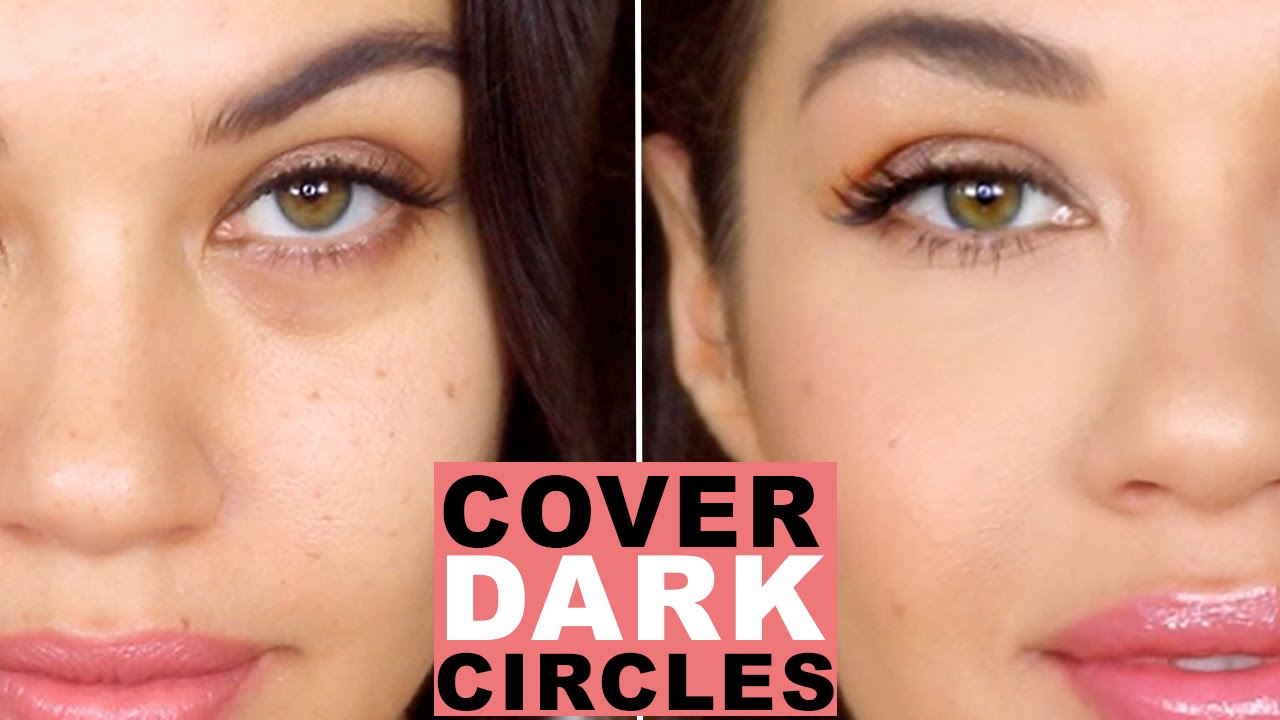
Credit: www.youtube.com
How To Hide Dark Circles Without Makeup
Not everyone wants to use makeup. Here are practical strategies for a makeup-free look:
- Wear sunglasses: They protect your eyes from UV damage and hide darkness instantly.
- Choose the right hairstyle: Long bangs or layers can subtly draw attention away from the eyes.
- Brighten your wardrobe: Wearing lighter or colorful tops brings more light to your face.
- Focus on brows and lashes: Well-groomed eyebrows and curled lashes open up your eyes, making dark circles less noticeable.
- Use under-eye patches: Cooling patches with caffeine or collagen can give a quick boost before going out.
Quick Fixes For Special Occasions
Sometimes you need to hide dark circles for an important event or photo.
- Chill your eye cream in the fridge before applying.
- Use a light-reflecting concealer for extra brightness.
- Take an antihistamine if you have allergies and puffy eyes.
- Get enough sleep the night before and drink water throughout the day.

Credit: www.youtube.com
Myths About Dark Circles
Many myths about dark circles make people try the wrong solutions.
- Myth: Only lack of sleep causes dark circles.
*Fact*: Genetics, allergies, and aging are just as common.
- Myth: Drinking water instantly erases dark circles.
*Fact*: Hydration helps, but it’s not a magic cure.
- Myth: Expensive creams always work better.
*Fact*: Some affordable products work as well as luxury brands—look at ingredients, not just price.
- Myth: You should rub in eye cream.
*Fact*: Always tap gently to avoid stretching the skin.
Case Study: Real Results From Daily Routine
Consider this example:
Priya, a 28-year-old office worker, had dark circles from long hours and genetics. She started using a vitamin C eye cream, applied sunscreen every morning, used a peach corrector and concealer, and put cold tea bags on her eyes twice a week.
After 3 months, she noticed her circles were lighter, and her makeup looked smoother and more natural.
Non-obvious insight: Consistency matters more than expensive products. Stick to a routine for at least 8-12 weeks before judging results.
Latest Research And Trends
Recent studies show that ingredients like niacinamide, peptides, and plant extracts can help reduce dark circles over time. Devices like under-eye LED masks and microcurrent tools are becoming popular. While results vary, early research is positive.
For more in-depth reading, check the American Academy of Dermatology for dermatologist-backed advice.
Frequently Asked Questions
Why Do I Still Have Dark Circles Even With Enough Sleep?
Many factors cause dark circles, not just sleep. Genetics, allergies, aging, and skin tone can all play a role. Even with good sleep, you may need skincare or makeup to cover them.
Can Diet Really Help Reduce Dark Circles?
Yes. Eating foods rich in vitamin C, iron, and antioxidants supports healthy blood flow and skin repair, which can reduce darkness over time.
Is It Safe To Use Makeup On The Under-eye Area Every Day?
Most modern concealers and correctors are safe for daily use if you remove them gently each night and keep the area moisturized. If you notice irritation, try switching to a hypoallergenic product.
Are There Any Ingredients I Should Avoid Under My Eyes?
Avoid strong acids (like glycolic acid), heavy fragrance, and alcohol-based products under the eyes. The skin here is thin and sensitive.
How Long Does It Take To See Results From Skincare For Dark Circles?
Visible improvement can take 8-12 weeks of consistent use. Instant results are rare, but combining good skincare with makeup gives the best short- and long-term results.
Tackling dark circles under the eyes takes patience, the right products, and a little skill. With a mix of smart makeup, healthy habits, and, if needed, professional help, you can make your under-eye area look brighter and more refreshed every day.
Remember, you’re not alone—millions of people work to hide or reduce dark circles, and there’s a solution for every budget and lifestyle.