

Removing soft wax from skin sounds simple, but anyone who’s tried waxing at home knows it can get tricky fast. Sticky residue, irritation, or even stubborn patches are common issues. If you don’t remove wax properly, your skin might feel uncomfortable, look red, or even break out.
The good news is that with the right methods, you can clean your skin safely and easily. This guide gives you every detail you need—whether you’re a first-timer or someone who’s seen it go wrong before. You’ll find clear steps, practical tips, and answers to questions most people forget to ask.
Let’s make sure you can get smooth, wax-free skin with confidence.
Why Does Soft Wax Stick To Skin?
Soft wax, also called strip wax, is popular for hair removal because it grabs even short hairs. But it’s also sticky by design. Soft wax contains resins or honey that cling to hair and skin. When you press a strip onto the wax, it bonds tightly.
After pulling the strip, a thin layer of wax often remains on the skin.
This leftover wax is tough to clean with just water. That’s because soft wax is not water-soluble. It needs oil or certain solvents to break it down. If you try to rub it off, you’ll usually spread it around or irritate your skin.
What You Should Do Before Removing Wax
Before you grab any product, take a moment to check your skin. If you see cuts, swelling, or signs of infection, treat those issues first. Removing wax from broken skin can make things worse.
Here’s what you should prepare:
- Clean hands: Wash with soap and water to avoid infection.
- Soft cloths or cotton pads: You’ll need these for wiping.
- Mild oil: Baby oil, olive oil, or coconut oil works well.
- Lukewarm water: For rinsing if needed.
- Mild soap: In case you need to wash after oil removal.
- Moisturizer: To soothe skin after.
Having these items ready means you won’t scramble in the middle of the process.
The Most Effective Ways To Remove Soft Wax From Skin
Different methods work best for different skin types, wax amounts, or situations. Here’s a deep look at the most reliable techniques.
1. Using Baby Oil Or Mineral Oil
Baby oil is gentle, affordable, and safe for most skin types. Mineral oil works similarly. Both dissolve wax because wax is oil-soluble.
Steps:
- Pour a small amount of oil onto a cotton pad or soft cloth.
- Gently press the pad onto the wax for 30 seconds.
- Wipe in a slow, circular motion.
- Repeat if needed until the wax loosens and comes off.
- Wash with mild soap and water to remove oil residue.
Why it works: The oil softens the wax, allowing it to lift off your skin without harsh rubbing.
Tip: Don’t rush. Let the oil soak in to avoid skin irritation.
2. Olive Oil Or Coconut Oil
If you prefer natural products, olive oil or coconut oil are excellent choices. They’re not only effective at removing wax, but also add moisture to the skin.
Steps:
- Warm a small amount of oil in your hands.
- Massage it gently into the waxed area.
- Let it sit for a minute.
- Use a clean cloth to wipe away the wax and oil.
- Rinse with lukewarm water.
Bonus: Coconut oil has mild antibacterial properties, which can help prevent breakouts.
3. Petroleum Jelly
Petroleum jelly (like Vaseline) is thick and sticky, but it’s good at breaking down wax.
Steps:
- Apply a thick layer over the wax.
- Wait 2-3 minutes.
- Wipe away with a soft tissue or cotton pad.
- Wash the area with gentle soap.
Why some people miss this: Many people use petroleum jelly only for dry skin, but it’s a surprisingly effective wax remover.
4. Commercial Wax Remover Wipes
Some waxing kits come with special wipes. These contain oils designed to remove wax easily.
Steps:
- Take a wipe and gently rub it over the waxed skin.
- Continue until all residue is gone.
- Wash or rinse skin if desired.
What to check: Make sure the wipes are for post-wax use. Some wipes (like makeup removers) may be too harsh.
5. Warm Compress
If you don’t have oil nearby, a warm compress can help soften the wax.
Steps:
- Soak a clean cloth in hot (not scalding) water.
- Wring out excess water.
- Hold the cloth against the wax for 30-60 seconds.
- Try to gently wipe the wax away.
- Repeat or finish with oil if needed.
Warning: Do not use boiling water. Overheating can burn your skin.
6. Commercial After-wax Lotions
After-wax lotions are sold at beauty stores and online. They contain oils, moisturizers, and sometimes calming agents like aloe vera.
Steps:
- Apply a small amount to the waxed area.
- Massage gently until the wax dissolves.
- Wipe off any residue.
Extra: These lotions also soothe redness and reduce inflammation.
7. Honey Or Sugar Solutions
Sometimes, if you used a homemade wax (like sugar wax), you can use the same ingredients to remove leftover bits.
Steps:
- Mix warm water with a little sugar or honey.
- Dip a cotton pad in the solution.
- Dab gently on the wax.
- Wipe away after a few seconds.
Why this works: Sugar and honey soften their own residue. This method works mainly for sugar wax, not for resin-based soft wax.
8. Alcohol-based Cleansers
If nothing else is available, rubbing alcohol can help. But use this only if your skin is not sensitive.
Steps:
- Pour a small amount on a cotton ball.
- Dab gently on the wax.
- Wipe off.
Caution: Alcohol can dry out your skin. Apply moisturizer right after.
9. Using Ice Cubes For Sticky Spots
This trick is less known but can help with small sticky bits.
Steps:
- Wrap an ice cube in a thin cloth.
- Press gently onto the wax for 30 seconds.
- Try to peel the hardened wax away.
Why it works: Cold makes wax brittle, so it can sometimes be picked off in small pieces.
10. Avoiding Common Mistakes
Many people try to scrape or scratch the wax off. This can damage your skin or cause redness.
Instead, always use a soft, patient approach. It’s better to repeat a gentle method than to risk irritation.
Here’s a quick comparison of popular wax removal methods:
| Method | Best For | Pros | Cons |
|---|---|---|---|
| Baby Oil | All skin types | Gentle, effective | May feel greasy |
| Olive/Coconut Oil | Dry/sensitive skin | Natural, moisturizing | Some allergies possible |
| Petroleum Jelly | Very sticky wax | Thick, protective | May clog pores |
| After-wax Wipes | On-the-go | Convenient, fast | Can be expensive |
| Alcohol | Oily skin only | Quick | Dries skin, stings |
How To Choose The Right Method For Your Skin
Not every method is perfect for every person. Here’s how to match your skin type and situation to the best wax removal method.
Sensitive Skin
If your skin gets red or itchy easily, stick to natural oils or after-wax lotions. Avoid alcohol or harsh soaps. Do a patch test on a small area before applying any product.
Oily Skin
For oily skin, mineral oil or baby oil works well, but always wash with a gentle cleanser afterward. This prevents pores from clogging.
Dry Or Mature Skin
Coconut oil or olive oil will remove wax and add needed moisture. Apply a fragrance-free moisturizer after cleansing.
Allergies
Check labels. Some oils (like almond oil) can cause reactions. If you’re unsure, use petroleum jelly or plain baby oil.
Large Vs. Small Areas
Use wipes or oil for large patches. For small sticky spots, ice cubes or a cotton swab with oil are more precise.
Here’s a table to help you decide at a glance:
| Skin Type | Best Method | Why |
|---|---|---|
| Sensitive | Natural oils, after-wax lotion | Less irritation |
| Oily | Baby oil, mineral oil | Easy to wash off |
| Dry | Coconut oil, olive oil | Moisturizes skin |
| Allergic | Petroleum jelly | Hypoallergenic |
Aftercare: Protecting Your Skin Post-wax
Removing wax is just the start. Good aftercare prevents redness, bumps, and breakouts. Here’s how to take care of your skin:
- Apply a gentle moisturizer: Look for aloe vera, calendula, or fragrance-free creams.
- Avoid heat for 24 hours: No hot showers, saunas, or sunbathing. Your skin is sensitive.
- Wear loose clothing: Tight clothes can irritate freshly waxed skin.
- Don’t scratch or pick: Even if your skin itches a little.
- Wait before exfoliating: Give your skin at least 48 hours to recover.
Non-obvious insight: Many people forget to avoid scented lotions. These can sting or cause breakouts after waxing.
What To Do If You Experience Irritation Or Redness
Sometimes, even with care, your skin might react. Here’s what to do if you notice redness, bumps, or discomfort:
- Cool compress: Apply a soft, damp cloth for 5-10 minutes.
- Hydrocortisone cream: For itchy spots (use only as directed).
- Aloe vera gel: Soothes and cools.
- Avoid makeup or perfumes: For at least 12 hours on waxed areas.
If you see signs of infection (like pus, severe swelling, or spreading redness), seek medical help. This is rare but possible if the skin barrier is broken.

Credit: eyecandybrowsalon.com
Special Cases: Hard-to-reach Areas And The Face
Removing wax from your arms or legs is one thing. But what about the face, bikini line, or underarms?
- Face: Use only gentle oils or after-wax lotions. Avoid alcohol. Use small cotton swabs for precision.
- Bikini Line: Choose hypoallergenic products. Rinse with cool water after removing wax.
- Underarms: These areas sweat more. Use oil, then wash with a gentle antibacterial soap.
Insider tip: Don’t use commercial wipes with strong fragrances on sensitive zones.
How To Prevent Wax Residue In The First Place
Prevention makes cleaning up much easier. Here are some smart steps:
- Apply a thin wax layer: Thick wax is harder to remove.
- Press strips firmly: This lifts more wax in one pull.
- Hold skin taut: Reduces leftover wax and pain.
- Pull strips quickly and close to the skin: Don’t pull upward.
- Check for residue before moving to the next area: Clean as you go.
Little-known insight: Dusting skin with a bit of cornstarch before waxing helps wax stick to hair, not skin. This means less sticky residue.
When To Seek Professional Help
Most wax residue is harmless. But get help if:
- The wax won’t come off after several tries.
- Your skin blisters or bleeds.
- You develop a rash that spreads.
A professional can safely remove stubborn wax and treat your skin.
Products To Avoid When Removing Wax
Not every household product is safe for your skin. Avoid these:
- Acetone or nail polish remover: Harsh and drying.
- Scrubbing pads: Damage skin.
- Bleach or chemical cleaners: Dangerous on skin.
- Very hot water: Can burn sensitive, freshly waxed skin.
Stick to gentle, skin-friendly products.
Understanding The Difference: Soft Wax Vs. Hard Wax
Why is soft wax harder to remove than hard wax? Here’s a comparison:
| Type | How It’s Used | Residue Level | Removal Method |
|---|---|---|---|
| Soft Wax | Spread thin, removed with strips | High (often leaves sticky patches) | Needs oil or remover |
| Hard Wax | Thick layer, peels off without strips | Low (usually no residue) | Peel off, little cleanup |
If you struggle with sticky residue every time, consider trying hard wax for areas like the face or bikini line.
Diy Solutions: Are They Safe?
Homemade solutions like using butter or cooking oil are common in emergencies. While these can work, always check for allergies. Never use anything with added scents or flavors.
Example: Some people recommend mayonnaise, but this can clog pores and cause breakouts. Stick to pure oils.

Credit: www.amazon.com
What If Wax Gets On Clothes Or Surfaces?
If soft wax spills on your clothes, don’t panic. Here’s how to handle it:
- Let it harden: Scrape off as much as possible.
- Apply paper towels on both sides: Iron gently. The heat melts wax, and the towels absorb it.
- Wash as usual: Check if all wax is gone before drying.
For floors or countertops, use oil and a soft cloth, then clean with mild soap.
Expert Tips For A Smooth Waxing Experience
- Test temperature: Always test wax on a small area to avoid burns.
- Exfoliate gently before waxing: Removes dead skin, helps wax grip hair—not skin.
- Moisturize the day before, not right before: Too much lotion can prevent wax from working.
- Stay calm: Rushing leads to mistakes and more residue.
- Have supplies ready: Don’t hunt for oil with sticky hands.
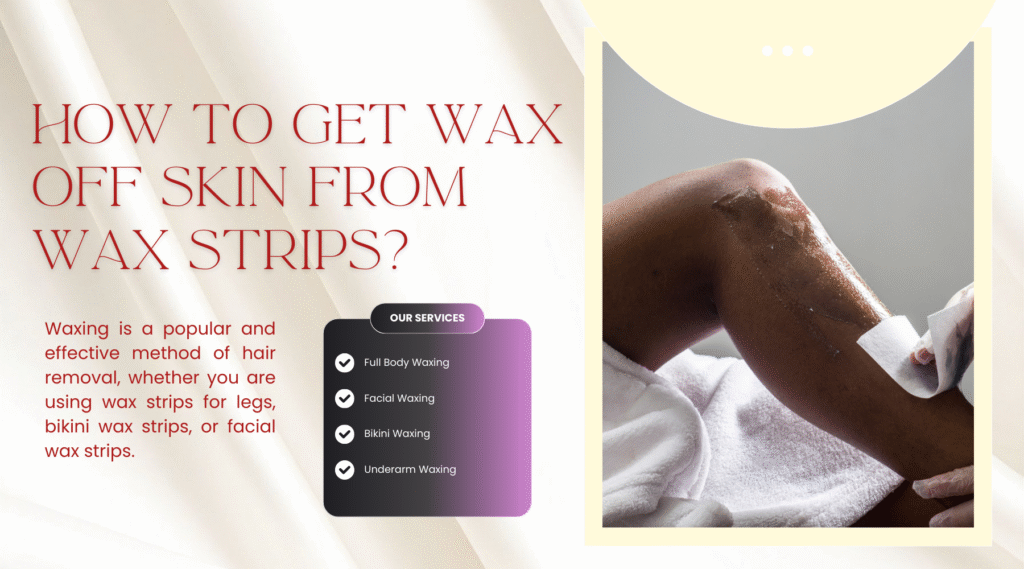
Credit: eyecandybrowsalon.com
Common Myths About Wax Removal
- Myth: You can remove wax with just soap and water.
- Truth: Soft wax is not water-soluble; you need oil or a remover.
- Myth: The more you scrub, the faster wax comes off.
- Truth: Scrubbing irritates skin and rarely helps.
- Myth: Any household oil will do.
- Truth: Some oils (like motor oil!) Are unsafe for skin. Use body-safe oils only.
- Myth: Wax residue means you did it wrong.
- Truth: Even pros sometimes get sticky spots. It’s normal.
When Wax Removal Methods Don’t Work
Rarely, you might find wax that refuses to budge. If this happens:
- Try a different oil or petroleum jelly.
- Apply oil, then cover with plastic wrap for a few minutes to “steam” the wax.
- If all else fails, ask a professional or dermatologist.
Important: Never use sharp objects to scrape wax from your skin.
Real-life Example: Removing Wax After A Home Waxing Mistake
Let’s say you used soft wax strips on your legs. After pulling the strip, you notice sticky patches everywhere. You try wiping with water—nothing happens. Instead, follow these steps:
- Pour baby oil on a cotton pad.
- Press it on the wax for 30 seconds.
- Wipe gently in circles.
- Repeat until the area is clean.
- Wash with gentle soap, pat dry, and moisturize.
This method is gentle, safe, and works for most people.
What Professionals Use
In salons, estheticians use special after-wax oils or lotions. These are made to dissolve wax quickly and soothe the skin. If you wax often, buying a small bottle of after-wax oil for home use can save time.
For more detailed advice on waxing techniques and aftercare, you can check out Healthline.
Frequently Asked Questions
How Long Does It Take To Remove Wax From Skin?
Most wax residue comes off in a few minutes if you use oil. Stubborn patches might take 5-10 minutes. Never rush; gentle soaking works best.
Can I Use Makeup Remover To Get Wax Off?
Some makeup removers contain oils and can work, but others may irritate skin. Test on a small spot first. It’s safer to use baby oil or coconut oil.
Is It Safe To Use Rubbing Alcohol On My Face?
It’s best to avoid alcohol on facial skin. Alcohol dries and can sting. Use natural oil or an after-wax lotion for the face.
What If I Have An Allergic Reaction To A Wax Remover?
Wash the area with cool water and a mild soap. Apply aloe vera gel. If swelling or rash continues, consult a doctor.
Can I Prevent Wax From Sticking To My Skin?
Yes. Dust your skin with a little cornstarch before waxing. Use a thin wax layer and pull strips quickly for less residue.
Getting soft wax off your skin can be simple, safe, and even soothing if you use the right methods. With a bit of preparation and care, you’ll enjoy smooth, comfortable skin every time you wax.