
Melasma can feel frustrating and stubborn. Many people notice brown or gray patches on their cheeks, nose, forehead, or upper lip, and wonder why they appear and how to remove them. If you are searching for answers, you are not alone—millions of people worldwide deal with melasma, especially women with darker skin types.
The good news is, you can manage and often fade melasma with the right approach. Understanding what triggers melasma and using effective treatments makes a big difference. This guide explains everything you need to know to help reduce melasma and prevent it from coming back.
What Is Melasma?
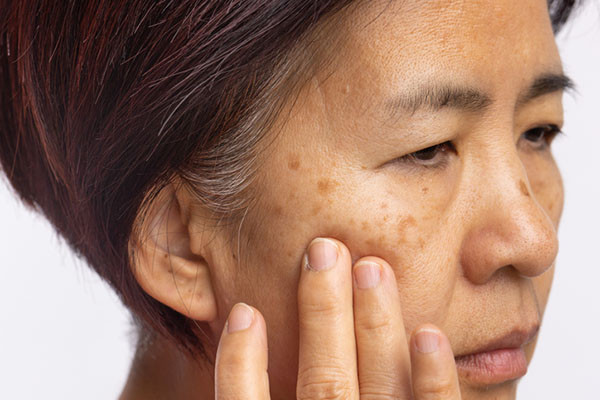
Melasma is a common skin condition that causes dark, discolored patches on the skin. These patches are usually brown or gray-brown and appear mostly on the face. Melasma is not dangerous, but it can affect your self-confidence.
It is more common in women, especially during pregnancy or after using birth control pills. Sun exposure, genetics, and hormonal changes are the main reasons people get melasma. The patches often develop slowly and can get darker if you spend time in the sun.
Causes And Triggers Of Melasma
Understanding the main causes of melasma is important for treatment. Here are the most common triggers:
- Sun exposure – Ultraviolet (UV) light from the sun triggers extra pigment (melanin) in the skin.
- Hormonal changes – Pregnancy, birth control pills, or hormone treatments can cause melasma. This is why it’s sometimes called the “mask of pregnancy.”
- Genetics – If someone in your family has melasma, you are more likely to get it.
- Certain skin products – Some cosmetics or skincare products can make melasma worse, especially if they irritate your skin.
- Medications – Some drugs make your skin more sensitive to sunlight.
A less obvious trigger is heat. Even without sunburn, high temperatures can make melasma worse, especially for people with darker skin tones.
Credit: www.health.harvard.edu
How To Get Rid Of Melasma: Step-by-step Guide
Treating melasma takes patience and the right plan. The methods below can help fade patches and reduce new ones from forming. For best results, combine several approaches and avoid common mistakes.
1. Sun Protection
Sun protection is the most important part of melasma treatment. Without it, other treatments will not work well.
- Use a broad-spectrum sunscreen with SPF 30 or higher every day, even when it’s cloudy.
- Reapply sunscreen every 2 hours, especially if you sweat or swim.
- Wear a wide-brimmed hat and sunglasses outside.
- Seek shade whenever possible.
A key insight: Visible light (not just UV) can also worsen melasma. Look for sunscreens with iron oxides for better protection.
2. Topical Treatments
Many creams and gels can help fade melasma. Some are available over the counter, but stronger options need a prescription.
Common Topical Ingredients
| Ingredient | How It Works | Prescription Needed? |
|---|---|---|
| Hydroquinone | Blocks melanin production | Sometimes |
| Tretinoin | Speeds up cell turnover | Yes |
| Azelaic Acid | Reduces pigment | No |
| Kojic Acid | Inhibits pigment enzyme | No |
| Corticosteroids | Reduces inflammation | Yes |
Many dermatologists recommend a combination cream containing hydroquinone, tretinoin, and a mild steroid for faster results. However, using hydroquinone for too long can sometimes cause side effects like skin irritation or even darkening. Always follow your doctor’s advice.
3. Chemical Peels
Chemical peels use acids to remove the top layer of skin, making dark patches lighter. Glycolic acid, salicylic acid, and lactic acid are common choices.
- Peels must be done by a trained professional to avoid burns or scars.
- Usually, several sessions are needed.
- After a peel, sun protection is even more important.
A common mistake: Using strong peels at home without guidance. This can make melasma worse.
4. Laser And Light Treatments
Laser treatments and intense pulsed light (IPL) can help stubborn melasma, but results vary. These treatments target pigment but can sometimes cause rebound darkening, especially in people with darker skin.
Some options include:
- Fractional lasers
- Q-switched lasers
- Low-fluence lasers
Always choose a clinic with experience treating melasma in your skin type. Ask your doctor about risks and results before starting.
5. Oral Medications
For severe melasma, dermatologists sometimes prescribe oral medicines. One example is tranexamic acid, which can reduce pigment production.
- Tranexamic acid is not suitable for everyone (for example, people with blood clotting problems).
- Side effects are rare but possible.
- Oral treatments are usually combined with other methods.
6. Home Remedies And Natural Options
Some natural ingredients may help mild melasma, but results are slow. Options include:
- Aloe vera gel (contains aloin, which may lighten skin)
- Licorice extract (blocks pigment enzyme)
- Vitamin C serums (antioxidant effect)
While these are gentle, they are not as strong as prescription treatments. They may be useful for sensitive skin or as extra support.
7. Skincare Habits To Avoid
Certain habits can make melasma worse or slow down your progress:
- Scrubbing skin too hard
- Using harsh exfoliants or strong acne products
- Not removing makeup before bed
- Ignoring sunscreen
A less obvious mistake: Using scented skin products, which can irritate and darken patches.
8. Lifestyle Changes For Prevention
Melasma tends to come back if you are not careful. These tips can help prevent new patches:
- Avoid direct sun between 10 a.m. and 4 p.m.
- Wear sun-protective clothing and hats.
- Limit heat exposure (such as saunas or hot kitchens).
- Choose gentle skin care products with few ingredients.
- Manage stress, as it can affect hormones.
If you are pregnant or using hormonal birth control, discuss options with your doctor if you notice melasma.
How Long Does Melasma Take To Fade?
There is no quick fix for melasma. With daily sunscreen and the right treatments, you may see improvement in 3–6 months. For some people, it can take longer. Stopping treatment too early or skipping sunscreen can cause patches to return.
Here’s a rough timeline to set realistic expectations:
| Time Frame | Expected Results |
|---|---|
| 1–2 months | Slight lightening of patches, less visible in good light |
| 3–6 months | Noticeable fading, especially with combination treatments |
| 6+ months | Patches may be barely visible or gone, but return if not careful |
:max_bytes(150000):strip_icc()/treating-melasma-4589536_final-5c9434e883b7455982e7b621571cb1bb.png)
Credit: www.verywellhealth.com
Comparing Treatment Options
Not all treatments work the same for everyone. Your skin type, melasma depth, and triggers matter. Here’s a simple comparison:
| Treatment | Effectiveness | Time to Results | Best For |
|---|---|---|---|
| Topical creams | High (with prescription) | 3–6 months | Mild to moderate melasma |
| Chemical peels | Moderate to high | 2–4 sessions | Stubborn patches |
| Laser treatments | Moderate | 1–5 sessions | Resistant cases, lighter skin |
| Oral medications | Moderate | 3–6 months | Severe, persistent melasma |
| Natural remedies | Low | 6+ months | Very mild cases, sensitive skin |
When To See A Dermatologist
Some signs mean you should see a skin doctor:
- Melasma patches are spreading quickly or changing color.
- Treatments at home are not working after 3–6 months.
- You notice redness, irritation, or sores.
- You are unsure if it is melasma or another skin condition.
A dermatologist can confirm the diagnosis and choose the best treatment for your skin type.
:max_bytes(150000):strip_icc():focal(999x0:1001x2)/ginger-zee-melasma-1-1-c194e8f6645b4ce5bffd6e9a61e95bb0.jpg)
Credit: people.com
Non-obvious Tips For Success
Most people focus on creams, but there are two less-known things that can help:
- Apply sunscreen indoors if you sit near windows or use screens for many hours. Light from windows and even some indoor lights can affect melasma.
- Use gentle cleansing routines. Over-washing or using hot water can irritate skin and slow healing. Stick to lukewarm water and mild cleansers.
Frequently Asked Questions
What Is The Fastest Way To Get Rid Of Melasma?
There is no overnight cure, but combination treatments (like prescription creams plus sunscreen) give the best results. For some, chemical peels or gentle laser treatments may speed up fading, but only with expert advice.
Can Melasma Go Away On Its Own?
Sometimes, especially if caused by pregnancy or birth control, melasma can fade when hormones return to normal. However, for most people, it needs treatment and strong sun protection to disappear.
Is It Safe To Use Hydroquinone For Melasma?
Hydroquinone is effective but should be used carefully and only as directed by a doctor. Long-term or incorrect use can cause side effects like irritation or darkening. Always take breaks after 3–4 months of use.
Does Diet Affect Melasma?
There is no direct link between food and melasma. However, a diet high in antioxidants (fruits and vegetables) may help your skin recover from sun damage. Avoiding triggers like stress and hormonal changes is more important.
Where Can I Find More Information About Melasma Treatments?
You can visit the American Academy of Dermatology for trusted information on melasma causes and treatments.
Melasma can be stubborn, but you have many options to help fade dark patches and prevent new ones. With patience, expert advice, and good daily habits, clearer skin is possible. Stay consistent, protect your skin from the sun, and seek help if you are not seeing results.
Your confidence can grow as your melasma fades—step by step.