
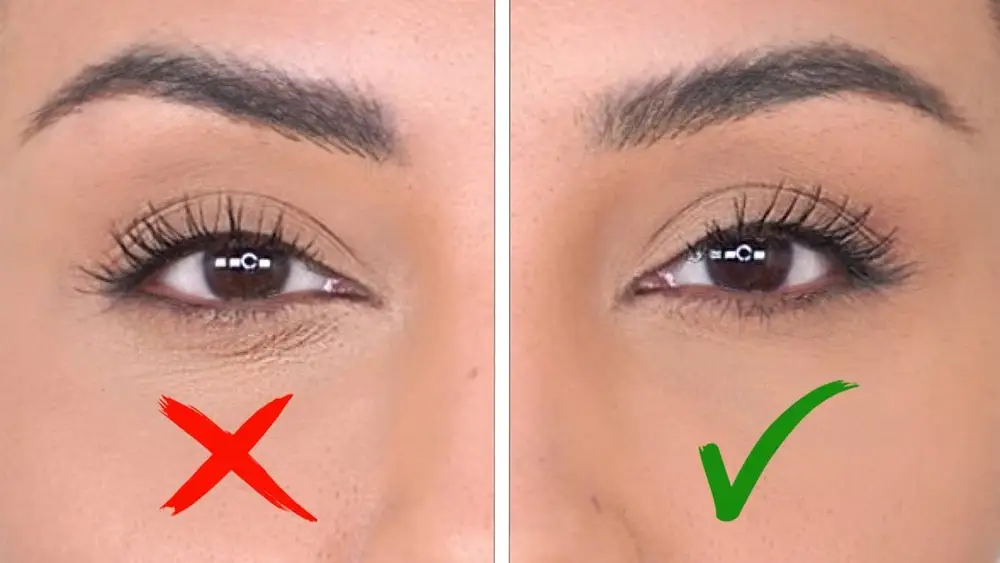
Creases under the eyes are a common concern for many people. These small lines can make your face look tired, older, or less vibrant. They often appear as we age, but even young people can notice them due to lifestyle, genetics, or environmental factors.
If you’re searching for ways to get rid of creases under the eyes, you’re not alone. The good news is, there are many methods—both simple and advanced—that can help reduce these lines and make your skin look smoother and fresher.
Understanding where these creases come from is the first step. Then, you can choose the right mix of daily habits, skincare routines, and professional treatments to tackle the problem. This article will guide you through everything you need to know, from quick fixes to long-term solutions.
Let’s explore what really works and what beginners often overlook when it comes to smoothing the skin under your eyes.
What Causes Creases Under The Eyes?
Before you try to fix under-eye creases, it’s important to know why they appear. Several factors can contribute, and sometimes it’s a mix of these causes:
1. Aging And Collagen Loss
As you get older, your body produces less collagen and elastin. These are proteins that keep your skin firm and elastic. When their levels drop, the skin becomes thinner and more likely to crease or wrinkle, especially in delicate areas like under your eyes.
2. Sun Exposure
Ultraviolet (UV) rays from the sun break down collagen and elastin faster. Even a few minutes of sun exposure each day without protection can speed up skin aging and deepen under-eye creases.
3. Dehydration
When your body doesn’t have enough water, your skin can look dull and creased. The area under your eyes is especially sensitive to dehydration.
4. Facial Expressions
Squinting, smiling, or rubbing your eyes can create folds in the skin. Over time, these movements make creases deeper and more permanent.
5. Genetics
Your family history plays a role. If your parents have under-eye lines, you are more likely to get them too.
6. Lifestyle Factors
Poor sleep, smoking, alcohol, and a diet low in vitamins can all make under-eye creases worse.
7. Allergies Or Eye Irritation
Rubbing your eyes due to allergies or tiredness can damage the delicate skin and lead to wrinkles.
Daily Habits To Prevent And Reduce Under-eye Creases
Improving your everyday habits can make a big difference in reducing creases under the eyes. These steps are simple but powerful.
Get Enough Quality Sleep
Lack of sleep causes the skin under your eyes to look puffy and lined. Aim for 7–9 hours of restful sleep each night. Try to sleep on your back and use an extra pillow to reduce fluid build-up under the eyes.
Stay Hydrated
Drink at least 8 glasses (about 2 liters) of water every day. Well-hydrated skin looks plumper and smoother. Avoid too much caffeine or alcohol, which can dry out your skin.
Protect Your Eyes From The Sun
Always wear sunscreen with at least SPF 30, even on cloudy days. Sunglasses with UV protection help too. The skin under your eyes is thin and can burn easily.
Eat A Skin-healthy Diet
Foods rich in vitamin C, vitamin E, and antioxidants support collagen production and repair. Include citrus fruits, nuts, spinach, and berries in your meals.
Avoid Rubbing Your Eyes
Touching or rubbing your eyes stretches the skin and can break down collagen. Use gentle motions when applying makeup or skincare products.
Quit Smoking
Smoking reduces blood flow to your skin and damages collagen. Quitting can slow skin aging and help smooth out under-eye creases.
Use A Humidifier
Dry air, especially in winter, can pull moisture from your skin. A humidifier in your bedroom helps keep your skin hydrated overnight.
Skincare Products For Under-eye Creases
Choosing the right products can improve the look of creases under the eyes. Not all creams or serums are equal, so it’s important to know what ingredients to look for.
Eye Creams With Retinol
Retinol is a form of vitamin A that helps build collagen and smooth fine lines. Use a gentle, low-strength retinol cream designed for the eye area. Start with twice a week to avoid irritation.
Hyaluronic Acid Serums
Hyaluronic acid draws moisture into the skin, making it look fuller and less lined. Look for serums or gels you can apply before your moisturizer.
Peptides
Peptide creams help signal your skin to make more collagen. Over time, they can help firm the area under your eyes.
Vitamin C Serums
Vitamin C helps brighten skin and protect against sun damage. It also supports collagen growth.
Caffeine-based Eye Creams
Caffeine reduces puffiness and tightens skin quickly. While the effect is temporary, it can make creases less noticeable for a few hours.
Sunscreen For Eyes
Some sunscreens are safe for use around the eyes. These protect your skin from UV rays and prevent future damage.
How To Apply Eye Products Properly
- Use your ring finger to gently tap (not rub) the product under your eyes.
- Apply creams or serums to clean, dry skin.
- Wait a few minutes before layering other products or makeup.
Professional Treatments For Under-eye Creases
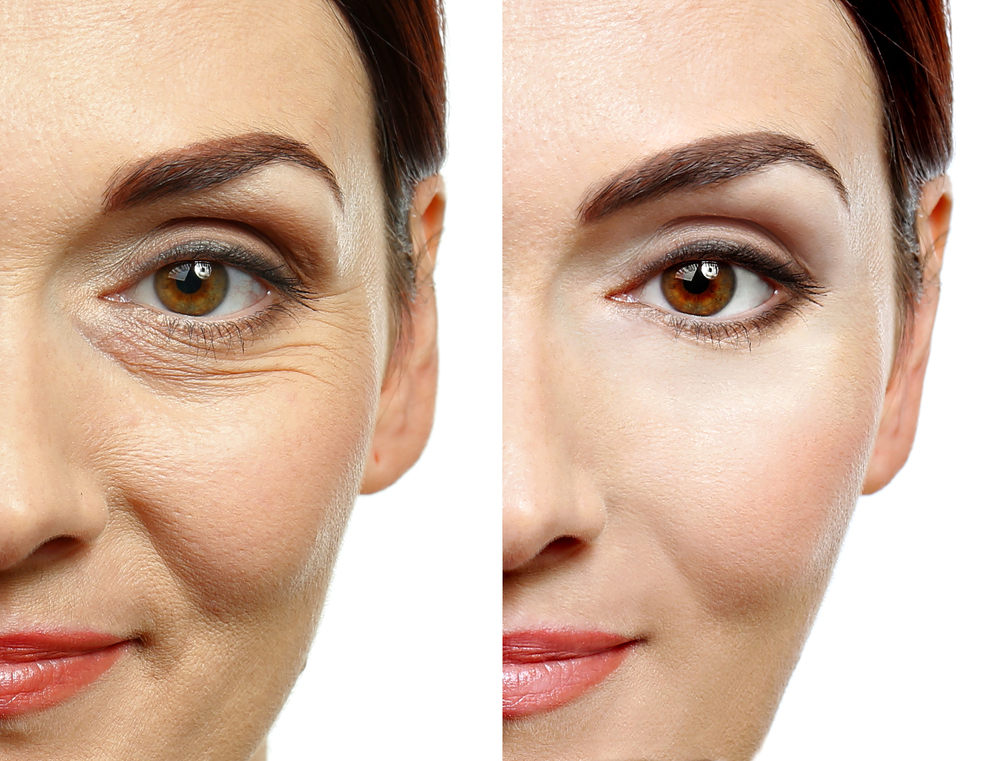
Sometimes, home care and over-the-counter products are not enough. Professional treatments can give stronger results. Here are some of the most effective options:
Chemical Peels
A chemical peel uses a solution to remove the top layer of skin. This encourages new, smoother skin to form. Light peels can be done at home, but deeper peels should be done by a dermatologist.
Laser Therapy
Laser treatments like fractional CO2 lasers boost collagen production and resurface the skin. They can reduce both fine lines and deeper creases, but need several sessions and some recovery time.
Microneedling
Microneedling uses tiny needles to create small injuries in the skin. This stimulates collagen and elastin growth. It can help smooth lines under the eyes over a series of treatments.
Dermal Fillers
Doctors inject hyaluronic acid fillers under the skin to plump up creased areas. Results are immediate and can last 6–12 months.
Botox
Botox relaxes the muscles that cause wrinkles, especially if you squint a lot. It can smooth dynamic lines under the eyes for 3–4 months.
Platelet-rich Plasma (prp) Therapy
PRP uses your own blood to promote healing and collagen growth. It’s injected into the skin under the eyes and can improve texture over time.
Radiofrequency Treatments
These devices use heat to tighten skin and boost collagen. They are less invasive than lasers, and there’s little downtime.
Comparing Professional Treatments
Below is a comparison of popular professional treatments for under-eye creases:
| Treatment | How It Works | Downtime | Results Last | Best For |
|---|---|---|---|---|
| Chemical Peel | Removes top skin layer | Few days | Months | Fine lines, texture |
| Laser Therapy | Boosts collagen, resurfaces skin | 1–2 weeks | 1–2 years | Deep creases, wrinkles |
| Microneedling | Stimulates collagen with tiny needles | 1–3 days | 6–12 months | Fine lines |
| Dermal Fillers | Plumps skin with injections | None/minimal | 6–12 months | Deep creases, hollows |
| Botox | Relaxes muscles | None | 3–4 months | Dynamic lines |
| PRP Therapy | Uses blood growth factors | None/minimal | 6–12 months | Texture, mild lines |
| Radiofrequency | Tightens skin with heat | None | 6–12 months | Loose skin, mild lines |
Credit: perfectskincenter.com
Home Remedies And Natural Solutions
If you want to avoid chemicals or professional treatments, there are some natural methods that may help with under-eye creases. While results are not as dramatic, these options are gentle and easy to try at home.
Cold Compresses
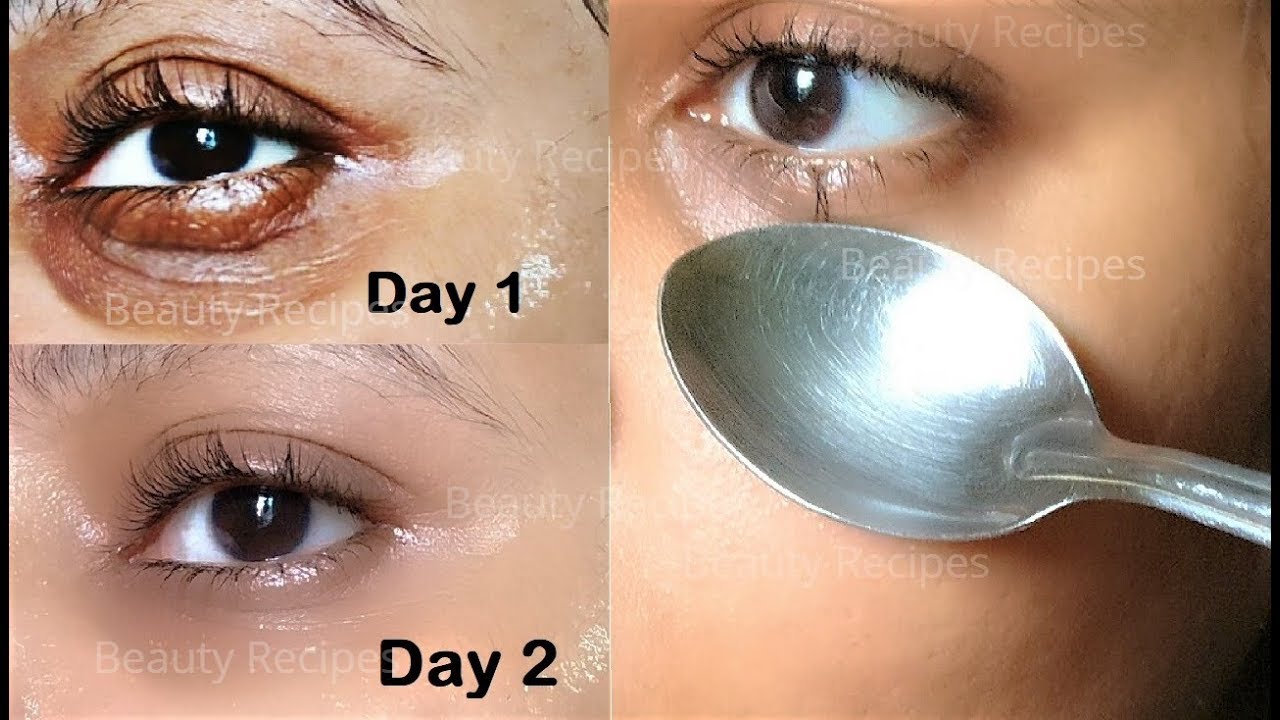
Applying a cold spoon or chilled cucumber slices under your eyes can temporarily reduce puffiness and make creases less visible.
Aloe Vera Gel
Aloe vera is soothing and hydrating. Apply a small amount under your eyes for 10–15 minutes, then rinse.
Coconut Oil
This natural oil can hydrate and soften the skin. Use a tiny amount at night and pat it gently under your eyes.
Green Tea Bags
After steeping two green tea bags, cool them and place them on your closed eyes for 10–15 minutes. The caffeine and antioxidants help reduce swelling and protect skin.
Egg White Mask
Egg whites tighten skin temporarily. Apply a thin layer under your eyes, leave it for 10 minutes, then rinse with cool water.
Jojoba Oil
Jojoba oil is similar to the skin’s natural oils. It can moisturize without clogging pores.
Gentle Massage
Using your ring finger, gently tap or massage the area under your eyes to boost blood flow and help reduce creasing.
Skincare Routine Example For Under-eye Creases
Building a simple but effective skincare routine can help you see steady improvement. Here’s a step-by-step example:
- Morning Routine:
- Wash your face with a gentle cleanser.
- Apply a vitamin C serum (including under the eyes).
- Dab on a hydrating eye cream with hyaluronic acid.
- Finish with a sunscreen (SPF 30 or higher).
- Evening Routine:
- Cleanse your face to remove makeup and dirt.
- Apply a gentle retinol eye cream (start with 2–3 times a week).
- Use a peptide-rich moisturizer.
- Add a few drops of nourishing oil if your skin feels dry.
- Weekly:
- Use a cooling mask or cold compress once or twice a week.
- Consider a gentle exfoliant (not too close to the eyes).
Lifestyle Changes That Make A Difference
Some changes outside your skincare routine can have a big impact on the skin under your eyes.
Manage Stress
Chronic stress raises cortisol, a hormone that breaks down collagen. Practice deep breathing, meditation, or yoga to manage stress.
Improve Sleep Position
Sleeping on your stomach or side presses your face into the pillow, which can create creases. Try to sleep on your back to reduce pressure on your eyes.
Watch Your Screen Time
Staring at screens can make you squint and tire out your eye muscles, which can deepen lines. Take breaks every 20 minutes to rest your eyes.
Upgrade Your Pillowcase
Silk or satin pillowcases cause less friction than cotton and may help prevent new creases from forming.
Wear Blue Light Glasses
These glasses can reduce eye strain from phones and computers, making you less likely to squint.
Medical Conditions That Can Worsen Under-eye Creases
Sometimes, underlying health issues can affect the skin under your eyes. It’s important not to ignore these possibilities:
- Allergies: Allergic reactions can cause rubbing and swelling.
- Eczema or Dermatitis: These conditions thin the skin and make lines more visible.
- Thyroid Problems: Can lead to puffiness and changes in skin texture.
If you notice sudden, severe changes in your under-eye skin, consult a doctor or dermatologist.

Credit: www.perfectcorp.com
Myths About Getting Rid Of Under-eye Creases
There are many myths about treating under-eye creases. Knowing what doesn’t work can save you time and money.
1. Only Expensive Creams Work
Price does not always equal effectiveness. Some affordable products with the right ingredients (like retinol or hyaluronic acid) work just as well as luxury brands.
2. You Can Get Rid Of Creases Overnight
No product or treatment can erase under-eye creases instantly. Most methods take several weeks or even months to show real results.
3. Drinking Water Alone Will Fix Everything
Hydration helps, but it is only one piece of the puzzle. You also need the right skincare, sun protection, and healthy habits.
4. Natural Remedies Are Always Safe
Some natural ingredients can irritate sensitive skin or even cause allergies. Always test a new remedy on a small area first.
5. Only Old People Get Under-eye Creases
Young people can develop creases too, especially from sun exposure, poor sleep, or genetics.
Most Common Mistakes When Treating Under-eye Creases
Many people repeat the same errors when trying to fix creases under the eyes. Here are some to avoid:
- Using harsh scrubs: The skin under your eyes is thin. Avoid abrasive exfoliants.
- Applying too much product: More is not always better. Heavy layers can irritate the skin.
- Skipping sunscreen: Even if you use the best creams, sun damage will undo your progress.
- Not being consistent: Treatments need regular use to work. Skipping days reduces results.
- Ignoring allergies: Treat any underlying allergies to reduce rubbing and swelling.
Comparing Popular Ingredients For Under-eye Creases
Knowing which ingredients actually work can help you choose the right product. Here’s a quick comparison:
| Ingredient | Main Benefit | Best For | Time to See Results |
|---|---|---|---|
| Retinol | Boosts collagen, smooths lines | Fine lines, wrinkles | 4–12 weeks |
| Hyaluronic Acid | Hydrates, plumps skin | Dehydration, mild creases | 1–2 weeks |
| Peptides | Signals collagen production | Firmness, texture | 4–8 weeks |
| Vitamin C | Brightens, protects, supports collagen | Dark circles, early lines | 4–8 weeks |
| Caffeine | Reduces puffiness, tightens | Puffiness, temporary lines | Immediate, short-term |
Two Non-obvious Insights Beginners Miss
- Consistency is More Important Than Intensity: Many people try a new product or treatment for a few days and give up. The skin under your eyes needs gentle, regular care. Even the best ingredients need several weeks to show improvement.
- Combining Approaches Works Best: You get better results by combining healthy habits, good skincare, and sometimes professional treatments. Focusing on just one solution (like only using creams) rarely gives dramatic results.
Credit: www.youtube.com
When To See A Professional
If you’ve tried home care for several months and still see no change, or if you notice sudden changes like severe swelling, pain, or color changes, it’s best to visit a dermatologist. They can check for underlying health issues and recommend advanced treatments that are right for your skin type and needs.
Frequently Asked Questions
How Long Does It Take To See Results From Under-eye Creams?
Most eye creams take at least 4–8 weeks to show visible results. For deeper creases, it may take 3 months or more of consistent use. Quick fixes like caffeine-based creams can reduce puffiness fast but do not erase lines permanently.
Are There Any Side Effects Of Using Retinol Under The Eyes?
Yes, retinol can cause dryness, redness, or mild irritation, especially at first. Always choose a low-strength formula made for the eye area. Start with 2–3 times a week and build up slowly. If irritation continues, stop use and consult a dermatologist.
Can Drinking More Water Get Rid Of Under-eye Creases?
Drinking water helps keep your skin hydrated, which can make creases less noticeable. However, water alone will not remove deep lines. It should be part of a full approach, including good skincare and sun protection.
Is It Safe To Use Home Remedies Like Coconut Oil Or Egg Whites?
Most people can safely use coconut oil or egg whites as masks, but always test a small area first. Some people may have allergies or irritation. Never let products get into your eyes.
Which Professional Treatment Is Best For Deep Under-eye Creases?
For deep creases, a combination of treatments often works best. Laser therapy, dermal fillers, or microneedling can give strong results. A dermatologist can suggest the right option based on your skin and goals. You can read more about these treatments at American Academy of Dermatology.
—
Creases under the eyes are a normal part of life, but you don’t have to accept them if they bother you. By understanding the causes and using a mix of healthy habits, smart skincare, and professional options, you can make a real difference.
Remember, progress takes time and consistency. Focus on what works best for your skin and lifestyle, and don’t be afraid to seek help from a professional if needed. Smooth, refreshed skin under your eyes is possible with the right care and patience.