

Have you ever wondered how essential oils are made? If you’re curious about creating your own natural scents at home, you’re in the right place.
Making essential oils might seem complicated, but with the right steps, you can unlock the power of plants and bring their pure essence into your life. This guide will show you how simple it can be to craft your own oils, helping you save money and enjoy fresh, personalized aromas.
Ready to discover the secrets behind these fragrant liquids? Let’s dive in and get started!
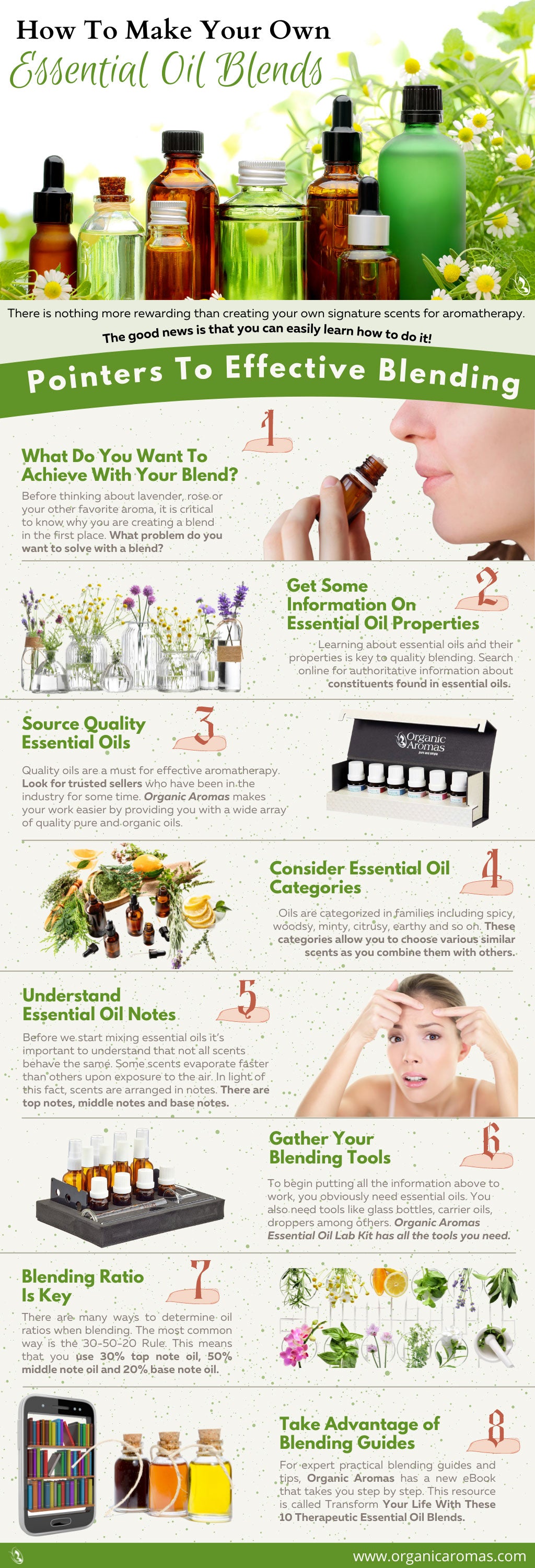
Credit: organicaromas.com
Basics Of Essential Oils
Understanding the basics of essential oils helps you appreciate how they are made. These oils come from plants and hold natural scents and properties. They have been used for centuries in health, beauty, and wellness. Knowing what essential oils are and the plants used makes it easier to choose the right one for your needs.
Pure essential oils offer many benefits. They can improve mood, support relaxation, and even help with minor skin issues. Learning about these basics is the first step in safely using essential oils in daily life.
What Are Essential Oils
Essential oils are natural liquids extracted from plants. They carry the plant’s scent and flavor. These oils capture the plant’s essence, which is why they smell strong. They can come from flowers, leaves, bark, or roots. Essential oils are highly concentrated and should be used carefully.
Common Plants Used
Many plants produce essential oils. Lavender is popular for its calming scent. Peppermint oil is fresh and cooling. Eucalyptus oil helps clear the airways. Tea tree oil is known for its cleansing properties. Other plants include rosemary, lemon, and chamomile.
Benefits Of Pure Oils
Pure essential oils offer many uses. They can relax the mind and body. Some oils improve skin health and reduce inflammation. Others may boost energy or help with sleep. Using pure oils means fewer chemicals and better effects.
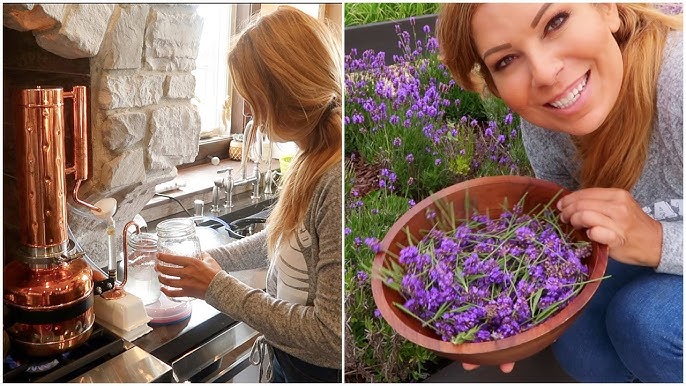
Credit: www.youtube.com
Methods Of Extraction
Essential oils come from plants. Extracting them means taking the oil from leaves, flowers, or roots. Each method uses a different way to get pure oil. These methods affect the scent and quality of the oil. Understanding these techniques helps you know what you get in each bottle.
Steam Distillation
Steam distillation is the most common method. Steam passes through plant material. The heat releases the oil from the plants. The steam and oil vapor then cool down. Oil separates from the water and is collected. This method works well for herbs and flowers.
Cold Pressing
Cold pressing is mostly for citrus fruits. The rind or peel is pressed to squeeze out the oil. No heat is used, so the oil stays fresh. This method keeps the natural scent strong. It is simple and keeps the oil pure.
Solvent Extraction
Solvent extraction uses a liquid to dissolve the oil. The liquid removes the oil from the plants. The liquid then evaporates, leaving pure oil behind. This method captures delicate scents. It is good for flowers that steam can damage.
Co2 Extraction
CO2 extraction uses carbon dioxide under pressure. It turns CO2 into a liquid that pulls oil from plants. When pressure drops, CO2 returns to gas and leaves oil behind. This method makes clean, strong oils. It keeps the oil’s natural parts intact.
Step-by-step Extraction Process
The process of making essential oils involves extracting the natural essence from plants. This process captures the fragrance and healing properties of the plant. It requires careful steps to ensure the oil is pure and effective.
Below is a clear, step-by-step guide to the extraction process. This helps you understand how essential oils are made from start to finish.
Gathering Plant Material
Choose fresh, healthy plants with strong scents. The plant parts can be leaves, flowers, or roots. Harvest them early in the morning for the best oil yield. Avoid using damaged or dry plants. Fresh material gives the highest quality oil.
Preparing The Equipment
Clean all tools and equipment before starting. You need a distillation setup, including a boiler, condenser, and collection container. Make sure seals and joints are tight to avoid steam leaks. Proper preparation prevents contamination and loss of oil.
Running The Distillation
Place the plant material in the distillation chamber. Add water to the boiler and heat it to create steam. The steam passes through the plant and carries the oil vapors. Cool the vapor in the condenser to turn it back into liquid. This process separates the oil from the plant.
Collecting The Oil
The liquid collected contains both water and oil. Essential oil floats on top or sinks, depending on the plant. Use a separator to carefully remove the oil from the water. Store the oil in dark glass bottles to protect it from light. Keep it in a cool, dry place for longer shelf life.
Tips For Quality And Purity
Ensuring quality and purity in essential oils starts with careful attention. Each step affects the final product’s effectiveness and safety. Focus on selecting the right plants, avoiding contamination, and storing oils properly. These tips help keep oils fresh and potent for use.
Selecting Fresh Plants
Choose plants that are healthy and recently harvested. Fresh plants have the strongest aroma and highest oil content. Avoid plants that look wilted or damaged. Harvest early in the day for better oil quality. Use only the parts of the plant that contain oils, such as leaves or flowers.
Avoiding Contamination
Clean all tools and containers before use. Dirt or residue can spoil the oil’s purity. Use glass or stainless steel containers to prevent reactions. Avoid plastic, which may leach chemicals into the oil. Work in a clean area with minimal dust or dirt. Always wash hands before handling plants or oils.
Proper Storage Techniques
Store essential oils in dark glass bottles to protect from light. Keep bottles tightly closed to stop air from entering. Store in a cool, dry place away from heat sources. Avoid storing oils near sunlight or in warm rooms. Label bottles with the date of extraction. Proper storage preserves oil freshness and effectiveness.
Using Essential Oils Safely
Essential oils are powerful and natural extracts from plants. They bring many benefits but must be used carefully. Using essential oils safely helps avoid skin irritation or other problems. Understanding the right steps makes your experience better and safer.
Dilution Guidelines
Never apply essential oils directly to the skin. Always mix them with a carrier oil like coconut or almond oil. A safe ratio is usually 1-2% essential oil to carrier oil. That means about 6-12 drops of essential oil per ounce of carrier oil. This lowers the risk of skin sensitivity or burns.
Patch Testing
Before using any essential oil, do a patch test. Put a small amount of diluted oil on your inner arm. Wait 24 hours to see if there is any redness, itching, or irritation. If your skin reacts, do not use that oil on larger areas.
Safe Application Methods
Use essential oils in safe ways only. Diffusing oils in the air is a gentle method. Avoid putting oils near your eyes or mouth. Do not use essential oils on babies or pets without advice. Applying oils to broken skin or wounds is unsafe. Follow instructions on the label carefully.
Common Mistakes To Avoid
Making essential oils can be rewarding. Yet, mistakes can spoil your efforts. Avoiding common errors helps you create pure, effective oils. Here are some key pitfalls to watch out for.
Overheating Oils
Heat breaks down delicate oil compounds. Too much heat changes the scent and quality. Use low temperatures during extraction. Slow and gentle heat preserves natural aromas. High heat can ruin your entire batch.
Using Synthetic Additives
Some add synthetic chemicals to boost fragrance. This reduces oil purity and benefits. Pure essential oils come from plants only. Avoid fake additives to keep oils natural. Synthetic parts may cause skin irritation or allergies.
Ignoring Safety Precautions
Essential oils are strong and need care. Avoid direct skin contact without dilution. Store oils away from sunlight and heat. Use gloves and proper tools during extraction. Safety prevents accidents and protects your health.
Diy Blends For Aromatherapy
Creating your own essential oil blends for aromatherapy is simple and rewarding. These blends can enhance mood, reduce stress, or energize your day. You control the scents and effects by mixing oils that suit your needs. Experimenting with blends helps you learn more about the power of aromatherapy. Below are some easy recipes for different moods and seasons.
Relaxing Combinations
Relaxing blends calm the mind and body. Lavender and chamomile oils soothe stress and promote sleep. Add a few drops of sandalwood for grounding effects. Mix these in a diffuser or dilute with a carrier oil for massage. This blend helps create a peaceful, quiet space.
Energizing Mixes
Energizing blends boost focus and wakefulness. Peppermint and lemon oils refresh and clear the mind. Orange oil adds a bright, happy note. Use this blend in the morning or during work breaks. It lifts spirits and sharpens concentration without caffeine.
Seasonal Blends
Seasonal blends bring the scents of the time of year into your home. In fall, try cinnamon and clove with sweet orange. These warm spices make a cozy, inviting atmosphere. For spring, mix eucalyptus and rosemary for freshness. These blends match the mood and weather outside.

Credit: www.youtube.com
Frequently Asked Questions
What Are The Basic Steps To Make Essential Oils?
Essential oils are made by extracting plant oils through steam distillation or cold pressing. The process involves harvesting, grinding, and distilling plant materials to capture aromatic compounds. This method ensures pure, concentrated oils used for aromatherapy, skincare, and more.
Which Plants Are Best For Homemade Essential Oils?
Lavender, peppermint, eucalyptus, rosemary, and lemon are popular plants for making essential oils. These plants have strong aromatic oils and are easy to grow. Using fresh, high-quality plant material results in better oil yield and fragrance.
How Long Does The Essential Oil Extraction Process Take?
Extraction time varies by method and plant type but usually lasts 1 to 4 hours. Steam distillation often takes 2 to 3 hours to capture essential oils effectively. Patience is key for a pure and potent oil.
Can I Make Essential Oils Without Special Equipment?
Yes, you can use a homemade distillation setup or cold press some citrus peels. However, professional distillation equipment gives higher quality and quantity. Simple methods work well for beginners experimenting at home.
Conclusion
Making essential oils takes patience and care. You start with fresh plants or herbs. Then, use methods like steam distillation or cold pressing. These steps help capture the natural scents and benefits. The process is simple but needs attention to detail.
Homemade oils can be pure and fresh. Try making your own to enjoy natural aromas. It brings a rewarding experience and a sense of calm. Keep practicing, and you will improve with time.