
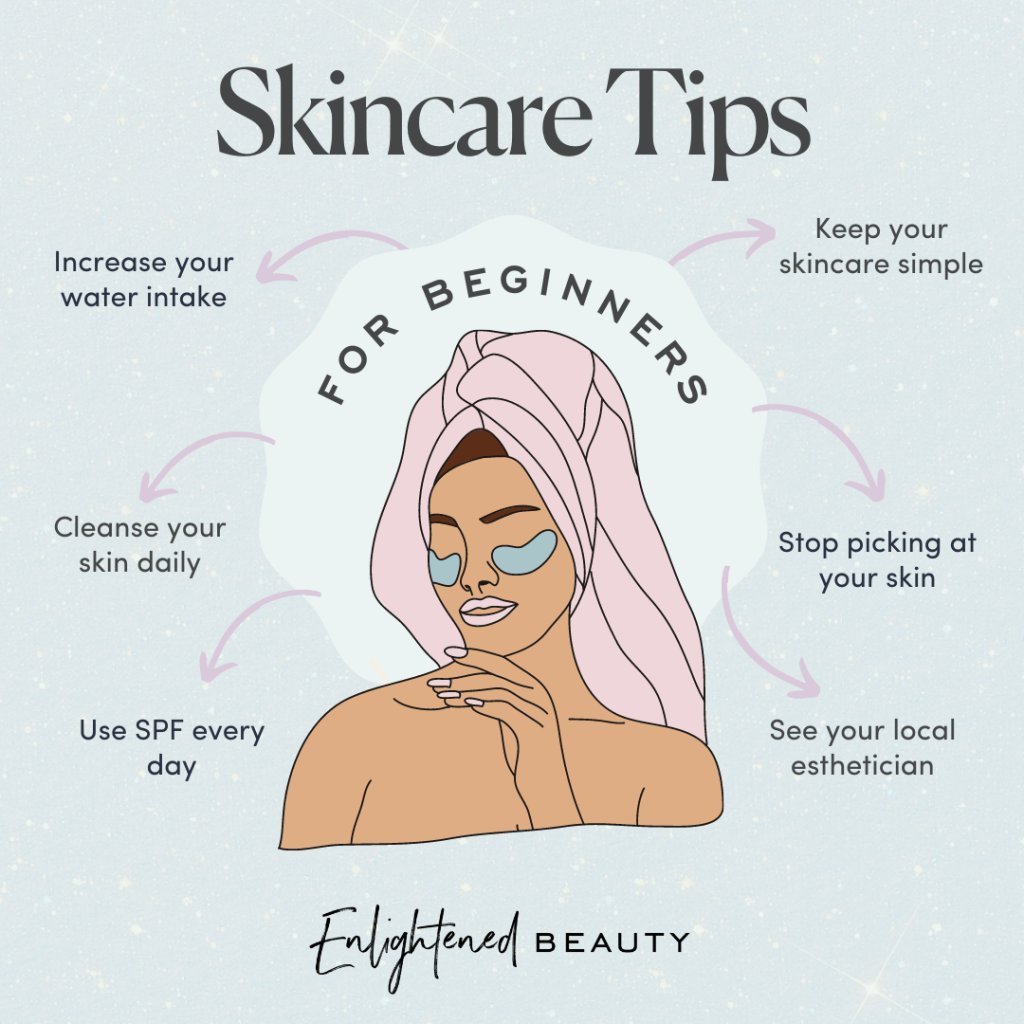
Your skin is your body’s largest organ, and it deserves some love and attention. With so much information available, finding the best skin care routine can be overwhelming.
But what if you could unlock the secrets to radiant, healthy skin with just a few simple tips? Imagine waking up each day to a complexion that feels as good as it looks. Intrigued? You’re in the right place. This guide will share effective and easy-to-follow tips that are perfect for your daily routine.
Keep reading, and discover the path to glowing skin that you’ve always wanted. Your skin will thank you!
Daily Cleansing Routine
Maintaining a daily cleansing routine is vital for healthy skin. It removes dirt, oil, and impurities from the face. This keeps pores clear and prevents breakouts. A consistent routine helps the skin stay fresh and vibrant. It is a foundation for effective skincare.
Choosing The Right Cleanser
Select a cleanser that suits your skin type. Dry skin benefits from hydrating cleansers. Oily skin needs a formula that controls oil. Sensitive skin requires gentle cleansers to avoid irritation. Read labels and ingredients carefully.
Morning Cleansing Ritual
Start the day with a gentle cleanse. It removes overnight oils and sweat. Use lukewarm water to avoid stripping natural oils. Pat skin dry with a soft towel. This prepares your skin for moisturizer and sunscreen.
Evening Cleansing Routine
End the day with a thorough cleanse. Remove makeup and daily grime. Double cleansing can be beneficial. First, use an oil-based cleanser. Follow with a water-based cleanser. This ensures all impurities are removed.
Gentle Techniques
Apply cleansers using gentle circular motions. Avoid harsh scrubbing. This protects the skin from irritation. Use fingertips instead of rough cloths. Gentle techniques preserve skin’s natural barrier.
Consistency Is Key
Stick to your routine every day. Consistency helps the skin maintain balance. Avoid skipping steps even on busy days. Regular cleansing leads to clearer skin over time.
Exfoliation Techniques
Exfoliation is a key element in maintaining healthy, glowing skin. It helps remove dead skin cells, unclog pores, and allows for better absorption of skincare products. If done correctly, exfoliation can make your skin look refreshed and radiant. But how do you choose the right technique? Let’s dive into some effective exfoliation methods you can try today.
Physical Exfoliation
Physical exfoliation involves using scrubs or brushes to manually slough off dead skin cells. You might have tried a facial scrub with tiny beads or a gentle brush. These tools can make your skin feel smooth and polished. But it’s important not to be too rough; gentle circular motions are key.
Have you ever wondered why your skin feels irritated after exfoliating? Over-exfoliating or using harsh products can damage your skin barrier. So, aim for once or twice a week, depending on your skin type.
Chemical Exfoliation
Chemical exfoliation uses acids like AHAs (Alpha Hydroxy Acids) and BHAs (Beta Hydroxy Acids) to dissolve dead skin cells. These are often found in serums or peels. AHAs are great for dry skin, while BHAs are perfect for oily or acne-prone skin.
Ever used a peel and felt that tingle? That’s the acids working their magic. But don’t worry, mild tingling is normal and means the product is effective.
Enzymatic Exfoliation
Enzymatic exfoliation uses natural enzymes found in fruits like papaya or pineapple. These enzymes gently break down the proteins in dead skin cells, making them easy to wash away. They are perfect for sensitive skin types.
Have you tried a fruit mask and noticed softer skin after? That’s the enzymatic exfoliation at work. It’s a gentle option that leaves your skin feeling refreshed.
Choosing The Right Technique For Your Skin Type
Different skin types require different exfoliation techniques. Oily skin might benefit from more frequent chemical exfoliation, while dry skin might prefer the occasional physical scrub. Sensitive skin types should lean towards enzymatic options.
Consider your skin’s unique needs. Does it feel dry or oily? Is it sensitive or resilient? Tailoring your exfoliation method can lead to better results and healthier skin.
Diy Exfoliation Options
If you prefer a natural approach, there are DIY options you can try. Mix sugar with honey for a gentle scrub or use yogurt as an enzymatic mask. These ingredients are kind to your skin and easy to find in your kitchen.
Have you made a homemade scrub and loved the results? Share your experience with others. It’s a fun way to personalize your skincare routine.
Exfoliation is about finding what works best for you. Which technique will you try first? Your skin is unique, and exploring different methods can lead to discovering what it truly loves. Happy exfoliating!
Choosing The Right Moisturizer
Moisturizers play a key role in skin care. They keep your skin soft and hydrated. Picking the right one can improve your skin’s health. The right moisturizer will lock in moisture and protect your skin.
Understanding Your Skin Type
Identify your skin type before buying a moisturizer. Is your skin oily, dry, or sensitive? Each type needs a different kind of care. Oily skin benefits from gel-based moisturizers. Dry skin needs thick, creamy products. Sensitive skin requires fragrance-free lotions.
Reading The Ingredients List
Ingredients matter in a moisturizer. Look for ingredients that suit your skin type. Hyaluronic acid is great for hydration. Glycerin helps retain moisture. Avoid products with alcohol if you have dry skin. Sensitive skin should avoid perfumes and dyes.
Considering The Weather
The weather affects your skin’s needs. In cold weather, you need a richer moisturizer. During summer, a lighter product works better. Adjust your moisturizer as seasons change. This helps maintain balanced skin all year.
Testing The Product
Test new products on a small skin area first. This helps avoid allergic reactions. Wait 24 hours to see any effects. If redness or itching occurs, stop using it. This simple test can prevent discomfort.
Checking For Spf
Some moisturizers include SPF protection. SPF protects your skin from sun damage. Look for moisturizers with at least SPF 15. This provides basic sun protection. Ideal for daily use, even on cloudy days.

Credit: vitalskinderm.com
Importance Of Sunscreen
Sunscreen is a crucial part of any skincare routine. It protects the skin from harmful ultraviolet (UV) rays. These rays can cause premature aging and increase the risk of skin cancer. Using sunscreen daily can help maintain healthier, younger-looking skin. It acts as a shield against the sun’s harsh effects. Even on cloudy days, UV rays can penetrate the skin. Applying sunscreen is a simple yet effective way to safeguard your skin.
Why Sunscreen Matters
Sun exposure can damage skin cells. This leads to wrinkles and fine lines. Sunscreen helps prevent this damage. It reduces the risk of sunburn, which can be painful. Sunburn also harms the skin’s natural barrier. Protecting the skin keeps it looking fresh and vibrant.
Types Of Sunscreen
There are two main types: physical and chemical. Physical sunscreens block UV rays. They contain ingredients like zinc oxide and titanium dioxide. Chemical sunscreens absorb UV rays before they reach the skin. They often contain oxybenzone or avobenzone. Choose the type that suits your skin best.
How To Apply Sunscreen
Apply sunscreen generously to all exposed skin. Don’t forget areas like the neck and ears. Use about a shot glass full for the entire body. Reapply every two hours, especially after swimming or sweating. Consistent application ensures maximum protection.
Sunscreen For Different Skin Types
People with oily skin should opt for oil-free formulas. Dry skin benefits from moisturizing sunscreens. Sensitive skin needs hypoallergenic products. Choose a sunscreen that matches your skin type for best results.
The Role Of Spf
SPF stands for Sun Protection Factor. It measures how well sunscreen protects against UVB rays. Higher SPF means more protection. SPF 30 is a good starting point for most people. Using sunscreen with adequate SPF is key to effective skin protection.
Hydration For Healthy Skin
Maintaining hydrated skin is more than just a beauty routine—it’s essential for health. When your skin is properly hydrated, it looks vibrant and feels soft. But what does hydration really mean for your skin?
The Importance Of Hydration
Hydration is key to keeping your skin youthful and elastic. It helps to reduce fine lines and wrinkles. Without enough moisture, your skin can become dry and flaky, losing its natural glow.
Think about how your skin feels after a long flight or a day in the sun. It’s often tight and uncomfortable, right? This is a sign that it needs more hydration.
How Much Water Should You Drink?
Your daily water intake can impact your skin’s health. Aim for at least eight glasses of water a day. This helps flush out toxins and keeps your skin cells plump.
Try carrying a reusable water bottle. It’s a simple reminder to keep sipping throughout the day. What if you don’t like plain water? Add a splash of lemon or cucumber for flavor.
Moisturizers: Your Skin’s Best Friend
Drinking water is crucial, but using moisturizers is equally important. Choose a moisturizer that suits your skin type. If your skin is oily, look for oil-free products.
Apply your moisturizer right after showering. This locks in moisture and helps maintain your skin’s hydration levels. Have you ever skipped moisturizing because you were in a hurry? Try keeping a small bottle in your bag for those rushed mornings.
Hydrating Foods To Include
What you eat affects your skin’s hydration. Foods like watermelon, cucumber, and strawberries are rich in water content. They help keep your skin supple and fresh.
Make a habit of adding these to your meals. A refreshing fruit salad can be a tasty way to hydrate your skin from the inside. Do you notice your skin feeling smoother after a week of eating these foods?
Signs Of Dehydrated Skin
Dehydrated skin can be dull and less resilient. You might notice redness or itchiness. If your skin feels tight after washing, it could be a sign of dehydration.
Try pinching your skin lightly. If it doesn’t bounce back quickly, it’s a hint that you need more hydration. How does your skin feel at the end of a busy day? Listen to what it’s telling you.
Conclusion: Make Hydration A Priority
Hydration is a vital part of your skincare routine. It’s not just about drinking water or using creams. It’s about understanding your skin’s needs.
Start today by making small changes. Notice how your skin responds and adjust accordingly. What difference will you see in a week, a month, or a year?
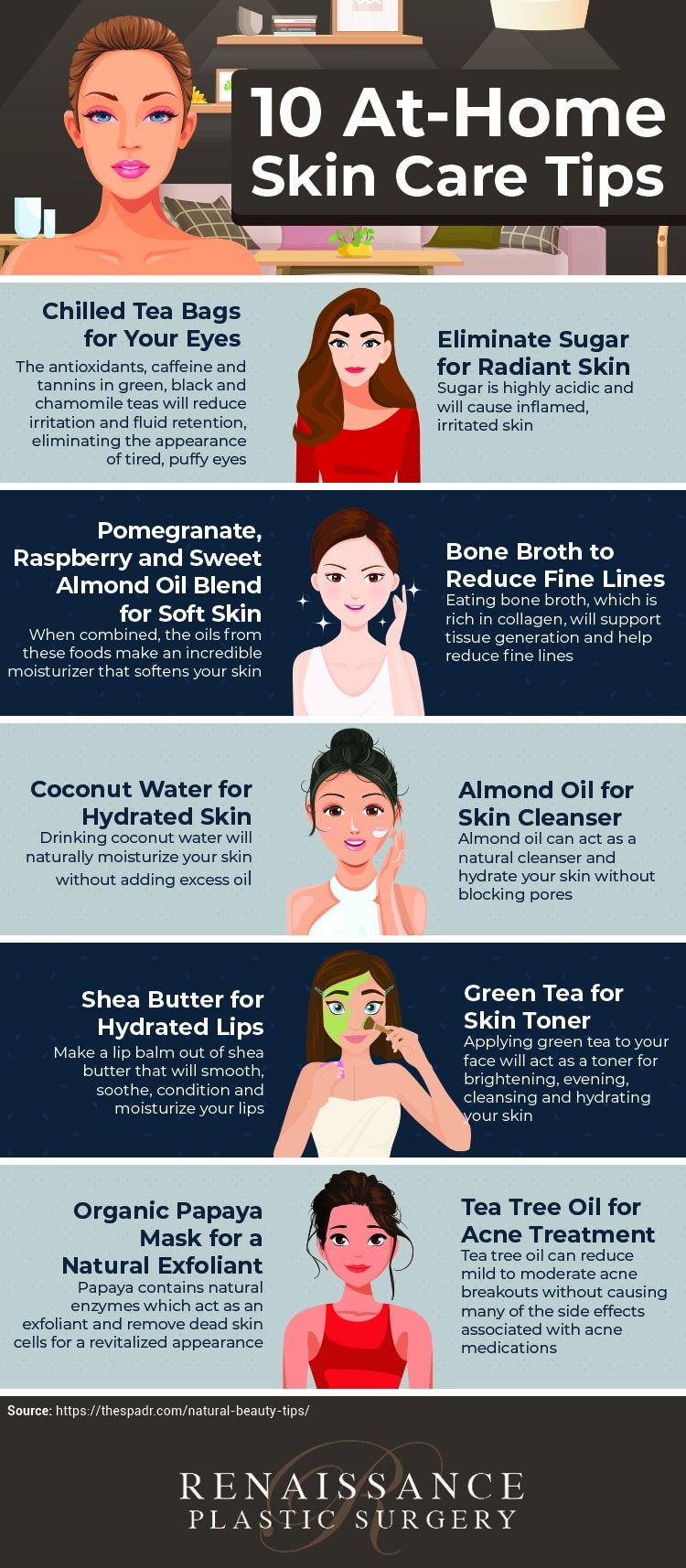
Credit: www.rpsplasticsurgery.com
Diet And Nutrition
Healthy eating helps maintain glowing skin. Include fruits and vegetables for essential vitamins and antioxidants. Stay hydrated by drinking plenty of water.
A healthy diet and proper nutrition play a significant role in maintaining radiant and youthful skin. While skincare products can help, what you eat has a profound impact on your skin’s appearance and health. By choosing the right foods, you can nourish your skin from the inside out, promoting a clearer complexion and a natural glow.Eat The Rainbow
Incorporate a variety of colorful fruits and vegetables into your meals. Each color represents different nutrients and antioxidants beneficial for your skin. For example, red tomatoes are rich in lycopene, which can protect against sun damage.Hydrate For Healthy Skin
Drinking enough water is essential for keeping your skin hydrated and plump. Start your day with a glass of water and keep a bottle with you to sip throughout the day. Notice how your skin feels more elastic and less prone to dryness.Include Omega-3 Fatty Acids
Omega-3 fatty acids found in fish like salmon and walnuts help reduce inflammation. This can decrease redness and swelling, improving conditions like acne and eczema. Consider adding these foods to your diet for smoother skin.Limit Sugar And Processed Foods
High sugar intake can lead to glycation, which damages collagen and elastin. This can cause premature aging, making your skin look dull and wrinkled. Opt for natural sweeteners or fruit to satisfy your sweet tooth instead.Consume Vitamin C-rich Foods
Vitamin C is crucial for collagen production, a protein that keeps your skin firm. Foods like oranges, strawberries, and bell peppers are excellent sources. Including them in your diet can help maintain your skin’s elasticity.Don’t Forget Zinc
Zinc aids in skin repair and can help manage acne. Foods like pumpkin seeds, lentils, and chickpeas are rich in zinc. Are you getting enough of this essential mineral in your diet?Listen To Your Body
Pay attention to how your skin reacts to different foods. Notice if certain foods cause breakouts or irritation. By tuning in to your body’s signals, you can make smarter dietary choices that benefit your skin. Embrace these dietary changes and observe the difference they make to your skin. What will you try first?Adequate Sleep Benefits
Quality sleep aids skin repair and rejuvenation, offering a natural glow. Rest helps balance hydration and reduce puffiness. Prioritize your sleep to enhance skin health and maintain a youthful appearance.
Getting enough sleep is more than just resting your body; it’s a vital part of your skincare routine. Sleep affects how your skin looks and feels. When you sleep well, your skin has time to repair and renew. Let’s dive into how adequate sleep can benefit your skin and see why it might be the secret ingredient you’ve been missing.Boosts Skin Repair
During sleep, your body gets to work on repairing skin cells. This is when your skin produces more collagen, helping to keep it firm and elastic. If you’ve ever noticed how a good night’s sleep can make your skin look fresher, this is why.Reduces Puffiness And Dark Circles
Lack of sleep often leads to puffy eyes and dark circles. Sleeping for 7-9 hours a night can reduce these effects, giving you a more vibrant and awake appearance. Try elevating your head with an extra pillow to help reduce puffiness by improving blood flow.Enhances Natural Glow
Adequate sleep gives your skin a natural, healthy glow. When you’re well-rested, your skin reflects it by looking hydrated and vibrant. Have you ever noticed the compliments you get on days you feel well-rested?Improves Skin Barrier Function
Your skin barrier protects you from pollutants and irritants. Sleep strengthens this barrier, making your skin more resilient. Consider how less prone your skin is to breakouts and irritations after a restful night.Balances Hormones
Sleep helps balance the hormones that affect your skin’s oil production. When you’re sleep-deprived, stress hormones can spike, leading to oily skin and breakouts. Maintaining a regular sleep schedule can help keep these hormones in check, contributing to clearer skin. Now that you know the benefits, what’s stopping you from prioritizing your sleep? Think of it as an essential part of your skincare routine, just like cleansing or moisturizing. You might find the results more impressive than any cream or serum you’ve tried.Stress Management
Stress doesn’t just affect your mind—it impacts your skin too. Ever noticed how a tough week can lead to a breakout or dull complexion? Managing stress is crucial for maintaining healthy, vibrant skin.
Identify Stress Triggers
Understanding what stresses you out is the first step. Is it work, relationships, or something else entirely? Pinpointing these triggers can help you address them directly.
Once you know your stress points, consider how they manifest physically. Does your skin feel dry or oily during stressful times? Recognizing these patterns is vital for effective skincare.
Practice Mindful Breathing
Mindful breathing can be a quick fix for stress. Take a few deep breaths when you feel overwhelmed. Notice how your body responds.
This simple act can calm your mind and improve blood circulation. Better circulation means more nutrients reach your skin, promoting a healthier glow.
Engage In Physical Activity
Exercise is a powerful stress reliever. Whether it’s yoga, running, or dancing, find an activity you enjoy. The physical movement helps release endorphins, which reduce stress.
Plus, sweating helps remove toxins from your skin. It’s a double win for both your mental and skin health.
Explore Relaxation Techniques
Consider techniques like meditation or journaling. These activities can help you process stress effectively. Try setting aside a few minutes each day for relaxation.
Have you tried a warm bath with soothing essential oils? It can be a great way to unwind and give your skin some love. Essential oils like lavender can calm both your mind and skin.
Maintain A Balanced Diet
Your diet plays a significant role in stress management. Foods rich in antioxidants can help combat stress. Think berries, nuts, and leafy greens.
Eating well supports your skin’s ability to repair itself. Consider how you feel after a healthy meal versus a fast food binge. Your skin will thank you for making healthier choices.
Stress management is not just about relaxation—it’s about understanding and caring for yourself. What steps will you take today to alleviate stress and boost your skin health?
Natural Remedies
Natural remedies for skin care have been trusted for generations. These solutions are often simple, effective, and gentle on your skin. You don’t need fancy products or a hefty budget to achieve healthy skin.
Let’s dive into some practical tips that can help you glow naturally.
Hydration Is Key
Water is your skin’s best friend. Drinking plenty of it can keep your skin hydrated and radiant. Try to drink at least eight glasses of water daily.
Notice how your skin feels dry after a long day without enough water? That’s your cue to reach for a glass.
Embrace Aloe Vera
Aloe vera is a powerhouse for soothing irritated skin. It’s perfect for those sunburn days or when your skin feels itchy.
Apply fresh aloe vera gel directly from the plant to your skin. Its cooling effect is instantly refreshing and calming.
The Magic Of Honey
Honey is a natural moisturizer that works wonders. It locks in moisture, leaving your skin soft and supple.
Try a honey face mask by applying a thin layer for 10 minutes. You’ll notice a smoother texture right after rinsing.
Exfoliate With Sugar Scrubs
Sugar scrubs are great for gentle exfoliation. Mix sugar with olive oil to create a simple yet effective scrub.
Rub it on your skin in circular motions. This helps remove dead skin cells, giving your skin a healthy glow.
Tea Tree Oil For Blemishes
Tea tree oil is renowned for its antibacterial properties. It can be a lifesaver for acne-prone skin.
Apply a drop of diluted tea tree oil on blemishes. Watch how it reduces inflammation and clears up spots quickly.
Avocado’s Nourishing Touch
Avocado is rich in healthy fats and vitamins. It provides deep nourishment to dry skin.
Mash half an avocado and apply it as a mask. Your skin will feel rejuvenated and deeply moisturized.
Natural remedies offer simple solutions that can make a big difference. Have you tried any of these tips? Which one resonates with you the most?
Regular Skincare Treatments
Regular skincare treatments can transform your skin’s appearance and health. They provide ongoing care that helps maintain a youthful glow. Consistency is key in skincare. Following a regular regimen ensures optimal results over time. This section explores effective skincare treatments to incorporate into your routine.
Facial Cleansing
Cleansing is the first step in any skincare routine. It removes dirt, oil, and impurities from your skin. Use a gentle cleanser suited for your skin type. This helps prevent clogged pores and acne. Cleanse twice daily for the best results.
Exfoliation
Exfoliation removes dead skin cells and promotes skin renewal. It keeps your skin smooth and radiant. Use a gentle scrub or exfoliant once or twice a week. Avoid harsh scrubs that can irritate the skin.
Moisturizing
Moisturizing hydrates and nourishes your skin. It helps maintain its natural barrier. Choose a moisturizer that matches your skin type. Apply it daily to keep your skin soft and supple. Moisturizing also helps reduce the appearance of fine lines.
Sun Protection
Protecting your skin from the sun is crucial. Sunscreen prevents damage and premature aging. Use a broad-spectrum sunscreen with SPF 30 or higher. Apply it daily, even on cloudy days. Reapply every two hours when outdoors.
Face Masks
Face masks provide targeted treatment for specific skin concerns. They can hydrate, exfoliate, or detoxify. Use a mask once a week for added benefits. Choose a mask based on your skin’s needs.
Regular Professional Treatments
Professional treatments can enhance your at-home skincare routine. Consider facials, chemical peels, or laser treatments. They offer deep cleansing and rejuvenation. Consult a dermatologist for personalized advice.
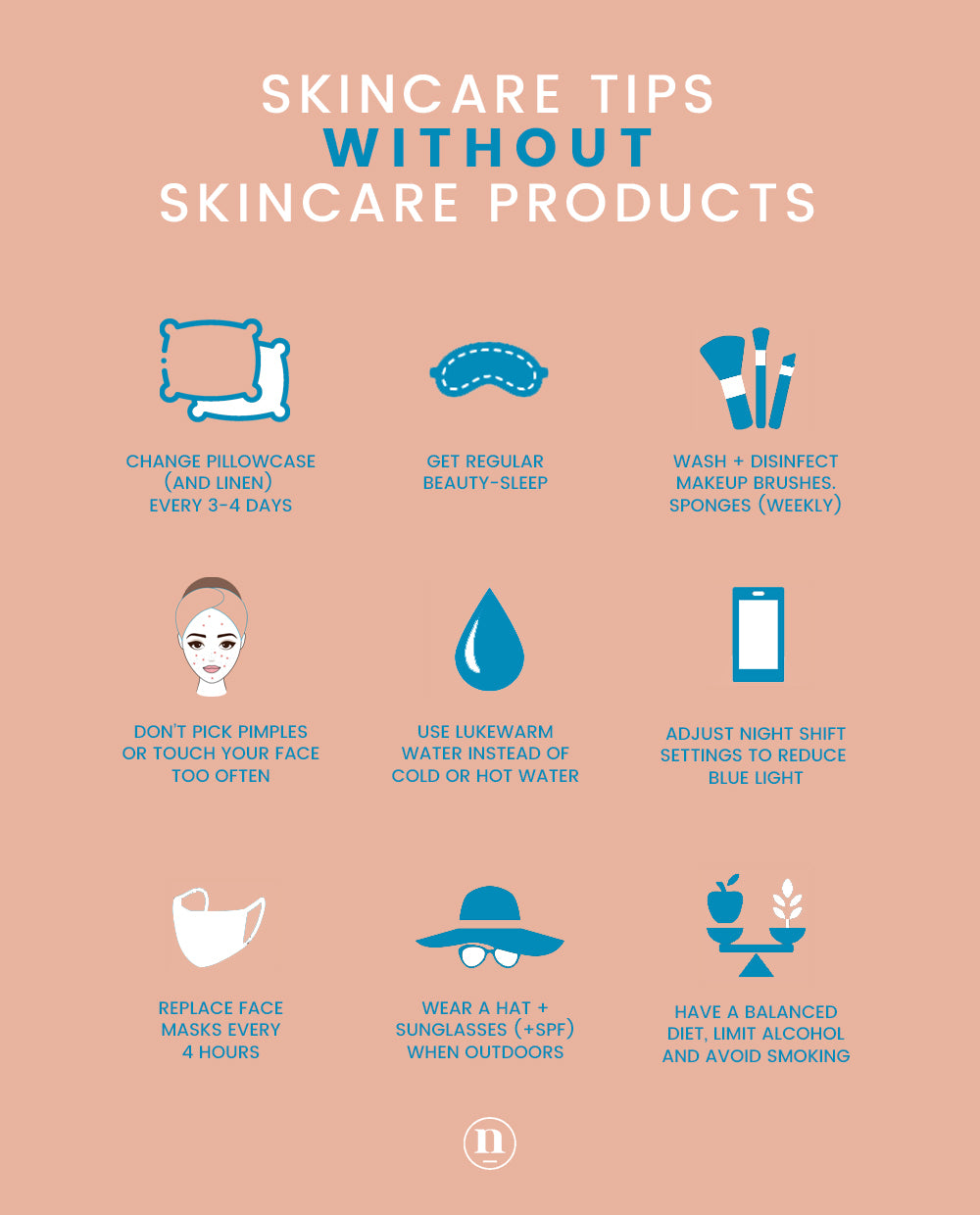
Credit: www.nativessentials.com
Frequently Asked Questions
How Often Should I Wash My Face?
Washing your face twice a day is recommended. Morning cleansing removes night oils, while evening cleansing removes dirt and makeup. Use a gentle cleanser suitable for your skin type. Avoid over-washing, which can strip natural oils and cause irritation. Always follow with a moisturizer to lock in hydration.
What Is The Best Moisturizer For Dry Skin?
For dry skin, choose a moisturizer with hyaluronic acid or glycerin. These ingredients help retain moisture. Creams or ointments are often more effective than lotions. Look for products labeled as “hydrating” or “nourishing. ” Always apply moisturizer to damp skin for better absorption and hydration retention.
How Can I Prevent Acne Breakouts Naturally?
To prevent acne, maintain a regular cleansing routine. Use non-comedogenic products that don’t clog pores. Exfoliate gently to remove dead skin cells. Avoid touching your face and change pillowcases regularly. Maintain a balanced diet with less sugar and dairy. Hydrate well and manage stress levels to reduce breakouts.
What Are Some Natural Remedies For Glowing Skin?
Natural remedies for glowing skin include using aloe vera and honey masks. These ingredients hydrate and soothe the skin. Exfoliate with oatmeal or coffee grounds for gentle scrubbing. Drink plenty of water and eat antioxidant-rich foods like berries. Regular exercise and adequate sleep also enhance skin radiance.
Conclusion
Healthy skin needs daily care and attention. Simple steps can make a big difference. Clean your face gently. Moisturize to keep your skin soft and smooth. Protect it from the sun with sunscreen. Drink plenty of water to stay hydrated.
Eat nutritious foods for better skin health. Avoid touching your face often to prevent breakouts. Sleep well to allow your skin to repair. Try these tips and see improvements over time. Remember, patience is key. Your skin will thank you for your care and effort.