
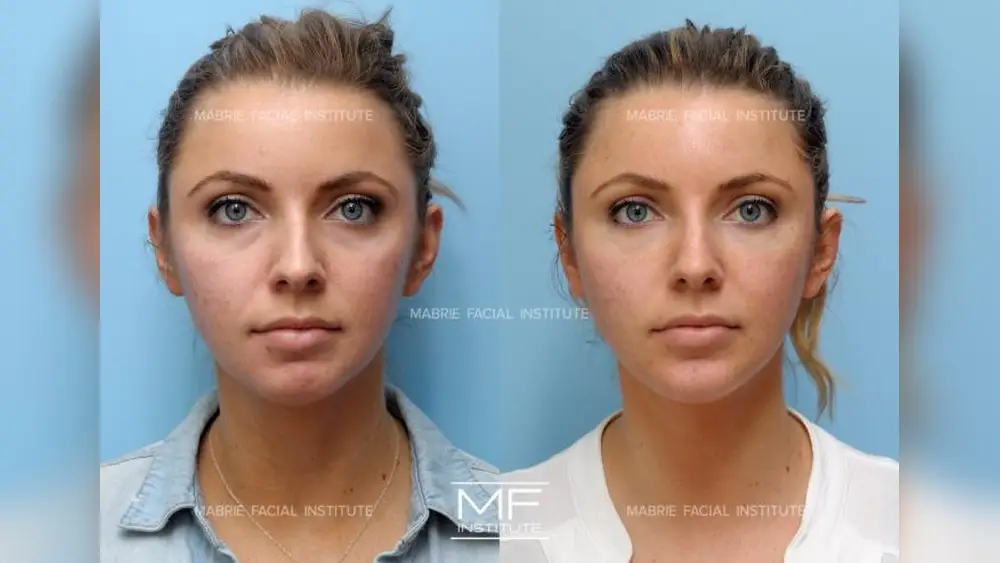
When you look in the mirror and notice under eye bags, you might wonder if there’s a quick fix. Many people turn to cosmetic treatments, and Botox is often at the top of the list. But does Botox actually help with under eye bags? The answer is more complex than most people think. To understand if Botox is the right choice, it’s important to know what causes under eye bags, how Botox works, and what results you can realistically expect. This article takes you through the science, the common myths, and the real options—so you can make a smart decision for your skin.
What Are Under Eye Bags?
Under eye bags are those soft, puffy areas that form just below your lower eyelids. They can make you look tired, older, or even unwell, even if you feel great. Under eye bags are not the same as dark circles, though sometimes both issues appear together.
The puffiness comes from different factors, and it’s important to know what’s really going on under your skin.
Main Causes Of Under Eye Bags
- Aging: As you age, the skin loses elasticity and the muscles weaken. Fat that normally supports the eyes moves into the lower eyelid, causing puffiness.
- Genetics: Some people are simply more prone to under eye bags because of their genes.
- Fluid Retention: Eating salty food, not sleeping enough, or allergies can make your body hold extra fluid, leading to swelling.
- Lifestyle Habits: Smoking, drinking alcohol, and frequent sun exposure speed up the aging process and worsen under eye bags.
- Medical Conditions: Allergies, thyroid issues, and some kidney problems can also cause puffiness.
Types Of Under Eye Bags
Not all under eye bags look the same. There are two main types:
- Temporary Puffiness: Swelling due to sleep, diet, or allergies. These usually go away with lifestyle changes or treatments.
- Permanent Bags: Caused by fat shifting or skin sagging with age. These are more difficult to treat without procedures.
Understanding the type of under eye bags you have is key to finding the right solution.
How Does Botox Work?
Botox is one of the most popular cosmetic treatments worldwide. It’s a brand name for botulinum toxin type A, a purified protein that temporarily relaxes muscles. Doctors use a tiny needle to inject Botox into specific facial muscles. This stops the nerves from telling those muscles to move.
What Happens After Botox Is Injected?
When a muscle is relaxed, the skin above it smooths out. This is why Botox is so effective for treating dynamic wrinkles—the lines that form when you smile, frown, or squint. In most cases, Botox takes 3-7 days to show full results, and effects last 3-4 months before you need another treatment.
What Botox Treats Best
- Crow’s feet (lines at the outer corner of the eyes)
- Frown lines (between the eyebrows)
- Forehead wrinkles
- Bunny lines (on the nose)
Botox is FDA-approved for these uses, but doctors sometimes use it “off-label” for other cosmetic concerns.
Can Botox Help With Under Eye Bags?
This is where things get interesting. Botox is excellent for smoothing wrinkles, but under eye bags are not always caused by the same things as wrinkles. It’s important to separate facts from myths before you decide if Botox is right for your under eyes.
How Botox Might Help
Botox can sometimes improve the appearance of under eye bags, but only in certain cases. If your under eye bags are mostly due to muscle movement, such as strong contractions of the muscle just below the eye (called the orbicularis oculi), Botox may help. By relaxing this muscle, the skin looks slightly smoother, and minor puffiness can seem less visible.
Where Botox Falls Short
Botox does not remove fat or tighten loose skin. If your under eye bags are caused by fat pad herniation (when fat pushes forward under the skin) or skin laxity (loose skin), Botox alone will not solve the problem. In fact, injecting Botox under the eyes can be risky if not done properly, because the skin here is thin and delicate.
Clinical Evidence
Most studies show that Botox is effective for crow’s feet, but only mild improvement for under eye puffiness. For example, a 2014 clinical review found that Botox injections in the lower eyelid area led to slight smoothing, but did not reduce true under eye bags caused by fat or skin laxity.
Summary Table: What Botox Can And Cannot Do
Here’s a quick look at what Botox is good for compared to what causes under eye bags.
| Cause of Under Eye Bags | Will Botox Help? | Best Alternative |
|---|---|---|
| Muscle Overactivity | Yes (Mild Improvement) | Botox, Fillers |
| Fat Pad Herniation | No | Surgery (Blepharoplasty) |
| Loose Skin | No | Laser, Fillers, Surgery |
| Fluid Retention | No | Lifestyle Change |
Botox Vs. Other Treatments For Under Eye Bags
If Botox isn’t a magic fix for everyone, what are the other options? Here’s how Botox compares to some of the most common treatments.
Dermal Fillers
Fillers, like hyaluronic acid gels, can add volume to areas under the eyes where fat has shifted or skin has sunk in. They work differently from Botox. Fillers lift and smooth the under eye area, making bags and hollows less noticeable.
- Duration: 6-18 months, depending on the product
- Risks: Swelling, bruising, rare complications
- Best for: Volume loss, tear troughs, mild bags
Blepharoplasty (eyelid Surgery)
For more serious under eye bags, especially those caused by fat or loose skin, blepharoplasty is the gold standard. This surgery removes or repositions fat and tightens the skin.
- Duration: Permanent results, though aging continues
- Risks: Infection, scarring, downtime of 1-2 weeks
- Best for: Severe bags, fat prolapse, skin laxity
Laser Treatments
Laser resurfacing can tighten skin and reduce fine lines. Some lasers stimulate collagen, making the skin firmer.
- Duration: Months to years, depending on laser type
- Risks: Redness, swelling, pigment changes
- Best for: Fine wrinkles, skin laxity
Comparison Table: Botox Vs. Other Treatments
How do these options stack up? Let’s compare the main features.
| Treatment | Works for Under Eye Bags? | Downtime | Cost (USD, Approx.) | Duration |
|---|---|---|---|---|
| Botox | Sometimes (Mild Cases) | None | $150-400/session | 3-4 months |
| Fillers | Yes (Volume Loss) | Minimal | $500-1200/session | 6-18 months |
| Blepharoplasty | Yes (Severe Bags) | 1-2 weeks | $2000-5000 | Permanent |
| Laser | Some Cases | 3-10 days | $1000-2500/session | Months-Years |
Topical Creams
Many people try eye creams that promise to reduce bags. While some can temporarily tighten skin or reduce swelling, their effects are usually minor and short-lived. Retinol creams may improve fine lines over months, but don’t remove bags.
Home Remedies
Cold compresses, cucumber slices, and tea bags may help reduce swelling for a short time. However, these methods do not work for bags caused by aging, fat, or skin laxity.
What To Expect If You Try Botox For Under Eye Bags
If you and your doctor decide to try Botox for your under eye bags, it’s important to set realistic expectations. Here’s what typically happens:
The Procedure
- A trained injector uses a very fine needle to place small amounts of Botox just below the lower lash line.
- Most people feel only a tiny pinch or mild discomfort.
- The procedure takes about 10-15 minutes.
Aftercare
- Avoid rubbing or massaging the area for 24 hours.
- Don’t lie flat or exercise intensely for several hours after treatment.
- Minor swelling or bruising can happen, but usually fades in a few days.
Results
- You may see improvement in 3-7 days, with full effect at 2 weeks.
- Any smoothing will be mild—significant under eye bags will still be visible if caused by fat or loose skin.
- Results last 3-4 months, after which you’ll need another treatment if you wish to maintain the effect.
Side Effects And Risks
Botox is generally safe when used by experienced professionals, but the under eye area is delicate. Possible side effects include:
- Temporary swelling or bruising
- Uneven smile or drooping eyelids (if Botox spreads to nearby muscles)
- Dry eyes or excessive tearing
- Rare allergic reactions
Unskilled injectors may cause a “hollowed-out” look or make bags appear worse. Always choose a board-certified doctor or dermatologist.
Non-obvious Insight 1
Injecting too much Botox under the eyes can relax the muscle so much that fluid pools, making puffiness worse. Skilled injectors use very small doses in this area to avoid this problem.
Non-obvious Insight 2
If you have a history of dry eyes or eye surgery, Botox injections near the eyes may increase dryness or discomfort. Always tell your doctor about your eye health before treatment.
Who Is A Good Candidate For Botox Under The Eyes?
Botox works best for certain people. Here’s how to tell if you might benefit:
Best Candidates
- Younger patients with mild puffiness caused by muscle movement
- People with fine lines and wrinkles under the eyes, but no significant fat bulging
- Those who want a subtle improvement and are not ready for surgery
Who Should Avoid Botox For Under Eye Bags?
- People with large, permanent bags caused by fat or loose skin
- Those with a history of allergic reactions to botulinum toxin
- Individuals with neuromuscular conditions (like myasthenia gravis)
- Pregnant or breastfeeding women
Consultation Tips
Always ask your doctor:
- What is causing my under eye bags—muscle, fat, or skin?
- How much improvement can I expect with Botox?
- Are there better options for my specific case?
- What are the risks and costs?
Credit: www.toddhobgood.com
Real-world Results And Patient Experiences
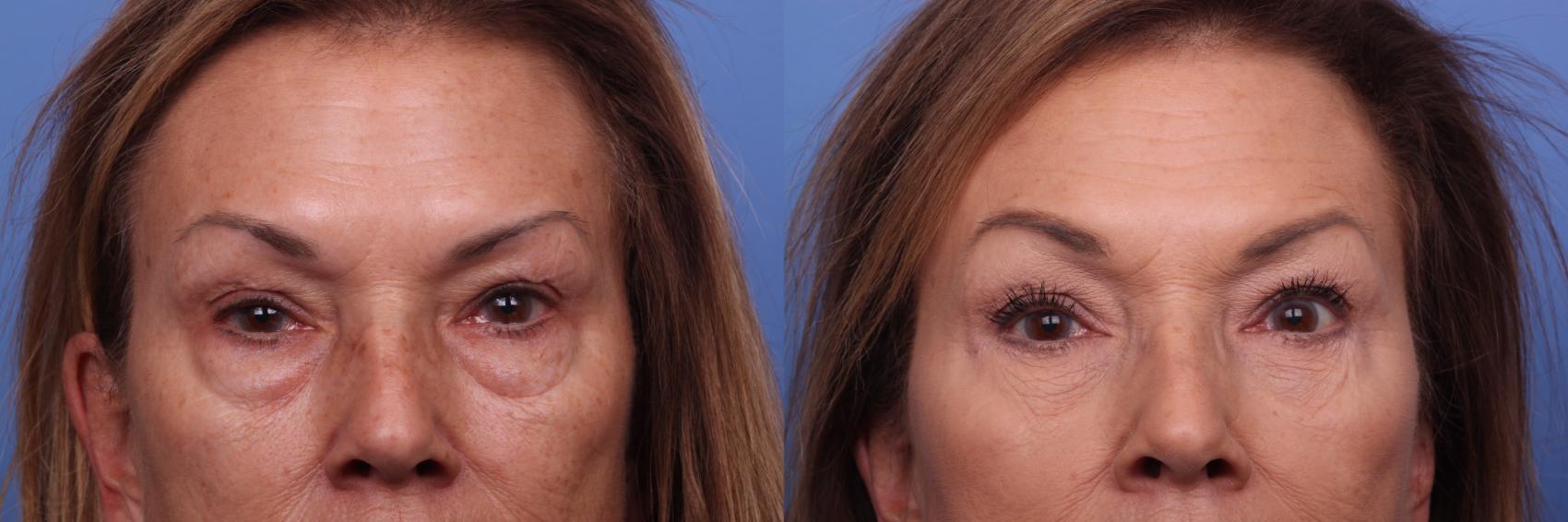
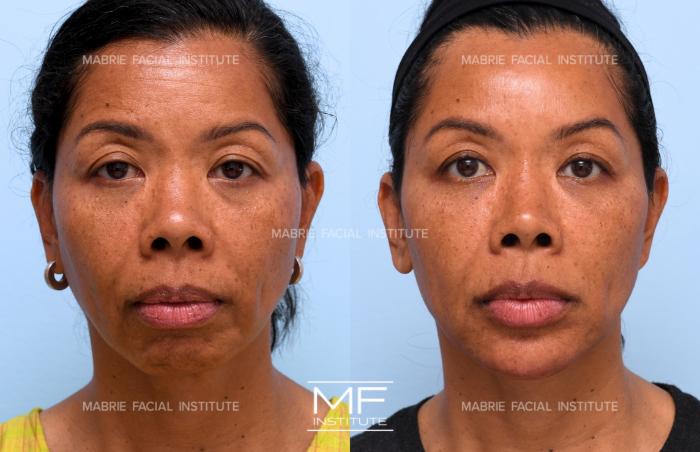
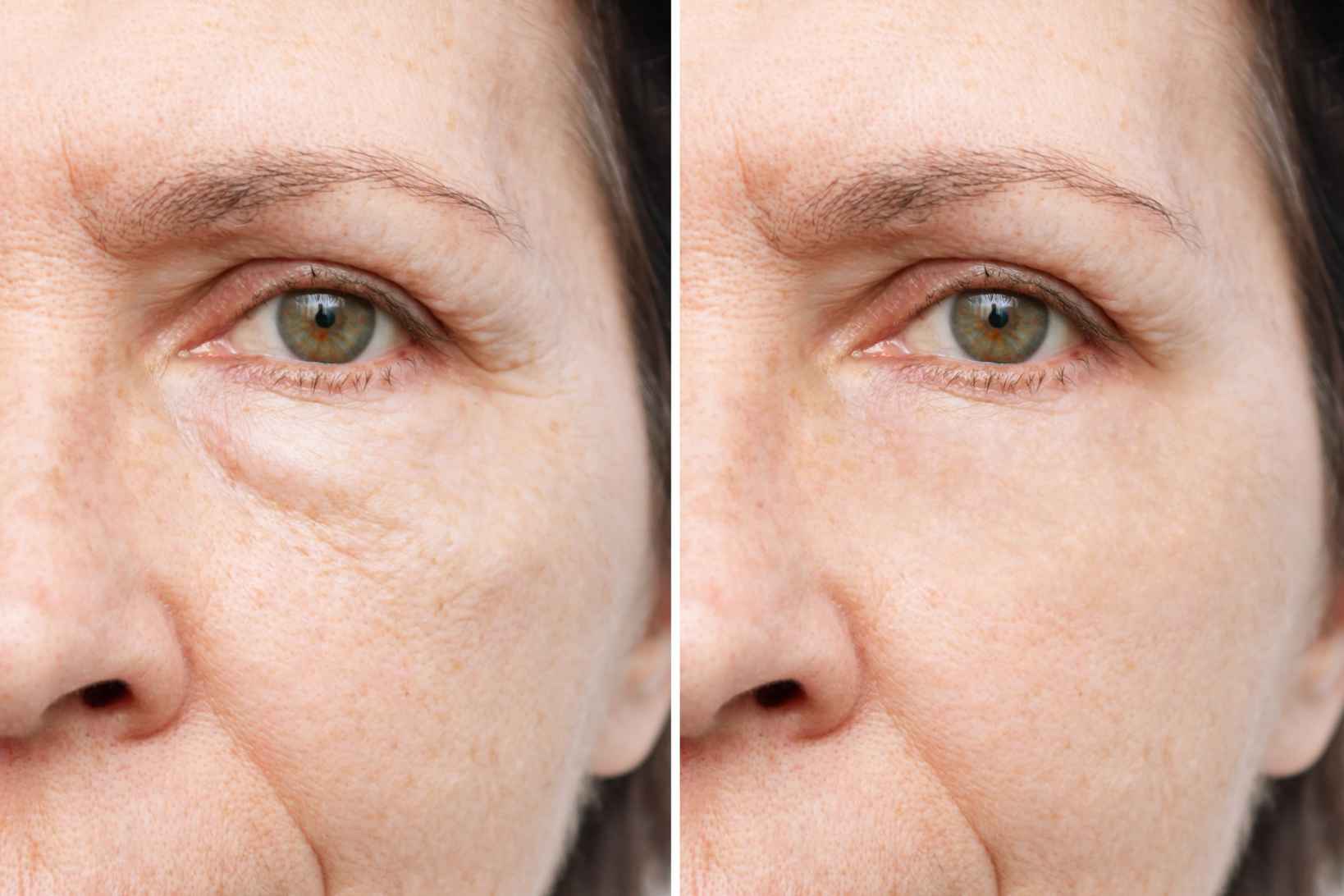
Botox for under eye bags is a subtle treatment. Many people report that their under eye area looks slightly smoother and less tired, but the results are not dramatic. Before-and-after photos often show small changes, not total removal of bags.
Example: Mild Puffiness
A 35-year-old woman with mild under eye swelling due to muscle movement saw a small reduction in puffiness after Botox. The effect lasted about 4 months, and she was happy with the gentle improvement.
Example: Fat Pad Bags
A 50-year-old man with pronounced bags due to fat herniation tried Botox, but saw little change. His doctor recommended lower eyelid surgery for a more permanent fix.
Costs And Longevity Of Results
Botox is not the cheapest option, and results don’t last forever. Here’s what you should expect:
Average Cost
- Botox for under eyes: $150–$400 per session in the US, depending on clinic and location
- Repeat treatments: Needed every 3–4 months to maintain the effect
Comparing Costs Over Time
If you need regular treatments, costs add up. Surgery is more expensive up front, but may be cheaper in the long run if you want a permanent solution.
Safety: What You Need To Know
Botox is FDA-approved for cosmetic use, but not specifically approved for under eye bags. This means using Botox here is considered off-label. While many doctors have experience with this technique, it’s important to choose an injector who understands the unique risks.
Table: Safety And Approval Status
| Treatment Area | FDA Approval | Risk Level |
|---|---|---|
| Crow’s Feet | Approved | Low |
| Under Eye Bags | Not Approved (Off-Label) | Moderate |
| Forehead | Approved | Low |
How To Choose A Provider
- Look for a board-certified dermatologist or plastic surgeon
- Ask about experience with under eye injections
- Check reviews and before-after photos
- Never get Botox at non-medical spas or “Botox parties”
Alternatives To Botox For Under Eye Bags
If Botox isn’t the right fit for you, don’t worry—there are many other options.
1. Lifestyle Changes
- Get enough sleep (7-9 hours per night)
- Reduce salt in your diet
- Elevate your head while sleeping
- Treat allergies with medication
These habits can help with temporary puffiness and improve overall eye health.
2. Dermal Fillers
As described earlier, fillers are a great choice if your bags are due to lost volume under the eyes (tear troughs). Results are natural and can last over a year.
3. Eye Creams
Look for creams with caffeine, retinol, or peptides. While they won’t remove bags, they can help with mild swelling and fine lines.
4. Surgery
Lower eyelid surgery (blepharoplasty) is the most permanent solution for large, persistent bags. It’s more invasive but gives long-lasting results.
5. Laser And Radiofrequency Treatments
Devices that heat the skin can tighten it and stimulate collagen. This works best for mild skin laxity and fine lines.
6. Camouflage Makeup
A good concealer can hide under eye bags for the day. Look for products with light-reflecting pigments.
Common Myths About Botox And Under Eye Bags
There’s a lot of misinformation out there. Let’s clear up some common myths:
- Myth: Botox can remove all types of under eye bags.
- Fact: Botox only helps with minor bags caused by muscle action, not fat or loose skin.
- Myth: Botox results are instant.
- Fact: It takes several days to see the full effect.
- Myth: Botox is dangerous for the eyes.
- Fact: When performed by a skilled doctor, Botox is very safe. Most complications happen with untrained injectors.
- Myth: You can get the same results from creams.
- Fact: Creams have only mild, temporary effects compared to injectables or surgery.
The Science Behind Botox And The Eye Area
Botox works by blocking acetylcholine, a chemical messenger that tells muscles to contract. The muscle under the eye is called the orbicularis oculi. Injecting Botox here relaxes the muscle, which can reduce the crinkling that makes bags look worse.
However, the under eye area is very thin and close to important structures. This is why only small amounts are used, and why the risk of side effects is higher than in other parts of the face.
Research Spotlight
A study published in the Journal of Dermatologic Surgery found that Botox under the eyes improved mild wrinkling but did not significantly reduce the appearance of bags caused by fat or skin laxity. Experts recommend careful patient selection and conservative dosing.
For further reading on the science behind Botox, see this article from the American Academy of Dermatology.
Credit: www.yourfaceinourhands.com
Frequently Asked Questions
What Causes Under Eye Bags To Get Worse?
Under eye bags get worse with age, as skin loses elasticity and fat shifts forward. Lack of sleep, high salt intake, allergies, and smoking can also make bags more noticeable.
Can Botox Make Under Eye Bags Worse?
Yes, if too much is injected or the injection is not placed correctly, Botox can relax the muscle too much, causing more puffiness or a hollow look.
How Long Does Botox Last For Under Eye Bags?
Results typically last 3-4 months, after which you’ll need another session to maintain the effect.
Are There Any Permanent Solutions For Under Eye Bags?
Yes, blepharoplasty (eyelid surgery) is a permanent solution that removes or repositions fat and tightens skin. Other treatments, like fillers and lasers, are temporary.
Is It Safe To Get Botox Under The Eyes?
Botox is safe when performed by a trained, experienced doctor. However, the under eye area has unique risks, so always choose a skilled provider and discuss your medical history.
Final Thoughts
Botox is a powerful tool for smoothing wrinkles and can provide mild improvement for under eye bags in certain people. If your bags are caused by muscle movement, Botox might help you look more refreshed. But for most people with bags from fat or loose skin, Botox will not provide dramatic results. There are many other effective treatments, from fillers to surgery, that may be a better fit depending on your needs. Always consult a board-certified doctor, know your options, and choose what’s best for your unique face. With the right approach, you can achieve a brighter, more youthful look—no matter what’s causing your under eye bags.
Credit: www.lumiskinclinics.com.au