
Why Does My Head Itch So Much?
An itchy scalp can drive anyone crazy. Maybe you notice it when you wake up. Maybe it bothers you through the day, at work or school. Sometimes it feels like you just can’t stop scratching. While it might seem like a small problem, persistent scalp itching can affect your sleep, mood, and even your confidence in social situations.
Many people think itchy heads are just from dirty hair or sweat. But the truth is, there are many reasons why your scalp might itch—a few are harmless, while others may signal a health issue. Some causes are easy to fix, but some need proper treatment.
Understanding why your head itches is the first step toward relief.
This guide explains the main causes of scalp itching, how to identify them, and what you can do about it. You will also learn about things you might not expect—like how stress, air pollution, or even your pillowcase can make your head itch more.
If you’re tired of scratching and want clear answers, keep reading.
Common Causes Of Scalp Itching
Let’s start with the main reasons why your scalp might itch. Some of these are obvious, while others are often missed.
1. Dandruff (seborrheic Dermatitis)
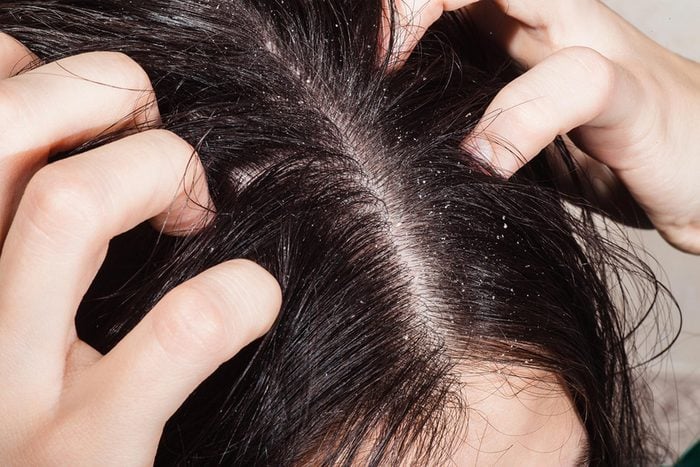
Dandruff is the most common cause of scalp itching. It appears as white or yellow flakes on your hair and shoulders. Dandruff is caused by a mix of things: oily skin, a type of yeast called Malassezia, and irritation from hair products.
If you notice flakes along with itching, especially in colder months or after using new shampoos, dandruff is likely the problem. Some people think dandruff means the scalp is dry, but it’s often linked to oily skin and inflammation.
2. Dry Scalp
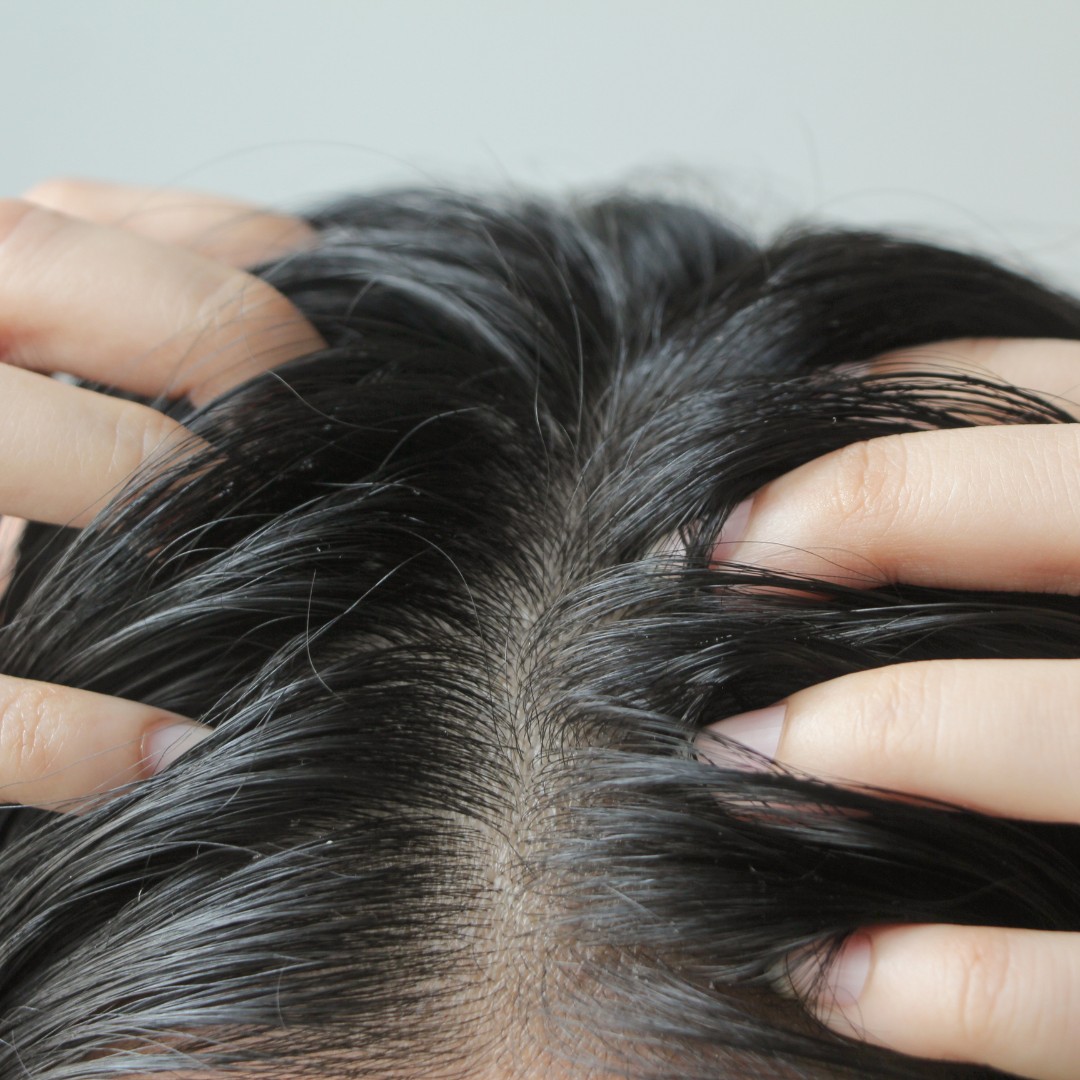
A dry scalp means your skin isn’t making enough natural oil. This can happen from washing hair too often, using harsh shampoos, or living in a dry climate. Dry scalp usually causes small, white flakes (not yellow or oily like dandruff).
The itch from a dry scalp often gets worse after shampooing or in winter when indoor heating dries the air. People with eczema or psoriasis are more likely to have dry scalp too.
3. Scalp Psoriasis
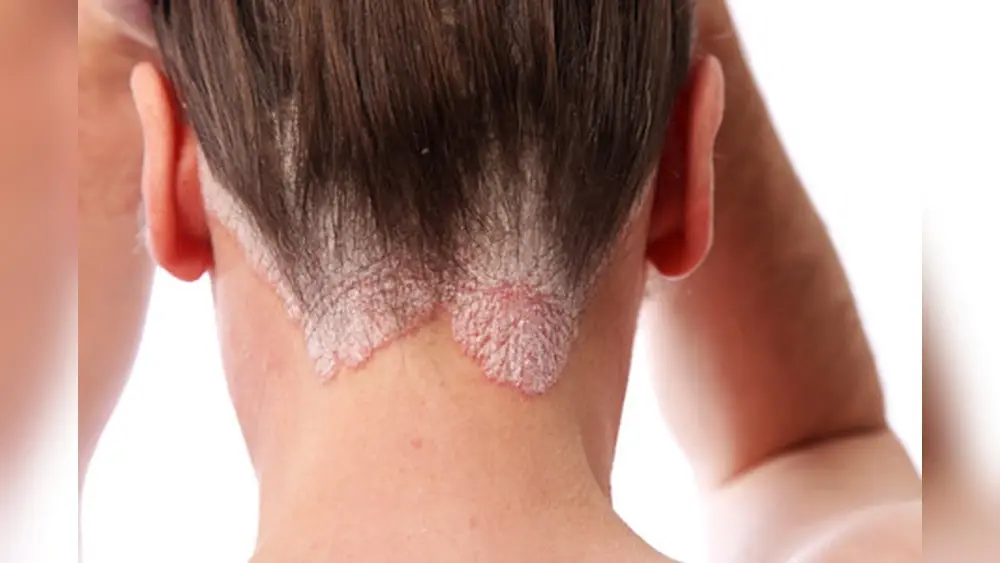
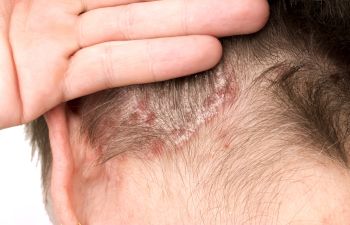
Psoriasis is a skin condition that makes cells build up quickly, creating thick, red patches covered with silvery scales. When it affects your head, it can be very itchy and sometimes painful. You might see raised patches at your hairline, behind your ears, or on the back of your neck.
Psoriasis is not contagious, but it can run in families. Stress, cold weather, and certain medicines can trigger flare-ups. Psoriasis needs specific treatment—regular dandruff shampoos won’t help much.
4. Allergic Reactions (contact Dermatitis)
Many shampoos, dyes, or hair treatments contain chemicals that can cause an allergic reaction on the scalp. This is called contact dermatitis. You might notice redness, swelling, or even blisters along with itching.
Some common triggers include:
- Hair dye (especially those with PPD)
- Fragrances or preservatives in shampoo and conditioner
- Hairsprays and styling gels
If your itching started after using a new product, try stopping it to see if the problem improves.
5. Head Lice
Head lice are tiny insects that live on the scalp and feed on blood. They are common in children but can affect anyone. The itching from lice is usually intense and gets worse at night.
Look for these signs:
- Small, white eggs (nits) stuck to hair near the scalp
- Tiny bugs moving in the hair
- Sores or red bumps from scratching
Lice do not mean you are dirty; they spread easily with head-to-head contact.
6. Scalp Infections (fungal Or Bacterial)
Ringworm (a type of fungus) and certain bacteria can infect the scalp. Scalp ringworm often causes round, scaly patches with hair loss, redness, and itching. Bacterial infections can make the skin sore, swollen, and sometimes ooze pus.
Both types of infection need proper treatment from a doctor. Home remedies or over-the-counter shampoos are not enough.
7. Poor Hygiene And Build-up
Not washing your hair enough can lead to a build-up of oil, sweat, and dead skin cells. This can block pores and cause itching. However, over-washing can also make things worse by drying out the scalp. Finding a balance is important.
8. Eczema (atopic Dermatitis)
Eczema is a skin problem that causes dry, itchy, and inflamed patches. It often starts in childhood and can affect the scalp. The skin may look red and feel rough. Stress, allergens, or cold weather can trigger eczema flares.
People with asthma or hay fever are more likely to have eczema.
9. Stress And Anxiety
Many people don’t realize that stress can make your scalp itch more. Stress doesn’t cause dandruff or lice, but it can trigger or worsen skin problems like eczema and psoriasis. Anxiety can also make you notice and scratch small itches more than usual.
10. Environmental Factors
Pollution, wind, sun exposure, and hard water can all irritate your scalp. Air pollution, for example, can settle on the scalp and weaken its protective barrier, causing dryness and itching. If you spend a lot of time outdoors or in a city, this might be a hidden cause.
When Scalp Itching Means Something Serious
Most causes of an itchy head are not dangerous. But sometimes, itching can be a sign of a health problem that needs attention.
- Severe, sudden itching with no clear cause could be a symptom of thyroid problems, diabetes, or even liver disease.
- Persistent sores, blisters, or open wounds that do not heal may need medical care.
- Hair loss with itching could mean a fungal infection or autoimmune condition.
- Swollen lymph nodes (lumps in your neck) along with itching may be a sign of infection.
If you have these symptoms, see a doctor or dermatologist.
How To Tell What’s Causing Your Itchy Scalp
Many scalp problems look similar. Here’s a quick way to compare the most common causes:
| Cause | Main Signs | Common Triggers |
|---|---|---|
| Dandruff | White/yellow flakes, oily scalp | Oily skin, stress, cold weather |
| Dry Scalp | Small white flakes, tight feeling | Dry air, harsh shampoo, overwashing |
| Head Lice | Intense itching, nits, sores | Contact with infected person |
| Allergy | Redness, swelling, itching | New hair products, hair dye |
| Psoriasis | Thick, silvery scales, red patches | Stress, genetics, medication |
If you’re unsure, think about:
- When did the itching start?
- Did you change any products?
- Are there visible flakes, patches, or bugs?
- Is anyone else at home also itchy?
These clues help you and your doctor find the cause faster.
Effective Ways To Stop Scalp Itching
Now, let’s look at what you can do to get relief. The best solution depends on the cause.
Dandruff
- Use an anti-dandruff shampoo with ingredients like zinc pyrithione, selenium sulfide, or ketoconazole. Follow the instructions and give it a few weeks to work.
- Don’t scratch! Scratching makes dandruff worse and can lead to infection.
- Wash hair regularly, but not every day—2 to 3 times a week is enough for most people.
Dry Scalp
- Switch to a gentle, moisturizing shampoo. Avoid products with sulfates or strong fragrances.
- Use a scalp oil (like coconut or olive oil) once a week. Massage into your scalp, leave for 30 minutes, then wash out.
- Use a humidifier in your bedroom during dry months.
Psoriasis Or Eczema
- See a dermatologist for the right treatment. This may include medicated shampoos, steroid lotions, or special creams.
- Avoid triggers like stress and cold weather as much as possible.
- Try not to pick at scales—this can make the problem worse.
Allergic Reaction
- Stop using any new product if you suspect an allergy.
- Wash your hair with plain water and a mild shampoo to remove the irritant.
- For severe reactions (blisters, swelling), seek medical advice.
Head Lice
- Buy a lice treatment from the pharmacy and follow directions closely.
- Comb your hair with a fine-tooth lice comb every day for two weeks.
- Wash bedding, hats, and brushes in hot water to prevent re-infection.
Scalp Infections
- See a doctor for proper diagnosis. You may need antibiotics (for bacteria) or antifungal medicine (for ringworm).
- Do not share hats, combs, or towels with others during an infection.
Environmental And Lifestyle Tips
- Wear a hat in the sun or cold wind.
- Rinse hair after swimming in pools or the ocean.
- Change your pillowcase every few days—it collects oil and sweat.
- Avoid tying hair too tightly; this can irritate the scalp.
When To See A Doctor
You should see a dermatologist or doctor if:
- Itching lasts more than 2 weeks with no improvement
- You see open sores, bleeding, or crusts
- There is hair loss or bald patches
- Over-the-counter treatments don’t help
- You notice swollen glands or fever
A professional can do a scalp exam, sometimes take a sample (biopsy or swab), and recommend the right treatment.
Surprising Triggers Most People Miss
Many people focus only on shampoo or dandruff. But some hidden factors can make scalp itching worse, even when you’re treating the main cause.
1. Hard Water
Hard water contains minerals like calcium and magnesium. These can build up on the scalp, making it dry and itchy. If you live in an area with hard water, try a water softener or use a clarifying shampoo once a week.
2. Air Pollution
Dust, smoke, and chemicals from the air can settle on your scalp. Over time, these weaken the scalp’s barrier and cause itching. Wash your hair after spending time in polluted areas.
3. Sweat And Exercise
Sweating during exercise or hot weather can make your scalp itchy, especially if you don’t wash your hair soon after. Sweat mixes with oil and dirt, creating irritation.
4. Pillowcases And Hats
Pillowcases collect oil, sweat, and bacteria. Not washing them often can irritate your scalp. The same goes for hats and scarves.
5. Hair Styling Habits
Using hot tools (like straighteners or curling irons) too often can dry out your scalp. Tight ponytails or braids pull at the scalp and cause soreness and itching.
Credit: www.olanskydermatology.com
Home Remedies: Do They Work?
Many people try home remedies when their head itches. Some are helpful, but others can make things worse.
Popular Remedies
- Coconut oil: Moisturizes dry scalp and may help with mild dandruff.
- Aloe vera gel: Soothes irritated or red skin.
- Apple cider vinegar (diluted): May help balance scalp pH, but can sting if the skin is broken.
Cautions
- Don’t use tea tree oil or strong essential oils directly on the scalp—they can cause burning or allergic reactions.
- Never use lemon juice on cuts or broken skin; it will burn.
Always test a small amount first, and stop if you notice more redness or itching.
How Different Age Groups Experience Scalp Itching
Scalp itching affects all ages, but the causes and treatments can differ. Here’s a quick overview:
| Age Group | Common Causes | Special Advice |
|---|---|---|
| Children | Lice, eczema, ringworm | Check for nits; use gentle products |
| Teens | Dandruff, oily scalp, styling products | Avoid heavy gels; wash hair after sports |
| Adults | Stress, allergy, psoriasis | Manage stress; read labels on hair dye |
| Elderly | Dry scalp, medication side effects | Moisturize scalp; check with doctor about medicines |
Credit: www.thehealthy.com
The Role Of Diet And Hydration
What you eat and drink also affects your scalp. Not drinking enough water can dry out your skin, including the scalp. Diets low in zinc, vitamin D, and omega-3 fatty acids may lead to more itching.
Try to include:
- Fish (like salmon or sardines)
- Nuts and seeds
- Green vegetables
- Plenty of water
If you have scalp problems that don’t improve, ask your doctor if you need a blood test for vitamin or mineral levels.
Myths About Scalp Itching
Let’s clear up some common myths that can make itching worse.
- Myth: Only dirty hair itches.
- Fact: Washing too much or too little can both cause itching.
- Myth: Dandruff is contagious.
- Fact: Dandruff is not an infection and cannot spread to others.
- Myth: Scratching helps remove flakes.
- Fact: Scratching damages the scalp and leads to more itching.
- Myth: Head lice only affect children.
- Fact: Anyone can get lice, especially with close contact.
- Myth: You must use expensive shampoos.
- Fact: Many effective treatments are affordable and available at the pharmacy.
Preventing Scalp Itching
Prevention is better than cure. Here’s how to keep your scalp healthy and itch-free.
- Use a gentle shampoo suited to your hair type.
- Limit the use of harsh styling products.
- Wash hair after sweating or swimming.
- Protect your scalp from sun and cold.
- Manage stress with relaxation techniques.
- Avoid sharing combs, hats, or towels.
- Eat a balanced diet and stay hydrated.
Real-world Example: How Small Changes Help
Maria, a 28-year-old teacher, struggled with itchy scalp for months. She tried several shampoos but nothing worked. After keeping a diary, she noticed her itching got worse after using a new hair serum and during stressful weeks at work.
She stopped using the serum, started practicing relaxation exercises, and switched to a mild, fragrance-free shampoo. Within three weeks, her itching improved a lot. This shows that finding the cause—sometimes more than one—is key to getting relief.
When Itching Won’t Go Away
If you’ve tried everything and still have an itchy scalp, don’t give up. Chronic itching can sometimes point to rare problems like nerve damage or certain cancers (though this is uncommon). Your doctor can check for these if needed.
A detailed scalp exam, allergy tests, or even a small skin sample may be needed to find the answer.
Frequently Asked Questions
Why Does My Scalp Itch At Night?
Scalp itching often feels worse at night because you are less distracted and skin temperature rises slightly in bed. Lice are also more active at night. If itching keeps you awake, check for lice, change your pillowcase often, and try a gentle moisturizer before bed.
Can I Use Oils To Stop My Head From Itching?
Certain oils like coconut or olive oil can help a dry scalp. However, they may not help if you have dandruff, psoriasis, or infection. Always wash out oils after a few hours to avoid build-up.
How Do I Know If I Have Head Lice?
Look for intense itching, especially behind the ears and at the neck. Use a fine-tooth comb to check for tiny white eggs (nits) close to the scalp. Adult lice are small, grayish bugs. If you’re not sure, ask a doctor or pharmacist.
Is An Itchy Scalp A Sign Of Hair Loss?
Itching alone does not usually cause hair loss. However, scratching a lot or having certain conditions (like ringworm or severe psoriasis) can damage hair and lead to patches of hair loss. Treat the cause early to prevent this.
What Is The Best Shampoo For An Itchy Scalp?
The best shampoo depends on the cause. For dandruff, use shampoos with zinc pyrithione or ketoconazole. For a dry scalp, choose gentle, fragrance-free options. If you have allergies, look for hypoallergenic products. Ask a pharmacist or dermatologist for recommendations.
If you’re still looking for more detailed information on scalp conditions, you can read about seborrheic dermatitis on the American Academy of Dermatology website.
Finding the reason behind your itchy scalp may take some time, but it’s worth it. Pay attention to your habits, products, and health changes. Most causes are easy to treat once you know what’s wrong. With the right steps, you can finally get the comfort and confidence you deserve.
Credit: forefrontdermatology.com