
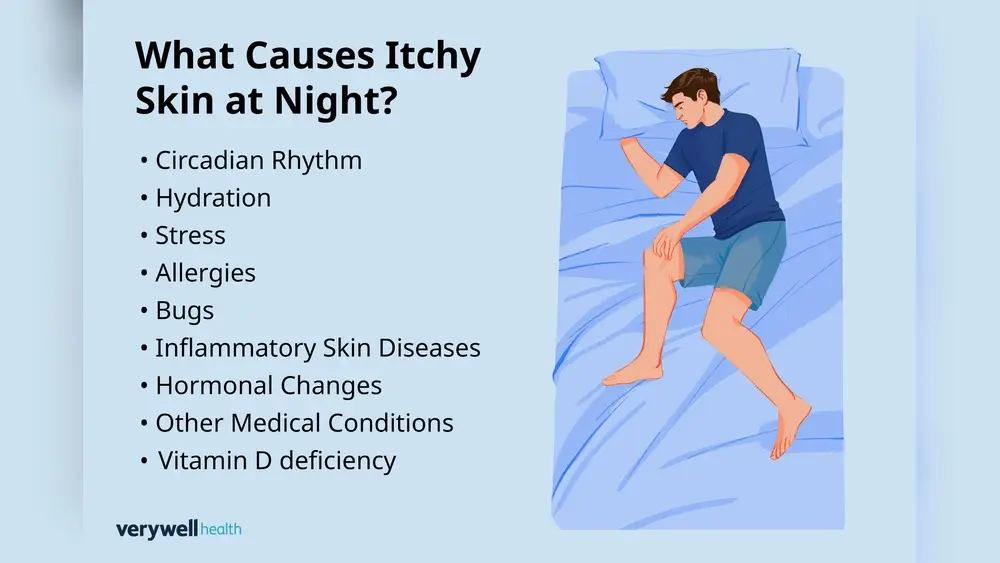
Many people experience skin itching at some point in their lives. Sometimes, the cause is clear: dry weather, insect bites, or allergies. But what if the itching keeps coming back, or there is no obvious reason? In many cases, a deficiency in certain nutrients can trigger itchy skin. This is not always easy to spot, and most people don’t realize how much their diet affects their skin health. Knowing what deficiency causes skin itching can help you solve the problem, improve your comfort, and avoid more serious health issues. Let’s look deeper at the nutrients your skin needs, the signs of deficiency, and how you can fix itching for good.
Why Skin Itching Happens
Itching is a signal from your body. The skin is your largest organ, and it needs many nutrients to stay healthy. When you are missing some key vitamins, minerals, or fatty acids, the skin can become dry, irritated, or inflamed. This leads to itching, sometimes with other symptoms like redness, peeling, or bumps.
There are many reasons for skin itching, but deficiency is often overlooked. Doctors may check for allergies or infections first. However, nutritional gaps are common, especially in busy lifestyles or restricted diets. Several nutrients play big roles in maintaining skin moisture, barrier function, and repair.
Without enough of these, your skin becomes more sensitive and itchy.
Nutrient Deficiencies That Cause Skin Itching
Let’s look at the most important nutrients linked to skin itching. Each one affects your skin in a unique way. Missing even one can lead to discomfort, and sometimes, chronic skin problems.
Vitamin D
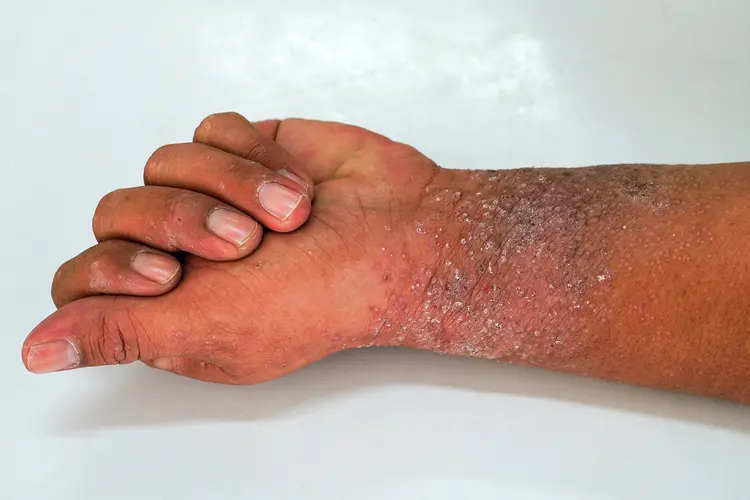
Vitamin D is crucial for healthy skin. It helps control inflammation and supports the skin barrier. People who don’t get enough sunlight or have low intake of vitamin D-rich foods often suffer from itchy, dry skin.
- Symptoms: Dryness, peeling, itching, sometimes eczema-like patches.
- Risk groups: People living in northern climates, indoor workers, older adults, those with darker skin.
- Data: According to studies, over 40% of adults worldwide have low vitamin D levels.
Low vitamin D can make your skin prone to irritation. It’s also linked to conditions like atopic dermatitis and psoriasis, both of which cause itching.
Vitamin B12
Vitamin B12 helps with cell repair and nerve function. A deficiency can cause skin itching, especially with numbness or tingling.
- Symptoms: Itchy skin, sometimes with pale or yellowish patches. May also have cracked lips or mouth sores.
- Risk groups: Vegetarians, vegans, older adults, people with digestive issues.
- Example: One case study showed severe itching in a woman due to low B12, resolved after supplementation.
Vitamin B12 deficiency is often missed because symptoms can be mild at first. But over time, it can lead to nerve problems that make the itching worse.
Vitamin A
Vitamin A keeps skin smooth and helps with repair. Without enough, skin becomes rough, dry, and itchy.
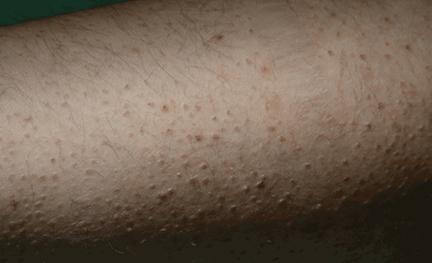
- Symptoms: Dry, flaky skin, itching, sometimes bumps known as keratosis pilaris.
- Risk groups: People with low-fat diets, liver disease, alcohol abuse.
- Data: WHO estimates that vitamin A deficiency affects up to 30% of children in some regions.
Vitamin A is found in foods like liver, eggs, and carrots. If you avoid these, you may be at risk.
Niacin (vitamin B3)
Niacin is important for skin health and energy production. Severe deficiency causes a disease called pellagra, with very itchy skin.
- Symptoms: Itchy, inflamed skin, especially on sun-exposed areas. May also have redness and blistering.
- Risk groups: People with poor diets, alcoholism, certain digestive disorders.
- Example: Pellagra outbreaks in the past caused intense skin itching and rash.
Even mild niacin deficiency can make skin sensitive and prone to itching.
Zinc
Zinc helps skin heal and protects against infection. Low zinc can cause itching and rashes.
- Symptoms: Itchy, red patches, delayed healing, sometimes hair loss.
- Risk groups: Vegetarians, pregnant women, people with digestive diseases.
- Data: Up to 17% of the world’s population has low zinc intake.
Zinc is found in meat, seafood, and nuts. If you eat mostly plant-based foods, you may need more.
Essential Fatty Acids
Essential fatty acids like omega-3 and omega-6 keep skin moist. Without enough, skin dries out and becomes itchy.
- Symptoms: Dry, scaly skin, itching, sometimes eczema.
- Risk groups: People on low-fat diets, those with fat absorption problems.
- Example: Children fed low-fat formulas developed itchy, flaky skin until fatty acids were added.
Fatty acids are found in fish, flaxseed, and walnuts. They are key for skin comfort.
Iron
Iron deficiency is famous for causing fatigue, but it can also lead to skin itching.
- Symptoms: Itchy skin, pale color, sometimes cracks at the corners of the mouth.
- Risk groups: Women of childbearing age, vegetarians, people with heavy periods.
- Data: WHO reports that over 1 billion people suffer from iron deficiency.
In some cases, iron-deficient people experience itching after a hot shower or exercise.
Vitamin C
Vitamin C is needed for skin repair and collagen production. Low levels can make skin fragile and prone to itching.
- Symptoms: Itchy skin, easy bruising, slow healing, sometimes bleeding gums.
- Risk groups: People with poor diets, smokers, older adults.
- Example: In severe cases, scurvy causes skin bleeding and intense itching.
Vitamin C is found in fruits and vegetables. Skipping these can increase risk.
Biotin (vitamin B7)
Biotin helps keep skin smooth and healthy. Deficiency leads to itchy, scaly skin.
- Symptoms: Itchy rash, often on face or scalp, hair loss.
- Risk groups: People eating raw egg whites, pregnant women, those with genetic disorders.
- Data: Biotin deficiency is rare but can happen with certain diets.
Biotin is found in eggs, nuts, and whole grains.
Selenium
Selenium protects skin from damage and supports healing. Low selenium can cause itching, especially in people with thyroid problems.
- Symptoms: Itchy, dry skin, slow healing, sometimes hair loss.
- Risk groups: People living in areas with low selenium in soil, those with thyroid disease.
- Example: Some studies link low selenium to increased risk of eczema.
Selenium is found in seafood, Brazil nuts, and grains.
Vitamin E
Vitamin E is an antioxidant that keeps skin soft. Deficiency can lead to itching, especially in newborns.
- Symptoms: Dry, itchy skin, poor healing, sometimes nerve problems.
- Risk groups: Premature infants, people with fat absorption issues.
- Example: In some rare cases, vitamin E supplements helped severe itching.
Vitamin E is found in oils, nuts, and seeds.
Copper
Copper helps form collagen and keeps skin strong. Low copper can cause itching and fragile skin.
- Symptoms: Itchy skin, poor healing, sometimes anemia.
- Risk groups: People on high zinc diets, those with digestive disorders.
- Data: Copper deficiency is rare but possible with certain supplements.
Copper is found in shellfish, nuts, and seeds.
Magnesium
Magnesium helps regulate nerves and skin reactions. Deficiency can cause itching, especially with muscle cramps.
- Symptoms: Itchy skin, muscle twitching, poor sleep.
- Risk groups: Older adults, people with diabetes, those on diuretics.
- Example: Some people report improvement in itching after magnesium supplements.
Magnesium is found in leafy greens, nuts, and whole grains.
Protein
Protein is essential for skin repair. Low protein can cause itching, especially in children.
- Symptoms: Itchy, flaky skin, slow healing, swelling.
- Risk groups: People with kidney disease, low-income groups, those on fad diets.
- Data: Severe protein deficiency causes a condition called kwashiorkor with intense itching.
Protein is found in meat, dairy, legumes, and grains.
Folic Acid (vitamin B9)
Folic acid helps with cell growth. Low levels can make skin itchy and sensitive.
- Symptoms: Itchy skin, mouth sores, fatigue.
- Risk groups: Pregnant women, people with alcohol abuse, older adults.
- Example: Some cases of skin itching improved with folic acid supplements.
Folic acid is found in leafy greens, beans, and fortified grains.
Credit: www.ccjm.org
Comparing Nutrient Deficiencies: Symptoms And Risk Groups
Let’s look at the key differences between deficiencies that cause skin itching.
| Deficiency | Main Symptom | Risk Groups |
|---|---|---|
| Vitamin D | Dry, itchy skin | Indoor workers, older adults |
| Vitamin B12 | Itching with numbness | Vegetarians, elderly |
| Zinc | Red, itchy patches | Vegetarians, pregnant women |
| Essential Fatty Acids | Dry, scaly skin | Low-fat diets |
| Iron | Itchy skin, pale color | Women, vegetarians |
| Niacin | Itchy, inflamed skin | Poor diets, alcoholism |
This comparison shows how different deficiencies can lead to similar symptoms, but affect different groups.
How Deficiency Triggers Skin Itching
When your body lacks a nutrient, several things happen:
- The skin barrier weakens and loses moisture.
- Inflammation increases, making skin more sensitive.
- Repair processes slow down, leading to dryness and cracking.
These changes make the skin more prone to irritation from soaps, weather, or even sweat. Often, people notice itching first, but other signs may follow.
For example, with vitamin D deficiency, the skin loses its ability to fight inflammation. With zinc deficiency, healing slows and infections can develop, making itching worse. Each nutrient has a unique role, but the result is often similar: discomfort and itchiness.
Identifying A Deficiency
How do you know if your skin itching is caused by a deficiency? Here are clues:
- Itching is chronic or unexplained.
- Skin is dry, flaky, or slow to heal.
- You have other symptoms: Fatigue, hair loss, mouth sores.
- You follow a restricted diet (vegan, low-fat, low-protein).
- You live in a region with poor access to certain foods.
Blood tests can confirm deficiencies. Doctors may check vitamin D, iron, B12, or zinc levels if skin itching is unexplained.
Foods That Help Prevent Skin Itching
You can prevent or solve deficiency-related itching by eating a balanced diet. Here’s a quick reference for foods rich in key nutrients:
| Nutrient | Best Food Sources |
|---|---|
| Vitamin D | Fatty fish, egg yolks, fortified milk |
| Vitamin B12 | Meat, dairy, eggs |
| Zinc | Meat, shellfish, nuts |
| Essential Fatty Acids | Fish, flaxseed, walnuts |
| Iron | Red meat, beans, spinach |
| Vitamin C | Citrus, berries, peppers |
| Biotin | Eggs, nuts, whole grains |
| Selenium | Brazil nuts, seafood, grains |
| Vitamin E | Nuts, seeds, oils |
| Copper | Shellfish, nuts, seeds |
| Magnesium | Leafy greens, nuts, grains |
| Protein | Meat, dairy, legumes |
| Folic Acid | Leafy greens, beans, grains |
| Niacin | Meat, fish, peanuts |
| Vitamin A | Liver, eggs, carrots |
Eating a variety of these foods can help your skin stay healthy and itch-free.
Credit: www.webmd.com
Common Mistakes That Lead To Deficiency
Many people make simple mistakes that lead to deficiencies and skin itching:
- Cutting out food groups (like fats or animal products) without proper substitutes.
- Relying on processed foods, which lack key nutrients.
- Ignoring symptoms like fatigue or hair loss, which are early signs of deficiency.
- Using harsh soaps or chemicals that strip skin oils, making deficiency effects worse.
- Skipping meals or following extreme diets.
If you avoid animal products, make sure to supplement with vitamin B12 and iron. If you eat a low-fat diet, add sources of essential fatty acids.
Real-world Examples
Let’s look at some real cases:
- A young woman followed a strict vegan diet and developed itchy, flaky skin. Blood tests showed low zinc and B12. After adjusting her diet and adding supplements, the itching disappeared.
- An older man complained of itching after showers. He had low iron levels and mild anemia. Iron-rich foods and supplements solved his skin discomfort.
- A child on a low-fat diet developed dry, itchy patches. Adding omega-3 fats from fish oil stopped the itching in two weeks.
These examples show that fixing the root cause can solve skin problems quickly.
When To See A Doctor
Not all itching is caused by deficiency. Sometimes, allergies, infections, or even liver disease are to blame. See a doctor if:
- Itching is severe or doesn’t improve with diet changes.
- You have other symptoms: Swelling, fever, weight loss.
- Skin shows signs of infection (redness, pus, pain).
- You have chronic diseases (diabetes, kidney disease).
A doctor can run tests to find the cause and recommend the best treatment.
Practical Tips To Prevent Deficiency-related Itching
Here are some steps you can take:
- Eat a balanced diet with plenty of fruits, vegetables, lean meats, and healthy fats.
- If you follow a special diet (vegan, low-fat), use supplements as advised.
- Get regular sunlight for vitamin D, or take a supplement if needed.
- Avoid harsh soaps and hot showers that dry out the skin.
- Drink enough water to keep skin hydrated.
Small changes can make a big difference. If you notice itching, look at your diet first.
How Long Does It Take To Fix Deficiency Itching?
The answer depends on the nutrient and your health. For some, itching improves in days after correcting the deficiency. For others, it may take weeks.
| Nutrient | Time to Improvement |
|---|---|
| Vitamin D | 2-4 weeks |
| Iron | 1-3 weeks |
| Essential Fatty Acids | 1-2 weeks |
| Vitamin B12 | 1-2 weeks |
| Zinc | 1-3 weeks |
Itching often improves as soon as the skin starts to heal and moisture returns.
Non-obvious Insights: What Beginners Miss
- Multiple deficiencies can happen together. For example, low zinc and low B12 often appear in vegans, making symptoms worse.
- Skin itching after exercise or hot showers can signal iron deficiency, not just dry skin.
- Some medications (antacids, diuretics) can cause nutrient loss and skin itching. Always check with your doctor if you take regular medicines.
Many people focus on creams or lotions, but fixing the inside is just as important.
Expert Guidance For Managing Deficiency
If you suspect a deficiency:
- Start by tracking your diet for a week. Notice any food groups missing.
- Add foods rich in the nutrients you might lack.
- If symptoms continue, ask your doctor for blood tests.
- Supplement only as needed, and avoid mega-doses without advice.
For severe or chronic itching, medical help is best. Early treatment prevents long-term skin damage.
Additional Resources
For more detailed information on nutrient deficiencies and their effects on skin, visit NCBI – Nutritional Deficiencies and Skin.

Credit: www.drvegan.com
Frequently Asked Questions
What Is The Most Common Deficiency Causing Skin Itching?
The most common is vitamin D deficiency. Many people spend little time outdoors or eat few vitamin D-rich foods, which leads to dry, itchy skin. Other common causes are low iron and zinc.
Can Vitamin Supplements Stop Skin Itching?
Yes, but only if the itching is caused by a deficiency. For example, iron supplements can help iron-deficient people. But supplements will not help if the cause is allergy or infection. Always check with a doctor before starting new supplements.
How Do I Know If My Itchy Skin Is From A Deficiency?
Look for other symptoms like fatigue, slow healing, hair loss, or mouth sores. If your diet is restricted, you may be at risk. Blood tests are the best way to confirm a deficiency.
Can Children Get Skin Itching From Deficiency?
Yes. Children can develop itchy skin from low protein, essential fatty acids, or vitamin A. Balanced meals are important for growing skin.
Are Creams And Lotions Helpful For Deficiency-related Itching?
Creams can soothe itching, but they don’t fix the root cause. If your skin itching is from a deficiency, you need to correct your diet or take supplements. Lotions help with dryness but cannot restore missing nutrients.
Skin itching can be annoying and uncomfortable, but finding the real cause makes treatment easier. If you suspect a deficiency, simple changes can bring relief and improve your skin for life. Eating a balanced diet, watching for symptoms, and asking for medical advice when needed are the best ways to keep your skin healthy and itch-free.