
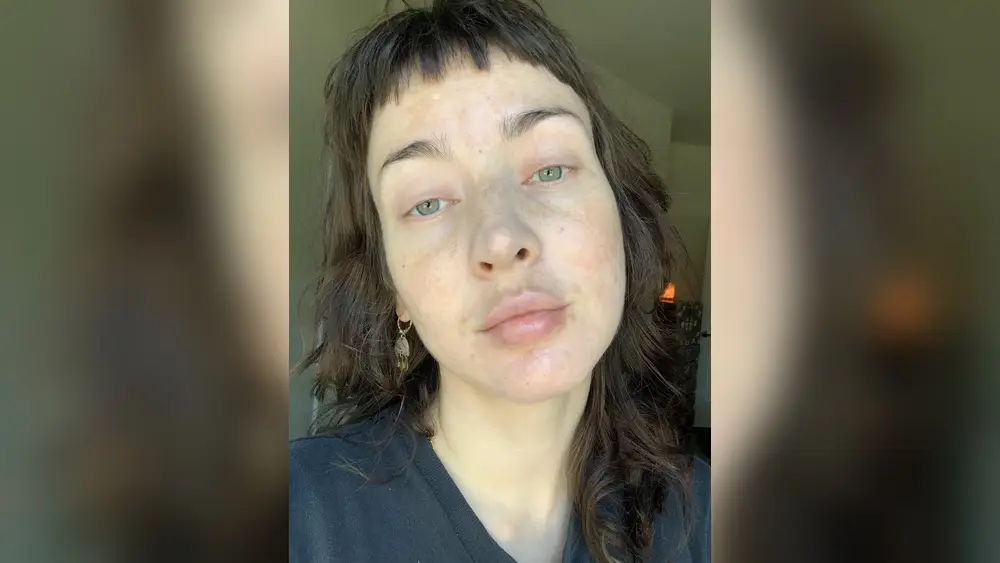
Many women experience skin changes during pregnancy. One of the most common is melasma, also called “the mask of pregnancy.” This condition causes brown or grayish patches on the face, often on the cheeks, forehead, nose, and upper lip. If you notice these patches, you might wonder: *Does melasma go away after pregnancy?* The answer is not simple, and it depends on many factors. Let’s look closely at what melasma is, why it happens, and what you can expect after giving birth.
What Is Melasma And Why Does It Happen?
Melasma is a type of hyperpigmentation. This means your skin makes more pigment (color) than usual. During pregnancy, your body goes through big hormonal changes. Higher levels of estrogen and progesterone make your skin cells more sensitive to the sun. As a result, some parts of your skin can get darker.
Melasma is not dangerous, but it can make people feel self-conscious. It’s more common in women with medium to dark skin tones, especially those with a family history of pigmentation problems. Sun exposure, certain medicines, and even stress can make it worse.
How Common Is Melasma During Pregnancy?
Melasma is very common in pregnancy. Studies show that 15% to 50% of pregnant women develop this condition. It usually starts in the second or third trimester. Sometimes, women who use birth control pills or hormone treatments can also get melasma, even if they are not pregnant.
What Does Melasma Look Like?
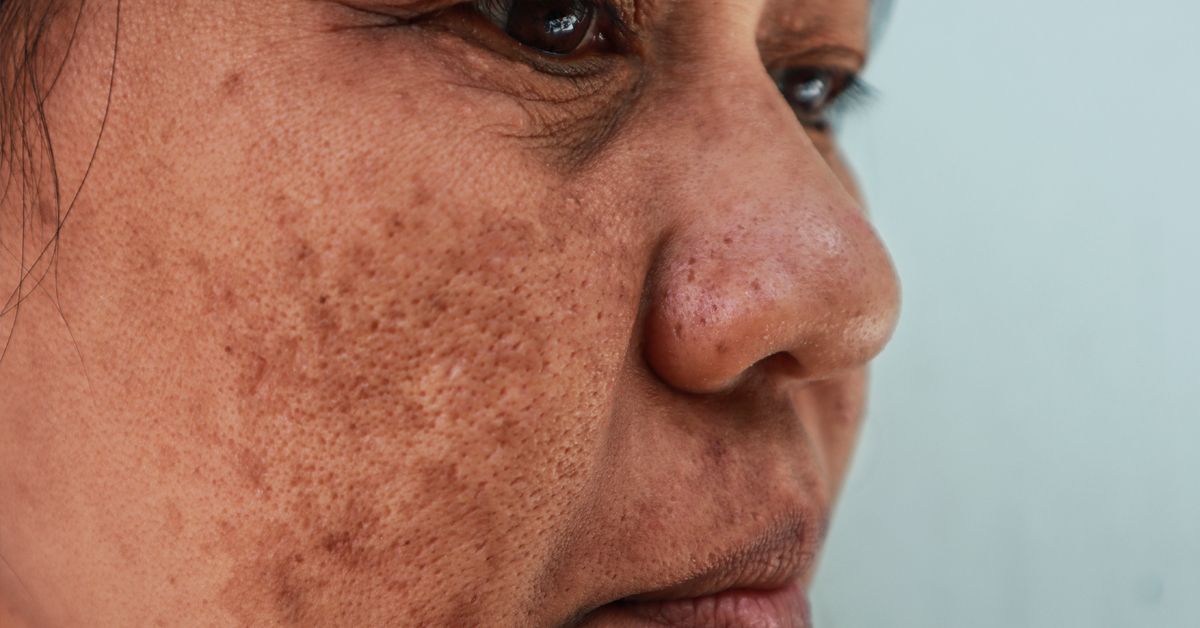
The most common sign of melasma is symmetric, flat patches of darker skin. These patches often appear on:
- Cheeks
- Forehead
- Nose
- Chin
- Upper lip
The patches do not hurt, itch, or cause any physical symptoms. They are just darker than the rest of your skin.
Does Melasma Go Away After Pregnancy?
Many women want to know if melasma will disappear after their baby is born. The truth is, melasma may fade after pregnancy, but it does not always go away completely. Here’s what research and dermatologists say:
What Usually Happens
For some women, the dark patches start to fade within a few months after delivery, especially if they protect their skin from the sun. In other cases, the pigmentation stays the same or gets lighter very slowly over time.
A 2018 study found that about 30% of women saw their melasma improve within the first year after childbirth. However, about 70% still had some patches even after one year.
Why It Might Not Go Away Completely
Melasma is linked to hormones. After childbirth, your hormone levels drop back to normal, which can help the skin return to its usual color. But other things can keep melasma from fading, such as:
- Sun exposure: UV rays can trigger melasma or make it worse, even after pregnancy.
- Genetics: If your mother or sister had melasma, you are more likely to have long-lasting patches.
- Skin type: People with darker skin (Fitzpatrick types III–V) often see melasma last longer.
Can Melasma Get Worse After Pregnancy?
Yes, melasma can sometimes get darker after pregnancy, especially if you spend time in the sun without protection. Some women develop melasma for the first time after giving birth, but this is less common.
How Long Does It Take For Melasma To Fade?
There is no set timeline for melasma to go away after pregnancy. For some, it fades within a few months. For others, it can last for years.
Here’s a quick look at what women report:
| Time After Pregnancy | % of Women with Fading Melasma | % of Women with Persistent Melasma |
|---|---|---|
| 3 months | 20% | 80% |
| 6 months | 28% | 72% |
| 12 months | 30-35% | 65-70% |
| 2 years | 40-50% | 50-60% |
These numbers are based on clinical studies and surveys. They show that for many women, melasma is a long-term condition.
What Factors Affect Melasma After Pregnancy?
Several things decide whether your melasma will fade or stay after pregnancy:
Sun Exposure
Sunlight is the biggest trigger for melasma. Even small amounts of sun can keep the patches dark or make new ones appear. Wearing sunscreen every day is the best way to help melasma fade.
Skin Care Habits
Gentle skin care helps. Harsh scrubs or strong creams can make melasma worse by causing irritation. Using mild cleansers and moisturizers is best.
Genetics
If close family members had melasma, you may have a higher risk of long-lasting patches.
Hormones
Some women have hormone changes after pregnancy, especially if they breastfeed or use birth control pills. These can affect melasma, sometimes making it last longer.
Skin Color
People with darker skin tones often have melasma that lasts longer. This is because their skin makes more pigment naturally.
What Can You Do To Help Melasma Fade?
There is no cure for melasma, but you can take steps to help the patches fade and prevent new ones. Here’s what dermatologists recommend:
1. Protect Your Skin From Sun
This is the most important step. Use a broad-spectrum sunscreen with SPF 30 or higher every day, even if you are indoors. Wear hats and sunglasses when outside.
2. Use Gentle Skin Care Products
Avoid products that can irritate your skin, such as:
- Strong exfoliants
- Alcohol-based toners
- Fragrance-heavy creams
Choose gentle cleansers and moisturizers instead.
3. Wait And Watch
For many women, melasma fades over time without treatment. Give your skin a few months after pregnancy to see if the patches get lighter on their own.
4. Talk To A Dermatologist
If your melasma is severe, or if it does not fade after a year, see a skin doctor. They can offer treatments like:
- Prescription creams (hydroquinone, tretinoin, corticosteroids)
- Chemical peels
- Laser therapy
Not all treatments are safe if you are breastfeeding, so always check with your doctor first.
5. Avoid Triggers
If you know that certain medicines, heat, or stress make your melasma worse, try to avoid them when possible.
Medical Treatments For Stubborn Melasma
Some women have melasma that does not fade with time or sun protection. In these cases, a dermatologist may suggest medical treatments.
Prescription Creams
Topical creams are often the first choice. The most common ingredients are:
- Hydroquinone: Lightens dark patches
- Tretinoin: Helps skin renew itself
- Corticosteroids: Reduce inflammation
Some creams combine these ingredients for better results.
Chemical Peels
A mild acid solution is applied to your skin. This removes the top layer and can help lighten dark spots. It often takes several treatments.
Laser And Light Therapy
Lasers can target pigment in the skin. These treatments are not for everyone and may not work for all skin types. They can also cause side effects.
| Treatment Option | How It Works | Recovery Time |
|---|---|---|
| Prescription Creams | Blocks pigment production | Minimal |
| Chemical Peels | Removes surface pigment | 1–7 days |
| Laser Therapy | Targets pigment with light | 1–5 days |
Microneedling
Tiny needles are used to boost skin renewal. This can help with stubborn melasma, but it requires several sessions.
Oral Medications
In rare cases, doctors may use certain oral medications. This is usually only for severe or resistant melasma.

Credit: helloprfct.com
Preventing Melasma From Coming Back
Even if your melasma fades, it can return. Here are steps to lower your risk:
- Wear sunscreen every day.
- Avoid midday sun (10 a.m. to 4 p.m.).
- Wear hats and sunglasses.
- Be careful with hormone treatments like birth control pills.
- Continue gentle skin care even after melasma fades.
Non-obvious Insights About Melasma After Pregnancy
Many people believe that melasma always goes away after pregnancy, but this is not true for everyone. Here are some less obvious facts:
- Melasma can get darker in winter. Most people think it’s a summer problem, but even cloudy days can cause pigment changes if you skip sunscreen.
- Heat, not just sunlight, can trigger melasma. Hot showers, cooking over a stove, or saunas can sometimes make patches darker.
- Blue light from screens (phones, computers) may also affect melasma. Some studies show that blue light can increase pigmentation, so using sunscreen with iron oxide can help.
Emotional Impact Of Melasma
Melasma is not dangerous, but it can affect your self-esteem. Many women feel embarrassed or frustrated when the patches do not fade. It’s important to remember that you are not alone. Melasma is very common, and there is support available from doctors and other women who have experienced it.
When To See A Dermatologist
If your melasma is very dark, spreading, or causing you distress, make an appointment with a dermatologist. Sometimes, other conditions can look like melasma, so a professional can confirm the diagnosis and suggest the best treatment.
Credit: www.healthline.com
Melasma Vs. Other Skin Conditions
Not all dark patches on the face are melasma. Here’s a quick comparison of melasma and other common conditions:
| Condition | Main Features | Common Areas |
|---|---|---|
| Melasma | Symmetrical brown/gray patches | Cheeks, forehead, upper lip |
| Freckles | Small, light brown spots | Face, arms, shoulders |
| Post-Inflammatory Hyperpigmentation | Dark spots after injury or acne | Anywhere on the body |
If you are not sure what you have, a dermatologist can help.
Support And Resources
It can be helpful to talk to others who have melasma. Online forums, support groups, and social media communities can offer tips and encouragement. For more information on skin pigmentation disorders, you can visit the American Academy of Dermatology.
Key Takeaways
- Melasma may fade after pregnancy, but it often takes months or years.
- Sun protection is the most important step to help melasma fade and prevent new patches.
- Medical treatments are available for stubborn cases, but always check with your doctor.
- Melasma is common and not dangerous, but it can affect your confidence.
- Support and information are available if you need help.
Frequently Asked Questions
Does Melasma Always Go Away After Pregnancy?
No, melasma does not always go away after pregnancy. Some women see their patches fade within a few months, while others have melasma for years. Sun protection and gentle skin care can help.
Can I Treat Melasma While Breastfeeding?
Some treatments for melasma are safe while breastfeeding, such as gentle sunscreen and certain topical creams. Always talk to your doctor before starting any new treatment if you are breastfeeding.
How Can I Prevent Melasma From Coming Back?
Wear sunscreen daily, avoid direct sunlight, and use hats or sunglasses. Be careful with hormone-based medicines and keep a gentle skin care routine.
Is Melasma Dangerous?
No, melasma is not dangerous or contagious. It is only a cosmetic problem. However, if you notice new or changing spots, see a dermatologist to rule out other conditions.
What Are The Best Treatments For Melasma After Pregnancy?
The best treatments include sun protection, prescription creams, and sometimes procedures like chemical peels or laser therapy. Your dermatologist will help choose the best option for your skin type.
Melasma can be a challenge, but with patience and proper care, many women find their skin improves over time. If you are struggling, reach out to a skin specialist for support and advice.
/assets/images/provider/photos/2659854.jpg)
Credit: www.rossdermatology.com