
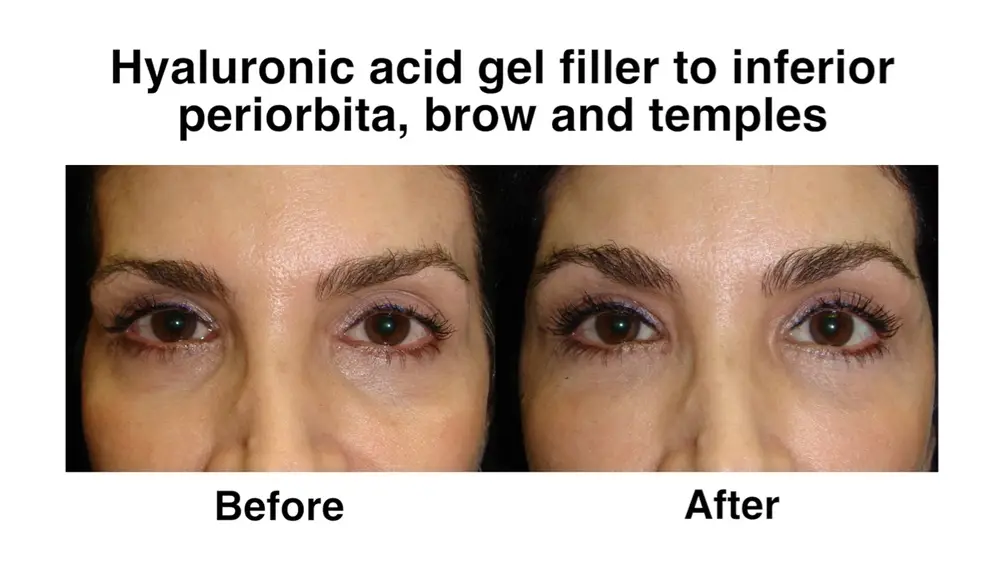
Under-eye hollows are a common concern for many people. The area under the eyes can look sunken, tired, or shadowed, which sometimes adds years to your appearance. While fillers are popular for treating under-eye hollows, not everyone wants to use them.
Some people worry about side effects, costs, or simply prefer more natural solutions. If you’re looking to fix under-eye hollows without filler, you have many options. Some target the skin’s surface, while others work below the skin to restore volume and support.
This guide covers the most effective ways to improve under-eye hollows without filler, using simple language and practical advice.
What Are Under Eye Hollows And Why Do They Happen?
Under-eye hollows, also called tear troughs, are depressions or grooves that appear between the lower eyelid and the upper cheek. They create shadows, making you look tired, even when you’re not. These hollows are different from dark circles, though both can appear together.
Causes Of Under Eye Hollows
There are several reasons why under-eye hollows develop:
- Aging: As you age, your skin loses collagen and fat, making the area appear sunken. Collagen is like the cushion and support under your skin. When it breaks down, the skin sags and creates hollows.
- Genetics: Some people naturally have deeper tear troughs due to their facial structure. If your parents or close relatives have under-eye hollows, you might be more likely to develop them, even at a young age.
- Weight loss: Losing fat in your face can make hollows more noticeable. The under-eye area is sensitive to even small changes in facial fat, so sudden weight loss can make the change more dramatic.
- Dehydration: Not drinking enough water can make the skin under your eyes look thinner and more hollow. Dehydration also makes blood vessels stand out, which can add to the shadowed look.
- Allergies and lack of sleep: These can both increase shadows and swelling, making hollows look worse. Allergies can cause you to rub your eyes, which weakens the delicate skin even further.
Some people may notice their hollows become more visible during stressful periods, after late nights, or when exposed to environmental stressors like pollution. Even frequent eye rubbing or using harsh makeup removers can damage the area and make hollows worse over time.
Skincare Solutions For Under Eye Hollows
If you want to avoid fillers, starting with skincare is a smart choice. While creams and serums won’t restore lost fat, they can improve the skin texture and make hollows less obvious. Remember, skincare works best for mild hollows and as a part of a broader routine.
1. Retinol Creams
Retinol is a form of vitamin A that boosts collagen production. Using a gentle retinol eye cream can help thicken the skin under the eyes over time. Thicker skin means less shadow and a smoother appearance.
- Start with a low-strength retinol (0.01–0.03%) to avoid irritation. The under-eye skin is thin, so stronger formulas can cause redness or peeling.
- Use only at night, as sunlight breaks down retinol. If you use it during the day, it can make your skin more sensitive to UV rays.
- Always apply sunscreen during the day to protect your skin.
It’s common to see small improvements after 2–3 months, but more noticeable results can take 6 months or longer. If you experience stinging or dryness, try using retinol every other night until your skin adjusts.
2. Peptide-based Eye Creams
Peptides are small proteins that signal your skin to produce more collagen and elastin. Peptide creams help the under-eye area become firmer, reducing the depth of hollows.
- Look for ingredients like Matrixyl, copper peptides, or palmitoyl pentapeptide. These are often found in high-quality eye creams.
- Use morning and night for best results.
You may notice the skin feels firmer and looks brighter after a few weeks. Peptides are usually gentle, so they’re good for sensitive skin. Some people combine peptides with hyaluronic acid for even better hydration and plumping.
3. Hyaluronic Acid Serums
Hyaluronic acid is known for its ability to hold water—up to 1000 times its own weight. A serum with hyaluronic acid plumps and hydrates the skin, making hollows look less deep.
- Apply a small amount to damp skin, then seal with moisturizer. This helps lock in moisture and gives a temporary “filling” effect.
- Works best as a temporary plumper; effects last until you wash your face.
For extra hydration, look for serums with multiple types or molecular weights of hyaluronic acid. These can reach both the surface and deeper layers of the skin. Some people layer hyaluronic acid under their eye cream for a double boost.
4. Caffeine-infused Eye Products
Caffeine constricts blood vessels and reduces swelling. Caffeine eye creams or serums can help if puffiness exaggerates your hollows.
- Use in the morning to reduce under-eye swelling. Caffeine is especially helpful if you wake up with puffy eyes.
- For extra benefit, store your eye cream in the fridge.
The cooling effect plus caffeine can tighten the skin and make shadows less visible, at least for a few hours. However, caffeine does not add volume—so it’s best for people whose hollows look worse due to swelling or fluid retention.
5. Sunscreen
Sun damage makes the skin thinner and can worsen hollows over time. Daily sunscreen use is a must.
- Choose a sunscreen designed for the face (SPF 30 or higher).
- Reapply every 2 hours if you’re outdoors.
Many people forget to apply sunscreen close to the eyes. Look for formulas that are tested for sensitive skin and won’t sting. A physical (mineral) sunscreen with zinc oxide or titanium dioxide is less likely to irritate.

Credit: www.youtube.com
Non-invasive Treatments For Under Eye Hollows
If skincare alone isn’t enough, consider non-invasive treatments. These options are less risky and more affordable than fillers, but can still give noticeable results. They work by boosting your body’s natural collagen and improving skin quality.
6. Microneedling
Microneedling uses tiny needles to create controlled injuries in the skin. This stimulates collagen and elastin, making the skin stronger and plumper.
- Most people need 3–6 sessions, spaced 4–6 weeks apart.
- Results appear gradually, with little downtime.
- Always use a professional for the under-eye area. At-home devices can be risky.
A trained provider can adjust the needle depth to avoid bruising or damaging the delicate under-eye area. Besides helping hollows, microneedling can reduce fine lines and improve skin texture.
7. Radiofrequency (rf) Treatments
Radiofrequency uses energy waves to heat the skin and boost collagen. RF treatments tighten and smooth the under-eye area.
- No needles or injections required, making it less scary than some other methods.
- Some popular RF devices: Thermage, Forma, Venus Viva.
- Results last 6–12 months after a series of treatments.
Some people see mild redness or swelling after RF, but it usually fades within a day. The tightening effect builds over several weeks as new collagen forms. RF is often combined with microneedling for greater results.
8. Laser Resurfacing
Lasers like fractional CO2 or erbium can be used under the eyes to remove old skin and encourage new growth.
- Improves skin texture and thickness.
- Reduces fine lines and makes hollows less visible.
- Some downtime (redness, peeling) is expected.
Laser treatments are best for people with significant skin thinning or wrinkling. After healing, skin looks smoother and firmer, which can reduce the shadow effect of hollows. It’s important to protect your skin from the sun after laser.
9. Platelet-rich Plasma (prp) Therapy
PRP uses your own blood, spun to concentrate the platelets. These are injected into the under-eye area to stimulate healing and collagen.
- Natural and low risk since it uses your blood.
- 2–3 sessions are usually needed for best results.
- Results last several months.
PRP can also improve skin color and texture, which is helpful if your hollows are combined with dark circles. It’s often called a “vampire facial” when used on the whole face.
10. Low-level Light Therapy (lllt)
Red light and near-infrared light can boost collagen and reduce inflammation. LLLT is painless and requires no downtime.
- Can be done at home with approved devices.
- Results build slowly over weeks.
- Works best for mild to moderate hollows.
Consistency is important—using the device a few times a week for at least a month is needed to see real changes. Some people notice their skin looks fresher and less tired after a few sessions.
At-home Techniques For Immediate Improvement
Sometimes you need a quick fix—maybe before a meeting or a night out. While these methods don’t change the structure of your face, they can make hollows look less noticeable right away.
11. Cold Compress
Applying a cold spoon or chilled gel mask reduces puffiness and constricts blood vessels. This makes the under-eye area look fresher and slightly fuller.
- Apply for 5–10 minutes in the morning.
Cold compresses are especially useful after a late night or when you wake up with puffy eyes. Even a cold, damp washcloth can do the trick. Avoid using ice directly on the skin, as it can cause irritation.
12. Strategic Makeup Application
Using makeup cleverly can disguise under-eye hollows very well.
- Use a peach or orange color corrector to hide blue or purple shadows.
- Follow with a lightweight concealer that matches your skin tone.
- Set with a small amount of powder to prevent creasing.
For best results, choose a concealer with a creamy texture. Avoid heavy, matte products, which can settle into lines and make hollows stand out. Blending the concealer slightly lower than the hollow creates an illusion of fullness.
Here’s a comparison of popular makeup ingredients for under-eye coverage:
| Ingredient | Benefit | Best for |
|---|---|---|
| Hyaluronic Acid | Hydrates, prevents dryness | Dry or mature skin |
| Dimethicone | Smooths texture, fills lines | Fine lines, uneven skin |
| Pigments (Titanium Dioxide, Iron Oxides) | Conceals discoloration | Dark circles, uneven tone |
13. Facial Massage
Gentle massage improves blood flow and lymph drainage. This reduces swelling and makes the area look less hollow.
- Use your ring finger to tap from the inner to outer corner.
- Do this for 1–2 minutes each morning.
You can also use a jade roller or a cooled metal spoon for a soothing effect. Be gentle—pulling or dragging the skin can cause more harm than good. Over time, regular massage helps maintain a fresher, less tired look.
14. Hydrating Eye Patches
Gel patches with hyaluronic acid, peptides, or caffeine give a fast plumping effect.
- Apply for 15–20 minutes.
- Works well before special events.
These patches are soaked in serum that delivers a strong dose of hydration. Some people keep them in the fridge for extra cooling. They’re great for travel or when your eyes look extra tired.
15. Sleeping Position
Sleeping on your back with your head slightly raised prevents fluid from collecting under your eyes overnight.
- Use an extra pillow to elevate your head.
- Avoid sleeping on your stomach or side.
This small adjustment can reduce morning puffiness and keep your under-eye area looking smoother. If you have trouble staying on your back, try placing a pillow under your knees to help.
Lifestyle Changes For Long-term Results
For under-eye hollows, small daily habits can make a surprising difference. These changes won’t transform your face overnight, but they support your skin and prevent hollows from getting worse.
16. Stay Hydrated
Drink at least 8 cups (2 liters) of water each day. Dehydration makes skin thinner and more fragile, so hollows look deeper.
- Carry a reusable water bottle.
- Add lemon or cucumber for flavor if plain water is boring.
If you drink a lot of coffee or tea, you may need even more water to balance out dehydration from caffeine. Watch out for signs of dehydration, like dry lips or headaches.
17. Eat A Balanced Diet
Nutrients like vitamin C, vitamin E, and zinc are important for healthy skin and collagen.
- Eat citrus fruits, berries, nuts, seeds, and leafy greens.
- Add fish or lean meats for protein and healthy fats.
Try including foods high in antioxidants, like tomatoes, sweet potatoes, and bell peppers. These help protect your skin from daily damage and support repair.
18. Get Enough Sleep
Aim for 7–9 hours each night. Poor sleep makes under-eye hollows and dark circles worse.
- Keep a regular sleep schedule, even on weekends.
- Limit screens before bed to sleep better.
Good sleep gives your skin time to heal and rebuild collagen. If you struggle with sleep, try a calming routine before bed or use blackout curtains to create a restful space.
19. Manage Allergies
Allergies can cause swelling and make hollows stand out. If you have hay fever or other allergies:
- Take antihistamines as needed.
- Use hypoallergenic bedding and keep your bedroom clean.
Consider using an air purifier if your allergies are triggered by dust or pollen. Allergies often lead to eye rubbing, so keeping symptoms under control helps protect your under-eye skin.
20. Quit Smoking
Smoking damages collagen and thins the skin, making hollows more visible.
- Ask your doctor for help if you want to quit.
- Support groups and nicotine replacement can make it easier.
Even reducing the number of cigarettes you smoke can help improve your skin’s health. Non-smokers often notice their skin is firmer and more elastic, especially in sensitive areas like under the eyes.
Medical Procedures That Are Not Filler
Some medical treatments can improve under-eye hollows without injecting filler. These are best done by dermatologists or plastic surgeons.
21. Fat Transfer
Fat transfer, also called autologous fat grafting, moves fat from another part of your body (like your thigh or belly) to the under-eye area.
- Results are natural and long-lasting (often several years).
- Some fat may be reabsorbed, so more than one session may be needed.
- More invasive than other options, but no synthetic fillers are used.
Fat transfer is ideal for people who want a natural solution and are comfortable with a minor surgical procedure. It requires some downtime for swelling and bruising to fade.
22. Surgical Implants
Custom implants made of silicone or other safe materials can be placed under the skin to fill in hollows.
- Results are permanent.
- More common in people with severe hollows or facial bone loss.
- Requires surgery, so there is some downtime.
Implants are rarely a first choice, but they can be life-changing for people with very deep hollows from genetics or aging. Surgeons can shape the implants to fit your face for a natural look.
23. Thread Lifts
Special dissolvable threads are placed under the skin to lift and support the tissue. This can reduce the appearance of hollows.
- Results last 1–2 years.
- Minimal downtime compared to surgery.
- Works best for mild to moderate volume loss.
Thread lifts are often combined with other treatments like microneedling or radiofrequency for better results. Threads encourage your body to produce new collagen along their path, so improvements can continue after the threads dissolve.
24. Skin Tightening Devices
Devices like Ultherapy (ultrasound) or Thermage (radiofrequency) can tighten loose skin above the hollow.
- No injections, no downtime.
- Results build over several months.
- Not a replacement for lost fat, but can help in mild cases.
Tightening the skin can make hollows less noticeable by smoothing the transition between the eyelid and the cheek. These treatments are especially useful for people with early signs of aging.
Here’s how these procedures compare in terms of results and recovery:
| Procedure | Longevity | Downtime | Best for |
|---|---|---|---|
| Fat Transfer | Several years | 1–2 weeks | Moderate to severe hollows |
| Thread Lift | 1–2 years | 1–3 days | Mild to moderate hollows |
| Skin Tightening Devices | 6–12 months | None | Mild hollows, loose skin |

Credit: www.youtube.com
Common Mistakes To Avoid
When trying to fix under-eye hollows without filler, some mistakes can make things worse or waste your time.
- Using harsh products: Strong exfoliants or retinoids meant for the face can irritate the thin under-eye skin.
- Skipping sunscreen: Sun damage thins skin and deepens hollows.
- Overusing concealer: Too much makeup can settle into lines and draw attention to hollows.
- DIY treatments: At-home microneedling or chemical peels around the eyes can cause injury.
- Ignoring allergies: Treating only the skin won’t help if allergies are the real cause.
Another common mistake is expecting one product or treatment to fix everything. Under-eye hollows are usually caused by several factors, so a combination approach is needed.
How To Choose The Right Method For You
With so many options, choosing the right approach can feel overwhelming. Here’s a simple way to decide:
- If your hollows are mild and just appeared, start with skincare and lifestyle changes.
- For moderate hollows, add non-invasive treatments like microneedling or laser.
- Severe hollows or those caused by bone structure may need medical procedures.
- Always consult a dermatologist or cosmetic doctor before trying advanced treatments.
Here’s a quick comparison of the main options:
| Method | Effectiveness | Cost | Risk |
|---|---|---|---|
| Skincare | Mild improvement | Low | Very low |
| Non-Invasive Treatments | Moderate | Medium | Low |
| Medical Procedures | High | High | Medium |
Think about your goals, budget, and how much downtime you can handle. Most people see best results from a mix of approaches rather than relying on just one.
Two Insights Beginners Often Miss
First, building collagen takes time. Most non-filler methods require patience. You may not see big changes for several months. Many people give up too soon, expecting instant results.
Second, combining methods works best. Skincare, lifestyle changes, and in-office treatments often have a “stacking” effect. One alone may give small changes, but together they can significantly reduce hollows.
A third point often overlooked: protecting your results is as important as the initial treatment. After investing time and money, ongoing sun protection, hydration, and gentle skincare help maintain your improvements.
When To See A Doctor
If your under-eye hollows are severe, appeared suddenly, or are linked to other symptoms (like pain or vision changes), see a doctor. Rarely, medical problems like allergies, sinus infections, or nutritional deficiencies can cause sudden changes in this area.
A dermatologist or plastic surgeon can help you decide which treatments are safe and likely to work for you. They can also explain the risks and benefits of each method. If you have a history of skin problems or health issues, always check before trying new procedures.
Credit: www.bhaesthetics.com
Frequently Asked Questions
What Causes Under-eye Hollows To Get Worse With Age?
Aging causes the skin to lose collagen and fat, which supports the under-eye area. Over time, bone loss in the eye socket can also deepen hollows. Sun damage, smoking, and poor diet make these changes happen faster.
Can Under-eye Hollows Be Fixed Naturally?
Yes, mild under-eye hollows can improve with hydration, good sleep, healthy diet, and proper skincare. However, deep hollows caused by bone structure or severe fat loss may need professional treatments for best results.
Are Home Remedies Like Cucumber Slices Effective?
Cucumber slices and cold tea bags can reduce puffiness and hydrate the skin temporarily. They do not fill hollows, but they can make the area look fresher for a few hours.
Is It Safe To Use Retinol Under The Eyes?
Retinol can help thicken under-eye skin, but it must be used carefully. Choose a product made for the eye area, start with a low strength, and use it only at night. Always apply sunscreen during the day.
How Long Do Non-filler Treatments Last?
Results depend on the treatment. Skincare effects last as long as you use the products. Laser, microneedling, and RF results can last 6–12 months. Fat transfer or surgical options can last years. Regular maintenance is needed for all options.
Improving under-eye hollows without filler is possible, but it takes time, patience, and the right combination of methods. By understanding the causes and choosing the best approach for your needs, you can achieve a fresher, more rested look—no injections needed. For more details on skin health and under-eye care, check reliable sources like American Academy of Dermatology.