
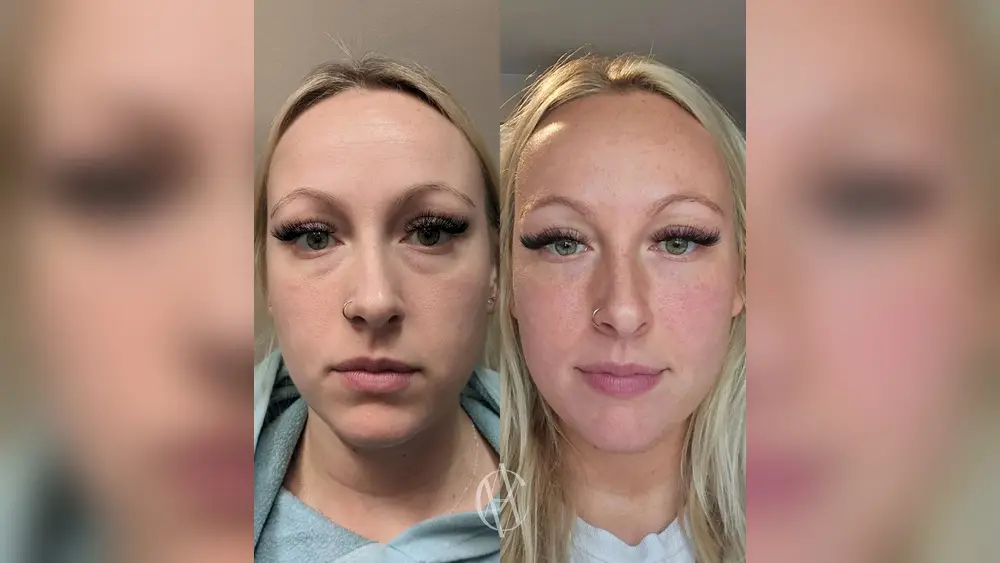
How Much Under Eye Filler: A Complete Guide For Beginners
Do you see dark circles or hollows under your eyes that make you look tired, even when you’re not? Under eye filler is a popular treatment to solve this problem. But one of the biggest questions people have is: how much under eye filler do you really need?
This is not a simple answer. The right amount depends on many factors, like your face shape, skin condition, filler type, and the look you want. If you use too little, you might see no change. Too much filler can look unnatural or cause swelling.
This article will explain everything you need to know before getting under eye filler. You’ll learn how filler works, how much is usually needed, what affects the amount, risks, costs, and real results. If you are thinking about this treatment, you’ll have clear answers by the end.
What Is Under Eye Filler?
Under eye filler is a cosmetic treatment where a doctor injects a soft gel, usually hyaluronic acid, under the skin below your eyes. The goal is to fill in hollows, smooth lines, and reduce dark shadows. This area is called the tear trough.
Filler is a non-surgical procedure. Results are visible almost immediately, and there is little or no downtime. Most people do this to look fresher, younger, and less tired.
Some popular brands of hyaluronic acid fillers used under the eyes are:
- Restylane
- Juvederm
- Belotero
These fillers are chosen because they are smooth and less likely to cause lumps or swelling in the delicate under eye area.
Why People Get Under Eye Filler
There are a few common reasons people consider under eye filler:
- Hollowing or sunken eyes – With age, fat and collagen under the eyes decrease, making the area look hollow.
- Dark circles – Some dark circles are caused by shadows from hollows, not just skin color.
- Fine lines and wrinkles – The skin here is thin and easily gets wrinkles.
- Tired appearance – Even with good sleep, some people look tired because of their under eye shape.
Filler can lift and smooth this area, giving a more rested, youthful look.
How Much Under Eye Filler Is Needed?
Now, the main question: how much under eye filler do you need? Most people require between 0.5ml to 1ml per eye. But the answer is not the same for everyone.
Let’s break down the key factors:
1. Amount Of Volume Loss
If your under eye hollows are deep, you may need more filler. For mild hollowing, less is enough. Doctors often start with a small amount (0. 5ml per eye) and add more only if needed.
2. Age And Skin Thickness
Younger people often need less filler because their skin is thicker and more elastic. Older adults or those with thinner skin may need a bit more to get visible results, but too much can make the skin look puffy.
3. Filler Type And Brand
Different fillers have different thickness and how well they spread under the skin. For example, Restylane is firmer and often used in the under eye area, but sometimes Belotero is chosen for very thin skin because it’s softer.
4. Your Facial Structure
People with naturally deep-set eyes or strong cheekbones may need a little more filler to match the surrounding area.
5. Desired Result
Some people want a subtle improvement, others want a bigger change. Your goal will affect how much filler your doctor uses.
Average Amounts Used
Here’s a general look at typical amounts used for under eye filler:
| Severity of Hollowing | Filler per Eye (ml) | Total Filler (Both Eyes) |
|---|---|---|
| Mild | 0.3 – 0.5 | 0.6 – 1.0 |
| Moderate | 0.5 – 0.7 | 1.0 – 1.4 |
| Severe | 0.8 – 1.0 | 1.6 – 2.0 |
Important: Doctors often start low and add more if needed at a follow-up, to avoid overfilling.
How Under Eye Filler Is Done
Getting under eye filler is quick, usually 15-30 minutes. Here is what usually happens:
- The doctor cleans the skin and may apply numbing cream.
- A very fine needle or a blunt-tipped cannula is used to inject the filler under the eye, along the tear trough.
- The doctor massages the area gently to smooth the filler.
- You can see results immediately, but there may be some swelling for a few days.
Most people can return to normal activities the same day. Some get mild bruising or swelling, but this goes away quickly.
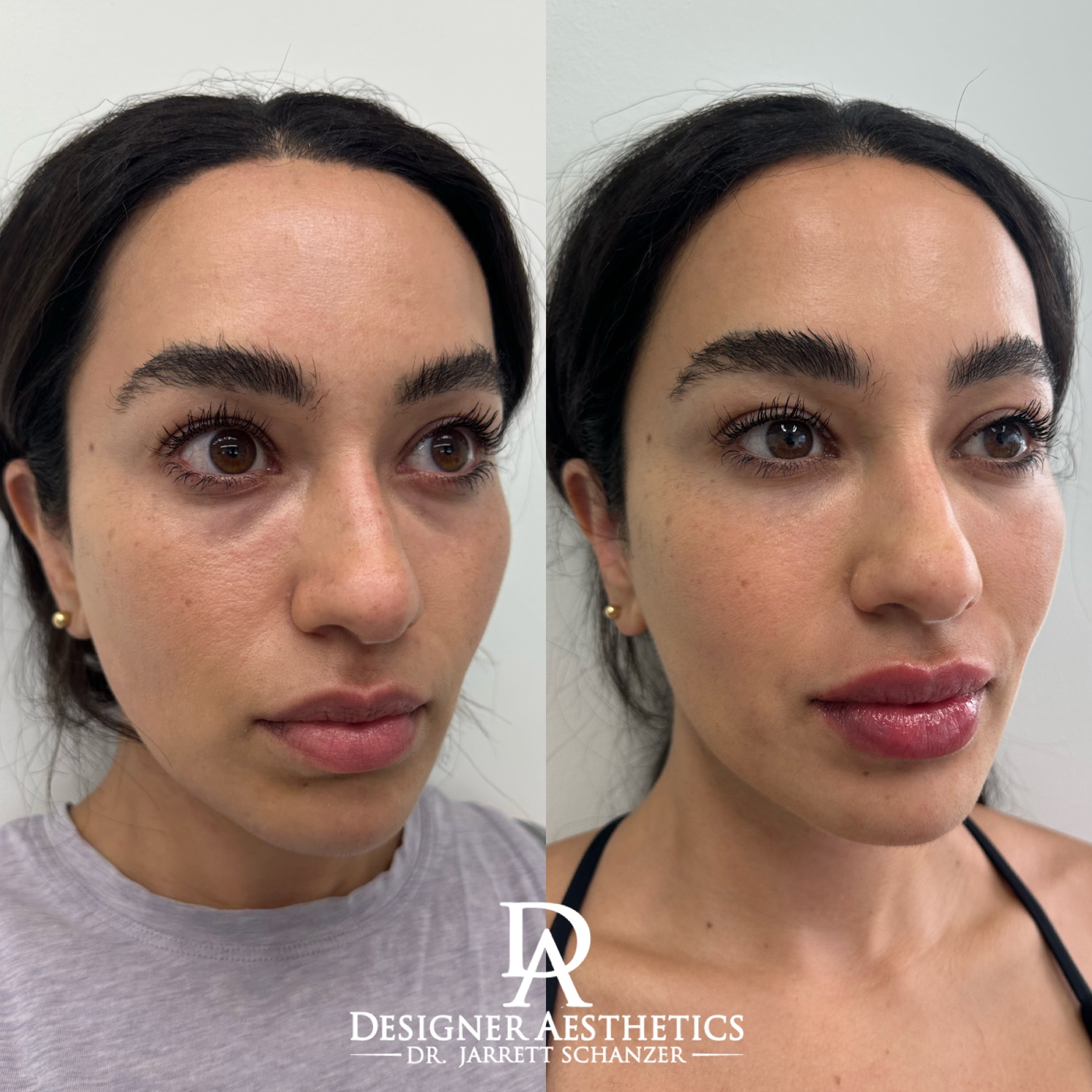
Credit: doctorjarrett.com
What Affects How Much Filler You Need
Let’s look deeper at the details that change how much under eye filler is needed for each person:
Age-related Changes
As we age, the fat pads under the eyes shrink and move. This causes more hollowing and deeper tear troughs. Older patients often need more filler, but doctors must be careful because skin gets thinner with age. Too much filler can look unnatural.
Genetics And Bone Structure
Some people have naturally deep-set eyes or strong cheekbones, which can make hollows more visible. These people may need more filler to match the surrounding area, while others with fuller faces need less.
Skin Type And Thickness
Thicker skin hides filler better and allows more product to be used if needed. Very thin skin, which is common under the eyes, needs soft, smooth filler and smaller amounts to avoid lumps or a bluish tint (the “Tyndall effect”).
Past Treatments
If you’ve had filler before, you might need less next time. But if previous filler has not dissolved properly, new filler can cause lumps or swelling. Sometimes old filler must be dissolved before adding more.
Lifestyle And Health
People who smoke, have poor nutrition, or spend a lot of time in the sun may have thinner, weaker skin. This may limit how much filler is safe to use.
How Doctors Decide The Right Amount
A skilled doctor does not just use a standard amount for everyone. They will:
- Examine your face and under eye area in good light.
- Ask about your goals and how dramatic a change you want.
- Check your skin thickness and elasticity.
- Consider your age, health, and past cosmetic treatments.
Many doctors prefer to under-correct at first. They may start with 0.5ml per eye, wait 2-4 weeks, and then add more if needed. This is safer and helps avoid an unnatural look.
Example: A Real Patient Case
Consider a patient in her early 30s with mild hollowing and dark circles. Her doctor starts with 0. 4ml per eye of Restylane. After two weeks, the result is good but still a small hollow. The doctor adds 0. 2ml more per eye.
The total used is 0. 6ml per eye, and the patient is happy.
For someone in their 50s with deeper hollows, the doctor may use 0. 8ml per eye, added over two sessions.
Common Mistakes With Under Eye Filler Amount
Even skilled doctors can face challenges with under eye filler. Here are some mistakes to avoid:
- Overfilling – Using too much filler causes puffiness or visible lumps. This looks unnatural and is hard to fix.
- Using the wrong filler type – Thick or heavy fillers can cause swelling or a bluish color in thin skin.
- Filling the wrong area – Sometimes, volume loss in the cheeks is the real cause of under eye hollows. Filling the cheeks first may reduce the need for under eye filler.
- Ignoring skin texture – If skin is very wrinkled, filler alone may not help. Other treatments (like laser or microneedling) may be needed too.
How Long Does Under Eye Filler Last?
Under eye filler usually lasts 9 to 18 months. Some people see results for up to two years. The area under the eyes does not move much, so filler here breaks down slower than in lips or cheeks.
Factors that affect how long filler lasts:
- Type of filler – Some brands last longer than others.
- How much is used – More filler may last a bit longer.
- Your body – Some people break down filler faster than others.
You may need a small “touch-up” after 12-18 months to keep the result.
Cost Of Under Eye Filler
The cost depends on how much filler you need, the clinic, and your country. In the United States, the average price is $600 to $1,200 per syringe (1ml). Most people need 1–2 syringes for both eyes.
Here’s a quick price comparison:
| Country | Average Cost per 1ml Syringe (USD) |
|---|---|
| United States | $600 – $1,200 |
| United Kingdom | $500 – $900 |
| Australia | $400 – $900 |
| Canada | $500 – $1,000 |
| India | $250 – $500 |
Note: It’s important not to choose a clinic only by price. Experience and skill matter more than saving a small amount.
Risks Of Using Too Much Or Too Little Filler
Too Much Filler
- Swelling or puffiness that looks unnatural
- Lumps or uneven texture
- Bluish color under the skin (Tyndall effect)
- Difficulty removing excess filler (may need dissolving with hyaluronidase)
Too Little Filler
- Little or no visible result
- Need for repeated treatments, which increases cost
- Dissatisfaction with appearance
The safest and best-looking results come from starting with less and adding more if needed.
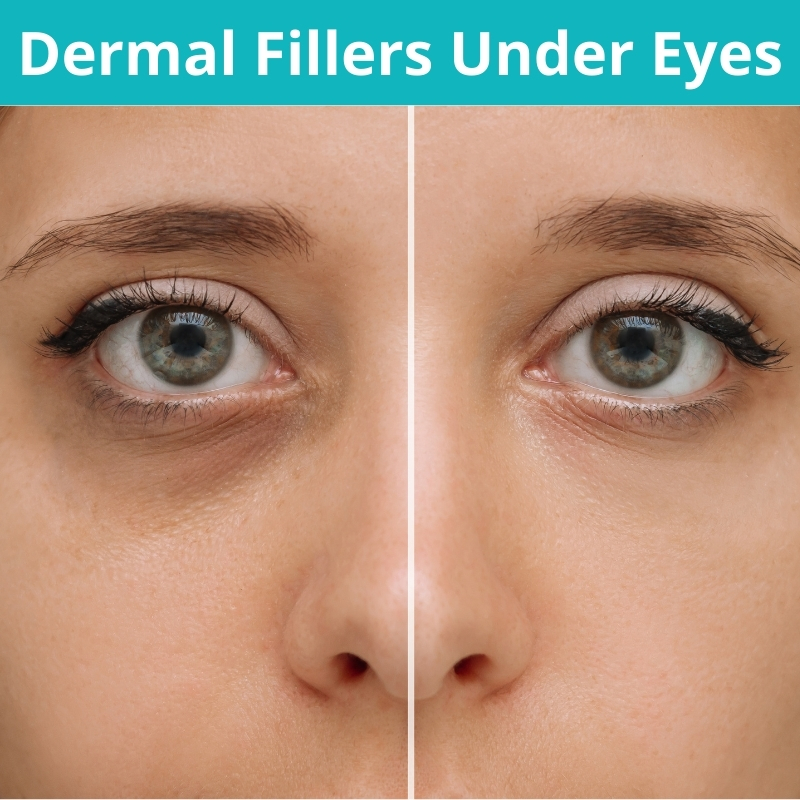
Credit: www.olivaclinic.com
What To Expect: Before And After
Most patients see an improvement right after the procedure. However, the true result is seen after swelling goes down in 1-2 weeks.
Here’s what you might notice:
- Hollows are filled and smoother
- Dark circles are less visible (if caused by shadow, not pigment)
- Eyes look less tired
Some people need a second session to get the best result. Always follow your doctor’s advice on aftercare.
Real Patient Result Example
A 40-year-old woman with moderate hollows receives 0. 6ml of Restylane per eye. Her before photo shows visible shadows and a tired look. Two weeks after filler, her eyes look brighter, and the shadow is gone. She looks refreshed, not “done.
”
Can You Use More Than 1ml Per Eye?
Most doctors do not recommend using more than 1ml per eye at one session. Too much filler can stretch the skin, cause lumps, or even block blood flow. If you need a large change, it’s safer to do this in two or more sessions, with a few weeks between them.

Credit: www.aclassaesthetics.com
How To Choose The Right Clinic And Doctor
Choosing the right professional is more important than choosing the filler itself. Here are tips for finding a good clinic:
- Look for a doctor who is board-certified in dermatology or plastic surgery.
- Check before-and-after photos of real patients.
- Ask if they use hyaluronic acid fillers approved for under eye use.
- Be wary of very low prices or “deals.”
- Make sure you feel comfortable and can ask questions.
A good doctor will listen to your goals, explain the risks, and use the right amount for your needs.
Non-obvious Insights Most Beginners Miss
1. Cheek Volume Matters
Sometimes, under eye hollows are not the main problem. If your cheeks have lost volume, this can make the under eyes look worse. Often, doctors recommend adding filler to the cheeks first. This can lift the under eye area and may reduce how much filler you need under the eyes.
2. Filler Needs Maintenance
Under eye filler is not permanent. Over time, the product breaks down and your body absorbs it. You may need repeat treatments every 12–18 months to keep your result. It’s important to budget for touch-ups if you want to keep the look.
Comparing Under Eye Filler To Other Treatments
You may wonder if under eye filler is the only option. Here’s a look at how it compares to other common treatments:
| Treatment | Best For | Results | Downtime |
|---|---|---|---|
| Under Eye Filler | Hollows, mild dark circles | Immediate, lasts 9-18 months | Little or none |
| Laser Resurfacing | Skin texture, fine lines | Gradual, lasts years | 1-2 weeks |
| Chemical Peels | Pigmentation, fine wrinkles | Gradual, repeat needed | Few days |
| Surgery (Blepharoplasty) | Severe bags, loose skin | Permanent | 2 weeks or more |
Filler is best for volume loss. If your main problem is skin color or loose skin, other treatments may work better.
Tips For The Best Under Eye Filler Results
- Choose an experienced injector – Skill matters most.
- Start with less – It’s easy to add more, hard to remove excess.
- Follow aftercare instructions – Avoid heavy exercise, alcohol, or touching the area for 24 hours.
- Know the risks – Bruising, swelling, or rare complications like blood vessel blockage.
- Ask questions – Good doctors welcome questions and give clear answers.
When To Avoid Under Eye Filler
Some people are not good candidates for under eye filler, including:
- People with very loose or puffy skin under the eyes
- Those with a history of severe allergies
- People with active skin infections
- Anyone who wants a permanent result (surgery is better)
If you’re not sure, a skilled doctor can help you decide if this treatment is right for you.
How To Care For The Under Eye Area After Filler
- Apply cold packs gently to reduce swelling.
- Sleep with your head raised the first night.
- Don’t rub or massage the area unless told by your doctor.
- Avoid makeup for 24 hours.
- Watch for problems – If you notice severe pain, color change, or vision problems, call your doctor immediately.
Are There Alternatives To Filler?
If you are not ready for filler, there are other options:
- Topical creams – Can help with fine lines or mild pigment, but not hollows.
- Microneedling or laser – Improve skin texture and color.
- Makeup – Concealers can hide dark circles but don’t change the shape.
- Lifestyle changes – Good sleep, hydration, and sun protection help keep the area looking good.
But for true hollows, only filler or surgery can make a visible difference.
The Science Behind Under Eye Filler
Hyaluronic acid is a substance that naturally exists in your skin. It can hold up to 1,000 times its weight in water, which helps plump and hydrate the skin. Fillers made from hyaluronic acid are safe, effective, and can be dissolved if needed.
Clinical studies show that under eye filler is effective for improving hollowness and shadows. Complication rates are low when done by trained professionals. For more on the science, see the National Institutes of Health.
Frequently Asked Questions
How Much Under Eye Filler Is Usually Needed?
Most People Need 0.5ml To 1ml Per Eye. The Exact Amount Depends On Your Age, Skin, And How Deep Your Hollows Are. Doctors Often Start With A Small Amount And Add More If Needed At A Later Visit.
How Long Does Under Eye Filler Last?
Under Eye Filler Usually Lasts 9–18 Months, Sometimes Longer. The Area Under Your Eyes Moves Less, So Filler Lasts Longer Here Than In Lips Or Cheeks.
Is Under Eye Filler Safe?
When Done By A Skilled Doctor, Under Eye Filler Is Generally Safe. Risks Include Bruising, Swelling, Or Lumps. Serious Problems Are Rare But Possible If Filler Is Injected Into A Blood Vessel.
Can Under Eye Filler Be Removed If I Don’t Like It?
Yes. Hyaluronic Acid Fillers Can Be Dissolved With An Enzyme Called Hyaluronidase. This Works Quickly And Safely If Needed.
Will Under Eye Filler Fix All Dark Circles?
Not Always. If Your Dark Circles Are Caused By Shadows From Hollows, Filler Helps. If They Are Due To Skin Pigment, Filler May Not Work. Sometimes Other Treatments Are Needed.
Getting under eye filler can be a great way to look fresher and more rested if you choose the right doctor and use the right amount. Always go for a natural look, follow aftercare, and remember: less is more. Your eyes are a key part of your face—treat them with care and skill.