
Are you overwhelmed by the endless options and advice when it comes to skin care? You’re not alone.
Navigating the world of cleansers, moisturizers, and serums can feel like a puzzle with too many pieces. But here’s the truth: taking care of your skin doesn’t have to be complicated. Imagine waking up each day feeling confident, knowing your skin is healthy and glowing.
In this guide, you’ll discover simple steps to build a routine that suits you. Whether you’re dealing with dryness, oiliness, or the first signs of aging, you’ll find tips that work. Ready to unlock the secret to radiant skin? Let’s dive in and transform how you care for your skin.
Skin Types
Understanding your skin type is the cornerstone of any effective skincare routine. Your skin type influences how products interact with your skin and how you should care for it. Whether you’re dealing with breakouts or dryness, knowing your skin type can help you choose the right products. Before diving into treatments, let’s identify what skin type you have and explore the characteristics of each.
Identifying Your Skin Type
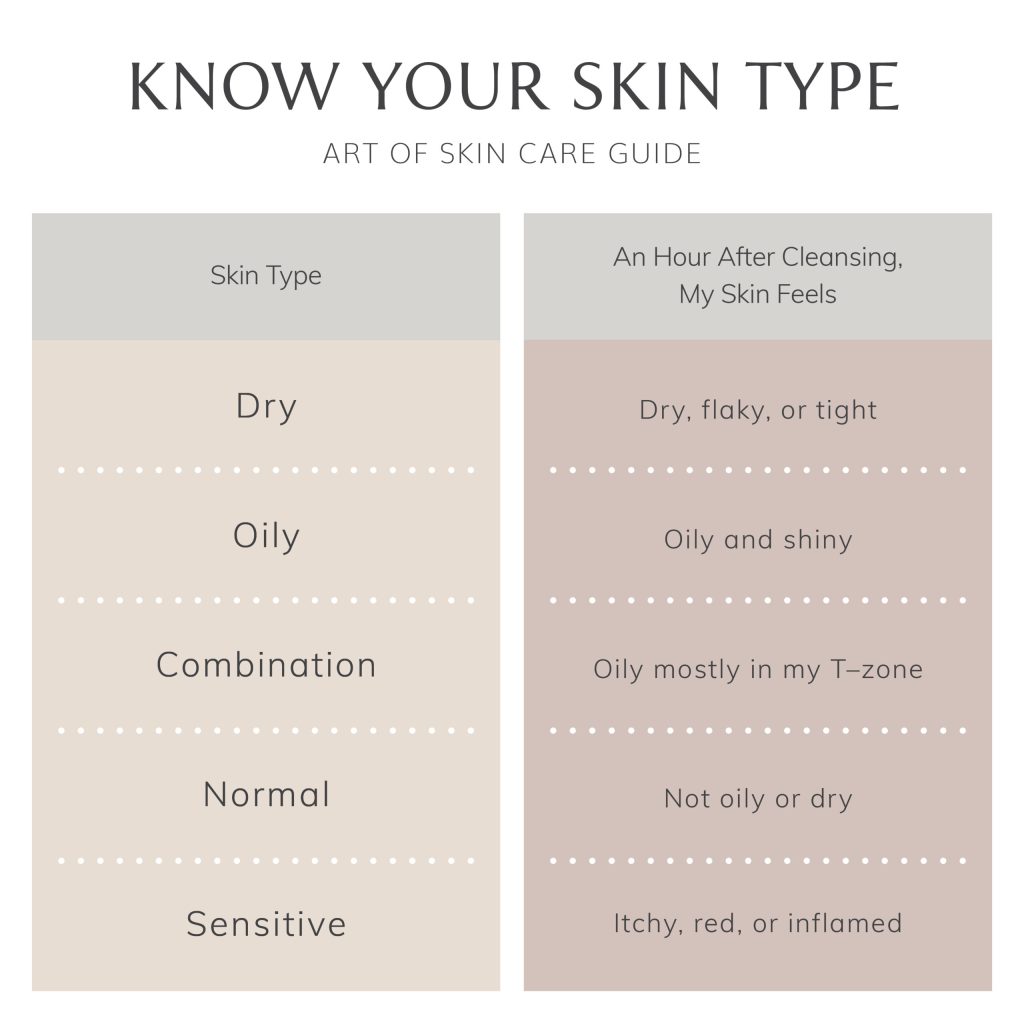
Are you unsure about your skin type? Let’s start with the basics. Wash your face and wait for about an hour without applying any products. This gives your skin a chance to return to its natural state.
Now, observe how your skin feels. Does it feel tight, oily, or just right? This simple test can give you a hint about your skin type. If you’re still unsure, consider consulting a dermatologist for a more detailed analysis.
Remember, your skin type can change with weather, diet, and stress levels. Regularly check in with your skin to see if anything has shifted.
Characteristics Of Each Skin Type
Each skin type has its own unique traits. Understanding these can guide you in selecting the right skincare products.
- Normal Skin: This is the easiest type to manage. It feels balanced and rarely experiences breakouts or extreme dryness.
- Dry Skin: Dry skin often feels tight and can be flaky. Look for products that add moisture and retain hydration.
- Oily Skin: Oily skin is prone to breakouts and has a shiny appearance. Choose lightweight products that control oil without stripping the skin.
- Combination Skin: This skin type can be tricky. You may have an oily T-zone (forehead, nose, chin) and dry cheeks. Consider using different products for different areas.
- Sensitive Skin: Easily irritated, sensitive skin needs gentle products that soothe rather than aggravate.
What surprises you about your skin type? Perhaps you have characteristics of more than one type. Mixing and matching products based on these traits can bring better results.
Have you noticed any changes in your skin over time? Adapting your routine to these changes can keep your skin looking its best.
Essential Skincare Steps
Every skincare journey begins with understanding the essentials. These steps are the foundation for healthy skin. They include cleansing, exfoliating, moisturizing, and sun protection. Each step plays a unique role in achieving radiant skin. Following these can improve the appearance and feel of your skin.
Cleansing
Cleansing is the first and most crucial step. It removes dirt, oil, and makeup. Use a gentle cleanser suitable for your skin type. Wash your face twice a day: morning and night. This keeps your skin fresh and clean.
Exfoliating
Exfoliating helps remove dead skin cells. This reveals smoother and brighter skin. Do this step once or twice a week. Choose a product with small beads or gentle acids. Avoid over-exfoliating, as it can irritate your skin.
Moisturizing
Moisturizing is essential for keeping your skin hydrated. It prevents dryness and flakiness. Select a moisturizer that matches your skin type. Apply it after cleansing and exfoliating. This locks in moisture and provides a protective barrier.
Sun Protection
Sun protection is a vital step in skincare. It shields your skin from harmful UV rays. Use sunscreen with an SPF of at least 30. Apply it every day, even when indoors. This prevents sunburn and reduces the risk of skin cancer.
Choosing Skincare Products
Choosing skincare products can seem daunting. With countless options available, it’s easy to feel overwhelmed. Knowing your skin type and needs can simplify this process. This guide will help you choose the right products for your skin.
Understanding Ingredients
Ingredients play a crucial role in skincare products. Some ingredients hydrate, while others exfoliate or soothe. Learning the basic ingredients can help you make informed choices. For instance, hyaluronic acid is known for its hydrating properties. Salicylic acid targets acne and breakouts. Niacinamide can reduce redness and irritation. Reading labels becomes easier once you know these key ingredients.
Product Recommendations For Each Skin Type
Identifying your skin type is the first step. Oily skin benefits from lightweight, oil-free products. Look for gel-based moisturizers and cleansers with salicylic acid. Dry skin needs rich, creamy products. Ingredients like shea butter and glycerin provide deep hydration.
Combination skin requires a balance. Choose products that hydrate without clogging pores. Sensitive skin needs gentle, fragrance-free products. Look for calming ingredients like chamomile and aloe vera. Normal skin can use a variety of products. Just ensure they maintain the skin’s natural balance.

Credit: deciem.com
Common Skincare Mistakes
Starting a skincare routine can be exciting. But mistakes can happen. These errors might harm your skin. Learning about common mistakes helps avoid them. Below are some frequent errors beginners make.
Over-exfoliating
Exfoliation removes dead skin cells. But doing it too much can hurt. Your skin may become red or irritated. Limit exfoliating to once or twice a week. This keeps your skin healthy and smooth.
Ignoring Spf
Sun protection is vital for your skin. Sun damage can cause aging and spots. Many forget to use sunscreen daily. Even on cloudy days, use SPF 30 or higher. This protects your skin from harmful rays.
Using The Wrong Products
All skin types are different. Some products may not suit your skin. Using the wrong product can cause breakouts or dryness. Know your skin type before buying products. This ensures they work well with your skin.
Building A Skincare Routine
Creating a skincare routine is like finding your own magic formula for healthy, glowing skin. Whether you’re just starting or refining your approach, building a routine tailored to your unique needs can transform your skin. But where do you begin? Let’s dive into crafting a balanced routine that considers the different needs of daytime and nighttime skincare, and how you can adjust your routine with the changing seasons.
Daytime Routine
Daytime skincare is all about protection and hydration. You want to prepare your skin for the day ahead. Start with a gentle cleanser to remove any overnight buildup. This ensures your skin is ready to absorb the next steps.
After cleansing, apply a lightweight moisturizer. Hydration is key, even if your skin is oily. Don’t skip sunscreen. It’s your skin’s shield against harmful UV rays. Choose a broad-spectrum SPF to protect from both UVA and UVB rays.
Think about what your skin needs most during the day. Does it tend to feel dry by afternoon? You might need a richer moisturizer. Looking for a little glow? Consider a vitamin C serum for brightness.
Nighttime Routine
Nighttime is your skin’s opportunity to repair and rejuvenate. It’s the perfect time to focus on cleansing and treatment. Start with a thorough cleanse to wash away the day’s makeup and pollution. Consider double-cleansing if you wear heavy makeup.
Once your skin is clean, it’s time to treat it. Incorporate serums or treatments targeting your specific concerns, like acne or fine lines. Night creams are usually richer, providing deeper hydration while you sleep.
Think about how you want to wake up. Do you want your skin to feel refreshed and smooth? Look for ingredients like retinol and hyaluronic acid. They work overnight to improve your skin’s texture and moisture.
Adjusting For Seasonal Changes
Your skin’s needs change with the seasons, and your routine should too. Summer might call for lighter textures and more oil control. Winter demands richer moisturizers to combat dryness and harsh winds.
Pay attention to how your skin reacts to the environment. Is it more sensitive in the colder months? Consider adding more soothing ingredients like aloe vera. Does it get oily in the summer heat? Opt for oil-free products.
How can you tell what your skin needs? Listen to it. Notice how it feels and looks. Adjust your products accordingly. It’s all about finding a balance that keeps your skin happy all year round.
Building a skincare routine isn’t just about using products; it’s about understanding your skin and its needs. What works for you might not work for someone else. So, what’s your skin telling you today?
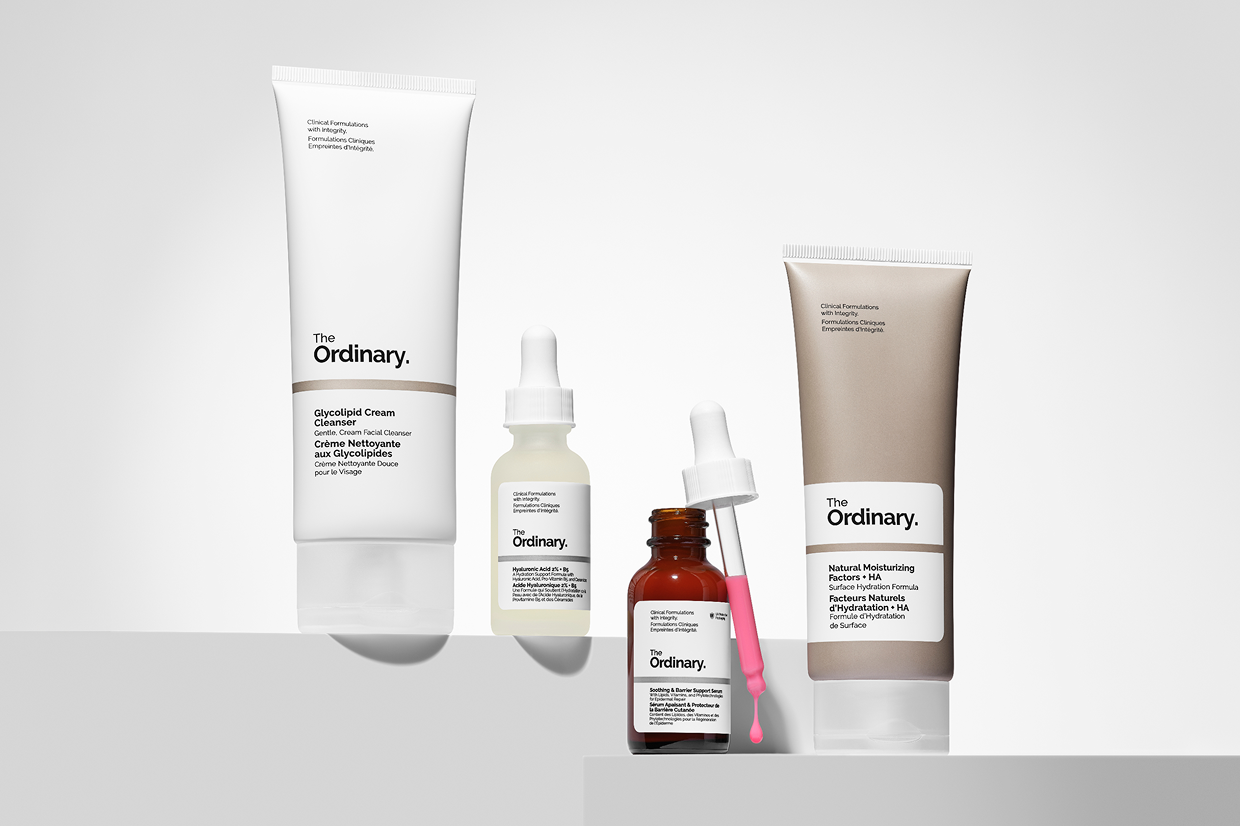
Credit: theordinary.com
Skincare Tips And Tricks
When you’re just starting your skincare journey, the abundance of tips and tricks can feel overwhelming. The key is to find simple, effective routines that work for you. It’s not just about the products you apply but how you care for your skin overall. Let’s dive into some essential skincare tips and tricks to help you achieve healthy, glowing skin.
Hydration Tips
Keeping your skin hydrated is crucial for maintaining its elasticity and glow. Drink plenty of water throughout the day—aim for at least eight glasses. Your skin is like a sponge; it needs to be well-hydrated to function optimally.
Consider using a humidifier, especially during dry seasons. It adds moisture to the air, which can help prevent your skin from becoming dry and flaky. A friend once told me how she struggled with dry skin until she placed a humidifier by her bed, transforming her skin’s texture almost overnight.
Don’t forget about moisturizers. Choose one that suits your skin type—light gels for oily skin, and creamier options for dry skin. Applying right after a shower helps lock in moisture, giving your skin a hydrated, plump appearance.
Diet And Lifestyle Impact
What you eat shows on your skin. Incorporate fruits and vegetables rich in vitamins and antioxidants, like berries and leafy greens, into your diet. They help protect your skin from damage and promote a healthy glow.
Limit your sugar and processed food intake. These can lead to inflammation, which may cause breakouts or dullness. A friend of mine noticed fewer breakouts when she cut down on sugary snacks and replaced them with healthier options like nuts and yogurt.
Exercise regularly to boost circulation and reduce stress. Sweating during a workout helps detoxify your skin, giving you that post-exercise glow. It’s a win-win for your body and skin!
When To Seek Professional Help
Sometimes, despite your best efforts, your skin might not respond to at-home treatments. If you notice persistent issues like severe acne, redness, or irritation, it may be time to consult a dermatologist.
A professional can provide personalized advice and treatments tailored to your skin’s needs. Don’t hesitate to seek help if you’re feeling overwhelmed by skin issues. You’re not alone, and expert guidance can make all the difference.
Consider annual check-ups with a dermatologist to keep track of any changes in your skin. It’s a proactive step that ensures you’re always a step ahead in your skincare routine.
Have you found any skincare tips that completely changed your routine? Share your experiences in the comments below!

Credit: www.mybeautyaffairs.com
Frequently Asked Questions
What Is A Basic Skincare Routine?
A basic skincare routine involves three steps: cleansing, moisturizing, and protecting. First, cleanse your skin to remove dirt and oil. Second, apply a moisturizer to keep your skin hydrated. Lastly, use sunscreen daily to protect against harmful UV rays. This routine promotes healthy and glowing skin.
How Often Should I Exfoliate My Skin?
Exfoliating your skin 1-2 times a week is recommended for most skin types. Over-exfoliating can lead to irritation and dryness. It helps remove dead skin cells, promoting a smoother texture and brighter appearance. Choose gentle exfoliants suitable for your skin type to avoid any adverse reactions.
What Is The Importance Of Sunscreen?
Sunscreen protects your skin from harmful UV rays, preventing sunburn and reducing the risk of skin cancer. It also helps prevent premature aging and dark spots. Apply a broad-spectrum sunscreen with SPF 30 or higher daily, even on cloudy days, for effective skin protection.
Can I Use The Same Products Year-round?
Skin changes with seasons, so adjust your skincare products accordingly. Lighter moisturizers are ideal for summer, while heavier creams suit winter. Consider your skin’s specific needs during different seasons for optimal care. Always ensure products cater to your skin type to maintain healthy skin throughout the year.
Conclusion
Starting a skincare routine is simple and rewarding. Regular care keeps your skin healthy. Cleanse daily to remove dirt. Moisturize to keep skin soft. Protect with sunscreen every day. Choose products suited for your skin type. Patience is key; results take time.
Stay consistent for the best outcomes. Listen to your skin’s needs and adjust. Drink water and eat balanced meals too. Healthy skin reflects a healthy lifestyle. Begin today and enjoy the benefits. Your skin will thank you. Keep it simple, and see the difference.