
Have you ever wondered what’s really inside your favorite skincare products? It’s not just about the fancy packaging or the promises they make.
It’s about the ingredients that make them work. One ingredient that’s often hidden behind scientific names is Disodium Lauraminopropionate. This name might sound a bit intimidating, but understanding it could be your key to better skin care choices. Imagine knowing exactly what you’re putting on your skin and how it affects you.
By the end of this article, you’ll discover the secrets of Disodium Lauraminopropionate and why it might be the hero ingredient you never knew you needed. Ready to dive in? Let’s uncover the truth together!
Credit: blog.reneerouleau.com
What Is Disodium Lauraminopropionate?
Disodium Lauraminopropionate is a common ingredient in cosmetic products. It is known for its gentle cleansing properties. Many skin care formulations use it to ensure mildness. This compound suits sensitive skin types. Understanding its benefits can help make informed choices.
Disodium Lauraminopropionate is a surfactant. It helps water and oil mix. This makes it an effective cleanser. The ingredient is derived from lauric acid. Lauric acid is found in coconut oil. It is often used in shampoos and body washes.
This compound works by reducing surface tension. It allows dirt and impurities to be washed away. Its mild nature makes it suitable for daily use. It does not irritate the skin. Many products include it for this reason.
How Does Disodium Lauraminopropionate Benefit The Skin?
Disodium Lauraminopropionate cleanses without stripping moisture. It maintains the skin’s natural balance. This is crucial for keeping skin healthy. Dryness is often a concern with cleansers. This ingredient helps prevent it.
It can also improve the texture of products. It ensures a smooth application. It enhances the lathering effect in shampoos. This makes washing more effective. The foam helps lift debris off the skin.
Where Is Disodium Lauraminopropionate Commonly Found?
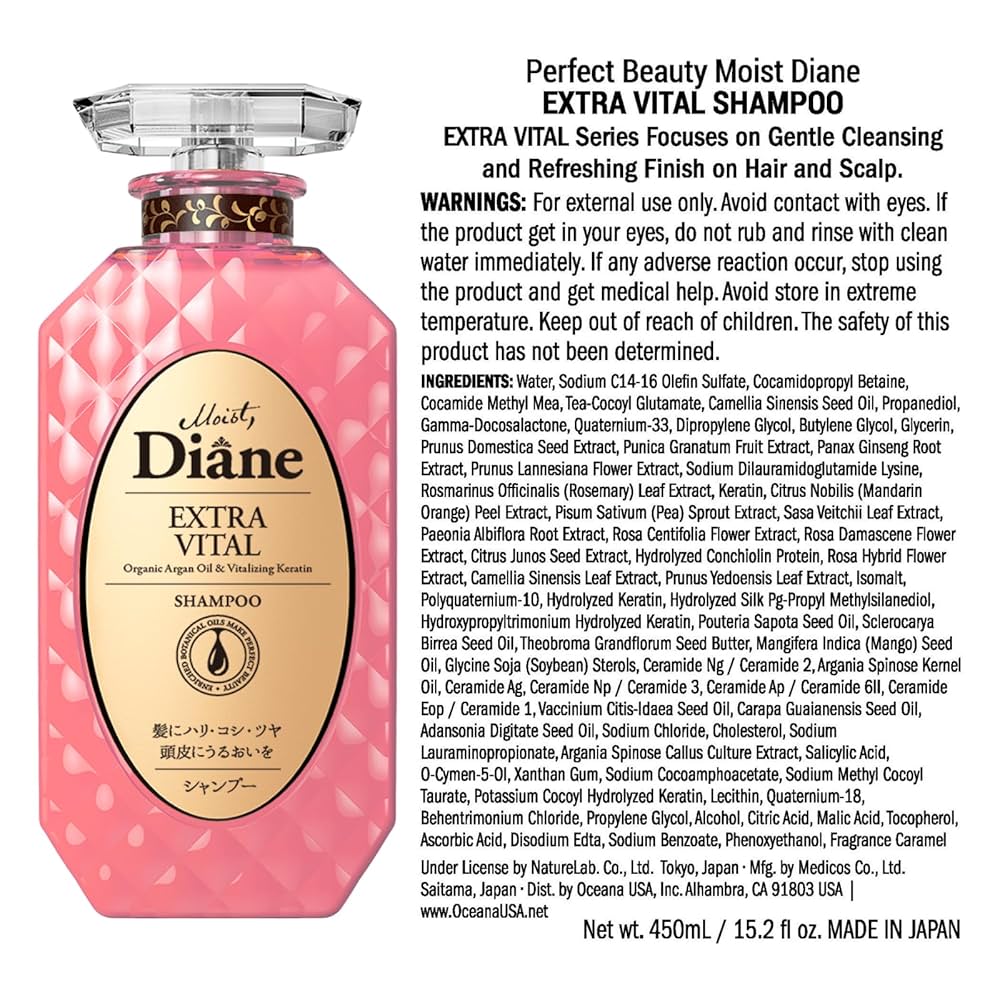
Disodium Lauraminopropionate is found in many personal care items. Shampoos, body washes, and facial cleansers often contain it. Its gentle nature makes it popular in baby products. It is favored by brands focused on sensitive skin.
Manufacturers use it in sulfate-free formulas. It offers effective cleaning without harsh chemicals. This suits eco-friendly and natural product lines. Its versatility makes it a staple ingredient.

Credit: www.amazon.com
Chemical Composition
Disodium Lauraminopropionate is a versatile ingredient. It plays a crucial role in personal care products. Understanding its chemical composition offers insight into its applications.
Structure And Formula
Disodium Lauraminopropionate has a unique structure. Its formula is C15H28NNa2O3. This combination ensures stability and effectiveness. The molecule consists of lauric acid derivatives. Sodium ions enhance its solubility.
The structure includes a long carbon chain. This provides hydrophobic properties. The polar head group interacts with water. This feature makes it suitable for cleansing agents.
Manufacturing Process
Creating Disodium Lauraminopropionate involves several steps. First, lauric acid undergoes a chemical reaction. It interacts with amino acids to form lauraminopropionate.
Sodium ions are added during the process. This step neutralizes the compound. It enhances its function in water-based formulations. Manufacturers ensure purity and consistency.
Quality control is crucial during production. Tests confirm the compound’s stability. This ensures the ingredient’s effectiveness in products.
Common Uses
Disodium Lauraminopropionate is a versatile ingredient used in many products. Its unique properties make it suitable for various applications. Understanding its common uses helps appreciate its value in different industries.
Personal Care Products
Disodium Lauraminopropionate is a common ingredient in personal care items. It acts as a gentle cleanser in shampoos and body washes. This makes it ideal for sensitive skin. Its mild nature ensures effective cleaning without irritation.
In facial cleansers, it helps remove dirt and oil. This leaves the skin feeling fresh and clean. Some toothpastes also use it for its foaming ability. This enhances the brushing experience by improving mouth feel.
Industrial Applications
Beyond personal care, it has uses in industrial settings. It serves as an emulsifying agent in various formulations. This property is useful in products like paints and coatings.
Its ability to stabilize mixtures is highly valued. In textile and leather processing, it aids in uniform dyeing. This ensures consistent quality in finished products.
Disodium Lauraminopropionate is also used in cleaning products. It enhances the effectiveness of industrial cleaners. Its role in these applications highlights its adaptability across sectors.
Credit: ng.iherb.com
Benefits And Advantages
Disodium Lauraminopropionate is a versatile ingredient in many skincare products. It offers several benefits and advantages, making it a popular choice. Let’s explore its skin compatibility and cleansing properties.
Skin Compatibility
Disodium Lauraminopropionate is gentle on the skin. It suits all skin types, including sensitive skin. Many people appreciate its non-irritating nature. This makes it a preferred choice in skincare formulations. It helps maintain skin’s natural balance. Users often notice a smoother skin texture.
Cleansing Properties
This ingredient is known for its effective cleansing abilities. It helps remove dirt and impurities from the skin. Its mild nature ensures it cleans without stripping essential oils. Many products use it for a refreshing clean feel. It leaves the skin feeling fresh and rejuvenated.
Potential Side Effects
Disodium Lauraminopropionate is a common ingredient in various personal care products. While it offers benefits like cleansing and foaming, it’s important to be aware of potential side effects. Knowing what to look for can help you make informed decisions about the products you use daily.
Allergic Reactions
Some individuals may experience allergic reactions to Disodium Lauraminopropionate. Symptoms can include skin redness, itching, or swelling. If you notice any of these signs after using a product, it might be worth reconsidering its use.
Have you ever tried a new shampoo only to find your scalp irritated afterward? This could be due to an ingredient like Disodium Lauraminopropionate. Testing products on a small area first can prevent discomfort and help you identify specific allergens.
Environmental Impact
Beyond personal effects, Disodium Lauraminopropionate can impact the environment. It’s crucial to think about how the products you use affect the world around you. Consider choosing brands that prioritize eco-friendly formulations.
Some wastewater systems struggle to filter out all chemical residues. This can lead to environmental contamination. By opting for products with fewer synthetic ingredients, you contribute to a healthier planet.
Have you ever wondered how small choices can have big impacts? Choosing products mindfully can make a difference. Are the benefits worth the potential risks to both you and the environment?
Safety And Regulations
Disodium Lauraminopropionate is a safe ingredient often used in personal care products. Regulatory bodies ensure it meets strict safety standards. It’s gentle and effective for cleansing and foaming.
Safety and Regulations are crucial when discussing ingredients in personal care products. Disodium Lauraminopropionate, a common surfactant, is no exception. You might wonder, is it safe for you and your family? Let’s unravel the details and see what guidelines and standards are in place to ensure its safe use.Fda Guidelines
The U.S. Food and Drug Administration (FDA) provides oversight for cosmetic ingredients, including Disodium Lauraminopropionate. The FDA evaluates the safety of ingredients based on scientific evidence. They don’t approve cosmetics but can act if products are unsafe or labeled incorrectly. Your favorite shampoo might contain Disodium Lauraminopropionate, benefiting from the FDA’s rigorous checks. But what does this mean for you? It means you can trust that products on the shelves are formulated with your safety in mind.International Standards
Safety standards don’t stop at national borders. International regulations play a significant role in ensuring global consistency. Countries like the European Union have stringent regulations. They require thorough testing and documentation for ingredients like Disodium Lauraminopropionate. Have you ever traveled abroad and noticed different product labels? That’s international standards at work, ensuring your safety no matter where you shop. So, next time you pick up a product, consider the layers of regulations ensuring its safety. Are you confident about the safety of products you use daily? Remember, these guidelines and standards work to protect you, no matter where you are.Alternatives To Disodium Lauraminopropionate
When considering a change in your beauty or personal care routine, looking for alternatives to disodium lauraminopropionate might be on your list. This ingredient is commonly found in various products, but what if you’re aiming for something different? Whether you’re seeking natural options or synthetic substitutes, exploring alternatives can lead to exciting discoveries for your skin or hair health. Let’s dive into what other choices you have.
Natural Ingredients
Natural ingredients can be an excellent choice if you’re looking to reduce synthetic chemicals in your daily routine. Some natural surfactants, like coconut oil-derived sodium coco-sulfate, offer gentle cleansing properties without harsh effects. You may find this ingredient in shampoos or body washes, providing a clean feel without stripping natural oils.
Another option is aloe vera extract. Known for its soothing and moisturizing qualities, aloe vera acts as a natural cleanser. It’s especially beneficial for sensitive skin. Imagine the comfort of knowing that your skincare is both effective and gentle.
Have you ever tried using apple cider vinegar? It’s a surprising alternative that balances pH levels and cleanses the scalp. If you’re adventurous, experimenting with such ingredients might lead to a personal favorite. What natural ingredient have you discovered that transformed your routine?
Synthetic Substitutes
If you prefer sticking with synthetic options but wish to avoid disodium lauraminopropionate, there are other ingredients to consider. Decyl glucoside is a biodegradable surfactant derived from glucose. It’s often recommended for sensitive skin due to its mild nature, making it a popular choice in facial cleansers.
Cocamidopropyl betaine is another substitute worth noting. This ingredient is derived from coconut oil and works well in creating rich lathers in shampoos. It provides a thorough cleanse without the harshness, offering a balance between efficacy and gentleness.
Consider how these alternatives might fit into your lifestyle. Is the convenience of synthetic substitutes more appealing to you, or are you drawn to the simplicity of natural ingredients? The choice is yours, and it’s all about finding what suits your needs best.
Consumer Perception
Consumer perception shapes the success of any cosmetic ingredient. Disodium Lauraminopropionate is no exception. This ingredient often sparks curiosity among consumers. Understanding its perception provides insights into market dynamics and product development.
Market Trends
The demand for mild and effective ingredients is rising. Consumers prefer products that offer gentle cleansing without irritation. Disodium Lauraminopropionate fits this trend well. It is known for its mildness and effectiveness. This has led to its increasing popularity in skincare and haircare products.
Natural and sustainable ingredients are in demand. Consumers are more informed about ingredient sources and environmental impact. They seek products that align with these values. Disodium Lauraminopropionate’s reputation aligns with these consumer preferences.
Product Labeling
Clear and honest labeling builds consumer trust. Products containing Disodium Lauraminopropionate often highlight its benefits. Labels emphasize its mild and gentle nature. This appeals to those with sensitive skin.
Transparency in ingredient lists is crucial. Consumers appreciate knowing what they are using. Detailed product labels help educate and reassure consumers. This can enhance their perception of the product’s safety and efficacy.
Frequently Asked Questions
What Is Disodium Lauraminopropionate?
Disodium Lauraminopropionate is a surfactant used in personal care products. It helps cleanse the skin by removing dirt and oil. This ingredient is often found in shampoos and body washes, enhancing their foaming ability while being gentle on the skin.
Is Disodium Lauraminopropionate Safe For Skin?
Yes, Disodium Lauraminopropionate is generally considered safe for use in cosmetics. It’s well-tolerated by most skin types and helps maintain the product’s effectiveness. However, always patch-test new products containing this ingredient to ensure no adverse reactions occur.
How Does Disodium Lauraminopropionate Work?
Disodium Lauraminopropionate works by reducing surface tension, helping to mix water and oil. This action allows it to effectively cleanse the skin or hair. It creates a rich lather that aids in removing impurities, ensuring a thorough cleansing experience.
Where Is Disodium Lauraminopropionate Commonly Found?
Disodium Lauraminopropionate is commonly found in shampoos, body washes, and facial cleansers. Its ability to produce a rich lather makes it popular in these products. It’s chosen for its gentle cleansing properties and compatibility with various formulations.
Conclusion
Disodium Lauraminopropionate is a versatile ingredient in skincare. Its gentle nature makes it suitable for sensitive skin types. Widely used in cleansers, it helps remove impurities effectively. This ingredient provides a mild, foamy texture, enhancing the cleansing experience. Always check product labels to ensure compatibility with your skin.
Choosing products with this ingredient can lead to cleaner, healthier skin. Remember to consult a dermatologist for personalized advice. Understanding skincare ingredients empowers you to make informed decisions. Discovering the benefits of Disodium Lauraminopropionate could improve your skincare routine. Explore its potential and enjoy a refreshing feel every day.