
Are you curious about the ingredients in your favorite skincare products? You might have noticed the name “sucrose cocoate” popping up more often.
This intriguing ingredient is making waves in the beauty world, and it could be the key to unlocking softer, healthier skin. Imagine a natural ingredient that not only cleanses but also nourishes your skin, leaving it feeling smooth and hydrated.
Sucrose cocoate is not just a buzzword; it’s a game-changer. By understanding what it is and how it works, you can make informed choices that benefit your skin. Dive in to discover why sucrose cocoate should be on your radar and how it can transform your skincare routine.
What Is Sucrose Cocoate
Sucrose Cocoate is a unique ingredient. Derived from natural sources, it combines sugar and coconut oil. This compound plays a key role in skincare products. Known for its gentle nature, it enhances the texture of formulations. Many brands use it for its moisturizing properties.
Understanding this ingredient can help appreciate its benefits. It is particularly popular in lotions and creams. Now, let’s explore the specifics of Sucrose Cocoate.
Origin And Composition
Sucrose Cocoate originates from coconut oil and sucrose. Both components are natural and safe for use. Coconut oil offers many benefits to the skin. It is rich in fatty acids. Sucrose acts as a gentle emulsifier. Together, they form Sucrose Cocoate.
Role In Skincare
This ingredient serves multiple functions. It helps stabilize formulations. It ensures a smooth texture in creams and lotions. Sucrose Cocoate is also a mild cleansing agent. It aids in removing impurities from the skin. Its moisturizing effect is widely appreciated.
Why Brands Choose Sucrose Cocoate
Many brands favor this ingredient. It offers versatility in product formulations. Sucrose Cocoate is gentle and suitable for sensitive skin. Its natural origin appeals to eco-conscious consumers. This ingredient enhances product appeal and performance.
Sources Of Sucrose Cocoate
Sucrose cocoate is a versatile ingredient in cosmetic formulations. Understanding its sources can help you appreciate its benefits. It is derived from both natural and synthetic origins. Each source offers unique attributes, making it a valuable component in skincare products.
Natural Origins
Sucrose cocoate is derived from natural sources. It begins with sugar cane or sugar beet. These plants are processed to extract sucrose. Coconut oil is another key ingredient. It’s obtained from coconut trees. The process involves mixing these natural elements. This blend creates a compound used in cosmetics. Natural sucrose cocoate is favored for its mildness. It’s gentle on the skin and environmentally friendly.
Synthetic Production
Synthetic sucrose cocoate is made in labs. Scientists replicate the natural process. They use chemical reactions to produce the compound. This method ensures consistency and purity. Synthetic production allows for precise control. It meets specific formulation needs. Some manufacturers prefer this due to stability. It ensures quality in large-scale productions.
Chemical Properties
Sucrose cocoate is a gentle ingredient derived from coconut oil and sugar. It acts as a surfactant, helping to cleanse and moisturize skin. This compound is often used in skincare products for its ability to improve texture and hydration.
Chemical properties are the backbone of understanding any ingredient, including Sucrose Cocoate. This unique compound plays a crucial role in skincare and cosmetics. Its properties determine how it behaves and interacts with other ingredients in your favorite products.Molecular Composition
Sucrose Cocoate is a fascinating mix of molecules. It is made from sucrose (sugar) and coconut oil. This combination creates a compound that can effectively clean and moisturize your skin. The molecular structure allows it to be both water and oil-loving. This dual affinity makes it perfect for creating emulsions. You’ll find it in products that need to blend water and oil smoothly.Physical Characteristics
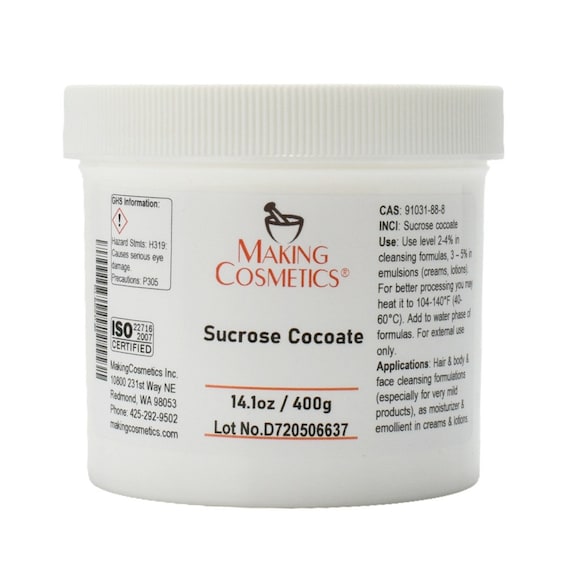
Look at Sucrose Cocoate, and you’ll see a pale yellow or amber liquid. This color is natural, reflecting its origins from coconut oil. It has a slightly viscous texture, making it easy to blend into formulations. Its texture allows it to spread evenly on your skin. This means you get even coverage without using too much product. Ever wondered why some creams feel just right on your skin? It might be the Sucrose Cocoate doing its job. Have you ever noticed how some cleansers leave your skin feeling soft? That’s because Sucrose Cocoate is gentle yet effective. Its mild nature doesn’t strip your skin of natural oils. Instead, it cleans while preserving your skin’s natural moisture balance. Next time you pick up a product with Sucrose Cocoate, think about its chemical properties. These are the details that ensure your skincare routine is both effective and enjoyable. Are you curious about how these properties impact the performance of your products? Dive deeper and discover more about what you’re using on your skin.
Credit: trulux.com
Uses In Cosmetics
Sucrose cocoate is a gentle ingredient in cosmetics, offering moisturizing and smoothing properties. Derived from sugar and coconut oil, it enhances skin hydration and improves texture. Ideal for sensitive skin, it helps maintain softness and suppleness without causing irritation.
When you dive into the world of cosmetics, you might notice a fascinating ingredient popping up on labels: Sucrose Cocoate. It’s not just a fancy name but a powerhouse in enhancing your skincare and beauty routine. Derived from sugar and coconut oil, this ingredient offers remarkable benefits that make your skin feel soft and look radiant. Let’s explore how Sucrose Cocoate works its magic in cosmetics.Moisturizing Agents
Sucrose Cocoate acts as a superb moisturizing agent. It helps your skin retain moisture, making it feel supple and hydrated. You know that feeling when your skin feels tight after washing your face? Products containing Sucrose Cocoate can alleviate that uncomfortable tightness. Imagine applying a cream and feeling the immediate softness on your skin. That’s the hydrating touch of Sucrose Cocoate at work. It’s a gentle way to pamper your skin without causing irritation. Have you ever noticed how some moisturizers just seem to sit on your skin? Sucrose Cocoate ensures that the hydration penetrates deeply, leaving your skin nourished from within.Emulsifying Properties
In cosmetics, it’s crucial for ingredients to mix well, and that’s where Sucrose Cocoate shines as an emulsifier. It helps blend oil and water-based ingredients smoothly. This ensures a consistent texture in creams and lotions, making them easy to apply. Think about your favorite lotion. The creamy consistency is partly due to effective emulsifiers like Sucrose Cocoate. It ensures that each application is smooth and even, enhancing the overall experience. An interesting fact: Sucrose Cocoate also contributes to the stability of cosmetic formulas. This means your products maintain their effectiveness over time, offering you the best results with every use. Sucrose Cocoate is more than just a name on a label. Its moisturizing and emulsifying properties make it a valuable addition to many cosmetic products. Next time you shop for skincare, check the ingredients. You might just find Sucrose Cocoate in your favorite products, working its subtle magic. What do you think about incorporating such ingredients into your routine? It’s definitely worth considering for that extra touch of care.Benefits For Skin
If you’ve ever wondered what makes some skincare products stand out, the secret might be Sucrose Cocoate. This ingredient, derived from sugar and coconut oil, offers fantastic benefits for your skin. Let’s dive into how it can transform your skincare routine.
Hydration
Keeping your skin hydrated is crucial for a healthy complexion. Sucrose Cocoate is known for its ability to attract and retain moisture. Imagine applying a product that keeps your skin feeling supple all day long.
This ingredient acts like a magnet for moisture, ensuring your skin doesn’t dry out. Have you ever noticed your skin feeling tight after washing? With Sucrose Cocoate, that’s a thing of the past.
Regular use can help maintain your skin’s natural balance, preventing the dreaded flaky patches. You’ll love the smooth, even texture it brings.
Gentle Cleansing
Finding the perfect cleanser can be challenging, especially if you have sensitive skin. Sucrose Cocoate offers gentle cleansing without stripping your skin’s natural oils. It’s like a breath of fresh air for your face.
Unlike harsh detergents, this ingredient cleanses while nourishing your skin. Have you ever felt that burning sensation after using a cleanser? Sucrose Cocoate ensures you won’t experience that discomfort.
It’s suitable for all skin types, making it a versatile choice for your skincare arsenal. Could this be the missing piece in your skincare puzzle?
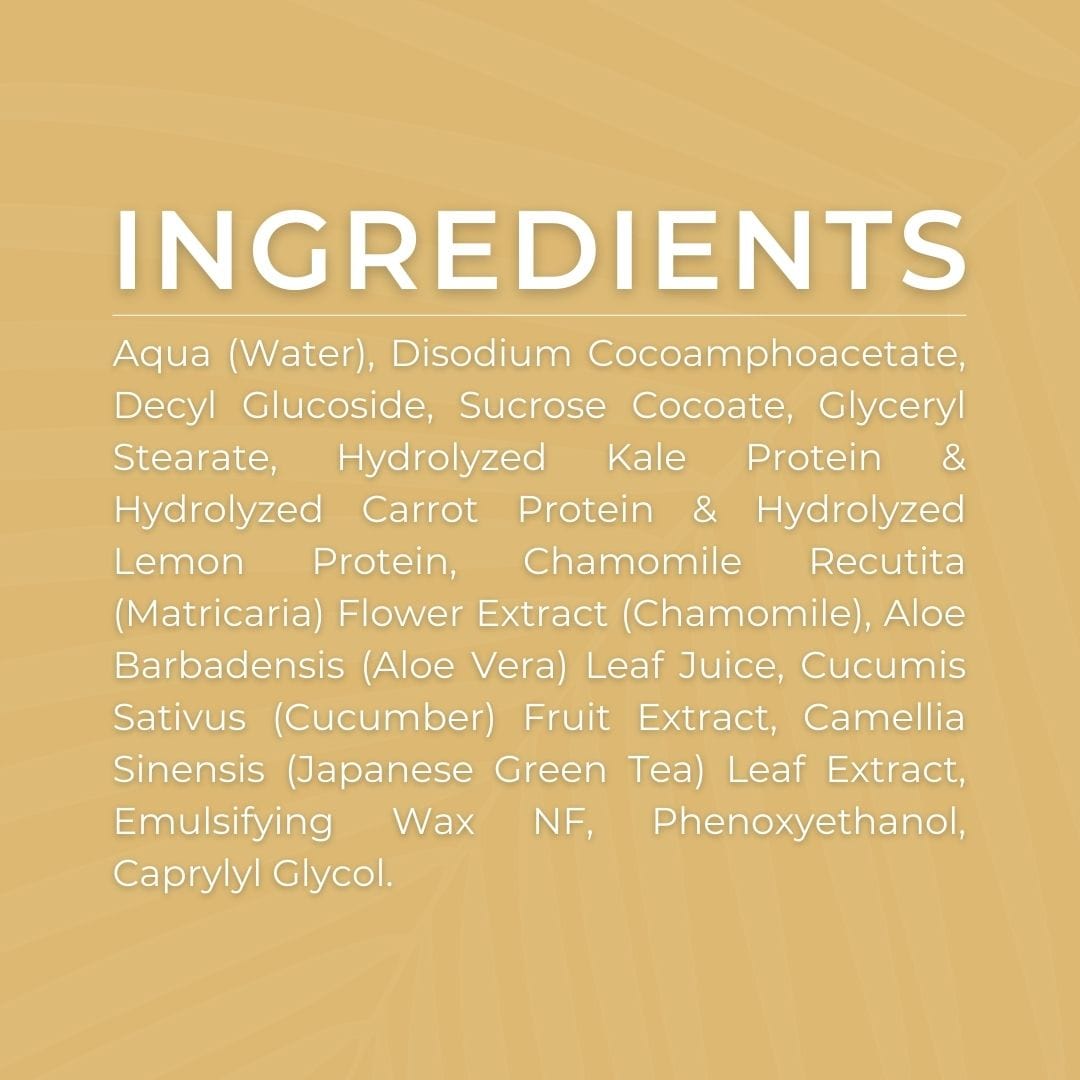
Incorporating Sucrose Cocoate into your routine might just be what your skin has been craving. It hydrates and cleanses with care, making it a valuable addition to any skincare lineup. Consider trying products with this ingredient and see the difference for yourself.
Credit: www.pravadaprivatelabel.com
Safety And Side Effects
Sucrose Cocoate is gaining popularity in skincare products. Its gentle nature makes it appealing to many users. But what about its safety and side effects? Understanding its impact is crucial for anyone considering its use. Let’s delve into its dermatological safety and potential allergies.
Dermatological Safety
Sucrose Cocoate is known for its mildness. It is often used in products for sensitive skin. Its soothing properties help maintain skin’s natural balance. Many experts consider it safe for everyday use. Studies show minimal irritation in most users. This makes it a preferred choice for many skincare formulations.
Potential Allergies
Like any ingredient, Sucrose Cocoate can cause allergies in some individuals. Allergic reactions are rare but possible. Symptoms may include redness or itching. Those with coconut allergies should exercise caution. Conducting a patch test is advisable. It helps identify any adverse reactions beforehand.
Comparison With Other Emulsifiers
Sucrose cocoate stands out among emulsifiers for its gentle, skin-friendly properties. It offers a natural alternative to more synthetic options. Compared to others, it provides effective moisturization without clogging pores, making it ideal for sensitive skin.
When selecting the right emulsifier for your skincare or cosmetic products, understanding the differences between options can make all the difference. Sucrose cocoate, a popular choice in the beauty industry, stands out for its unique properties. But how does it compare to other emulsifiers? Let’s explore the key differences and help you make an informed decision.Natural Vs Synthetic
Many consumers today prefer natural ingredients, and sucrose cocoate fits the bill. Derived from sugar and coconut oil, it offers a gentle, biodegradable alternative to synthetic emulsifiers. On the other hand, synthetic emulsifiers are often made from petroleum-based ingredients. While they might offer consistency and stability, they can sometimes irritate sensitive skin. Choosing between natural and synthetic can impact both your product’s appeal and its performance. Would you rather offer a product that aligns with eco-friendly values or one that promises long-lasting stability?Cost And Availability
Cost plays a crucial role in ingredient selection. Sucrose cocoate, being naturally sourced, might be more expensive than some synthetic options. However, its availability has increased as demand for natural products grows. You might find that the investment in a natural emulsifier like sucrose cocoate pays off through consumer satisfaction and loyalty. Comparatively, synthetic emulsifiers might be cheaper and more readily available. But consider if the cost savings outweigh the potential downsides like skin irritation or environmental impact. In your product development journey, how do you weigh cost against consumer expectations? Prioritizing the right ingredients can set your brand apart.
Credit: www.amazon.com
Environmental Impact
The beauty industry is increasingly aware of the environmental footprint of cosmetic ingredients. Sucrose cocoate, a naturally-derived substance, is gaining attention for its eco-friendly characteristics. If you’re keen on reducing your environmental impact, understanding how this ingredient measures up is crucial.
Biodegradability
Sucrose cocoate is biodegradable, breaking down naturally without harming the ecosystem. Unlike synthetic chemicals that linger in water and soil, this ingredient decomposes, returning to nature without a trace. Imagine using products that don’t contribute to pollution—it’s a game-changer for your skincare routine and the planet.
Biodegradability also means less strain on wastewater treatment facilities. They don’t have to work overtime filtering out harmful residues. This efficiency can lead to cleaner water systems, benefiting not just humans but also aquatic life.
Sustainability
Sucrose cocoate is sourced from renewable resources, making it a sustainable choice. Derived from sugar and coconut, it taps into abundant materials without depleting them. You might picture fields of sugarcane and coconut trees thriving, supporting not just the beauty industry but also local economies.
Consider how often you choose products based on sustainability. Opting for ingredients like sucrose cocoate reinforces your commitment to eco-friendly living. Every small choice counts, contributing to a larger impact on environmental conservation.
Have you ever thought about the lifecycle of your skincare products? Knowing that sucrose cocoate is sustainably sourced might just make you rethink other ingredients in your daily regimen. Sustainability isn’t just a buzzword; it’s a practical path to preserving our planet.
Future Trends In Sucrose Cocoate Use
Sucrose cocoate is making waves in the beauty and skincare industry. As an ingredient derived from sugar and coconut oil, it offers unique moisturizing and emulsifying properties. With its natural origin and gentle benefits, many are curious about its future applications.
Innovative Formulations
The beauty industry is always on the lookout for the next big thing. Sucrose cocoate’s ability to blend oil and water offers exciting opportunities for product development. Imagine a face cream that feels as light as a feather yet hydrates deeply.
Brands are experimenting with this ingredient to create multi-functional products. Think about a cleanser that not only cleans but also nourishes your skin. Such innovations are set to redefine our daily beauty routines.
What if your morning routine became quicker yet more effective? With products using sucrose cocoate, you might just get that wish. This ingredient is paving the way for products that simplify and enhance skincare.
Market Demand
Consumers are increasingly mindful of what goes into their products. Natural ingredients like sucrose cocoate are in high demand. This shift towards natural is not just a trend but a lasting change in consumer preferences.
Companies are keen to meet this demand by incorporating sucrose cocoate into their offerings. The growth of clean beauty products is evident in the expanding shelves of natural skincare items. Are you noticing a shift in your beauty choices too?
As more people seek transparency, the market for products with recognizable ingredients like sucrose cocoate is expected to grow. This makes it an exciting time for both consumers and brands willing to innovate. Your next favorite product might just have sucrose cocoate as its star ingredient.
Frequently Asked Questions
Is Sucrose Cocoate Safe?
Sucrose Cocoate is generally considered safe for use in cosmetics and personal care products. It is derived from natural sources and often used as an emulsifier and moisturizer. Always check for individual allergies or sensitivities. Consult with a healthcare professional for concerns regarding specific skin conditions.
Is Sucrose Stearate Safe?
Sucrose stearate is generally considered safe for use in cosmetics and food products. It is a mild emulsifier. Regulatory agencies like the FDA and EFSA approve its use. Always check for individual allergies or sensitivities. Consult a healthcare professional if unsure about its safety for personal use.
Is Sucrose Safe On Skin?
Sucrose is generally safe for skin use. It acts as a natural exfoliant, helping to remove dead skin cells. Sucrose also provides moisture, leaving skin soft and smooth. Always patch test first to ensure no allergic reactions or irritation. Consult a dermatologist if you have sensitive skin concerns.
Is Sodium Cocoate A Natural Ingredient?
Yes, sodium cocoate is considered a natural ingredient. It is derived from coconut oil and used in soaps. This compound forms through the saponification process, which involves coconut oil and sodium hydroxide. It is known for its cleansing and moisturizing properties, making it popular in skincare products.
Conclusion
Sucrose cocoate offers gentle care for skin and hair. This ingredient is ideal for sensitive skin. It moisturizes without leaving residue. Many beauty products use sucrose cocoate. Why? Because it cleans effectively. It also maintains skin’s natural oils. People enjoy soft, smooth skin.
Ideal for daily use. It’s a safe choice for most skin types. Sucrose cocoate is trusted in personal care products. Embrace healthy skin with this gentle ingredient. Your skin deserves care that nourishes. Consider products with sucrose cocoate for gentle, effective care.
Feel confident in your skincare routine.