
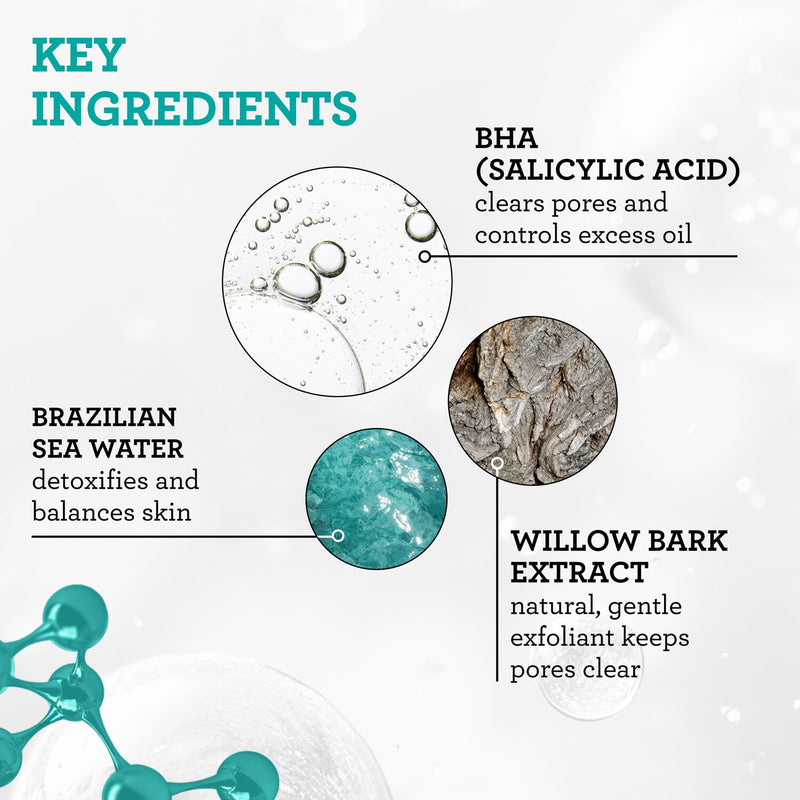
Imagine having access to one of nature’s most abundant resources that can transform your health, beauty, and even culinary experiences. Sea water, often overlooked, is packed with minerals and nutrients that can work wonders in your life.
You might be wondering how something as simple as sea water can be beneficial. Well, you’re about to discover its hidden potential. From rejuvenating your skin to enhancing the flavors of your favorite dishes, sea water is an ingredient you won’t want to ignore.
Dive in to learn how this natural elixir can become a staple in your daily routine.

Credit: purito.com
Composition Of Sea Water
Sea water is a complex solution. It contains a variety of substances, each contributing to its unique properties. Understanding sea water’s composition helps us appreciate its role in nature and industry. From salts to organic compounds, each element plays a part.
Salts And Minerals
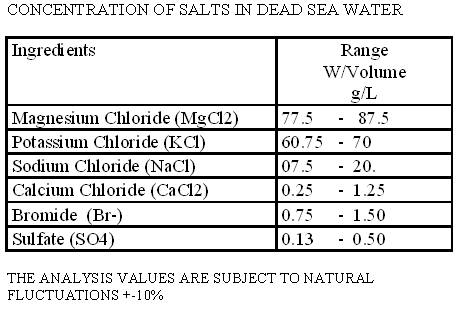
Sea water is rich in salts. Sodium chloride, also known as table salt, is the most abundant. It gives sea water its salty taste. Magnesium, calcium, and potassium are also present. These minerals support marine life. They are essential for biological processes. Salts influence the density and buoyancy of sea water.
Trace Elements
Trace elements exist in small amounts. They include iron, copper, and zinc. These elements are crucial for marine ecosystems. They aid in biological growth and reproduction. Though present in tiny quantities, their impact is significant. Trace elements also help regulate chemical reactions in the ocean.
Organic Compounds
Organic compounds are part of sea water’s makeup. They originate from living organisms. Examples include proteins, carbohydrates, and lipids. These compounds are vital for the ocean’s food chain. They serve as nutrients for marine life. Organic matter also affects the color and clarity of sea water.

Credit: purito.com
Salinity Levels
Understanding the salinity levels of sea water can be fascinating. It’s not just about the taste of saltiness; it’s about the science behind it. Salinity influences everything from ocean currents to marine life. Next time you dip your toes into the ocean, consider what these salt levels mean.
Factors Affecting Salinity
Several elements determine the salinity of sea water. Rainfall, evaporation, and river flow all play a role. Think about how rainfall can dilute the salt content. On the other hand, high evaporation rates can increase salinity. The balance between these factors results in varying salt levels.
Human activities can also alter salinity. Agricultural runoff and pollution are contributors. Have you ever considered how these actions impact ocean chemistry? It’s intriguing how our everyday choices affect the seas.
Regional Variations
Salinity levels differ across the globe. The Mediterranean Sea is saltier than the Atlantic Ocean. Why? It’s due to higher evaporation rates and limited water exchange. Imagine standing at the shore, feeling the distinct texture in each region.
Polar regions have their own story. Melting ice dilutes the water, reducing salinity. This dynamic environment offers a unique experience. How does your local coast compare to these extremes?
Impact On Marine Life
Marine creatures depend on specific salinity levels. Fish and corals thrive in certain salt concentrations. Have you ever wondered how they adapt to salinity changes? Variations can stress marine organisms, affecting growth and reproduction.
Some species have evolved remarkable survival techniques. Mangroves, for instance, filter salt through their roots. How do these adaptations inspire resilience in nature? Next time you explore a tidal pool, think about the delicate balance each creature maintains.
Understanding salinity levels opens a window to the ocean’s secrets. What will you discover about the sea’s salty embrace next time you visit the shore?
Chemical Properties
Sea water is more than just salty water. Its chemical properties make it unique. These properties influence marine life and coastal environments. Let’s explore the key chemical characteristics of sea water.
Ph Levels
The pH level of sea water is slightly alkaline. It ranges from 7.5 to 8.4. This range supports diverse marine ecosystems. Acidic waters harm coral reefs and marine organisms. Monitoring pH levels is crucial for ocean health.
Dissolved Gases
Sea water contains various dissolved gases. Oxygen and carbon dioxide are the most common. Oxygen supports marine life, like fish and coral. Carbon dioxide levels affect ocean acidity. Understanding these gases helps in studying climate change.
Conductivity
Sea water’s conductivity indicates its ability to conduct electricity. High salt content enhances this property. Conductivity helps measure salinity levels. Scientists use it to study water movement and mixing. It plays a vital role in oceanographic research.
Biological Components
Sea water is a vast reservoir of life. It teems with diverse biological components. These components play crucial roles in marine ecosystems. Understanding them helps us appreciate the complexity of oceanic life. This section explores the biological richness of sea water. We will delve into the fascinating world of tiny organisms living in it.
Phytoplankton And Zooplankton
Phytoplankton are microscopic plants in the ocean. They float in sea water and harness sunlight. This process is called photosynthesis. It produces oxygen and energy. They form the base of the marine food chain. Zooplankton are tiny animal organisms. They feed on phytoplankton and other small particles. Together, they maintain the balance of marine life.
Microorganisms
Microorganisms in sea water include bacteria and viruses. They are invisible to the naked eye. Yet, they play vital roles. Bacteria break down organic material. This process recycles nutrients back into the ecosystem. Viruses control bacterial populations. This helps maintain ecological balance. Microorganisms contribute to the health of the ocean.
Role In Ecosystems
Biological components of sea water support marine ecosystems. They provide energy and nutrients. These elements sustain marine animals and plants. Phytoplankton produce a significant portion of the world’s oxygen. This supports life on Earth. Zooplankton serve as food for larger animals. Microorganisms decompose organic matter. This recycling keeps the ocean environment stable.
Human Influence
Human activities significantly impact the composition of sea water. Various practices introduce changes to its natural state. These modifications affect marine life and our ecosystems.
Pollutants And Contaminants
Industrial waste often ends up in oceans. Factories release chemicals into water bodies. These substances alter sea water composition. Fertilizers from farms also contribute. They lead to nutrient overloads in the ocean.
Oil spills are another concern. They create films on the water surface. This disrupts the ecosystem below. Marine animals struggle to survive in polluted areas.
Desalination Processes
Desalination helps provide fresh water from the sea. It removes salts and minerals. Yet, it impacts sea water balance. Leftover brine from desalination returns to the ocean. This increases salinity levels locally.
Energy use in desalination affects the environment. Processes often rely on fossil fuels. This contributes to carbon emissions. Thus, it poses a challenge for sustainable practices.
Environmental Concerns
Human influence triggers environmental shifts. Rising sea temperatures result from climate change. This affects coral reefs and marine habitats. Overfishing depletes fish populations. It threatens the food chain balance.
Plastic waste in oceans is alarming. It breaks into tiny particles called microplastics. These particles are ingested by marine life. This harms their health and survival.
Economic Importance
Sea water is vital for economies worldwide. It supports industries and enriches communities. Understanding its economic importance sheds light on its diverse uses. From resource extraction to tourism, sea water plays a crucial role.
Resource Extraction
Sea water holds valuable resources. Mining in oceans extracts minerals and metals. Companies explore for oil and gas beneath the sea bed. These activities contribute to global energy supplies. They also create jobs and support local economies.
The salt industry relies heavily on sea water. Salt is harvested from sea water through evaporation processes. It supplies culinary needs and industrial applications. Sea water is also essential for desalination plants. These plants convert sea water into fresh water, supporting regions with limited water sources.
Tourism And Recreation
Sea water attracts tourists worldwide. Beaches and coastlines are popular vacation spots. They offer relaxation and scenic views. Water sports like surfing and diving thrive in sea water environments. These activities boost local tourism economies.
Marine life in sea water draws visitors. Aquariums and marine parks showcase ocean biodiversity. They educate and entertain tourists. Coastal communities benefit from increased tourism. Businesses flourish with the influx of visitors seeking sea water experiences.
Marine Transportation
Sea water is essential for global shipping. Ships navigate through oceans to transport goods. This movement underpins international trade. Ports along coastlines facilitate these exchanges.
Marine transportation connects distant regions. It supports economic growth and development. Sea water allows efficient movement of large quantities of cargo. The shipping industry relies on this crucial waterway for operations.
Sea water also aids in transportation of people. Cruise ships offer travel experiences across oceans. They provide leisure and adventure on the high seas. This contributes to the economy through tourism and employment.
Credit: www.deadseaofjordan.com
Frequently Asked Questions
What Is Ingredient Sea Water Used For?
Ingredient sea water is commonly used in cosmetics and skincare products. It offers natural minerals and nutrients that can benefit skin health. These minerals help to cleanse, hydrate, and rejuvenate the skin, providing a refreshing and revitalizing experience.
How Does Sea Water Benefit The Skin?
Sea water is rich in essential minerals like magnesium, potassium, and calcium. These minerals can enhance skin hydration and promote healing. Its anti-inflammatory properties can soothe irritated skin, making it an effective ingredient in skincare routines.
Is Sea Water Safe For Cosmetic Use?
Yes, sea water is generally safe for cosmetic use when properly processed. It undergoes purification to remove impurities and ensure safety. This purification retains beneficial minerals, making sea water a valuable addition to skincare and beauty products.
Can Sea Water Help With Acne?
Sea water’s antibacterial properties can help reduce acne-causing bacteria. Its minerals aid in detoxifying the skin and reducing inflammation. Regular use may lead to clearer skin, but individual results can vary.
Conclusion
Sea water offers unique benefits for health and wellness. Its minerals can nourish skin and promote relaxation. Using sea water in skincare products can enhance their effectiveness. This natural ingredient also supports hair health, adding volume and shine. Sea water’s properties make it a valuable addition to beauty routines.
Embrace its simplicity and enjoy the benefits. It’s easy to incorporate into daily life, whether in skincare or spa treatments. Experience the calming and refreshing effects. Sea water is a timeless ingredient. Perfect for those seeking natural wellness. Discover its potential today.