
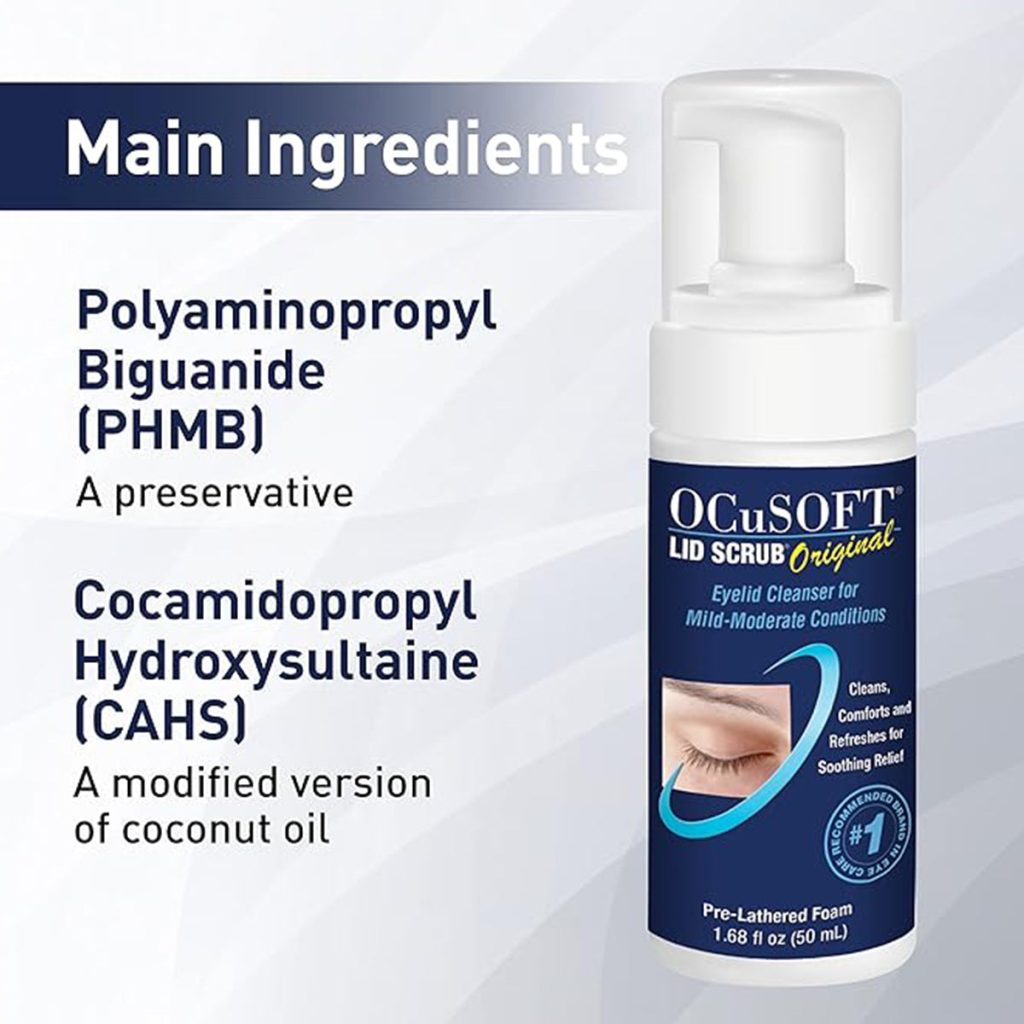
Imagine unlocking the secret behind your favorite skincare product. You’re about to discover Polyaminopropyl Biguanide, an ingredient that could transform your skincare routine.
Have you ever wondered what makes your skin feel fresh and clean after using certain products? The answer might lie in this powerful compound. Polyaminopropyl Biguanide is not just a mouthful to pronounce; it’s a game-changer in the beauty industry.
Understanding its role can empower you to make informed choices for your skin. Dive into the details and learn why this ingredient is essential for maintaining healthy, radiant skin. Get ready to uncover the benefits that could redefine your skincare experience.
Chemical Composition
Polyaminopropyl Biguanide is a widely used antimicrobial agent. Its chemical composition plays a crucial role in its function. Understanding its structure can help us know its effectiveness. Let’s explore the key elements that make up Polyaminopropyl Biguanide.
Understanding The Chemical Backbone
The backbone of Polyaminopropyl Biguanide is a polymeric structure. This structure includes repeating units of biguanide. Each unit is linked by propyl groups. These connections give it stability and flexibility. The polymeric nature enhances its antimicrobial properties.
The Role Of Biguanide Groups
Biguanide groups are the core of this compound. They contain nitrogen atoms, which are essential. These atoms interact with microbial cells. This interaction disrupts cell function and structure. This is why Polyaminopropyl Biguanide is effective against microbes.
Importance Of Propyl Chains
Propyl chains connect the biguanide units. They add length to the molecule. This increases the compound’s reach and coverage. Longer chains improve the ability to penetrate cell membranes. Thus, making it a potent antimicrobial agent.
Functional Groups And Their Significance
Functional groups in the compound increase its solubility. They help in dissolving in water easily. This is crucial for formulations like lotions and solutions. Solubility ensures even distribution and effectiveness in use.
Stability And Reactivity
Polyaminopropyl Biguanide is stable under normal conditions. Its stability ensures a longer shelf life. Reactivity is controlled to prevent unwanted reactions. This makes it safe for use in various products.
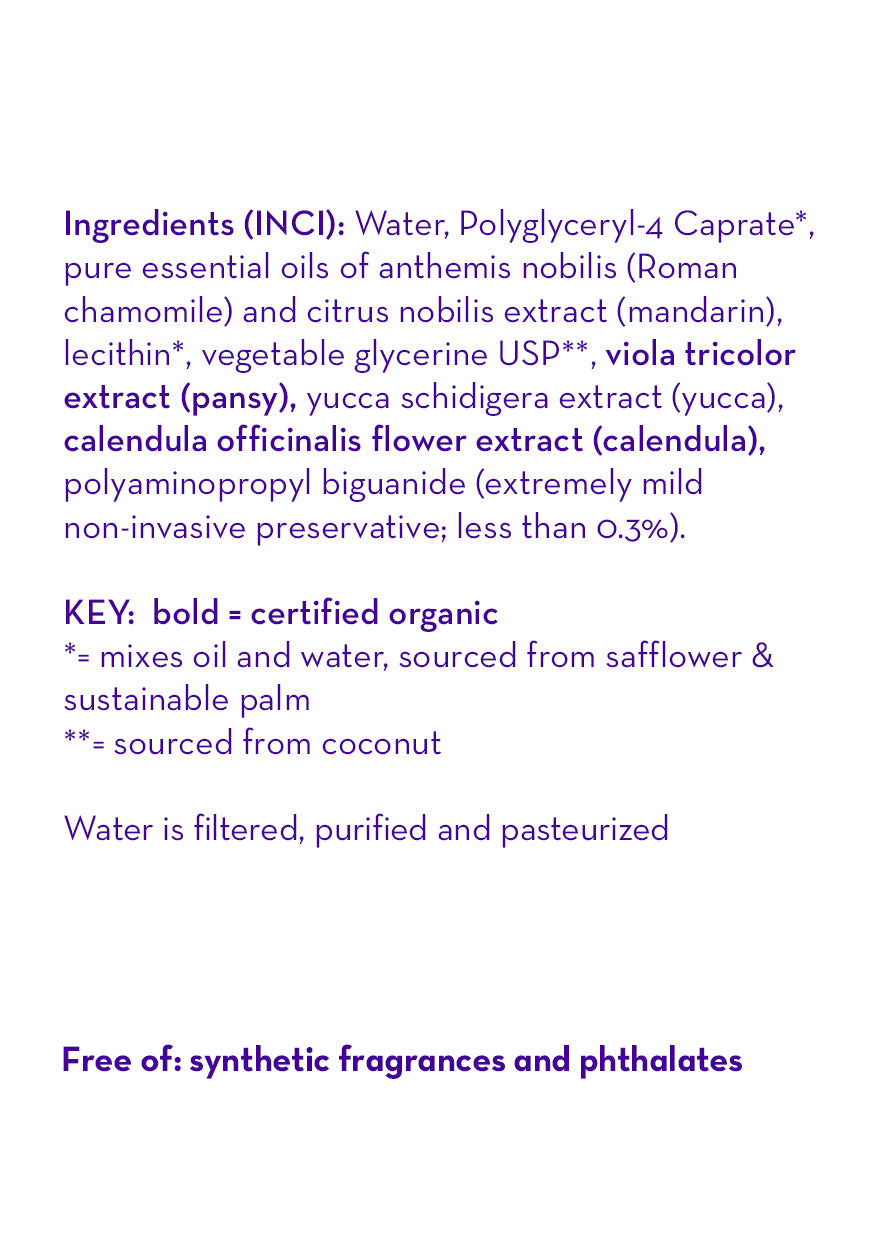
Credit: californiababy.com
Uses In Personal Care Products
Polyaminopropyl Biguanide (PAPB) is a versatile ingredient in personal care products. Its antibacterial properties make it a popular choice. It helps keep products safe and effective. PAPB is used in many personal care items. It enhances their overall performance and safety.
Skincare Applications
In skincare, PAPB acts as a mild preservative. It prevents bacterial growth in creams and lotions. This helps extend their shelf life. It ensures the products remain safe for the skin. PAPB is gentle, making it suitable for sensitive skin. It minimizes the risk of irritation. PAPB also supports skin’s natural barrier. It helps maintain skin’s health and hydration.
Haircare Benefits
PAPB is beneficial in haircare products too. It helps preserve shampoos and conditioners. This ensures they stay fresh and effective for longer. PAPB also aids in scalp health. It prevents bacterial buildup. This can lead to healthier hair follicles. PAPB’s gentle nature makes it ideal for daily use. It supports a clean and balanced scalp environment.
Role In Cosmetics
In cosmetics, PAPB plays a crucial role. It helps maintain product stability. PAPB prevents contamination in makeup products. This is vital for products like mascaras and eyeliners. These come in close contact with sensitive areas. PAPB ensures these items remain safe to use. It keeps them free from harmful bacteria. This enhances the user’s experience and trust.
Antimicrobial Properties
Polyaminopropyl Biguanide is known for its strong antimicrobial properties. It effectively reduces bacteria and fungi, enhancing product safety. Widely used in cosmetics and personal care, it helps maintain cleanliness and freshness.
Polyaminopropyl Biguanide, often abbreviated as PHMB, is a fascinating ingredient known for its impressive antimicrobial properties. This unique compound has captured the attention of scientists and product developers alike for its ability to combat a wide range of microorganisms. If you’re curious about how PHMB can help keep your environment safer and cleaner, you’re in the right place.Effectiveness Against Bacteria
PHMB stands out as a powerful defender against bacteria. It disrupts the cell membranes of bacteria, which effectively neutralizes them. This action makes it an excellent choice for products that aim to reduce bacterial contamination. Consider this: you’re using a surface cleaner that contains PHMB. It not only removes visible dirt but also tackles unseen bacteria, providing an extra layer of protection. This added assurance can make a significant difference in environments where hygiene is critical, like kitchens and bathrooms. You might wonder, how does PHMB compare to other antimicrobial agents? While many agents struggle with bacterial resistance, PHMB maintains its effectiveness, offering a reliable solution in a world where bacteria are constantly evolving.Use In Sanitizing Products
PHMB is a versatile ingredient found in various sanitizing products. Its safety profile and antimicrobial strength make it ideal for hand sanitizers, wipes, and even wound care products. Imagine having a hand sanitizer that not only cleans but also keeps your skin feeling soft. PHMB can achieve this by providing thorough disinfection without harshness, making it gentle for frequent use. When choosing sanitizing products, consider those with PHMB for comprehensive protection. This ingredient ensures that your sanitizing efforts are effective, giving you peace of mind in your daily hygiene routine. Have you ever felt unsure about the effectiveness of your sanitizers? With PHMB in your products, you can trust that each application actively fights harmful microorganisms, contributing to a healthier environment for you and your loved ones.Safety And Regulations
Polyaminopropyl Biguanide (PAPB) is a common ingredient in cosmetics. Understanding its safety and regulations is crucial. This ensures consumer trust and product effectiveness. Regulatory bodies around the world set guidelines for its use. These guidelines protect users from potential harm.
Approved Concentration Levels
The concentration of PAPB in products is carefully monitored. Regulatory bodies define safe levels for usage. In cosmetics, PAPB is typically used at concentrations up to 0.3%. This level is deemed safe for human use. It prevents bacterial growth without harming the skin.
Regulatory Guidelines
Different countries have varied regulations for PAPB. The European Union (EU) and the United States have clear guidelines. These guidelines ensure that products meet safety standards. The EU includes PAPB in its Cosmetics Regulation. This regulation lists approved ingredients and their limits. The U.S. Food and Drug Administration (FDA) also monitors its use. These regulations protect consumers from unsafe products.
Manufacturers must comply with these guidelines. They ensure that products are both safe and effective. By adhering to regulations, companies build consumer trust. This fosters a safe market for cosmetic products.
Environmental Impact
Polyaminopropyl biguanide is widely used in various personal care products. Its environmental impact is a growing concern for consumers. Understanding its effects on nature is crucial for making informed choices.
Biodegradability
Polyaminopropyl biguanide’s biodegradability is a topic of interest. It breaks down slowly in natural environments. This slow degradation raises concerns about long-term accumulation. Long-lasting compounds can affect ecosystems negatively. Manufacturers are exploring ways to enhance its breakdown. Improved formulas can reduce environmental burden. Research is ongoing to make it more eco-friendly.
Impact On Aquatic Life
The impact on aquatic life is significant. Polyaminopropyl biguanide can affect water organisms. High concentrations may harm fish and other marine creatures. It disrupts their natural habitats and breeding cycles. Studies show potential risks with prolonged exposure. Responsible disposal and usage are vital. Protecting aquatic ecosystems requires mindful practices. Awareness can drive change towards safer alternatives.

Credit: dryeyerescue.com
Alternatives In The Market
Polyaminopropyl biguanide has various alternatives in the market for those looking for gentle preservatives. Common options include phenoxyethanol and benzyl alcohol, which are often used in skincare products. These alternatives are popular choices for maintaining product freshness and safety.
Polyaminopropyl Biguanide (PAPB) is a common ingredient in many products. It is known for its antimicrobial properties. But some consumers seek alternatives due to allergies or personal preferences. Fortunately, there are other options available. These alternatives provide similar benefits without using PAPB. Let’s explore these choices in detail.Natural Substitutes
Natural substitutes are gaining popularity. Tea tree oil is a well-known option. It offers antibacterial and antifungal properties. Many people use it in skincare products. Aloe vera is another natural choice. It soothes the skin and reduces inflammation. People trust it for its gentle nature. Witch hazel also makes the list. It’s often found in toners and astringents. It helps tighten pores and cleanse the skin.Synthetic Alternatives
Synthetic alternatives to PAPB exist, too. Benzalkonium chloride is one such option. It is effective in killing bacteria and viruses. Found in many disinfectants and wipes. Triclosan is another synthetic choice. It is used in antibacterial soaps and gels. Some prefer it for its proven efficacy. Phenoxyethanol is also available. It acts as a preservative in cosmetics. It ensures products stay fresh longer.
Credit: dryeyerescue.com
Frequently Asked Questions
Is Polyaminopropyl Biguanide Safe?
Polyaminopropyl biguanide is generally considered safe in cosmetic products. It is used as a preservative. Regulatory agencies like the FDA and EU Cosmetics Regulation have approved its use. Always follow product guidelines and consult a professional for concerns.
What Is Polyaminopropyl Biguanide Made Of?
Polyaminopropyl biguanide is composed of polymerized biguanide units. It includes amine groups that enhance its antibacterial properties. This compound is often used in personal care products for its antimicrobial effectiveness.
Is Polyaminopropyl Biguanide Safe For Eyes?
Polyaminopropyl biguanide is generally considered safe for eyes. It is commonly used in contact lens solutions. Some individuals may experience irritation or allergic reactions. Always consult a healthcare professional if you have concerns.
Is Biguanide Safe?
Biguanide is generally considered safe when used as prescribed by a healthcare professional. It is important to monitor for side effects. Regular check-ups ensure safe usage. Always consult your doctor regarding any concerns or questions about biguanide usage.
Conclusion
Polyaminopropyl Biguanide is a versatile and effective ingredient. It offers antimicrobial benefits, making products safer. This ingredient suits various skincare and personal care needs. Many brands trust it for its reliable properties. Users appreciate its gentle nature on the skin.
Understanding its role can enhance product choices. Safety and effectiveness make it a popular choice. Consider products with this ingredient for better results. It’s wise to stay informed about what you use. Knowing about Polyaminopropyl Biguanide can guide smarter decisions.
Always choose what best fits your skin needs and preferences.