
Imagine unlocking the secret to smoother, healthier skin simply by understanding one key ingredient: palmitic acid. You might have seen it listed on your favorite skincare products, but what exactly does it do?
You deserve to know how this common yet powerful component can transform your skincare routine. By exploring the benefits of palmitic acid, you’ll discover why it’s a staple in cosmetics and how it can impact your skin’s health and appearance.
This is your chance to unveil the hidden potential of palmitic acid and elevate your skincare game. Dive into the full article to uncover how this ingredient can become your skin’s new best friend.
What Is Palmitic Acid?
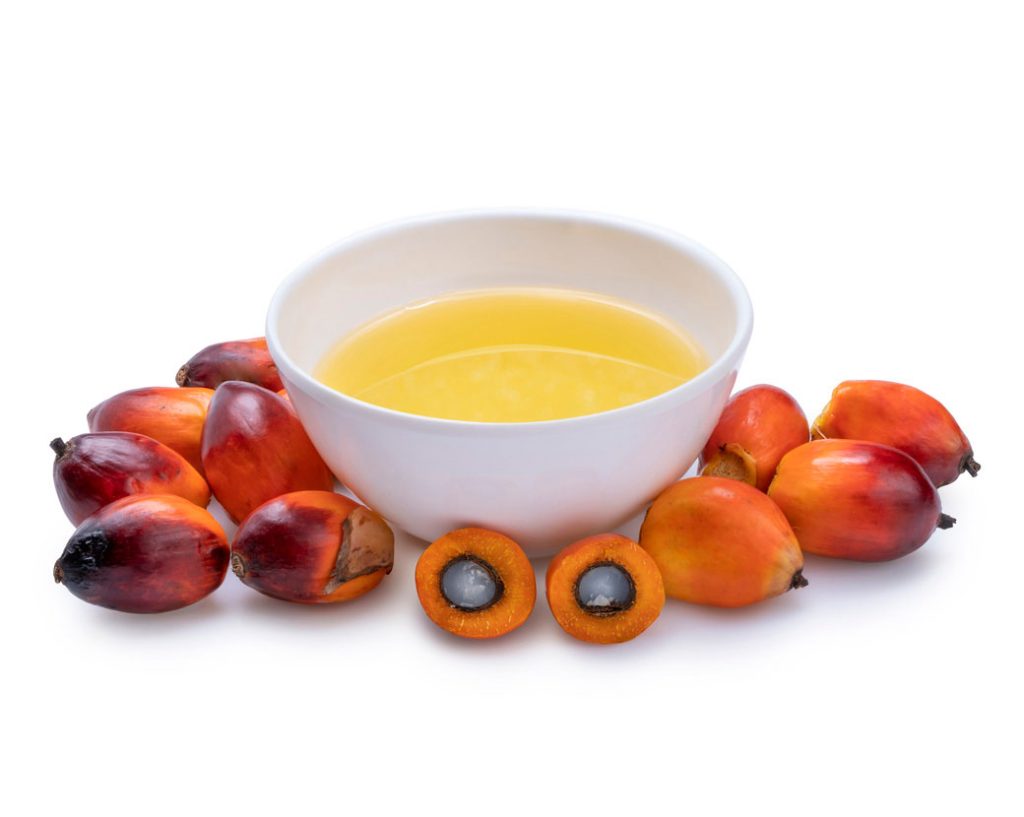
Palmitic acid is a common fatty acid found in nature. It is a major component in palm oil, butter, and other animal fats. This saturated fatty acid plays a key role in various biological functions. Many industries use it in products, from cosmetics to food.
Palmitic acid is a long-chain fatty acid. It has a chemical formula of C16H32O2. This means it contains 16 carbon atoms. It is one of the most common saturated fatty acids in the body. Our bodies produce it in small amounts. It is also present in many foods we eat daily.
Palmitic acid is abundant in palm oil and coconut oil. Animal fats like butter and lard also contain it. Many processed foods have high levels of this fatty acid. It’s often used to enhance flavor and texture.
Role In The Human Body
Palmitic acid is vital for energy storage. It helps in the formation of cell membranes. Our bodies use it to produce other fatty acids and hormones. It is also important for brain health and immune function.
Applications In Industry
The cosmetic industry uses palmitic acid in soaps and lotions. It acts as a surfactant and moisturizer. Food manufacturers use it as a flavoring agent. It also serves as a base for many pharmaceuticals.
Health Considerations
High intake of palmitic acid may increase cholesterol levels. Balance is key to enjoying its benefits. It is best consumed in moderation. A balanced diet helps manage its effects on health.
Sources Of Palmitic Acid
Palmitic acid is a common fatty acid. It is found in various sources around us. Knowing where it comes from is essential for understanding its role in our lives.
Natural Sources
Palmitic acid is abundant in many natural sources. It is found in both plant and animal fats. Palm oil is a well-known source. Coconut oil contains it too. Animal fats, like butter and meat, have palmitic acid. Dairy products also contain it. These sources contribute to our daily intake.
Synthetic Production
Palmitic acid can be produced synthetically. This process involves chemical reactions. Scientists often create it in labs. Synthetic production ensures purity. It is used in various industries. The cosmetics industry uses it frequently. Food manufacturing sometimes uses synthetic palmitic acid. This guarantees consistency in products.
Role In Food Industry
Palmitic acid plays a significant role in the food industry. It is a common saturated fatty acid found in various foods. Its presence affects flavor, texture, and shelf life. Understanding its impact helps in food production and consumption.
Food Additive
Palmitic acid acts as a food additive in many products. It enhances the texture of processed foods. Many baked goods benefit from its presence. It stabilizes and improves consistency. Ice creams and whipped toppings use it for creaminess. Its use ensures products maintain desired qualities during storage.
Nutritional Impact
Palmitic acid contributes to the energy content of foods. It is a source of calories, providing energy for daily activities. Though it’s a saturated fat, moderation is key. Excessive intake may affect heart health. Balancing diet with unsaturated fats is recommended. Understanding its nutritional role aids in making informed dietary choices.
Use In Cosmetic Products
Palmitic acid, a common ingredient in cosmetics, helps improve skin texture and hydration. It acts as an emollient, providing a smooth, soft feel. This fatty acid is often used in creams and lotions to enhance skin moisture and protect against dryness.
Palmitic acid, a saturated fatty acid, is commonly found in a variety of cosmetic products. Its versatility makes it a popular choice for enhancing the texture and efficacy of skincare items. As you explore the beauty aisle, you’ll likely notice palmitic acid listed among the ingredients in many of your favorite skincare products. But what exactly does it do for your skin?Skin Care Benefits
Palmitic acid is known for its emollient properties, which help to soften and smooth the skin. It acts as a barrier, protecting your skin from environmental damage and moisture loss. Imagine applying a rich, hydrating cream that leaves your skin feeling soft and supple—palmitic acid is often the ingredient behind that luxurious sensation. This fatty acid also plays a role in maintaining the skin’s natural barrier function. By strengthening this barrier, it helps to keep irritants out and moisture in. This is particularly beneficial if you have dry or sensitive skin, as it can help reduce redness and irritation.Common Applications
In the world of cosmetics, palmitic acid is frequently used in formulations like creams, lotions, and cleansers. You’ll find it in products designed to provide hydration and improve skin texture. Have you ever wondered why your favorite moisturizer feels so rich and creamy? That’s often thanks to palmitic acid, which enhances the product’s texture and application. It’s also used in makeup, particularly in foundations and powders, to help products adhere better to the skin. This leads to a smoother, more even application, ensuring your makeup looks flawless throughout the day. Next time you apply your foundation, think about the hidden ingredients like palmitic acid that contribute to its long-lasting finish. Are you considering adding products with palmitic acid to your skincare routine? It’s worth checking the ingredient list of your go-to products. By understanding the role of each ingredient, you can make more informed choices that align with your skincare goals.Palmitic Acid In Pharmaceuticals
Palmitic acid, a saturated fatty acid, is not just a name on a product label. It plays a vital role in the pharmaceutical world. You might wonder how a common ingredient like palmitic acid could impact drug development and efficacy. Let’s unravel its importance and how it contributes to medicinal uses and drug formulations.
Medicinal Uses
Palmitic acid is often used in medications due to its ability to enhance drug delivery. It acts as a carrier, helping active ingredients reach their target more effectively. Think of it as a helpful companion ensuring the medicine gets where it needs to go. Have you ever noticed how some medications work faster than others? Palmitic acid might be the secret behind that speed.
Beyond delivery, palmitic acid has anti-inflammatory properties. It is used in treatments for skin conditions like eczema and psoriasis. If you’ve ever had a skin cream that soothed irritation quickly, palmitic acid could have played a part. It’s fascinating how something so simple can contribute to soothing relief.
Drug Formulations
Palmitic acid is a key player in the formulation of tablets and capsules. It helps bind ingredients together, ensuring consistency in each dose. Picture a chef ensuring the perfect mix in every dish they serve—that’s what palmitic acid does for medications. Have you ever wondered why tablets don’t fall apart in the bottle? You can thank palmitic acid for that.
It also aids in stabilizing drug formulations, which is crucial for maintaining effectiveness over time. Imagine storing a medication for months and finding it works just as well as the day you bought it. Palmitic acid helps make that possible by preserving the integrity of the formulation.
How often do you consider the complexity behind each pill you swallow? Palmitic acid is a reminder of the intricate science involved in pharmaceuticals, quietly ensuring your medications are safe and effective.

Credit: www.stratiaskin.com
Health Implications
Palmitic acid is a common saturated fat found in our diets. It is present in palm oil, dairy, and some meats. Understanding its health implications is important for informed dietary choices. This section explores the potential risks and health benefits associated with palmitic acid.
Potential Risks
Excessive intake of palmitic acid may raise cholesterol levels. This can increase the risk of heart disease. Some studies link high palmitic acid consumption to insulin resistance. Insulin resistance can lead to type 2 diabetes. It is important to monitor its intake in your diet. Balance is key to minimizing potential health risks.
Health Benefits
Palmitic acid plays a role in energy storage. It provides a source of energy for the body. It is also essential in the formation of cellular membranes. This helps maintain cell structure and function. Palmitic acid is present in breast milk, supporting infant nutrition. It aids in the absorption of fat-soluble vitamins. These include vitamins A, D, E, and K.
Environmental Impact
Palmitic acid, a common ingredient in cosmetics and food, has environmental implications. It is derived from palm oil, which is linked to deforestation. This affects biodiversity and contributes to climate change. Understanding its environmental impact is crucial for sustainable choices.
Sustainability Concerns
Palm oil plantations often lead to deforestation. This destroys habitats for wildlife. The loss of trees increases carbon dioxide levels. This contributes to global warming. Soil quality also degrades, affecting future land use. Local communities face displacement, affecting their way of life. These factors raise sustainability concerns about palmitic acid.
Eco-friendly Alternatives
Eco-friendly alternatives to palm oil exist. Coconut oil is one substitute. It has a smaller environmental footprint. Sunflower oil is another option. It requires less water and chemicals. Olive oil offers a sustainable choice with many benefits. These alternatives help reduce environmental harm.

Credit: www.amazon.com
Future Prospects
Palmitic acid, a saturated fatty acid, holds promise for the future. Its role in skincare and food industries is expanding. Scientists and manufacturers look to its potential. New research and innovations are paving the way for its wider use.
Research Developments
Recent studies explore palmitic acid’s effects on skin health. Researchers examine its moisturizing properties. Findings show it may protect skin barriers. Studies also investigate its role in metabolic processes. Scientists aim to understand its influence on energy production. Ongoing research will reveal more benefits.
Industry Innovations
Manufacturers create new products with palmitic acid. Skincare brands use it for enhancing creams and lotions. It adds smoothness and hydration. Food industries explore its use in healthier options. They aim to reduce trans fats in products. Innovations bring palmitic acid to the forefront of industry trends.
Credit: www.etsy.com
Frequently Asked Questions
Is Palmitic Acid Good Or Bad For You?
Palmitic acid can be beneficial in moderation, supporting energy and hormone production. Excessive intake may increase heart disease risk. Balance is key to maintaining health. Consider sources like palm oil and animal fats, and opt for a balanced diet to minimize negative effects.
What Does Palmitate Do To Your Body?
Palmitate supports skin health by acting as an antioxidant. It helps in energy production by being a component of fatty acids. Excessive intake may increase cholesterol levels, impacting heart health. It’s commonly found in foods and skincare products.
Is Palmitic Acid Safe For Skin?
Palmitic acid is generally safe for skin. It moisturizes and protects, but can cause issues for sensitive skin types. Always patch test new products to ensure compatibility. Consult a dermatologist for personalized advice if you have concerns.
Is Palmitic Acid Plant-based?
Yes, palmitic acid is plant-based. It is found in many plant oils like palm oil, coconut oil, and olive oil. Palmitic acid is a common saturated fatty acid in both plant and animal fats. It is widely used in food and cosmetics.
Conclusion
Palmitic acid plays a crucial role in various products. It’s found in many foods and cosmetics. This ingredient helps improve texture and stability. Consumers should be aware of its benefits and uses. Some people may need to limit their intake due to health concerns.
Always check product labels for ingredients. Understanding palmitic acid helps you make better choices. It’s essential for informed decisions about health and beauty. Keep exploring and learning about ingredients for a healthier lifestyle. Stay informed, stay healthy.