
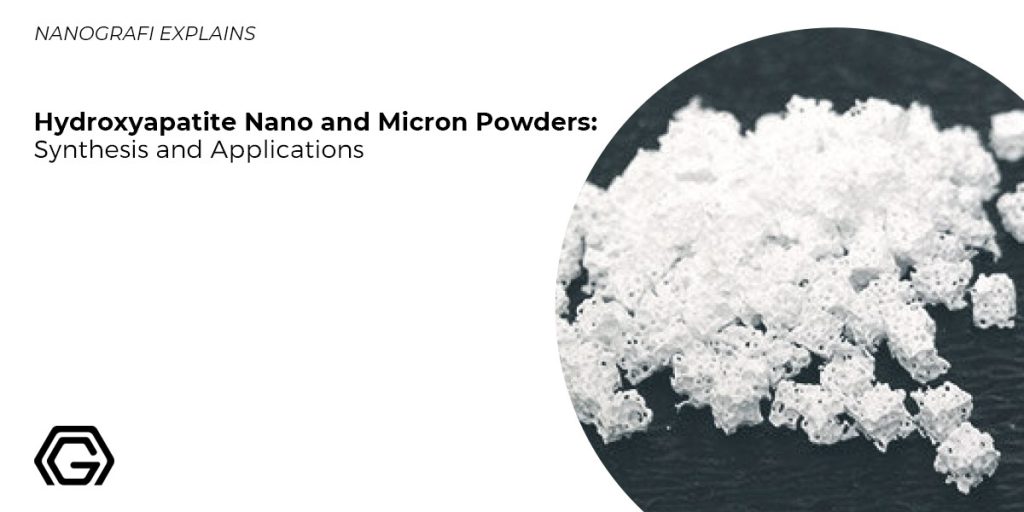
Imagine having a secret weapon in your oral care routine that promises not just to clean your teeth but actually make them healthier. You might be wondering what magic ingredient could do this.
Meet hydroxyapatite. This mineral is a powerhouse when it comes to dental health, offering benefits that go beyond what traditional toothpaste can achieve. If you’re curious about how hydroxyapatite can transform your smile and boost your confidence, you’re in the right place.
This article will unveil the wonders of hydroxyapatite and reveal why it should be your next go-to ingredient for oral care. Let’s dive in and discover how this remarkable compound can make a difference in your daily routine.
What Is Hydroxyapatite?
Hydroxyapatite is a naturally occurring mineral in the human body. It forms the main component of bones and teeth, providing strength and structure. This mineral is crucial for maintaining healthy skeletal and dental systems.
Recently, hydroxyapatite has gained attention in oral care products. It’s known for its ability to remineralize tooth enamel. This makes it an effective ingredient in toothpaste and other dental applications.
Understanding The Composition Of Hydroxyapatite
Hydroxyapatite is a form of calcium phosphate. Its chemical formula is Ca5(PO4)3(OH). This compound closely resembles the mineral composition of natural tooth enamel. This similarity allows it to integrate seamlessly with human teeth.
The Role Of Hydroxyapatite In Dental Health
Hydroxyapatite helps repair and strengthen teeth. It fills tiny cracks and gaps in the enamel. This process protects teeth from decay and sensitivity. It also enhances the overall appearance of teeth, making them look whiter and healthier.
Hydroxyapatite Vs. Fluoride
Fluoride is a common ingredient in toothpaste. It also helps strengthen teeth. Yet, hydroxyapatite offers a natural alternative. It does not pose the risks associated with excessive fluoride exposure. Many people prefer hydroxyapatite for this reason.
Who Should Use Hydroxyapatite?
Hydroxyapatite is suitable for almost everyone. It’s especially beneficial for those with sensitive teeth. People seeking a natural dental care option may find it appealing. Always consult a dentist before switching dental products.
Chemical Composition
Hydroxyapatite is a crucial component in dental care products. Its chemical composition plays a significant role in its effectiveness. Understanding its structure helps us appreciate its benefits for teeth.
Hydroxyapatite is a naturally occurring mineral. It’s found in bones and teeth. Its formula is Ca10(PO4)6(OH)2. This formula highlights the calcium and phosphate ions. These ions are essential for bone health.
Calcium Content
Calcium is a key element in hydroxyapatite. It provides strength and durability to bones. In teeth, calcium helps resist decay. The mineral’s structure allows easy integration with natural teeth.
Phosphate Ions
Phosphate ions form the backbone of hydroxyapatite. They connect calcium molecules together. This connection creates a stable structure. Phosphate is crucial for maintaining tooth integrity.
Hydroxyl Groups
Hydroxyl groups in hydroxyapatite stabilize the mineral. They enhance its ability to bond with enamel. This bonding helps repair minor tooth damage. Hydroxyl groups also improve the mineral’s effectiveness in dental care.
Importance Of The Composition
The unique chemical composition of hydroxyapatite is vital. It allows the mineral to mimic natural tooth enamel. This mimicry aids in repairing and protecting teeth. Understanding this composition helps in choosing effective dental products.
Natural Occurrence
Hydroxyapatite is a fascinating ingredient that occurs naturally in our bodies. It’s not just a lab-created compound; it’s the very substance that makes your teeth and bones strong and healthy. You might not think about it daily, but every time you bite into an apple or take a brisk walk, hydroxyapatite is at work. Understanding its natural occurrence can be eye-opening and might change how you view your own body.
Hydroxyapatite is a form of calcium phosphate. It’s the primary mineral component of bones and teeth. This natural crystal gives them their rigidity and strength.
In your teeth, it helps resist wear and tear from chewing. In your bones, it supports your entire body’s structure.
Where Can You Find It?
Hydroxyapatite is found mostly in your teeth and bones. About 70% of your bone weight is made up of this mineral. It’s also present in your enamel, the outer layer of your teeth.
In nature, hydroxyapatite can be found in mineral deposits. These are often mined for various uses, including medical applications.
Why Does It Matter?
Understanding its natural occurrence helps you appreciate your body’s resilience. When you know that your bones and teeth are made of hydroxyapatite, you realize the importance of maintaining them.
It can also affect how you choose dental care products. Knowing that hydroxyapatite is natural might encourage you to seek toothpaste containing it for remineralization benefits.
How Can You Support Its Natural Functions?
Consider your diet. Foods rich in calcium and phosphorus help support the natural functions of hydroxyapatite in your body. Dairy products, leafy greens, and fish are excellent choices.
Regular exercise strengthens your bones, encouraging healthy hydroxyapatite levels. Weight-bearing activities like walking or lifting weights are particularly effective.
Have you ever considered how your daily choices impact your body’s natural composition? It’s fascinating to think that something as simple as a glass of milk or a walk can support the hydroxyapatite that keeps you strong.
Uses In Dentistry
Hydroxyapatite plays a crucial role in dentistry. It strengthens tooth enamel and aids in remineralization, enhancing oral health. With its biocompatibility, this ingredient is ideal for repairing damaged teeth and reducing sensitivity, making it a popular choice in dental products.
The fascinating world of dental care includes many ingredients, but hydroxyapatite stands out for its unique benefits. Known primarily for its ability to mimic the natural mineral components of teeth and bones, it plays a crucial role in maintaining oral health. This ingredient isn’t just a scientific marvel—it’s a practical ally in your daily dental routine.Toothpaste And Oral Care
Hydroxyapatite in toothpaste is a game-changer. It helps to remineralize enamel, filling tiny cracks and restoring its strength. Imagine your teeth getting a natural shield against decay—this is exactly what hydroxyapatite offers. You’re probably wondering how this affects your daily brushing. Using a hydroxyapatite toothpaste can reduce sensitivity and make your teeth less prone to cavities. It’s like giving your teeth a little extra armor each day. Next time you’re shopping for toothpaste, check the label. Opt for ones with hydroxyapatite and see if you notice a difference. Your teeth might just thank you with fewer trips to the dentist.Bone Grafting And Implants
In the realm of dental surgery, hydroxyapatite finds its place in bone grafting and implants. It provides a stable and biocompatible surface for new bone growth. This quality is particularly beneficial for patients needing dental implants. Consider someone who has lost a tooth and requires an implant. Hydroxyapatite can help ensure the implant integrates smoothly with the jawbone. This increases the chance of long-term success and comfort. Are you exploring options for dental restoration? Ask your dentist about hydroxyapatite-enhanced procedures. It might be the key to a more successful and enduring dental implant experience.Applications In Medicine
Hydroxyapatite has found a special place in the world of medicine. As a naturally occurring mineral in your body, it offers promising solutions in various medical applications. From enhancing bone repair to advancing orthopedic treatments, its significance is undeniable. Consider how this mineral, which is already part of your body, is being utilized to improve healthcare.
Bone Repair
Imagine breaking a bone and discovering that the solution lies within your own body. Hydroxyapatite plays a crucial role in bone repair. It acts as a scaffold, allowing new bone cells to grow and fill in gaps caused by fractures. This means quicker healing and stronger bones.
Have you ever wondered why some bones heal faster than others? Hydroxyapatite mimics the natural bone structure, providing the perfect environment for repair. Surgeons use it in grafts to ensure the body accepts and integrates it seamlessly. Next time you hear about bone repair, you might be hearing about hydroxyapatite at work.
Orthopedics
Orthopedic surgeons are harnessing the power of hydroxyapatite. In joint replacements and spinal surgeries, it supports artificial implants, enhancing their integration with the body. This means fewer complications and improved long-term outcomes.
If you or a loved one has faced surgery, you might appreciate knowing that hydroxyapatite is behind some of the success stories. Its use reduces the risk of rejection and speeds up recovery. The next time you hear of someone getting a joint replacement, think about the invisible support hydroxyapatite provides.
Could hydroxyapatite be the key to future advancements in medicine? Its natural compatibility with your body suggests exciting possibilities. Consider how it might transform not only orthopedic treatments but other fields of medicine too.
Role In Cosmetic Products
Hydroxyapatite plays a key role in cosmetic products by helping to strengthen and remineralize teeth. This ingredient is also known for its ability to enhance the skin’s appearance by promoting a smoother texture. It is widely used in toothpaste and skincare formulations.
Hydroxyapatite is making waves in the world of cosmetics, and for good reason. This naturally occurring mineral is not just a buzzword; it plays a critical role in enhancing beauty products. By understanding its unique properties, you can make informed choices about the products you use every day. Hydroxyapatite is a form of calcium phosphate that mimics the mineral component of bones and teeth. It is biocompatible and bioactive, making it safe and effective for use in cosmetics. This mineral offers a natural approach to enhancing beauty without harmful side effects.Benefits Of Hydroxyapatite In Skincare
Hydroxyapatite helps in remineralizing the skin. It supports the skin’s natural barrier, keeping it hydrated and protected. Products with this ingredient can help reduce signs of aging, leaving your skin looking fresh and youthful.Hydroxyapatite In Oral Care
This mineral is a game changer in dental products. It helps to rebuild and strengthen tooth enamel, offering a natural alternative to fluoride. If you’re looking for a safer way to maintain oral health, hydroxyapatite toothpaste might be your answer.Safe For Sensitive Skin
Hydroxyapatite is gentle on sensitive skin. It doesn’t irritate or cause allergic reactions, making it a great choice for those with delicate skin. You can enjoy the benefits of this ingredient without worrying about adverse effects.How To Identify Hydroxyapatite In Products
Check the ingredient list of your favorite cosmetics. Look for “hydroxyapatite” or “calcium hydroxyapatite” to ensure you’re getting the real deal. Knowing what to look for can help you make better choices for your skincare and oral care routines.Is Hydroxyapatite Right For You?
Consider your skincare and oral care needs. Are you looking for natural, safe ingredients that work effectively? Hydroxyapatite may just be the missing piece in your beauty regimen. Hydroxyapatite offers practical benefits that can enhance your beauty routine. As a personal note, I switched to a hydroxyapatite-based toothpaste and noticed a significant improvement in my dental health. It’s these little changes that can make a big difference. What about you? Have you tried any products with hydroxyapatite? Share your experiences in the comments below and let’s learn from each other.Benefits For Bone Health
Hydroxyapatite is a key ingredient for strong bones. It mimics the natural mineral found in bones and teeth. This makes it an effective option for bone health support.
Hydroxyapatite is a calcium phosphate compound. It forms the main mineral content of bones. Its structure closely resembles human bone tissue.
Supports Bone Density
Hydroxyapatite helps maintain bone density. It provides essential minerals. Calcium and phosphorus strengthen bones.
Enhances Bone Repair
It aids in bone repair. Hydroxyapatite supports natural healing. It encourages new bone formation.
Improves Calcium Absorption
Hydroxyapatite boosts calcium absorption. It is bioavailable. Your body can use it easily.
Promotes Healthy Teeth
It also benefits teeth health. Hydroxyapatite strengthens enamel. It prevents decay and cavities.
Reduces Bone Loss
Hydroxyapatite may reduce bone loss. It supports bone metabolism. This is vital as we age.

Credit: www.greatoralhealth.com
Potential Risks
Hydroxyapatite is renowned for its dental benefits, being a key component in toothpaste formulations. Yet, like any ingredient, understanding the potential risks is crucial. Here, we’ll explore the possible drawbacks associated with hydroxyapatite, ensuring you make informed decisions about its use.
Potential Allergic Reactions
Some individuals may experience allergic reactions to hydroxyapatite. Symptoms could include skin irritation or swelling. If you notice any discomfort, consult a healthcare professional. Allergic reactions can vary in intensity.
Environmental Concerns
Hydroxyapatite production might impact the environment. The extraction process can lead to resource depletion. Consider eco-friendly alternatives if environmental impact is a concern for you.
Overuse Effects
Excessive use of hydroxyapatite could lead to enamel wear. Using products with appropriate concentrations is essential. Consult a dentist for advice on safe usage levels.
Interactions With Other Ingredients
Hydroxyapatite might interact with other oral care ingredients. These interactions could reduce effectiveness or cause adverse effects. Check product labels carefully to ensure compatibility.
Future Research Directions
Hydroxyapatite is gaining attention in dental care and bone health. As its benefits become more known, scientists are eager to explore its potential. This section delves into the future research directions for hydroxyapatite. Researchers are committed to understanding its full range of applications.
Potential In Bone Regeneration
Hydroxyapatite shows promise in bone healing. Researchers aim to improve its integration with human bones. They explore how it can speed up recovery in bone injuries. The goal is to create materials that mimic natural bone structures. This could significantly aid patients with bone loss.
Advancements In Dental Applications
In dentistry, hydroxyapatite is already a key player. Future studies focus on enhancing its ability to repair tooth enamel. Researchers are testing its effectiveness in preventing cavities. New formulas may provide stronger protection against tooth decay. Improved dental products could emerge from these studies.
Nanotechnology And Hydroxyapatite
Nanotechnology could enhance hydroxyapatite’s properties. Researchers explore how nanoparticles can improve its performance. Smaller particles may offer better absorption and effectiveness. This research could lead to innovative uses in medicine and dentistry.
Biocompatibility And Safety Testing
Ensuring hydroxyapatite’s safety remains a priority. Scientists conduct extensive biocompatibility tests. These studies ensure it works well with human tissues. Safety testing helps in reducing potential side effects. This research builds trust in its widespread use.
Exploring New Synthesis Methods
New methods of creating hydroxyapatite are under investigation. Researchers seek cost-effective and eco-friendly production techniques. These methods aim to maintain high purity and quality. Sustainable synthesis could make hydroxyapatite more accessible globally.
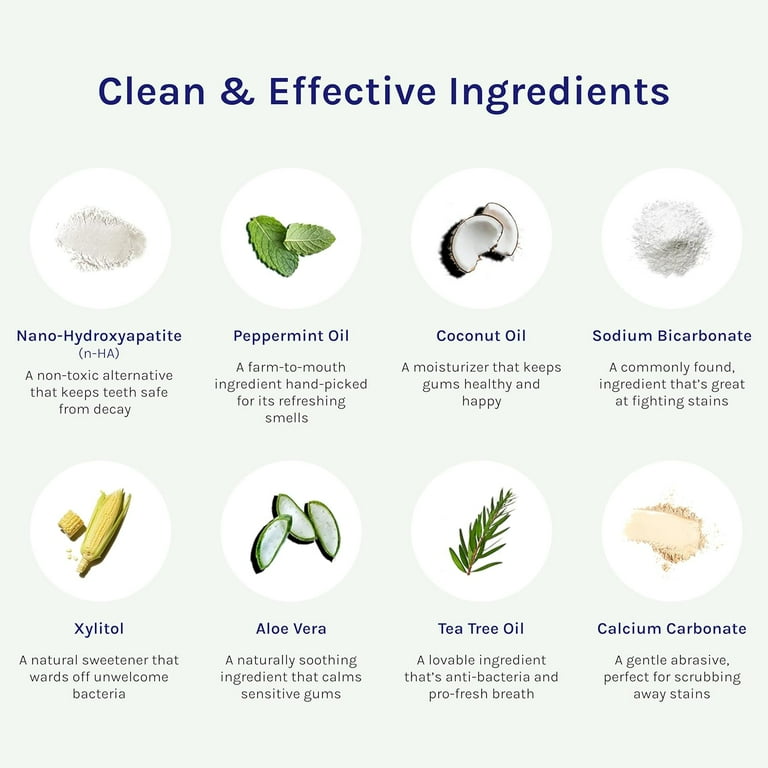
Credit: www.walmart.com

Credit: grinnatural.com
Frequently Asked Questions
What Are The Ingredients In Hydroxyapatite?
Hydroxyapatite primarily consists of calcium, phosphate, and hydroxide ions. It is a naturally occurring mineral form of calcium apatite, often found in bones and teeth, providing strength and structure. Its chemical formula is Ca5(PO4)3(OH), highlighting its composition of calcium, phosphate, and hydroxide components.
Why Don’t Dentists Recommend Hydroxyapatite?
Dentists may not recommend hydroxyapatite due to limited research on its long-term effectiveness compared to fluoride. Some professionals prefer fluoride, which has extensive studies supporting its benefits for dental health. Hydroxyapatite is gaining popularity, but more clinical trials are needed to fully endorse it as a fluoride alternative.
Why Was Hydroxyapatite Banned?
Hydroxyapatite was not banned. It is a naturally occurring mineral often used in dental products for enamel repair. Some misconceptions may arise due to specific regulations in certain countries. Always check local guidelines and consult professionals for accurate information.
What Are The Downsides Of Hydroxyapatite?
Hydroxyapatite can be less effective for severe dental issues and may not bond well with certain materials. It might not provide immediate whitening effects compared to other products. Sensitivity reduction might take time. Some formulations could be expensive. Always consult a dentist before use for personalized advice.
Conclusion
Hydroxyapatite plays a key role in oral health. It’s a natural compound. Found in bones and teeth, it strengthens and protects. Many toothpaste brands include it for its benefits. Users report reduced sensitivity and stronger enamel. This mineral supports overall dental wellness.
Consider it when choosing dental care products. It’s a simple choice for better oral hygiene. Always consult your dentist for advice. A healthy smile starts with informed decisions. Embrace the power of science in everyday care. Hydroxyapatite offers a trusted solution for maintaining bright, strong teeth.