
Imagine a world where your skin feels plump, hydrated, and youthful every single day. Sounds like a dream, right?
But what if I told you that the secret ingredient to achieving this is already within your reach? Hyaluronic acid is more than just a buzzword in the beauty industry; it’s a game-changer for anyone looking to elevate their skincare routine.
Your skin’s best friend, this powerhouse ingredient, can transform how you feel about your complexion. Ready to unlock the secrets of hyaluronic acid and discover why your skincare shelf is incomplete without it? Let’s dive into the wonders it holds for your skin.
What Is Hyaluronic Acid?
Hyaluronic acid has become a popular ingredient in skincare. But what exactly is it? At its core, hyaluronic acid is a substance found naturally in the human body. It plays a key role in maintaining skin moisture and elasticity. This acid can hold up to 1,000 times its weight in water. This makes it a powerful hydrating agent. Let’s dive deeper into this fascinating ingredient.
Understanding The Basics
Hyaluronic acid is a type of sugar molecule. It’s known as a glycosaminoglycan. This molecule is found in connective tissues. It is present in skin, eyes, and joints. Its primary job is to retain water. This helps keep tissues well-lubricated and moist.
Natural Production In The Body
The body naturally produces hyaluronic acid. It generates around 15 grams daily. The largest amounts are found in the skin. But production decreases with age. This reduction can lead to dry skin and wrinkles.
Role In Skincare
Hyaluronic acid is a favorite in skincare products. It attracts moisture to the skin. This helps keep the skin hydrated and plump. Many creams and serums include it for this reason. It suits all skin types, even sensitive ones.
Benefits Beyond Skin
Besides skincare, hyaluronic acid benefits joints. It acts as a lubricant in joint tissues. This helps reduce pain and discomfort. It’s also found in eye drops. These drops relieve dry eyes by increasing moisture.

Credit: www.heydayskincare.com
Natural Occurrence
Hyaluronic acid is a buzzword in skincare, but did you know it’s naturally present in your body? This incredible molecule is a staple in your skin, eyes, and connective tissues. It plays a crucial role in maintaining moisture and keeping your skin plump and hydrated.
Natural Occurrence In The Body
Your body produces hyaluronic acid, with the highest concentrations found in your skin. It acts as a moisture magnet, drawing water into your cells, which helps keep your skin soft and smooth. Have you ever noticed how your skin looks after a good night’s sleep? That’s hyaluronic acid in action, maintaining hydration levels overnight.
Role In Skin Health
Hyaluronic acid is not just a hydration hero; it also supports skin repair. If you’ve ever had a minor cut or scrape heal quickly, thank hyaluronic acid. It aids in tissue regeneration, speeding up the healing process. Imagine having a built-in skincare expert working tirelessly to keep your skin healthy.
Impact On Joint Function
This molecule doesn’t only benefit your skin. It’s a vital component of synovial fluid in your joints, providing lubrication. If you’ve experienced joint stiffness after a long day, hyaluronic acid helps ease that discomfort. Its cushioning effect ensures smooth movement, making it essential for active lifestyles.
Presence In Eyes
Hyaluronic acid is also abundant in your eyes, maintaining their moisture. Ever wondered why your eyes can stay hydrated even after hours of screen time? This molecule keeps your eyes moist, reducing irritation and fatigue. It’s like having a natural eye drop that works 24/7.
Understanding the natural occurrence of hyaluronic acid in your body is fascinating. It raises an important question: Are you taking care of your skin and joints enough to support these natural processes? Incorporating products with hyaluronic acid could be a game-changer for your skincare routine, amplifying what your body already does so well.
Skin Benefits
Hyaluronic acid provides essential hydration, keeping skin plump and smooth. It enhances moisture retention, reducing fine lines and dryness. This ingredient suits all skin types, offering a youthful glow with regular use.
Hyaluronic acid has taken the skincare world by storm, and for good reason. This powerhouse ingredient offers a myriad of benefits for your skin, making it a staple in many beauty routines. Whether you’re looking to hydrate, combat signs of aging, or heal your skin, hyaluronic acid delivers impressive results.Hydration Power
Hyaluronic acid is a hydration hero. It can hold up to 1,000 times its weight in water, making it a potent moisturizer for your skin. Imagine how your skin feels after a long day in the sun—dry and tight. Applying a product with hyaluronic acid can help replenish that lost moisture, leaving your skin soft and supple. Have you ever noticed how plump and dewy your skin looks after using a good moisturizer? That’s the magic of hyaluronic acid at work. It draws moisture from the air into your skin, providing a natural, healthy glow.Anti-aging Effects
If you’re concerned about wrinkles and fine lines, hyaluronic acid can be your best friend. Its ability to retain moisture helps your skin maintain its elasticity. When skin is well-hydrated, it appears smoother and more youthful. Think about the difference between a plump grape and a raisin. The grape’s smooth surface is thanks to its hydration, while the raisin, lacking moisture, is wrinkled. Hyaluronic acid helps your skin stay more like the grape.Healing Properties
Dealing with irritation or minor wounds? Hyaluronic acid could be the gentle solution you need. It helps speed up the healing process by regulating inflammation levels and signaling your skin to rebuild itself. After a day of outdoor activities, I noticed a few small cuts and some redness on my skin. A serum with hyaluronic acid not only soothed the irritation but also helped the cuts heal faster. It’s an excellent addition to your skincare arsenal, especially if you have sensitive skin. Have you ever wondered how a single ingredient can offer so many benefits? Hyaluronic acid’s versatility makes it a must-have for anyone looking to improve their skin health. Which of these benefits would you like to see in your skincare routine?Types Of Hyaluronic Acid
Hyaluronic acid is a popular ingredient in skincare products. It hydrates and plumps the skin. But did you know there are different types? Each type has unique benefits for your skin.
High Molecular Weight
High molecular weight hyaluronic acid sits on the skin’s surface. It forms a barrier and prevents moisture loss. This type is ideal for keeping the skin hydrated. It provides a smooth, soft feel without penetrating deeply.
Low Molecular Weight
Low molecular weight hyaluronic acid penetrates deeper into the skin layers. It reaches where moisture is needed most. This type helps improve skin elasticity. It reduces fine lines and wrinkles by hydrating deeper layers.
Cross-linked Hyaluronic Acid
Cross-linked hyaluronic acid is modified for stability. It lasts longer in skincare formulations. This type offers extended hydration. It keeps the skin moist and supple for longer periods. Perfect for long-lasting skincare benefits.
How To Use
Hyaluronic acid has become a skincare sensation, and for good reason. It’s a moisture magnet, drawing water into the skin to keep it plump and hydrated. But knowing how to use it effectively is key to reaping its benefits. Let’s dive into how you can integrate this powerhouse ingredient into your daily skincare routine.
Serums And Moisturizers
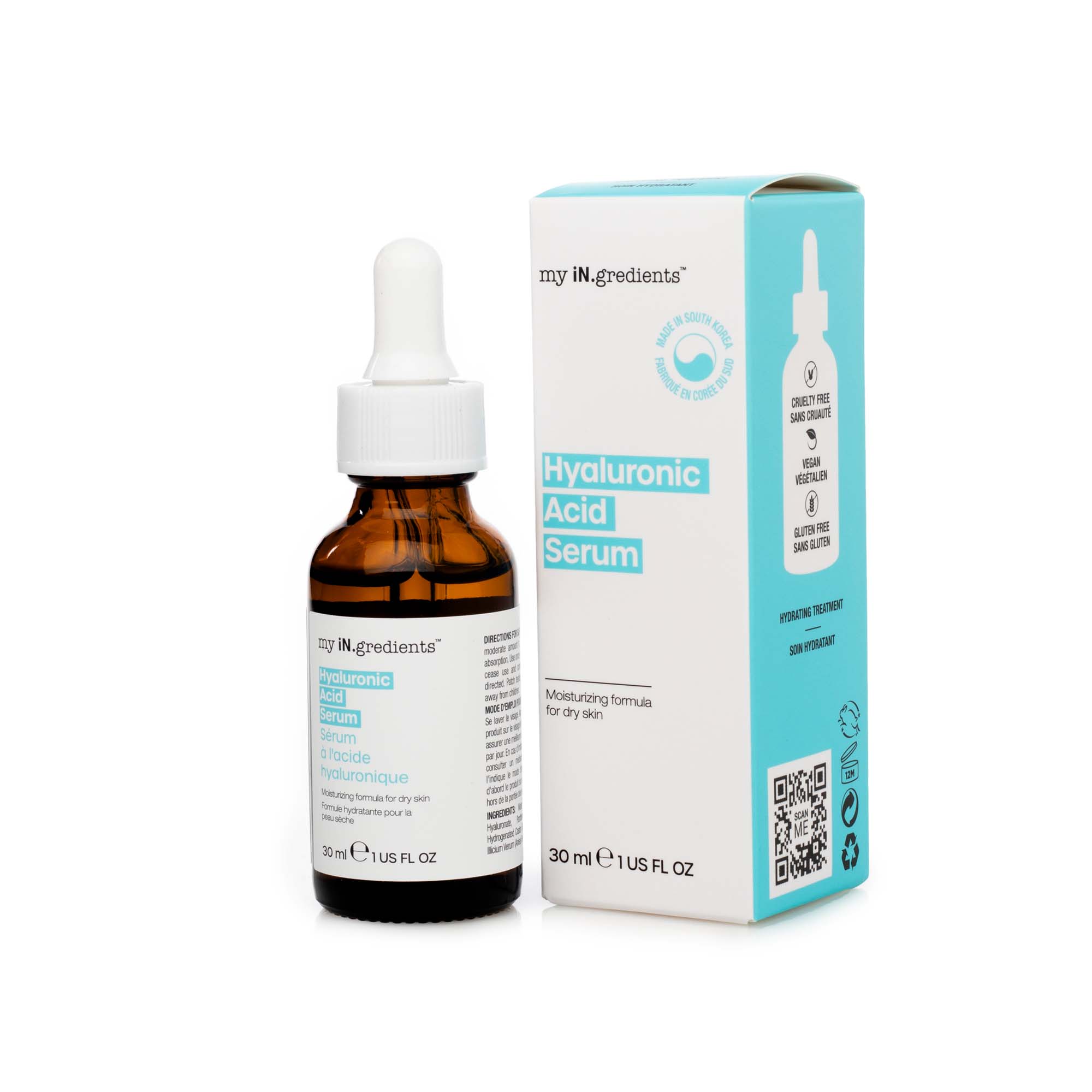
Serums are an excellent way to deliver hyaluronic acid directly to your skin. After cleansing, apply a few drops of serum to your fingertips. Gently press it into your face and neck, allowing it to absorb. Follow with your favorite moisturizer to lock in the hydration.
Moisturizers infused with hyaluronic acid can be used both morning and night. They complement serums perfectly, creating a moisture barrier that keeps your skin supple. Choose a lightweight formula for daytime use, and a richer cream for nighttime for maximum hydration.
Incorporating Into Routine
Consistency is key when using hyaluronic acid. Make it a habit to apply it daily for the best results. You might wonder, how does it fit into your existing routine? It’s simple. Use it right after cleansing and toning, and before any heavier creams or oils.
If you’re new to hyaluronic acid, start with once daily application. Observe how your skin responds and adjust accordingly. Have you ever felt your skin tight after washing? Hyaluronic acid can alleviate that discomfort, offering instant relief.
Consider your environment when using hyaluronic acid. In dry climates, pairing it with a humidifier can enhance its effects. Is your skin feeling extra dry in winter? Amp up your routine with hyaluronic acid to combat seasonal dryness.
Incorporating hyaluronic acid is straightforward and effective. Are you ready to see your skin transform with consistent use? Dive in and make hyaluronic acid a staple in your skincare lineup.

Credit: www.themancompany.com
Potential Side Effects
Hyaluronic acid is generally safe, but some may experience redness or itching. Sensitive skin can react with minor irritation. Always perform a patch test to avoid unexpected reactions.
When considering adding hyaluronic acid to your skincare routine, it’s important to understand the potential side effects. While many users rave about its hydrating benefits, it’s not without its drawbacks. Knowing what to look out for can help you make informed decisions and enjoy the benefits without the hassle. ###1. skin Irritation
Some people experience skin irritation when they first start using hyaluronic acid. This might show up as redness, itching, or a mild rash. If you notice any of these symptoms, it might be best to reduce usage or consult with a dermatologist. ###2. allergic Reactions
Although rare, allergic reactions can occur. Symptoms might include swelling, severe itching, or a burning sensation. Always patch test a new product on a small area of your skin before full application. ###3. dryness In Low Humidity
Hyaluronic acid works by attracting moisture, but in low humidity environments, it might draw moisture from your skin instead. This can lead to unexpected dryness. Consider applying a moisturizer on top to lock in hydration. ###4. breakouts
Some users report breakouts after starting hyaluronic acid. This might be due to the formulation of the product rather than the ingredient itself. Keep an eye on your skin’s reaction and adjust your routine as needed. ###5. sensitivity To Other Ingredients
Hyaluronic acid is often combined with other active ingredients. Sometimes these combinations can cause sensitivity. Always read product labels and ensure you’re not layering too many active ingredients at once. ###6. is It Right For You?
Consider your skin type and concerns when deciding to use hyaluronic acid. Does your skin easily react to new products? If yes, proceed with caution and monitor your skin’s response closely. Always prioritize what works best for your unique skin needs.Hyaluronic Acid In Cosmetic Procedures
Hyaluronic acid plays a key role in cosmetic procedures. This natural substance is known for its moisture-retaining properties. It helps keep skin looking youthful and fresh. Many professionals use it to enhance the skin’s appearance. Let’s explore two popular cosmetic procedures that utilize hyaluronic acid.
Dermal Fillers
Dermal fillers often contain hyaluronic acid. These fillers help smooth wrinkles and add volume to the skin. By injecting hyaluronic acid, skin appears fuller and firmer. The treatment is quick and minimally invasive. Results can last several months, making it a preferred choice for many.
Microneedling
Microneedling combined with hyaluronic acid boosts skin rejuvenation. Tiny needles create micro-injuries in the skin. This process encourages collagen production. Applying hyaluronic acid during microneedling enhances hydration. Skin becomes smoother and more radiant. Many find this procedure effective for reducing fine lines and scars.
Choosing The Right Product
Choosing the right hyaluronic acid product can be challenging. With many options available, finding the perfect match is crucial. Hyaluronic acid is a popular ingredient for skincare enthusiasts. It offers hydration and plumps the skin. But not all products are the same. Understanding what to look for helps in making an informed choice.
Factors To Consider
Consider your skin type before picking a product. Dry skin needs more hydration. Oily skin benefits from lightweight formulas. Sensitive skin requires gentle ingredients. Check the concentration of hyaluronic acid. Higher concentrations may offer better results. Look for additional ingredients. Some products include vitamins or antioxidants. These can enhance the benefits.
Evaluate the form of the product. Serums are often more concentrated. Creams provide additional moisture. Gels suit oily skin types. Assess your budget. Quality products vary in price. Read reviews from other users. Their experiences can guide your decision.
Popular Brands
Several brands offer quality hyaluronic acid products. The Ordinary is known for its affordable options. Neutrogena provides trusted skincare solutions. Vichy offers luxurious formulations. La Roche-Posay caters to sensitive skin needs. CeraVe integrates hyaluronic acid in its hydrating range.
Each brand has its unique selling points. Research their offerings to find what suits you. Choose products that align with your skincare goals. Aim for those with positive customer feedback. This approach helps in selecting effective products.
Future Of Hyaluronic Acid
The future of hyaluronic acid looks promising in skincare and beyond. As research advances, its applications expand in various fields. This versatile molecule is gaining attention for its potential benefits. From skincare products to medical treatments, hyaluronic acid is paving the way for innovation.
1. Advancements In Skincare Products
Hyaluronic acid is a key ingredient in skincare. It helps retain moisture, keeping skin hydrated. New formulations aim to enhance its effectiveness. Scientists are exploring nano-sized particles for better absorption. This could lead to more efficient skincare solutions.
2. Medical Applications And Treatments
Hyaluronic acid is used in medical treatments too. Doctors use it in joint injections to relieve pain. It acts as a lubricant in joints, easing movement. Researchers are studying its role in wound healing. This could benefit patients with chronic wounds.
3. Innovations In Cosmetic Procedures
Cosmetic procedures benefit from hyaluronic acid as well. Dermal fillers use it to reduce wrinkles. It adds volume to the skin, smoothing lines. The future might bring new techniques using hyaluronic acid. These could offer longer-lasting results.
4. Environmental And Ethical Considerations
Future production focuses on sustainability. Scientists seek eco-friendly methods to produce hyaluronic acid. This includes using plant-based sources. Ethical considerations also play a role. Ensuring humane practices in production is important.
Credit: masque.bar
Frequently Asked Questions
What Is Hyaluronic Acid Used For?
Hyaluronic acid is used primarily for skin hydration and anti-aging. It helps retain moisture in the skin, making it look plump and youthful. It’s also effective in reducing the appearance of fine lines and wrinkles, and is often found in skincare products like serums and creams.
How Does Hyaluronic Acid Benefit The Skin?
Hyaluronic acid benefits the skin by boosting hydration levels and improving elasticity. It attracts water, keeping your skin moisturized and supple. This can lead to a smoother texture and reduced fine lines. Additionally, it supports skin barrier function, helping protect against environmental damage.
Is Hyaluronic Acid Safe For All Skin Types?
Yes, hyaluronic acid is generally safe for all skin types, including sensitive skin. It is non-irritating and lightweight, making it suitable for use in various skincare products. It can be beneficial for dry, oily, or combination skin, providing hydration without clogging pores or causing breakouts.
Can Hyaluronic Acid Cause Side Effects?
Hyaluronic acid typically has minimal side effects. Some individuals might experience mild irritation or redness. It is rare but possible to have allergic reactions. Always do a patch test before applying new skincare products. Consult a dermatologist if you have concerns about its use.
Conclusion
Hyaluronic acid offers great benefits for skin health and hydration. It helps keep skin moisturized and smooth. Many skincare products include it for this reason. This ingredient suits most skin types, making it versatile. Regular use can enhance your skin’s appearance.
Consider adding it to your skincare routine for better results. Always check with a dermatologist if unsure. They can guide you based on your skin needs. Explore products with hyaluronic acid and see its effects. Your skin might thank you for the extra care.