
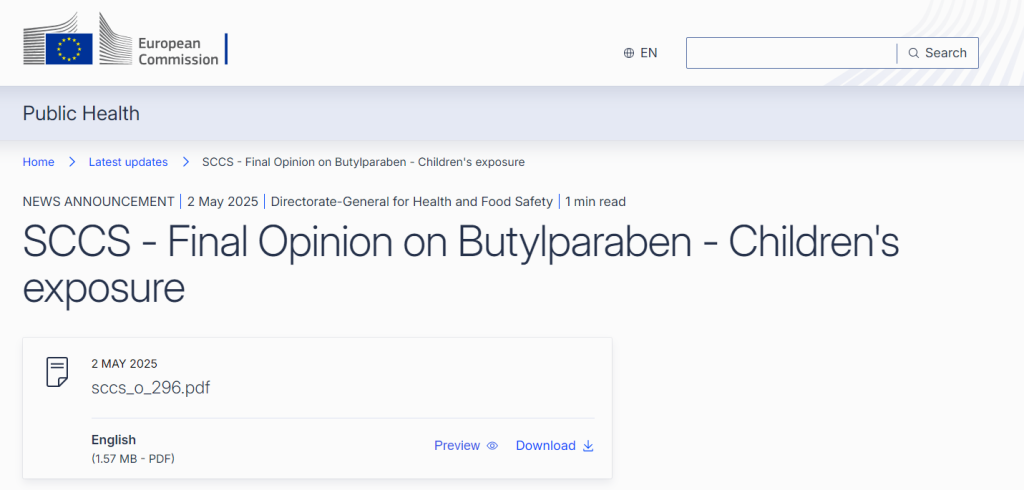
Imagine you’re standing in the skincare aisle, surrounded by countless products promising youthful skin and radiant glow. You scan the labels and notice a recurring ingredient: butylparaben.
What is butylparaben, and why is it in so many of your favorite beauty products? As you delve deeper into understanding this mysterious ingredient, you’ll discover how it plays a crucial role in preserving the quality and safety of your skincare essentials.
But there’s more to butylparaben than meets the eye. Are you curious about its benefits, its controversies, and what it really means for your beauty routine? Stay with us as we unravel the truth behind butylparaben, helping you make informed decisions about what you apply to your skin. Your curiosity could change the way you perceive beauty products forever.
What Is Butylparaben
Butylparaben is a common preservative in cosmetics and personal care items. It helps extend the shelf life of products by preventing the growth of harmful microbes. Despite its widespread use, some consumers express concerns about its safety. Understanding Butylparaben can help make informed choices about products.
What Is Butylparaben?
Butylparaben belongs to the paraben family of preservatives. It is often found in lotions, creams, and shampoos. Its primary role is to inhibit bacteria and mold in products. This keeps them safe to use over time. Without preservatives, products may spoil quickly. This could lead to skin irritation or infections.
How Does Butylparaben Work?
Butylparaben interferes with the growth of microorganisms. It alters the cell walls of bacteria and fungi. This prevents them from reproducing. As a result, the shelf life of products is extended. This makes it easier for manufacturers to distribute products worldwide.
Where Is Butylparaben Commonly Found?
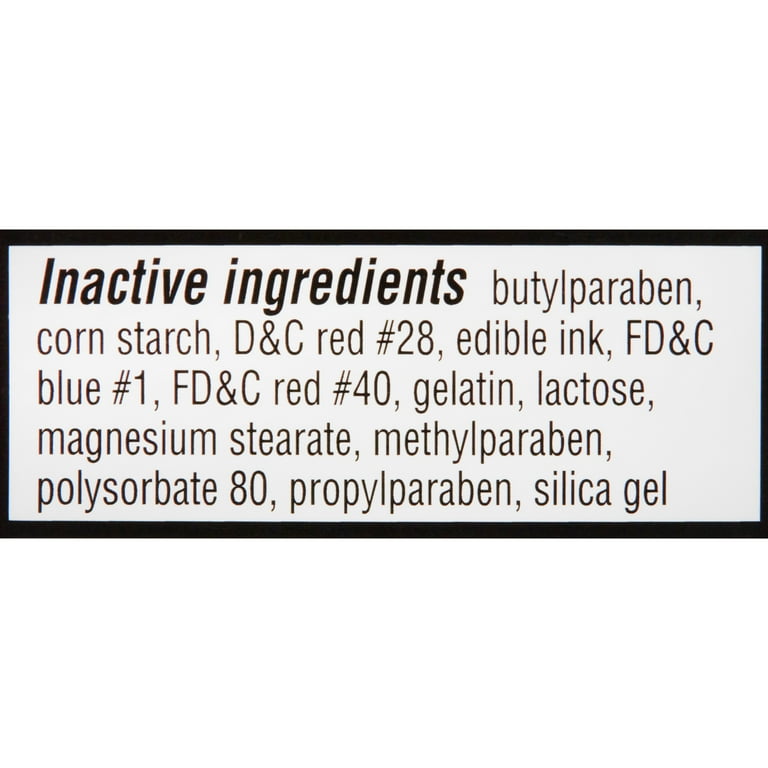
Butylparaben is in many beauty and hygiene products. These include moisturizers, shampoos, and deodorants. It is also used in some food items and medications. Its role in these products is to maintain freshness and efficacy.
Why Do Manufacturers Use Butylparaben?
Manufacturers use Butylparaben for its effective preservative qualities. It is cost-effective and enhances product longevity. This reduces waste and increases customer satisfaction. Products stay fresh and safe for longer periods.

Credit: sinofoodsupply.com
Uses In Cosmetics
Butylparaben is a popular ingredient in cosmetics. It’s known for its preservative properties. This compound helps extend the shelf life of beauty products. It keeps bacteria and mold at bay. Butylparaben is used in many cosmetic formulations. From skincare to haircare, its presence is significant. Let’s explore its uses in cosmetics.
Common Products
You’ll find butylparaben in lotions and creams. It’s often in shampoos and conditioners too. Makeup products like foundations and powders use it. Even in sunscreens, butylparaben plays a role. Its widespread use is due to its effectiveness. It ensures products stay fresh for longer.
Purpose In Formulations
Butylparaben acts as a preservative. It prevents microbial growth in products. This keeps them safe and usable. Without preservatives, cosmetics can spoil quickly. Butylparaben helps maintain product integrity. It ensures stability and safety. This makes it a vital component in many formulations.
Safety And Health Concerns
Understanding the safety and health concerns surrounding ingredients in personal care products is crucial. Butylparaben, a common preservative, often sparks conversations about its safety profile. Let’s dive into the details to help you make informed choices.
Regulatory Status
Butylparaben is approved by several health authorities worldwide. The FDA and the European Commission have set limits on its concentration in products. This regulation ensures that you use products with safe levels of butylparaben. However, guidelines can vary by region, so always check local regulations.
Despite approval, some countries are re-evaluating the use of parabens. This reevaluation stems from ongoing research. It’s a reminder that scientific understanding evolves, impacting ingredient safety standards.
Potential Risks
Butylparaben has faced scrutiny over potential health risks. Some studies suggest links to hormonal disruptions. This can be concerning, especially for products you use daily.
Skin irritation is another risk, particularly for sensitive skin. If you notice redness or itchiness after using a product, consider the ingredients. It’s essential to pay attention to how your skin reacts.
Are the potential risks worth the benefits? That’s a question to ponder as you choose personal care products. Making informed choices means weighing safety concerns against product effectiveness.
Credit: www.walmart.com
Environmental Impact
Butylparaben is a common ingredient in cosmetics and pharmaceuticals. It serves as a preservative to prevent mold and bacteria. Although useful, it can impact the environment in various ways. Understanding its effects helps us make informed choices.
Biodegradability
Butylparaben’s biodegradability is a concern for environmentalists. It breaks down slowly in nature. This slow degradation means it can linger in ecosystems. Accumulation in soil and water can affect natural processes. Scientists study ways to enhance its breakdown in the environment.
Effects On Wildlife
Butylparaben can affect wildlife in aquatic systems. Fish and amphibians are particularly vulnerable to this chemical. It may disrupt their hormonal systems, leading to reproductive issues. Even low concentrations can impact the health of these creatures. Protecting wildlife requires understanding these subtle effects.
Alternatives To Butylparaben
Butylparaben has been a popular preservative in cosmetics and skincare products. However, with growing concerns about its safety, many are seeking alternatives. Whether you’re formulating products or simply looking for safer options, understanding these alternatives can be a game changer. Let’s dive into some options that might be perfect for your needs.
Natural Preservatives
Natural preservatives are gaining traction for their safety and effectiveness. Have you considered using essential oils like tea tree or rosemary? They not only preserve but also add a pleasant aroma.
Another option is grapefruit seed extract. It’s an excellent antimicrobial agent and is easy to find. Plus, it offers antioxidant benefits.
Honey is another surprising contender. It’s not just for sweetening your tea. Its natural antibacterial properties make it a viable preservative for skincare products. Wouldn’t it be great to have a product that smells as sweet as it is effective?
Synthetic Options
If natural options don’t fit your needs, there are synthetic alternatives. Phenoxyethanol is a common choice. It’s widely used and considered safe for most applications.
Sodium benzoate is another synthetic preservative. It’s effective and has been thoroughly tested. It’s often used in food, which speaks to its safety.
Some manufacturers opt for ethylhexylglycerin. It’s less controversial than parabens and works well in tandem with other preservatives. Could this be the synthetic alternative you’re looking for?
In finding alternatives to butylparaben, you have plenty of choices. Which one aligns with your values and needs? The switch might be simpler and more beneficial than you think.
Consumer Awareness
Ingredient awareness helps consumers understand butylparaben, a common preservative in cosmetics. Knowing its safety profile aids informed choices. The ingredient prevents mold and bacteria, extending product shelf life.
Consumer Awareness In today’s world, being informed about the ingredients in our cosmetics and personal care products is crucial. One such ingredient that has sparked discussions is butylparaben. Understanding this preservative and its impact on our health can empower you to make better choices for your skincare routine. ###Reading Labels
The first step to becoming a savvy consumer is mastering the art of reading product labels. When you pick up a bottle of lotion or shampoo, take a moment to scan the ingredient list. Butylparaben might be listed among other parabens, often near the end of the list due to its small concentration. Recognizing these ingredients can help you make an informed decision about what you apply to your skin. Have you ever found a product you loved, only to discover it contained something you prefer to avoid? This is why label reading is essential. Consider keeping a list of ingredients you want to avoid handy while shopping. This way, you can quickly verify whether a product aligns with your preferences. It’s a small step, but it can have a big impact on your peace of mind. ###Choosing Paraben-free Products
If you decide to steer clear of butylparaben, you’re not alone. Many people are opting for paraben-free products. This choice often stems from a desire to minimize exposure to synthetic preservatives. Luckily, the market is responding to this demand with a plethora of paraben-free options. You might find that some of your favorite brands already offer paraben-free lines. Discovering these alternatives can be both exciting and reassuring. Next time you shop, look for labels that specifically state “paraben-free.” These products can provide peace of mind, knowing they align with your skincare goals. Have you ever tried switching to a paraben-free product and noticed a difference in your skin? Share your experiences and encourage others to explore their options.
Credit: www.dreamstime.com
Frequently Asked Questions
Is Butylparaben An Endocrine Disruptor?
Butylparaben is considered a potential endocrine disruptor. It can mimic estrogen and interfere with hormone function. Studies suggest a connection to reproductive and developmental issues. Regulatory bodies monitor its use in cosmetics and personal care products. Always check product labels and consult experts for safety information.
What Is The Use Of Butylparaben?
Butylparaben is used as a preservative in cosmetics and personal care products. It prevents the growth of harmful bacteria and mold. This helps extend the shelf life of products like lotions, shampoos, and creams. It’s effective and widely used due to its stability and low cost.
Are Propyl Parabens Good Or Bad?
Propyl parabens are preservatives used in cosmetics and foods. Some concerns exist about their potential health risks. Studies suggest they may disrupt hormones, but more research is needed. Regulatory agencies generally consider them safe at low levels. Consumers should weigh benefits and risks when choosing products containing propyl parabens.
What Is Another Name For Butylparaben?
Butylparaben is also known as butyl p-hydroxybenzoate. It’s a common preservative used in cosmetics and personal care products. This ingredient helps prevent mold, bacteria, and yeast growth, ensuring product safety and longevity. It’s crucial to check labels if you have sensitivity concerns.
Conclusion
Butylparaben serves as a common preservative in cosmetics. It helps extend shelf life. Many products use it to prevent mold and bacteria. Yet, some worry about potential health risks. Studies continue to explore its safety. Always check labels for butylparaben.
Consider personal skin sensitivities when choosing products. Understand what goes onto your skin. Awareness empowers better decisions. Seek expert advice if unsure. Choose wisely for your skin’s health. Balance benefits with concerns. A little knowledge goes a long way. Make informed choices about cosmetic ingredients.
Your skin deserves the best care possible.