
Have you ever wondered what gives meringues their perfect fluff or how certain skincare products achieve their silky texture? The answer might surprise you: albumin.
This fascinating ingredient is often overlooked, yet it plays a crucial role in both culinary and cosmetic worlds. Imagine unlocking the secrets behind more delectable dishes and enhanced beauty routines. By understanding albumin’s properties and uses, you can elevate your cooking and skincare game to new heights.
Your curiosity is about to be rewarded, as we delve into the surprising versatility and benefits of albumin. Keep reading to discover how this humble ingredient might just transform your daily life.
What Is Albumin?
Albumin, a protein found in blood plasma, plays a crucial role in maintaining fluid balance and transporting nutrients. In food and pharmaceuticals, it’s used as a binding agent and stabilizer, ensuring product consistency. This versatile ingredient is essential for various biological and industrial applications.
The Science Behind Albumin
Albumin is made up of amino acids, the building blocks of proteins. It’s a versatile protein due to its unique structure, allowing it to bind to different molecules. This binding ability makes it essential for nutrient transport. In your body, albumin levels can tell a lot about your health. Low levels might indicate liver or kidney issues, while high levels can reflect dehydration. Regular blood tests often measure albumin to give a snapshot of your health.Albumin In Everyday Life
You might not realize it, but albumin plays a role in your kitchen too. Ever tried making meringue for a pie? Egg whites contain albumin, which helps them whip into those fluffy peaks. It’s the secret behind the perfect meringue. Beyond cooking, albumin is used in the medical field. It’s a component of intravenous therapy, helping treat conditions like shock or burns. Albumin-based drugs are also being explored for treating various diseases, showcasing its wide-ranging potential.Why Should You Care About Albumin?
You might wonder why albumin matters to you. Well, understanding albumin can help you appreciate the complex functions of your body. Next time you have a blood test, consider how albumin levels reflect your health. Plus, if you love cooking, knowing about albumin can elevate your culinary skills. You’ll understand why eggs behave the way they do in recipes, giving you an edge in the kitchen. So, have you thought about albumin’s role in your life? Whether it’s boosting your health insights or enhancing your cooking, albumin is more than just a protein—it’s an integral part of your world.Sources Of Albumin
Albumin, a vital protein, plays an essential role in maintaining your body’s health. You might wonder where it comes from and how you can include it in your diet. Let’s dive into the different sources of albumin, exploring both animal-derived and plant-based alternatives.
Animal-derived Albumin
Animal-derived albumin is commonly found in eggs, particularly in egg whites. Have you ever cracked an egg and noticed the clear liquid surrounding the yolk? That’s albumin, packed with protein benefits. Including eggs in your breakfast can be a great way to start your day with a protein boost.
Another source is milk. Milk contains albumin, which contributes to its nutritional value. Drinking a glass of milk or adding it to your cereal can easily enhance your protein intake. Plus, milk is versatile and can be used in various recipes.
Meat, particularly beef and chicken, also contains albumin. If you’re a meat lover, grilling a steak or cooking chicken breast provides albumin along with other essential nutrients. How do you prefer your steak: rare, medium, or well-done?
Plant-based Alternatives
For those seeking plant-based options, certain legumes like beans and lentils offer albumin. These are excellent for vegetarians and vegans aiming for protein-rich diets. Imagine a hearty lentil soup warming you up on a chilly day.
Quinoa, a popular superfood, is another plant-based source of albumin. It can be used as a base for salads or served as a side dish. Quinoa’s nutty flavor and texture make it a delightful addition to meals.
Nuts and seeds, such as almonds and sunflower seeds, also contain albumin. Snacking on a handful of almonds or sprinkling sunflower seeds over your salad can be an easy way to increase your protein intake. What’s your favorite nut to snack on?
With such diverse sources of albumin available, both animal-derived and plant-based, you have plenty of options to enrich your diet. Which source aligns best with your lifestyle? Consider experimenting with these foods to discover new favorite dishes and boost your protein intake.
Role In The Human Body
Albumin plays a crucial role in the human body. It is a protein found in blood plasma. It helps maintain essential functions for survival. Understanding its role can help appreciate its importance in our health.
Blood Circulation
Albumin is vital for proper blood circulation. It helps maintain blood pressure by holding fluid in the bloodstream. This ensures a steady flow of blood throughout the body. Without albumin, blood vessels could not function correctly. It keeps the circulatory system stable and efficient.
Nutrient Transport
Nutrient transport is another key role of albumin. This protein binds with nutrients and hormones in the blood. It carries them to different parts of the body. These include vitamins, minerals, and hormones. Efficient transport is necessary for body functions and health.
Fluid Balance
Albumin also helps maintain fluid balance in the body. It prevents fluids from leaking out of blood vessels. By doing so, it ensures tissues receive enough nutrients and oxygen. This balance is crucial for avoiding swelling and maintaining health.
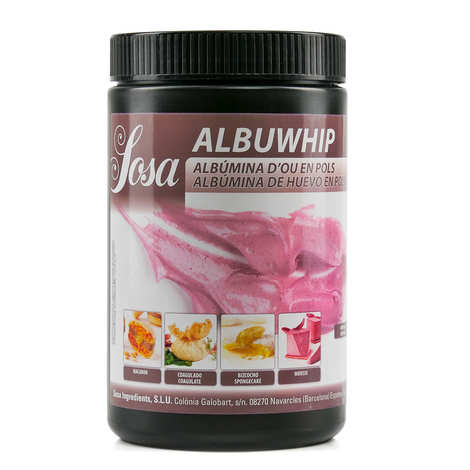
Credit: www.bienmanger.com
Albumin In Food Products
Albumin plays a crucial role in various foods. It’s a protein found in many animal and plant sources. Its properties help in binding, foaming, and emulsifying. These functions make it valuable in food processing and preparation. Understanding albumin’s role is key for health-conscious consumers.
Common Foods Containing Albumin
Eggs are a primary source of albumin. The egg white, in particular, is rich in it. Dairy products like milk and cheese also contain albumin. Meat sources, such as beef and chicken, have this protein too. Some plant-based foods contain albumin, but in smaller amounts. For example, seeds and certain grains.
Labeling And Dietary Considerations
Food labels often list albumin under protein content. It’s crucial for those with allergies to check labels. Some may have egg or dairy allergies. Vegans might avoid animal-derived albumin. Reading labels helps ensure dietary preferences and restrictions are met.
Understanding albumin content supports informed food choices. It can aid in maintaining a balanced diet. Be mindful of how this protein fits into your dietary needs.
Medical Uses Of Albumin
Albumin plays a crucial role in medical treatments, especially in managing blood volume and pressure. It helps in treating conditions like shock, burns, and liver disease. This protein also supports drug delivery in the body, enhancing effectiveness.
Medical Uses of Albumin Albumin is more than just a protein found in eggs; it plays a crucial role in medicine. With its ability to bind to various substances, albumin is a versatile tool for healthcare professionals. But how exactly is it used in the medical field?Therapeutic Applications
Albumin is often used in treating serious health conditions. For patients with liver disease or kidney failure, albumin helps maintain proper fluid balance in the body. It’s also life-saving in cases of severe burns or shock, where it restores blood volume quickly. Doctors rely on albumin to manage hypoalbuminemia, a condition where albumin levels are dangerously low. This treatment can prevent complications like fluid accumulation in the abdomen. Have you ever wondered how a simple protein can make such a difference in critical care?Albumin In Drug Formulations
Albumin is not just for direct treatment; it’s a key player in drug formulations. It acts as a carrier for drugs, ensuring they reach their target effectively. This is particularly useful for medications that are unstable or poorly soluble in water. By binding to drugs, albumin extends their half-life in the bloodstream. This means fewer doses are needed, which can improve patient compliance. Imagine a world where your medication schedule fits seamlessly into your lifestyle. Next time you hear about albumin, remember its impressive role in medicine. Whether it’s saving lives in an emergency or enhancing drug delivery, albumin proves itself indispensable time and again. What other simple substances might hold the power to transform healthcare?Industrial Applications
Albumin is widely used in industrial applications due to its binding and emulsifying properties. Its versatility enhances products in food, pharmaceuticals, and cosmetics by improving texture and stability. This protein also plays a crucial role in biotechnological processes, aiding in drug delivery and tissue engineering.
Industrial applications of albumin are vast and varied, showcasing its versatility across numerous sectors. This protein, naturally found in egg whites and human blood, has become a powerhouse ingredient due to its binding, emulsifying, and stabilizing properties. As industries increasingly seek sustainable and efficient solutions, albumin’s role is becoming more prominent.Albumin In Biotechnology
Albumin plays a crucial role in biotechnology, often serving as a stabilizer for enzymes and vaccines. Its ability to bind with various molecules makes it an excellent carrier for drug delivery systems. Imagine the potential benefits—enhancing the effectiveness of medications while reducing side effects. Researchers continually find innovative ways to utilize albumin in this field. It even assists in cell culture media, providing essential nutrients for cell growth. Have you ever wondered how such a simple protein can support complex biological processes?Cosmetic And Personal Care Products
In cosmetics, albumin is treasured for its skin-tightening and smoothing effects. It’s often featured in facial masks and anti-aging creams, promising a youthful glow. You might have noticed the immediate firming effect after applying a face mask containing albumin. Beyond skincare, albumin finds its way into hair care products, helping to strengthen and volumize your locks. This protein’s ability to bind moisture can transform dry, brittle hair into soft, lustrous strands. Next time you check the ingredient list on your favorite products, will albumin be there? Albumin’s industrial applications are a testament to its adaptability and value. Whether enhancing biotechnology or elevating personal care products, this protein continues to impact and innovate. How might albumin shape future developments in these industries?Potential Health Implications
Albumin, a versatile protein, plays a crucial role in health. It’s found in egg whites, blood plasma, and other sources. Understanding its health implications is vital for informed dietary choices. Let’s delve into some potential concerns and benefits.
Allergic Reactions
Albumin can trigger allergic reactions in sensitive individuals. Common symptoms include itching, hives, and swelling. Some people may experience breathing difficulties or gastrointestinal issues. It’s important to monitor reactions to albumin-rich foods. Seek medical advice if symptoms occur.
Nutritional Benefits And Risks
Albumin provides essential amino acids for body functions. It supports muscle repair and growth, vital for active lifestyles. Yet, excessive intake might lead to imbalances. High albumin levels in the blood can indicate health issues. Balance is key in consuming albumin-rich foods.

Credit: reports.valuates.com
Future Of Albumin Research
The future of albumin research looks promising and full of potential. Scientists are exploring new ways to use this versatile protein. Albumin is already vital in medicine and food industries. Its role may expand in exciting directions.
Innovative Uses
Researchers are finding novel uses for albumin in drug delivery. It can carry medications to specific body parts. This improves treatment effectiveness and reduces side effects. Scientists are also studying albumin in tissue engineering. It could aid in creating artificial organs and tissues. These advancements could transform healthcare in the coming years.
Sustainability And Ethical Considerations
Albumin research is exploring sustainability and ethical production methods. Animal-derived albumin raises concerns about animal welfare. Scientists are developing plant-based and lab-grown alternatives. These methods aim to reduce the ethical issues linked to traditional sources. Sustainable practices ensure albumin’s future is both bright and responsible.

Credit: www.dreamstime.com
Frequently Asked Questions
What Is Albumin Used For In Food?
Albumin is a protein often used as a thickening agent in food. It stabilizes foams and emulsions, enhancing texture and appearance. It’s commonly found in baked goods, confections, and processed meats.
Is Albumin Safe For Consumption?
Yes, albumin is safe for consumption and widely used in food processing. It is a natural protein found in egg whites. Always check labels if you have specific allergies or dietary restrictions.
How Does Albumin Affect Food Texture?
Albumin improves food texture by enhancing moisture retention and stability. It helps maintain shape and consistency. This makes it ideal for products like cakes and meringues where texture is crucial.
Can Albumin Be Used In Vegan Recipes?
Albumin typically comes from egg whites, making it unsuitable for vegans. However, plant-based alternatives exist. Aquafaba, the liquid from chickpeas, is a popular vegan substitute for albumin in recipes.
Conclusion
Albumin plays a crucial role in health and skincare. It offers many benefits, such as improving skin texture and supporting bodily functions. Its ability to bind substances makes it useful in various products. Choosing albumin-rich foods or products can enhance wellness.
Remember to consult experts when needed. Understanding albumin helps make informed decisions about your health and beauty routines. A little knowledge goes a long way. Whether in your diet or skincare, albumin can be a valuable addition. Embrace its benefits for a healthier lifestyle.
Keep exploring and learning about this amazing ingredient.