
Cystic acne is a severe skin condition. It causes painful, deep cysts under the skin.
Understanding this condition is vital for effective treatment and prevention. Cystic acne can affect anyone, but it often appears during puberty. It can be emotionally distressing, impacting self-esteem and confidence. Unlike regular acne, cystic acne forms deeper nodules, which are hard to treat.
These cysts can lead to scarring if not managed properly. This condition requires attention from dermatologists and proper skincare routines. Learning about cystic acne helps in recognizing symptoms early. Early intervention can minimize long-term effects. Explore the causes, symptoms, and treatments of cystic acne. Find ways to manage this condition and improve skin health. Discover how lifestyle changes can help reduce outbreaks.
Cystic Acne Overview
Cystic acne is a severe skin condition that can impact self-esteem. This type of acne is painful and can leave lasting scars. Understanding cystic acne helps in managing and treating it effectively. Let’s delve into the basics and causes of this stubborn skin issue.
What Is Cystic Acne?
Cystic acne is a deep, inflamed blemish under the skin. These cysts are large, red, and painful. Unlike regular pimples, they do not come to a head. Cystic acne often affects the face, neck, chest, and back. It is not only physically painful but can be emotionally distressing too. This type of acne often leads to severe scarring.
Causes Of Cystic Acne
Cystic acne is primarily caused by hormonal changes. These changes increase oil production in the skin. Excess oil, dead skin cells, and bacteria clog pores. This leads to inflammation deep in the skin layers. Stress can also worsen cystic acne. A poor diet may contribute as well. Genetics play a role in susceptibility to cystic acne.
Innovative Treatments
Dealing with cystic acne can be challenging, but the good news is that innovative treatments are emerging, offering hope to those struggling with this condition. These treatments are designed to target the root causes of cystic acne, providing effective and long-lasting results. Let’s dive into some of these groundbreaking solutions that may help you achieve clearer skin.
Topical Solutions
Topical treatments have come a long way, becoming more effective and user-friendly. New formulations include ingredients like retinoids and benzoyl peroxide, which help unclog pores and reduce inflammation. These products are often available over-the-counter, making them accessible for anyone eager to start a treatment regimen.
Imagine applying a simple cream and seeing a noticeable difference in your skin’s texture. This is the promise of these new topical solutions. Have you ever tried layering different treatments? Some people find that combining products can boost their effectiveness, but it’s essential to check with a dermatologist first.
Oral Medications
Oral medications offer another avenue for tackling cystic acne, particularly in more severe cases. Antibiotics and hormonal treatments like spironolactone can help by targeting internal factors contributing to acne flare-ups. These medications are typically prescribed by a dermatologist, ensuring they are tailored to your specific needs.
Have you considered how diet and lifestyle might impact your skin? While oral medications can be highly effective, integrating healthier habits can enhance their benefits. Some individuals notice significant improvements when they combine medication with a balanced diet and adequate hydration.
Could these innovative treatments be the answer to your skin struggles? Exploring options with a dermatologist could open the door to clearer, healthier skin. Remember, each person’s skin is unique, and what works for one might not work for another. Stay open to trying new approaches and find what truly suits you.
Lifestyle Modifications
Battling cystic acne? Consider lifestyle changes like a balanced diet and regular skincare. Stress management and adequate sleep can also help reduce breakouts.
Dealing with cystic acne often requires more than just a visit to the dermatologist. Lifestyle modifications can play a crucial role in managing and reducing breakouts. Simple changes in your daily habits can make a significant impact on your skin’s health. But what changes can you make today to start seeing results? Let’s dive into some practical steps you can take.Dietary Changes
What you eat can directly affect your skin. Many people with cystic acne have found relief by adjusting their diet. Start by cutting down on dairy and high-glycemic foods like white bread and sugary snacks. These can spike insulin levels and potentially worsen acne. Try incorporating more fruits, vegetables, and whole grains into your meals. These foods are rich in antioxidants and can help reduce inflammation. Have you ever noticed breakouts after eating certain foods? Keeping a food diary might help you identify triggers and adjust accordingly.Skincare Routine
A consistent skincare routine is essential in managing cystic acne. But it’s not just about the products you use; it’s also about how you use them. Gentle cleansing is key. Harsh scrubs and abrasive products can irritate the skin and exacerbate acne. Opt for a mild cleanser that suits your skin type. Don’t skip the moisturizer. Oily skin still needs hydration. Look for non-comedogenic, oil-free moisturizers to keep your skin balanced. Consider incorporating treatments with ingredients like salicylic acid or benzoyl peroxide. These can be effective in reducing cystic acne, but it’s crucial to use them as directed to avoid irritation. Have you tried double cleansing at night? It can help ensure your skin is thoroughly clean, removing all traces of makeup and impurities. Making these lifestyle changes might feel overwhelming at first. But remember, each small step brings you closer to clearer skin. What small change can you make today to start your journey towards healthier skin?:max_bytes(150000):strip_icc()/CysticAcne-f66c9da8ff8f4ebc84e0999311cb9073.jpg)
Credit: www.health.com
Natural Remedies
Cystic acne can be a stubborn and painful skin condition. Many people seek natural remedies for relief. These alternatives can help reduce inflammation and promote healing. They are often gentler on the skin. Let’s explore some effective natural solutions.
Herbal Treatments
Herbs have been used for centuries to treat skin problems. Tea tree oil is a popular choice. It has antibacterial properties that can reduce acne-causing bacteria. Dilute tea tree oil with a carrier oil before use.
Aloe vera is another effective herb. It soothes the skin and reduces redness. Apply fresh aloe vera gel directly to the affected area. Leave it on for 20 minutes, then rinse with water.
Home-based Solutions
Simple home remedies can also be helpful. Honey has natural antibacterial properties. Apply a small amount to the acne area. Leave it on for 15 minutes, then rinse with warm water.
Apple cider vinegar can balance skin pH. Mix one part vinegar with three parts water. Apply the mixture with a cotton ball. Rinse after 10 minutes.
Oatmeal masks can reduce inflammation. Cook plain oatmeal and let it cool. Apply to the skin and leave for 20 minutes.
Professional Interventions
Cystic acne can be distressing and challenging to manage. Professional interventions offer hope for those battling severe acne. Dermatologists and advanced technologies provide effective solutions. Let’s explore some of these professional treatments.
Dermatologist Approaches
Dermatologists play a crucial role in treating cystic acne. They assess the severity and skin type of each patient. Prescription medications are often recommended. These include oral antibiotics, which reduce bacterial growth and inflammation. For severe cases, isotretinoin might be prescribed. It’s known for its effectiveness in controlling acne. Dermatologists also suggest topical treatments. These target the acne directly and minimize side effects. They offer personalized advice to ensure the best results.
Laser And Light Therapies
Laser and light therapies are modern solutions for cystic acne. They target the affected areas with precision. Laser treatments reduce acne scars and inflammation. They promote healing and rejuvenate the skin. Light therapies, such as blue light, focus on bacteria. They help in reducing the occurrence of new acne. These therapies are usually painless. They can be combined with other treatments for better outcomes.
Laser and light therapies require multiple sessions. The number depends on the severity of the acne. Patients often notice improvements after a few treatments. These therapies offer hope for those struggling with cystic acne.
Success Stories
Cystic acne can be a real struggle. Many people battle with its effects. But success stories offer hope and inspiration. From everyday individuals to celebrities, transformations are possible. These stories show how persistence and the right treatment can change lives. Let’s explore some of these inspiring journeys.
Real-life Transformations
Many have faced cystic acne and emerged victorious. Sarah, a college student, tried various treatments. Nothing worked until she found a dermatologist who understood her skin. With a tailored routine, her skin began to clear. Now, Sarah feels confident attending social events.
John, a young professional, dealt with cystic acne for years. After researching, he started a new skincare regimen. Within months, his face showed significant improvement. John’s story inspires others to keep seeking solutions.
Celebrity Experiences
Even celebrities battle cystic acne. Kendall Jenner has openly shared her journey. She faced criticism for her skin issues. With expert help, Kendall found a routine that worked. Her transparency encourages fans to embrace their imperfections.
Another celebrity, Emma Stone, struggled with cystic acne. Emma tried many treatments before finding success with professional advice. Her journey offers hope to fans who feel they are alone in their struggle.
Prevention Tips
Keep your skin clean by washing your face twice daily with a gentle cleanser. Avoid touching your face to reduce bacteria spread. Opt for oil-free skincare products to prevent clogged pores and reduce the risk of cystic acne.
Cystic acne can be a stubborn and painful skin condition, but with the right prevention tips, you can greatly reduce its occurrence and severity. Prevention isn’t just about what you apply on your skin; it’s also about adopting effective habits and avoiding certain triggers. Let’s dive into some practical ways you can take control and keep cystic acne at bay.Avoiding Triggers
Understanding what triggers your cystic acne is crucial. Some common triggers include stress, hormonal changes, and certain foods. Stress can wreak havoc on your skin. Finding ways to manage it—like meditation or exercise—can significantly help. Pay attention to your diet. Foods high in sugar and dairy might aggravate your skin. Consider keeping a food diary to identify what might be causing flare-ups. Are you using the right skincare products? Some products contain ingredients that can clog pores. Opt for non-comedogenic products to reduce the risk of cystic acne.Effective Habits
Develop habits that support skin health. Consistent routines can make a big difference. Washing your face twice daily can help remove excess oil and dirt. Choose a gentle cleanser that suits your skin type. Hydration is key. Drinking plenty of water keeps your skin hydrated and may prevent acne. Consider using a retinoid cream. It can help clear clogged pores and reduce inflammation. Consult with a dermatologist before starting any new treatment. Remember, patience and consistency are essential. It’s easy to get frustrated, but small changes can lead to big improvements. What habits can you change today to support healthier skin tomorrow?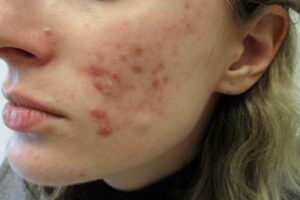
Credit: www.acneaction.ca
Future Of Acne Treatment
The future of acne treatment offers hope for those battling cystic acne. As science evolves, new strategies emerge to tackle stubborn skin issues. Breakthroughs promise relief and healthier skin for millions.
Upcoming Research
Researchers are exploring innovative methods to understand cystic acne. Genetic studies help identify factors that trigger severe acne. Scientists aim to develop personalized treatment plans. These plans may cater to individual skin needs effectively.
Advanced imaging technology allows deeper insight into skin conditions. This helps dermatologists pinpoint acne causes accurately. Understanding the root cause leads to better treatment solutions.
Promising Developments
New medications are being developed to target acne at its source. Topical treatments show promise in reducing inflammation. They work by calming irritated skin and preventing breakouts.
Laser therapy is another emerging option. It offers a non-invasive way to treat acne scars. This method stimulates collagen production, leading to smoother skin.
Researchers are also exploring the role of gut health in acne. Probiotics may play a key role in balancing skin microbiomes. This approach aims to reduce acne symptoms naturally.

Credit: www.mayoclinic.org
Frequently Asked Questions
What Is The Main Cause Of Cystic Acne?
Hormonal imbalances primarily cause cystic acne. Excessive sebum production clogs pores, leading to inflammation and deep acne lesions.
How Do You Get Rid Of Acne Cysts?
Treat acne cysts with topical treatments, oral medications, and professional dermatological procedures. Maintain a consistent skincare routine. Consult a dermatologist for personalized advice and effective treatments. Avoid popping cysts to prevent infection and scarring. Use non-comedogenic products to reduce breakouts.
How To Draw Out A Cystic Pimple?
Apply a warm compress to reduce swelling. Use a spot treatment with benzoyl peroxide or salicylic acid. Avoid squeezing or popping the pimple. Consult a dermatologist for severe cases.
How Long Does A Cystic Pimple Last?
A cystic pimple typically lasts between one to four weeks. Proper skincare can help reduce inflammation and speed healing. Consult a dermatologist for persistent cases to explore treatment options. Effective management includes gentle cleansing, avoiding irritants, and considering topical or oral medications if necessary.
Conclusion
Cystic acne can be tough to manage. Its painful bumps often affect confidence. Thankfully, several treatments can help reduce its impact. From topical creams to oral medications, solutions exist. Consulting a dermatologist is important for personalized advice. Lifestyle changes like a healthy diet can also assist.
Regular skincare can prevent worsening. Persistence is key in finding what works. Patience helps in seeing results over time. Remember, everyone’s skin is different. What works for one may not work for another. Stay informed and proactive about your skin’s health.
Healthy skin is achievable with the right care and attention.