
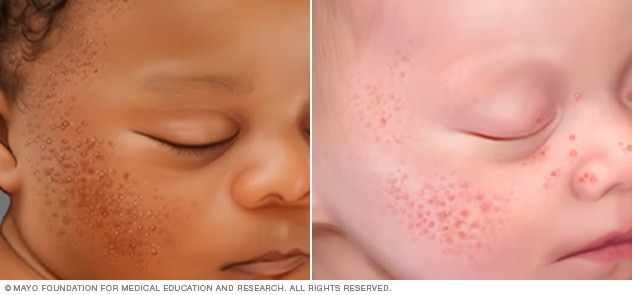
Baby acne is common in newborns. It often appears as tiny red or white bumps.
This condition can be puzzling for new parents, especially when they see it on their baby’s delicate skin. Understanding baby acne helps ease worries and guides parents on what to expect. This skin condition is usually harmless and fades away on its own.
While it looks similar to teenage acne, its causes and treatments differ. Babies typically develop acne within the first few weeks of life. These small bumps usually appear on the cheeks, forehead, and sometimes the chin. Knowing more about baby acne can help parents feel more confident in caring for their newborn’s skin. Let’s explore the causes, symptoms, and remedies.
Identifying Baby Acne
Small red or white bumps on a baby’s face may indicate baby acne. These harmless spots often appear on cheeks, nose, and forehead. Typically, they resolve without treatment within a few weeks.
Signs To Watch For
Baby acne typically appears as small red or white bumps on your baby’s cheeks, forehead, or chin. They may look similar to teenage acne but tend to be less inflamed. You might notice them appearing when your baby is a few weeks old, often peaking around the two-month mark. These blemishes can be more visible when your baby is fussing or crying, as increased blood flow can make them more pronounced. It’s crucial to observe whether these spots are accompanied by other symptoms like fever or excessive dryness, which may point to something other than acne.Common Misconceptions
Many parents assume that baby acne is caused by poor hygiene or allergies. However, this isn’t the case. In reality, the condition is often linked to maternal hormones passed to the baby during pregnancy. Another misconception is that baby acne requires treatment with creams or medications. In most cases, it resolves on its own without intervention. Have you ever felt anxious about these blemishes, fearing they might leave scars? Rest assured, baby acne typically doesn’t cause lasting marks. Understanding these misconceptions can ease your worries and help you focus on what’s truly important: bonding with your little one. When you notice these tiny blemishes, do you often rush to find a quick solution? Sometimes, patience and observation are all you need.Causes Of Baby Acne
Baby acne often occurs due to hormones passed from the mother to the infant. These hormones stimulate oil glands. It can also be triggered by skin irritation or reactions to creams or detergents. Understanding these causes helps in managing baby acne effectively.
Understanding the causes of baby acne can help you better manage this common condition and ease your concerns. While those tiny red bumps on your baby’s cheeks might be alarming, they often have straightforward explanations. Let’s explore two primary causes that might be responsible for your baby’s acne.Hormonal Factors
Hormones play a significant role in the development of baby acne. During pregnancy, your hormones pass through the placenta to your baby. This hormonal transfer can stimulate your baby’s oil glands, leading to acne after birth. These hormones might take time to leave your baby’s body. This lingering presence can trigger the oil glands to produce more oil than necessary. Have you noticed your baby’s acne flaring up around two to four weeks old? That’s when these hormonal effects are usually most visible.Environmental Influences
Environmental factors can also contribute to baby acne. Your baby’s skin is highly sensitive and can react to various external elements. Detergents, fabric softeners, or even rough fabrics might irritate your baby’s delicate skin, causing acne. Consider the products you use during bath time. Some soaps and shampoos contain chemicals that are too harsh for a newborn’s skin. Even climate can play a role; dry or humid conditions might exacerbate acne. Have you noticed changes in your baby’s skin after switching brands or going on a trip? These observations can provide clues about potential environmental triggers. Understanding these causes can guide you in making gentle choices for your baby’s skincare routine. Remember, a little patience and attention to detail can make a big difference in managing baby acne.Gentle Cleansing Routine
Babies can develop acne, often causing concern for parents. A gentle cleansing routine helps soothe delicate skin. Use mild, fragrance-free products to clean and protect your baby’s face.
Introducing a gentle cleansing routine can be soothing for baby acne. Delicate skin needs soft care. This routine helps keep your baby’s skin clean and calm.Safe Products To Use
Choose mild, fragrance-free cleansers. These won’t irritate sensitive skin. Look for those with natural ingredients. Avoid products with strong chemicals. Check labels for “hypoallergenic” or “dermatologist-approved.” These ensure safety. Stick to baby-specific products. Adult cleansers can be too harsh.Steps For Daily Care
Start with clean hands. Use lukewarm water. Wet a soft washcloth. Apply a tiny amount of cleanser. Gently wipe baby’s face. Avoid scrubbing or rubbing. Rinse thoroughly. Pat dry with a soft towel. Keep it gentle. Moisturize if needed, using baby-safe lotion. Repeat twice daily for best results. Consistent care helps soothe acne.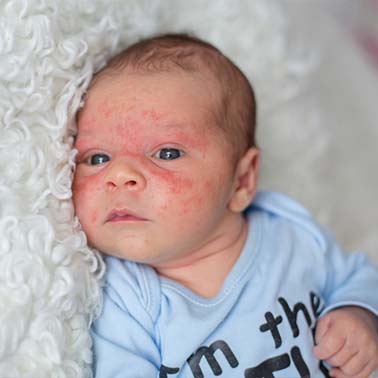
Credit: www.huggies.co.uk
Moisturizing Tips
Keep baby skin clean and moisturized to soothe baby acne. Choose gentle lotions free from harsh chemicals. Regular bathing helps maintain skin balance and prevents irritation.
Moisturizing your baby’s delicate skin can be a simple yet effective way to manage baby acne. While it might seem counterintuitive to apply moisturizer to acne, keeping your baby’s skin hydrated helps maintain its natural barrier, aiding in healing. You might wonder how to choose the right product and how often to apply it. Let’s dig into some practical tips that could make a difference. ###Choosing The Right Moisturizer
Selecting a suitable moisturizer is crucial. Opt for products labeled “fragrance-free” and “hypoallergenic.” These are less likely to irritate your baby’s sensitive skin. Look for moisturizers containing natural ingredients like aloe vera or chamomile. These can soothe and hydrate without causing further breakouts. Think about texture. A light, non-greasy formula can be more comfortable for your baby. Have you tried applying a small amount to see how your baby’s skin reacts? ###Frequency Of Application
How often should you moisturize? It’s important to find a balance. Apply moisturizer once or twice daily. Over-moisturizing can clog pores, potentially worsening acne. Observe your baby’s skin. If it appears dry or flaky, consider increasing the frequency slightly. Is there a particular time your baby seems to need more moisture, like after a bath? Consistency is key. Stick to a routine and give it time. Have you noticed any changes after a week or two of regular application? Baby acne can be a challenging issue to navigate, but with the right approach, you can help manage it effectively. By choosing the right moisturizer and applying it thoughtfully, you can support your baby’s skin health and comfort.Avoiding Irritants
Baby acne is a common skin condition that many infants experience. While it often resolves on its own, there are steps you can take to prevent irritation and ensure your baby’s skin remains healthy. Avoiding irritants is key to managing baby acne effectively. Let’s dive into practical ways to minimize irritants, focusing on clothing, fabrics, and bathing habits.
Clothing And Fabrics
Babies have sensitive skin, and the clothes they wear can play a big role in preventing skin irritation. Choose soft, breathable fabrics like cotton. These materials are gentle and allow your baby’s skin to breathe.
Ensure clothes are loose-fitting to avoid friction against the skin. Tight clothing can rub and aggravate existing acne spots. Consider washing new clothes before your baby wears them. This helps remove any chemical residues that might irritate the skin.
Bathing Recommendations
Bathing can be soothing for babies, but overdoing it might dry out their skin. Bathe your baby two to three times a week, using lukewarm water. Avoid hot water as it can strip natural oils from the skin.
Use mild, fragrance-free soaps designed for infants. Harsh soaps can irritate and worsen acne. After bathing, gently pat your baby dry with a soft towel. Rubbing can irritate and inflame sensitive skin.
Consider your own experiences: Have you noticed how a change in soap or fabric affects your baby’s skin? Are there products you find particularly soothing? Sharing insights can help other parents make informed choices.
Taking these small steps can make a big difference in your baby’s comfort. Have you thought about the potential irritants in your baby’s environment? Identifying and minimizing them can lead to clearer and happier skin.
Credit: www.waterwipes.com
When To Seek Medical Advice
Seek medical advice for baby acne if it worsens or persists beyond a few weeks. Watch for signs like swelling, excessive redness, or pus, as these may indicate an infection. Consulting a pediatrician ensures proper care and peace of mind.
When your little one has baby acne, it can be hard to know when it’s time to call the doctor. Most cases of baby acne are harmless and clear up on their own. However, there are specific situations where seeking medical advice is crucial. Understanding the signs that warrant professional help will ensure your baby receives the care they need.Persistent Symptoms
If your baby’s acne lasts longer than a few weeks, it may be more than just typical baby acne. Persistent symptoms might indicate an underlying issue that requires a doctor’s attention. Are the blemishes spreading or becoming more pronounced? This could be a clue that something more serious is happening. It’s better to err on the side of caution and consult a pediatrician if acne doesn’t seem to improve.Signs Of Infection
Baby acne is generally not infected, but it’s essential to recognize signs that could indicate otherwise. Is there any oozing, crusting, or unusual redness surrounding the pimples? These are signs of infection. Infected acne might cause discomfort or pain for your baby. Have you noticed your baby becoming unusually fussy or irritable? This behavior could be linked to an infection. Seeking medical advice promptly can prevent complications and provide peace of mind. Don’t hesitate to contact your healthcare provider if you suspect an infection.Your baby’s comfort is paramount. Trust your instincts. If anything seems off, a quick call to your doctor can make all the difference.
Natural Remedies And Myths
Baby acne can be a concern for new parents. It often appears as small red bumps on a baby’s face. Understanding natural remedies and myths can be helpful. Parents might seek gentle treatments for their baby’s delicate skin.
Effective Home Solutions
Breast milk can soothe baby acne. Its natural properties calm skin irritation. Dab a little on the affected area. Coconut oil is another gentle option. It moisturizes without harsh chemicals. Apply a small amount to the skin. Avoid using too much to prevent clogging pores. Chamomile tea can also be used. Its soothing effect can reduce redness. Dip a cotton ball in cooled tea and gently apply.
Common Myths Debunked
Some believe baby acne is caused by poor hygiene. This is false. It’s often due to maternal hormones. Another myth is that baby acne needs medication. Most cases clear up naturally. Some think baby acne indicates allergies. This is usually not true. Baby acne is common and typically harmless. Overwashing can make acne worse. Gentle cleaning is enough. Avoid harsh soaps or scrubs.
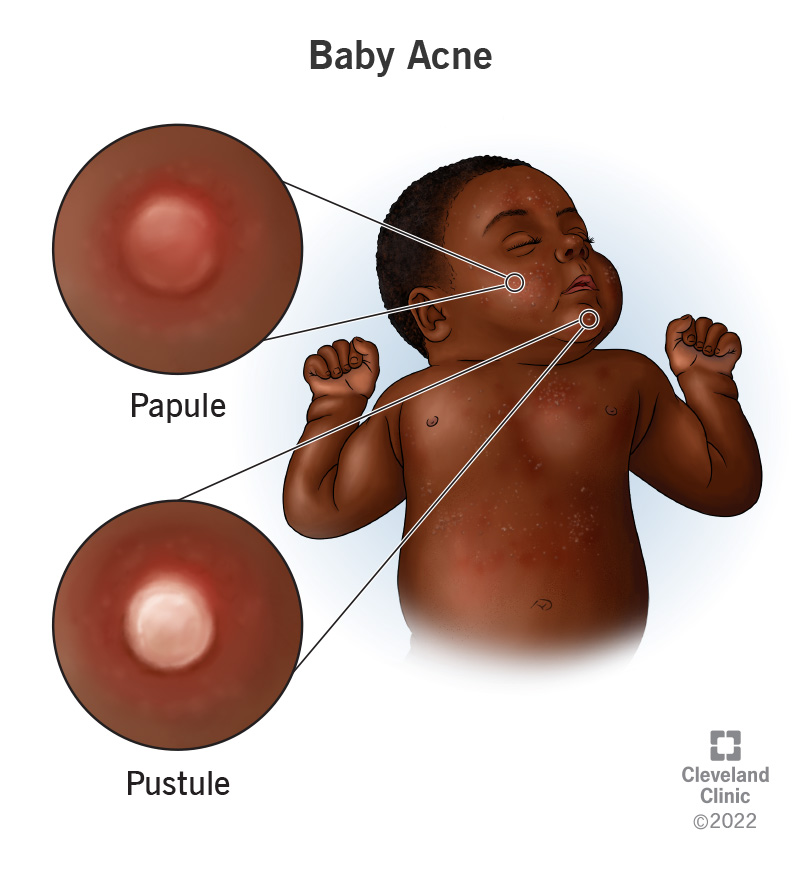
Credit: my.clevelandclinic.org
Long-term Skin Health
Long-term skin health starts early in life. Baby acne is common and can cause worries. Parents often wonder if it affects future skin health. The good news is, baby acne rarely leaves lasting marks. Yet, building good habits early helps maintain healthy skin.
Building A Skincare Routine
Start with simple steps. Use gentle cleansers suitable for babies. Avoid harsh chemicals and scented products. Pat the skin dry instead of rubbing. This routine helps keep the skin clean and free from irritation.
Moisturize with products made for sensitive skin. This keeps the skin hydrated and smooth. Regular cleaning and moisturizing lay a strong foundation for future skin health.
Future Skin Considerations
Baby acne usually fades on its own. Long-term impacts are rare. Yet, some children develop sensitive skin later. Watch for signs like redness or dryness.
If sensitive skin develops, adapt the skincare routine. Choose products for delicate skin. Consult a dermatologist for advice. Early attention to skin care promotes healthier skin through life.
Frequently Asked Questions
What Helps Baby Acne Go Away?
Keep baby’s skin clean and dry. Use mild, fragrance-free soap and warm water. Avoid oily products. Ensure baby’s clothing is soft and breathable. Breast milk can be applied to soothe the skin. Consult a pediatrician if acne persists or worsens.
Baby acne typically resolves on its own within weeks.
Can Breast Milk Clear Baby Acne?
Breast milk may help soothe baby acne due to its natural antibacterial properties. It can gently moisturize and protect sensitive skin. Applying breast milk directly may reduce inflammation, promoting healing. Always consult a pediatrician before trying new treatments for your baby’s skin concerns.
How To Get Rid Of Milk Pimples On Babies?
Gently cleanse your baby’s skin with warm water and mild soap. Avoid harsh products and excessive scrubbing. Milk pimples usually disappear naturally as your baby grows. Consult a pediatrician if concerns persist.
Does Baby Acne Mean Milk Allergy?
Baby acne doesn’t usually indicate a milk allergy. It’s often caused by hormones or skin irritation. Consult a pediatrician for accurate diagnosis and advice if concerned about allergies. Always monitor any unusual symptoms or reactions in your baby.
Conclusion
Baby acne can seem worrying, but it’s usually harmless. Most infants experience this minor skin condition. It often clears up without treatment. Gentle cleansing and patience are key. Avoid harsh products; they can irritate delicate skin. Consult a pediatrician if acne persists or worsens.
Understanding baby acne helps parents stay calm. Every baby’s skin is unique. Observing changes is important. Keep track of any developments. Babies grow quickly, and skin issues often resolve. Stay informed and seek advice when needed. Your baby’s health and comfort come first.