
Imagine discovering an ingredient that not only transforms your home into a sanctuary of freshness but also offers a multitude of health benefits. Pine oil is that hidden gem waiting to enhance your life in ways you never anticipated.
As you delve into the world of pine oil, you’ll uncover its secrets—how it can invigorate your senses and improve your well-being. This remarkable oil, derived from the majestic pine trees, has been cherished for centuries. Now, it’s time for you to explore its potential.
Let the calming aroma and natural properties of pine oil become a staple in your daily routine. Are you ready to unlock the power of pine oil and transform your environment and health? Read on to discover the wonders that await.
What Is Pine Oil?
Pine oil is a versatile and natural essential oil. It is derived from the needles, twigs, and cones of pine trees. This oil is popular in various industries. From cleaning products to aromatherapy, its uses are extensive.
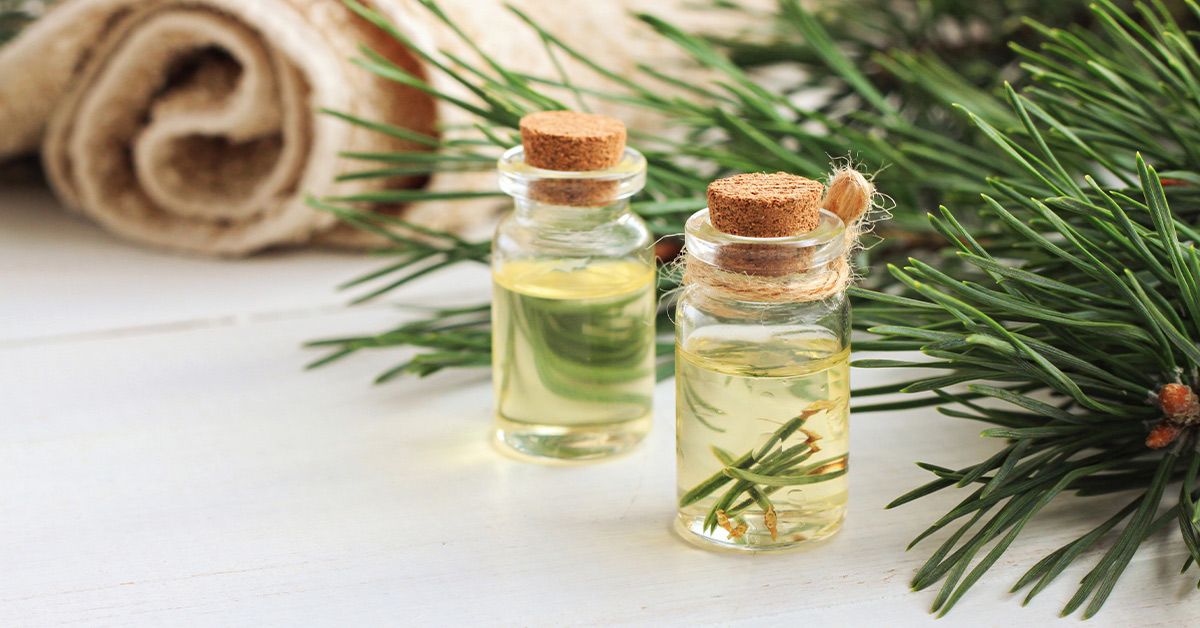
Pine oil is extracted through steam distillation. This method captures the essence of pine trees. The result is a clear, yellowish liquid. It carries a distinctive, fresh pine scent. This scent is both invigorating and calming.
Origin Of Pine Oil
Pine trees grow in many parts of the world. They thrive in temperate and cold climates. The oil’s origin can influence its aroma and potency. Different species of pine offer unique oil qualities.
Chemical Composition Of Pine Oil
Pine oil contains various compounds. These include alpha-pinene and beta-pinene. These compounds give pine oil its characteristic scent. They also contribute to its therapeutic properties.
Uses Of Pine Oil
Pine oil is a popular ingredient in cleaning products. Its natural antiseptic properties help disinfect surfaces. In aromatherapy, it is used to relieve stress and boost mood. It is also added to personal care products. Shampoos and lotions often feature pine oil for its refreshing scent.
Benefits Of Pine Oil
Pine oil offers numerous health benefits. It can help reduce inflammation and relieve pain. Its scent can uplift the mood and enhance focus. Pine oil’s antibacterial properties are useful in fighting germs.
Extraction Process
Pine oil, extracted from the needles, twigs, and cones of pine trees, holds a special place in aromatherapy and natural remedies. But have you ever wondered how this fragrant oil makes its way from the forest to your home? The journey involves several fascinating methods, each with its own nuances and benefits. Let’s dive into the extraction process of pine oil, exploring how different techniques bring out its best qualities.
Steam Distillation
Steam distillation is a popular method for extracting essential oils, and it works wonders for pine oil. This process involves passing steam through the plant material, allowing the heat to break down the cell walls. As the steam carries the essential oils, it cools and condenses back into liquid form, leaving you with pure pine oil.
Imagine the aroma of a pine forest captured in a bottle. This method is effective and widely used because it retains the natural scent and properties of the pine. However, it requires specialized equipment and can be time-consuming.
Solvent Extraction
Solvent extraction uses a chemical solvent to dissolve the essential oils from the plant material. This technique is often used when steam distillation is not suitable, especially for delicate plant parts. The solvent is later removed, leaving behind the concentrated oil.
While this method can yield a high amount of oil, it’s essential to ensure all solvent traces are removed. You might wonder, “Is it safe?” It can be, provided the process is done carefully, ensuring purity and safety. Would you trust this method for your essential oils?
Cold Pressing
Cold pressing, commonly associated with citrus oils, is less common for pine oil but still noteworthy. This method involves mechanically pressing the plant material to release the oils without heat. It preserves the natural aroma and nutrients since no heat is involved.
While not the typical method for pine oil, it emphasizes the importance of preserving natural qualities. Have you ever tried pressing pine needles yourself? It can be a fun experiment, but you’ll need a lot of patience and pine to get results!
Each extraction method has its unique advantages and challenges. When choosing pine oil, consider how it was extracted to ensure it meets your needs and expectations. Whether you’re drawn to the purity of steam distillation or the efficiency of solvent extraction, understanding these processes can enhance your appreciation for this versatile oil.
Chemical Composition
Pine oil, a versatile essential oil, boasts a fascinating chemical composition. This composition contributes to its unique aroma and beneficial properties. Understanding its components helps appreciate its diverse uses. Let’s delve into the key chemical constituents of pine oil.
Terpenes
Terpenes form the backbone of pine oil’s chemical structure. They are aromatic compounds found in many plants. In pine oil, terpenes like alpha-pinene and beta-pinene are prevalent. These terpenes give pine oil its distinctive scent. They also contribute to its natural antibacterial properties. Terpenes are essential for the oil’s effectiveness in cleaning products.
Alcohols
Alcohols in pine oil play a significant role in its composition. They are organic compounds that enhance the oil’s aroma and function. One notable alcohol in pine oil is borneol. Borneol is known for its pleasant fragrance and potential health benefits. It acts as an anti-inflammatory agent. Another alcohol, terpineol, adds to the oil’s soothing properties.
Esters
Esters are another vital component of pine oil’s chemistry. These compounds contribute to the oil’s fragrance profile. Esters in pine oil help balance its aroma, making it more appealing. They also support the oil’s therapeutic attributes. Some esters present include bornyl acetate. Bornyl acetate has a fresh, balsamic scent, enhancing pine oil’s overall aroma.
Uses In Industry
Pine oil finds extensive use in industry as a powerful cleaning agent. Its natural antiseptic properties make it ideal for sanitizing surfaces. Additionally, it is used in the production of fragrances and cosmetics, offering a fresh, forest-like scent.
Pine oil, derived from the needles, twigs, and cones of various species of pine trees, is a versatile substance with numerous industrial uses. Its refreshing scent and natural properties make it a favorite in many sectors. If you’ve ever caught a whiff of a pine forest and felt invigorated, you’ll understand why industries harness this oil’s potential.Cleaning Products
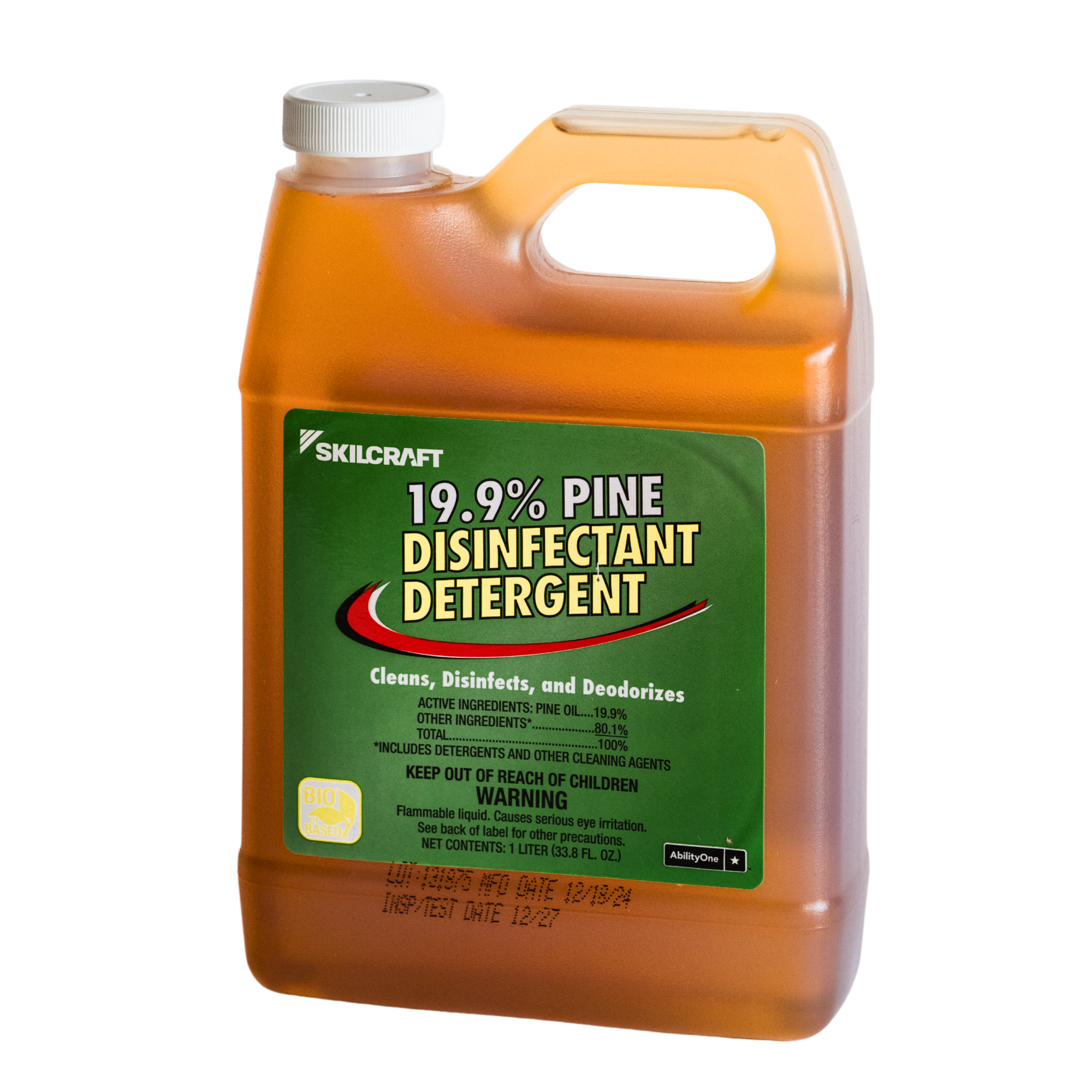
Pine oil’s natural deodorizing and cleaning properties make it a key ingredient in many household cleaning products. Its ability to break down dirt and grime is impressive. Have you ever noticed how your kitchen smells fresh after using a pine-scented cleaner? That’s not just the fragrance; it’s the oil actively working to clean surfaces. This oil can be found in products ranging from floor cleaners to multipurpose sprays. The next time you scrub your floors, consider that it’s the pine oil helping to make them shine. It’s a natural way to maintain a clean home.Disinfectants
In the realm of disinfectants, pine oil is a powerhouse. Its antimicrobial properties are effective against a variety of bacteria and viruses. Imagine the peace of mind knowing your bathroom surfaces are not just clean but also sanitized with natural compounds. Pine oil is often used in hospitals and clinics for its disinfecting abilities. It’s a testament to its effectiveness that such critical environments rely on it. You might even find it in your household disinfectants, quietly ensuring your home remains a healthy space.Solvents
As a solvent, pine oil plays a crucial role in the paint and varnish industry. It helps dissolve other substances and improves the application of these coatings. If you’ve ever painted a room and appreciated the smooth finish, you might have pine oil to thank. This oil is also used in the production of inks and adhesives. It’s fascinating how a natural product like pine oil finds its way into so many aspects of industrial production. Have you considered how many items in your home might have been made more efficiently with the help of pine oil? Pine oil’s versatility extends far beyond what many people realize. Its natural properties are harnessed in ways that not only improve product effectiveness but also offer an eco-friendly alternative to synthetic chemicals. Next time you clean your home, paint a wall, or visit a clinic, remember the humble pine oil working behind the scenes.Medicinal Benefits
Pine oil, derived from pine trees, offers multiple health benefits. Its natural properties make it a valuable addition to herbal remedies. People have used it in traditional medicine for centuries. Discover why pine oil could be a beneficial addition to your health regimen.
Antimicrobial Properties
Pine oil is known for its strong antimicrobial properties. It helps fight off bacteria, fungi, and viruses. This makes it an excellent choice for natural cleaning products. It can also aid in preventing infections when applied to cuts or scrapes. Its natural compounds work to eliminate harmful germs effectively.
Anti-inflammatory Effects
Pine oil can reduce inflammation in the body. This makes it useful for those with joint pain or arthritis. Applying pine oil to sore muscles may provide relief. It can also help reduce swelling and redness. Its soothing properties make it a popular choice for massage oils.
Respiratory Health
Pine oil supports respiratory health by easing congestion. Its aromatic properties can clear sinuses and improve breathing. Many people use it in steam inhalation for colds or allergies. It may also help reduce symptoms of asthma and bronchitis. Breathing in pine oil vapors can help you feel refreshed and clear-headed.
Credit: www.healthline.com
Aromatherapy Applications
Pine oil offers refreshing benefits in aromatherapy. Its crisp, woody scent promotes relaxation and mental clarity. Often used to ease stress, it can also help boost mood. Perfect for creating a calming atmosphere in any space.
Aromatherapy offers a natural way to enhance well-being. Pine oil, a treasured ingredient, is known for its invigorating scent and therapeutic properties. It plays a significant role in aromatherapy applications due to its diverse benefits. This natural oil uplifts the spirit, freshens the air, and alleviates stress. Discover how pine oil can bring balance and tranquility to your space.Stress Relief
Pine oil helps soothe the mind. Its refreshing aroma calms nerves effectively. Breathing in pine oil can reduce tension and anxiety. It creates a peaceful environment. Simply diffuse a few drops for a serene atmosphere. Many people find pine oil grounding. It provides a sense of tranquility during stressful times.Mood Enhancement
Pine oil can uplift spirits. Its invigorating scent boosts mood naturally. Inhaling pine oil can promote feelings of happiness. It helps combat fatigue and gloominess. This essential oil encourages a positive outlook. Use it during meditation for enhanced focus. Pine oil is a simple way to improve daily mood.Air Freshening
Pine oil naturally freshens indoor air. Its crisp scent eliminates unpleasant odors. Diffusing pine oil purifies the environment. It leaves spaces smelling clean and fresh. This oil acts as a natural deodorizer. Use it in any room for a refreshing aroma. Pine oil is an eco-friendly alternative to chemical air fresheners.Environmental Impact
Pine oil, derived from the needles of pine trees, has a distinct aroma and a variety of uses. Yet, its environmental impact raises questions that deserve your attention. How does this seemingly natural ingredient affect our planet? By understanding its sustainability, biodegradability, and eco-friendly alternatives, you can make informed choices.
Sustainability Concerns
Pine oil production requires large swathes of pine forests. Overharvesting can lead to deforestation, which threatens biodiversity. You might wonder how your choice of cleaning products can contribute to this issue. Consider how sustainable harvesting practices can reduce these impacts and protect forest ecosystems.
Support brands that commit to responsible sourcing. By doing so, you contribute to preserving the environment. Choose products that have certifications indicating sustainable practices, helping you make a positive impact.
Biodegradability
Pine oil is touted for its biodegradability. It breaks down naturally, reducing pollution. This can be a reassuring fact for those concerned about chemical residues. Yet, its breakdown process can vary based on how it’s used.
For example, in cleaning products, pine oil’s biodegradability can depend on other ingredients present. Always check product labels for details on biodegradability. This ensures that you’re truly choosing an environmentally friendly option.
Eco-friendly Alternatives
If you’re concerned about pine oil’s environmental footprint, alternatives exist. Lemon oil and tea tree oil are two options with similar properties. They offer the same cleaning power without the sustainability concerns.
Experiment with different oils to find what works best for you. Share your experiences with others who are also looking for greener choices. Your decision to choose eco-friendly alternatives can inspire more sustainable practices in your community.

Credit: www.amazon.com
Safety And Precautions
Pine oil, a natural cleaner, requires careful handling to avoid skin irritation. Always wear gloves during use. Ensure proper ventilation to prevent inhalation issues.
Pine oil, extracted from the needles of pine trees, is celebrated for its fresh scent and versatile uses. However, like any potent ingredient, it comes with its own set of safety precautions. Understanding these can ensure you enjoy pine oil’s benefits without any unwanted side effects.Skin Irritation
Pine oil can be quite strong and may cause skin irritation for some people. Always test a small area before applying it more widely. If you experience redness or itching, it’s best to discontinue use immediately. You might wonder, “Is there a way to enjoy pine oil without risk?” Absolutely. Diluting pine oil with a carrier oil can reduce its intensity, making it safer for skin application.Allergic Reactions
Some individuals might experience allergic reactions to pine oil. Symptoms can include sneezing, a runny nose, or even skin rashes. If you’re prone to allergies, consider consulting with a healthcare professional before using pine oil. It’s helpful to keep track of any changes in your body after using new products. This way, you can swiftly identify and address any allergic responses.Proper Usage Guidelines
Using pine oil responsibly is key. Always follow the instructions on the product label. Avoid ingesting pine oil unless it’s specifically formulated for internal use and recommended by a qualified professional. Consider using pine oil in moderation. A few drops can make a significant difference, ensuring you get the benefits without overwhelming your system. Reflect on how you store pine oil. Keep it in a cool, dark place to maintain its efficacy and prevent any degradation. Are you ready to incorporate pine oil into your routine safely? By taking these precautions, you can enjoy the refreshing aroma and potential benefits of pine oil with peace of mind.Market Trends
Pine oil is gaining attention in the market. This versatile ingredient is used in many industries, including cleaning, cosmetics, and medicine. Understanding the latest trends can help businesses make informed decisions.
Demand In Various Sectors
The demand for pine oil is increasing across different sectors. In the cleaning industry, pine oil is valued for its disinfectant properties. It is a popular choice in eco-friendly products. The cosmetics sector appreciates its natural aroma and skin benefits. Pine oil is also used in therapeutic products for its calming effect. These diverse applications are driving demand.
Price Fluctuations
Prices for pine oil can vary. Factors like seasonal harvests impact supply. This leads to changes in price. Economic conditions and environmental factors also play a role. As demand grows, prices may rise. Businesses must track these fluctuations to plan effectively.
Future Forecasts
The future of pine oil looks promising. Experts predict steady growth. The shift towards natural products boosts its popularity. Innovation in product formulations is expected. Pine oil will likely see more diverse applications. Staying informed about these trends is crucial.
Credit: store.lhbindustries.com
Frequently Asked Questions
What Is Pine Oil Used For?
Pine oil is commonly used for its disinfectant properties. It effectively kills germs and bacteria, making it ideal for cleaning. Additionally, it is used in aromatherapy for its soothing scent. Pine oil can also be found in personal care products for its refreshing aroma.
Is Pine Oil Safe For Skin Application?
Pine oil can be safe for skin when diluted properly. It’s important to perform a patch test before applying it. Undiluted pine oil may cause irritation, so it should always be mixed with a carrier oil. Consult a healthcare professional for personalized advice on using pine oil topically.
How Does Pine Oil Benefit Health?
Pine oil offers several health benefits, mainly due to its antibacterial properties. It can help alleviate respiratory issues when inhaled. Pine oil also promotes mental clarity and reduces stress when used in aromatherapy. Its anti-inflammatory properties can provide relief from minor aches and pains.
Can Pine Oil Be Used In Cooking?
Pine oil is not recommended for cooking purposes. It is primarily used for cleaning and aromatherapy. Consuming pine oil can be harmful, as it’s not meant for ingestion. Always use culinary-grade oils for cooking to ensure safety and flavor.
Conclusion
Pine oil offers many benefits for health and home. Its natural scent refreshes spaces and boosts mood. People use it in cleaning for its antibacterial properties. It’s also popular in aromatherapy for relaxation. The oil can soothe muscles and support skin health.
Versatile and effective, pine oil is a valuable addition to daily life. Easy to find and use. This natural ingredient enhances well-being and home care. Explore the many uses of pine oil today. Embrace its benefits for a healthier lifestyle.