
Imagine unlocking the secret to healthier skin and a stronger immune system with just one ingredient. You might be wondering what this magical component is and how it can be so effective.
Allow us to introduce you to caprylic acid, a powerhouse ingredient that holds the key to transforming your wellness routine. As you explore this article, you’ll discover the incredible benefits of caprylic acid, learn how it works, and understand why it should be a staple in your health and beauty arsenal.
By the end, you’ll be armed with the knowledge to make informed choices about incorporating caprylic acid into your life, empowering you to take control of your well-being like never before. Don’t miss out on the chance to elevate your health and beauty game – read on to find out how caprylic acid can be your new best friend.

Credit: www.amazon.com
What Is Caprylic Acid?
Caprylic acid is a medium-chain fatty acid. It’s found naturally in coconut oil and palm kernel oil. Known for its potential health benefits, caprylic acid is gaining attention in various fields. From skincare to digestive health, its versatility makes it a popular choice.
Caprylic acid is an eight-carbon saturated fatty acid. Its chemical structure is simple yet effective. This acid is part of the medium-chain triglycerides (MCTs) family. MCTs are easier to digest than long-chain fatty acids.
Where Does Caprylic Acid Come From?
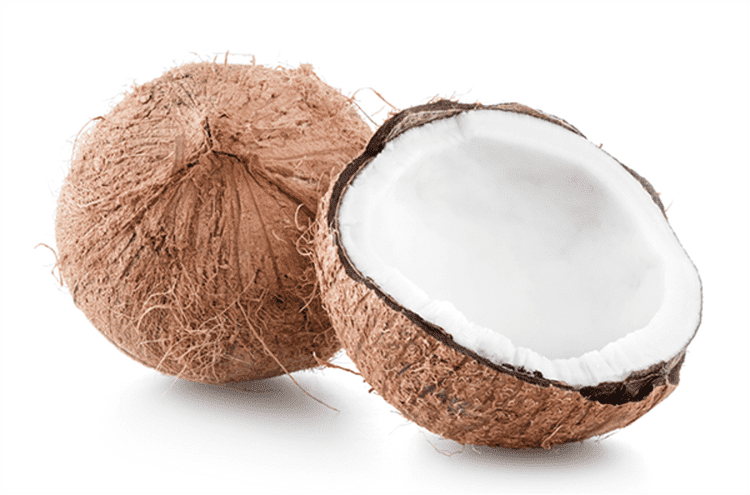
Caprylic acid is mainly found in coconut oil. Palm kernel oil also contains caprylic acid. These oils are common sources in dietary supplements. Dairy products have small amounts of this acid too.
What Are The Benefits Of Caprylic Acid?
Caprylic acid has antimicrobial properties. It helps combat bacteria, fungi, and viruses. This makes it useful in treating infections. It also supports gut health by balancing the gut flora.
How Is Caprylic Acid Used?
Caprylic acid is used in many ways. It’s a common ingredient in skincare products. Its moisturizing properties benefit the skin. It’s also included in dietary supplements for digestive health.
Sources Of Caprylic Acid
Understanding the sources of caprylic acid can be quite enlightening, especially if you’re curious about its presence in everyday products. Whether you’ve encountered caprylic acid in your skincare routine or wondered about its role in nutrition, knowing where it comes from can deepen your appreciation for this versatile ingredient. Let’s dive into the natural and synthetic sources of caprylic acid.
Natural Sources
Caprylic acid is found naturally in various foods. One of its most renowned sources is coconut oil. It’s no secret that coconut oil is a staple in kitchens and beauty cabinets alike. The presence of caprylic acid contributes to its popularity, offering anti-fungal and moisturizing benefits.
Another natural source of caprylic acid is palm kernel oil. This oil, often used in cooking, also serves as a base for soaps and cosmetics. Its caprylic acid content makes it desirable for those seeking skin-nourishing properties.
Milk from cows, goats, and even humans contains caprylic acid. It’s fascinating to think that something so ordinary holds such beneficial compounds. If you’re someone who enjoys dairy, you’re already consuming this helpful fatty acid.
Synthetic Production
Caprylic acid can also be produced synthetically. This method involves chemical processes to replicate the natural compound. Synthetic production ensures a consistent supply, meeting the high demand in industries like cosmetics and pharmaceuticals.
You might wonder about the differences between natural and synthetic caprylic acid. While both forms share similar properties, synthetic versions offer enhanced purity and stability. This is crucial for manufacturers aiming for precise formulations.
Have you ever considered why synthetic production is vital? It’s not just about availability. Synthetic caprylic acid can be tailored to specific needs, making it an invaluable asset in creating specialized products.
Whether you prefer natural or synthetic sources, caprylic acid’s presence in various aspects of life is undeniable. Next time you use a product containing caprylic acid, think about the journey it took to reach you. What source resonates more with your lifestyle?
Health Benefits
Caprylic acid, a naturally occurring compound found in coconut oil, has gained attention for its impressive health benefits. This medium-chain fatty acid is celebrated for its ability to support various aspects of your well-being. From boosting digestive health to enhancing skin vitality, caprylic acid offers practical benefits that you can easily incorporate into your daily routine. Let’s dive deeper into how caprylic acid can improve your health.
Digestive Health
Caprylic acid can be a game-changer for your digestive system. It helps maintain a healthy gut environment by promoting the growth of beneficial bacteria. This can lead to better digestion and increased nutrient absorption. If you’ve ever struggled with bloating or irregularity, consider adding caprylic acid to your diet. You may find your digestive comfort improves significantly.
Have you noticed how your mood affects your gut? An upset stomach can ruin your day. Caprylic acid aids in soothing inflammation in the gut lining, offering relief from discomfort. It can be a gentle yet effective way to support your digestive health.
Antimicrobial Properties
Caprylic acid is also known for its powerful antimicrobial properties. It fights against harmful bacteria, viruses, and fungi. This makes it a great ally in preventing infections. Imagine having a natural defense system that supports your body’s ability to combat pathogens.
Have you tried using natural remedies for colds and infections? Caprylic acid could be your new go-to. Its ability to curb the growth of harmful microorganisms helps in maintaining your overall health. Keep this in mind when looking for ways to boost your immune system.
Skin Health
Your skin could benefit greatly from caprylic acid’s nourishing properties. It offers hydration without leaving a greasy residue, making it ideal for those with dry skin. If you’re searching for a way to achieve a natural glow, caprylic acid might be the secret ingredient you need.
Ever wondered why coconut oil works wonders for your skin? Caprylic acid plays a key role. It helps in reducing inflammation and redness, promoting a clearer complexion. Consider adding products with caprylic acid to your skincare routine for noticeable results.
Could caprylic acid be the missing piece in your health regimen? Its benefits for digestion, immune support, and skin health are compelling. By understanding how this natural compound works, you can take proactive steps towards a healthier lifestyle.
Caprylic Acid In Diet
Caprylic acid, found in coconut oil, supports digestion and boosts energy levels. This fatty acid promotes gut health by balancing bacteria. Including caprylic acid in your diet may help improve nutrient absorption and provide quick energy for daily activities.
### Caprylic Acid in Diet Caprylic acid is gaining popularity in the health world for its potential benefits. This fatty acid is found naturally in certain foods and is known for its antifungal and antimicrobial properties. But how can you include it in your diet to enhance your well-being? Adding caprylic acid-rich foods or supplements to your routine might be easier than you think. Let’s explore some practical ways to do so. ###Dietary Supplements
Caprylic acid is commonly available in supplement form. These supplements can be found in health food stores or online. They provide a concentrated dose of caprylic acid, which can be convenient for those who want to ensure they get enough of this beneficial fat. Before starting any new supplement, always check with your healthcare provider. It’s essential to ensure it fits well with your existing diet and any medications you may be taking. ###Coconut Oil And Mct Oils
Coconut oil is a rich source of caprylic acid. Adding it to your cooking can be a simple way to benefit from this fatty acid. MCT (Medium Chain Triglyceride) oils, often derived from coconut or palm oil, are another excellent source. They are popular among those following ketogenic or low-carb diets. Try using MCT oil in your morning coffee or smoothie. It can provide a quick energy boost and may support your metabolism. Have you considered how these oils might fit into your dietary habits? — These straightforward tips can make it easier to include caprylic acid in your diet. What other ways might you explore to benefit from this powerful nutrient?Uses In Skincare
Caprylic acid is a versatile ingredient making waves in the skincare industry. Extracted from coconut oil and palm kernel oil, it offers a range of benefits that can enhance your skincare routine. Let’s dive into how caprylic acid can transform your skin, making it softer, smoother, and more youthful.
Moisturizing Benefits
Caprylic acid is a powerhouse when it comes to hydration. It forms a barrier on your skin, locking in moisture and preventing dryness. This is particularly beneficial during harsh winter months or if you have naturally dry skin.
Have you ever noticed your skin feeling tight and flaky after a long day? A moisturizer containing caprylic acid could be the solution you need. Its lightweight texture absorbs quickly, leaving your skin soft without a greasy residue.
Adding caprylic acid to your skincare routine can also enhance the effectiveness of other hydrating ingredients. It acts as a carrier, helping your skin absorb nutrients more effectively. How much more satisfying would your skincare routine be if each product worked to its full potential?
Anti-aging Properties
Caprylic acid isn’t just about keeping your skin hydrated; it also has anti-aging benefits. It helps maintain the skin’s elasticity, reducing the appearance of fine lines and wrinkles. Isn’t it reassuring to know that something so natural can make you look and feel youthful?
Its antioxidant properties protect your skin from environmental damage, a leading cause of premature aging. Imagine stepping out into the sun knowing your skin has an extra layer of defense. This protection makes caprylic acid an excellent addition to your morning routine.
But it’s not just about prevention; caprylic acid also helps repair damaged skin. Regular use can lead to noticeable improvements in skin texture and tone. Who wouldn’t want to feel more confident with a smoother, more even complexion?
Incorporating caprylic acid into your skincare regimen could be the simple change your skin needs. Have you considered how a small addition could make a big difference in your skincare journey?
Potential Side Effects
Caprylic acid, a medium-chain fatty acid, has numerous health benefits. Yet, it is important to know its potential side effects. Understanding these effects can help use this ingredient safely. Let’s explore some common concerns.
Gastrointestinal Issues
Caprylic acid may cause some stomach discomfort. Symptoms like diarrhea or nausea may occur. These issues happen when the body adjusts to the new substance. It’s wise to start with a small dose. Gradually increase the amount as your body gets used to it. Drinking plenty of water may help ease these symptoms.
Allergic Reactions
Allergic reactions to caprylic acid are rare but possible. Signs include itching, rash, or swelling. More severe reactions can involve breathing difficulties. Always consult a healthcare provider before use. Especially if you have allergies to coconut or palm oil, the sources of caprylic acid.
Caprylic Acid In Industry
Caprylic acid is a versatile ingredient used in various industries. It plays a role in the production of perfumes, dyes, and as a food additive. Its antimicrobial properties make it useful in personal care products and food preservation.
### Caprylic Acid in Industry Caprylic acid, a medium-chain fatty acid, finds diverse applications across various industries. Its versatility stems from its unique properties, including antimicrobial effects and compatibility with organic compounds. Let’s dive into how caprylic acid is making waves in different sectors.Food Preservatives
In the food industry, caprylic acid serves as a natural preservative. It helps extend the shelf life of products by inhibiting the growth of bacteria and fungi. This is particularly useful in dairy products like cheese, where spoilage can occur rapidly. Imagine buying your favorite cheese and knowing it will last longer without artificial preservatives. Caprylic acid not only preserves freshness but also maintains the natural taste of the food. Next time you see it listed on a label, you can appreciate the added value it brings.Cosmetic Formulations
Caprylic acid is a key ingredient in many cosmetic products due to its moisturizing and skin-softening properties. It’s often included in formulations for lotions, creams, and even makeup. If you’ve ever wondered why some lotions absorb quickly without leaving a greasy feel, caprylic acid might be the secret. It enhances the texture of products, ensuring they are lightweight and effective. Have you checked your favorite skincare product for this ingredient yet? Caprylic acid’s role in industry showcases its ability to enhance products we use daily. Whether preserving food or improving skincare, its benefits are worth noting. How else might this dynamic ingredient surprise you in everyday items?Environmental Impact
Understanding the environmental impact of caprylic acid is essential. This ingredient, found in beauty products and foods, affects nature. Let’s explore its footprint on our planet.
Production Process
Caprylic acid comes from processing coconut oil. This process is eco-friendly. Coconut farms use fewer resources than palm oil plantations. They preserve soil health and reduce deforestation.
Biodegradability
This acid breaks down easily in nature. Its biodegradable nature means less pollution. Products containing it don’t harm water bodies. They decompose without leaving toxic residues.
Renewable Source
Coconuts are a renewable resource. Farmers harvest them regularly. This sustainable cycle benefits the environment. It helps maintain biodiversity and supports local communities.
Carbon Footprint
Caprylic acid production emits low carbon. Coconut farming involves minimal machinery use. This reduces greenhouse gas emissions. It contributes to a healthier atmosphere.
Waste Management
Waste from production is minimal. Farmers use coconut husks as fuel. This practice minimizes waste and supports energy needs. It creates a closed-loop system.
Water Usage
Coconuts need little water to grow. This reduces strain on water resources. Caprylic acid production requires less water than other oils. It promotes sustainable water management.
Impact On Wildlife
Coconut farming impacts wildlife positively. Farms provide habitats for many species. They maintain ecological balance. This ensures wildlife thrives alongside agriculture.
Future Prospects
Caprylic acid, a medium-chain fatty acid, has been gaining attention for its potential health benefits and versatile applications. As we look to the future, the prospects for caprylic acid are promising and diverse. This compound, found naturally in coconut and palm oil, is carving out a space in both health and industrial sectors. Let’s dive into how caprylic acid might shape our future.
Innovative Uses
Caprylic acid is already making waves in the health and wellness industry. As people become more health-conscious, this compound’s antimicrobial and antifungal properties are becoming highly sought after. Imagine a future where your everyday cleaning products are not only effective but also safe for the environment because they are based on caprylic acid.
But it doesn’t stop there. In food preservation, caprylic acid shows potential as a natural preservative. This could lead to safer, longer-lasting food products on supermarket shelves. What innovative uses can you think of for this powerful ingredient?
Research And Developments
Research into caprylic acid is continuously evolving. Scientists are exploring its role in gut health, with some studies suggesting it might help balance gut bacteria. This could be a game-changer for those struggling with digestive issues.
Moreover, there’s exciting research into its potential as a therapeutic agent for various conditions. While more studies are needed, early results are promising. Have you considered how new developments in caprylic acid research might impact your health choices?
As research progresses, we can anticipate new products and applications emerging. This could mean more options for consumers looking for natural and effective solutions. What future possibilities excite you about caprylic acid?

Credit: epigenetics-international.com

Credit: www.amazon.com
Frequently Asked Questions
What Is Caprylic Acid Used For?
Caprylic Acid is used in skincare and cosmetics for its moisturizing properties. It helps to maintain skin hydration and improve texture. Additionally, it’s often found in health supplements due to its antimicrobial benefits, supporting gut health and combating infections.
Is Caprylic Acid Safe For Skin?
Yes, Caprylic Acid is generally safe for skin use. It is a common ingredient in skincare products due to its gentle nature. It helps to moisturize and protect the skin barrier. Always patch-test new products to ensure compatibility with your skin type.
Where Does Caprylic Acid Come From?
Caprylic Acid is naturally derived from coconut and palm oil. It is a medium-chain fatty acid often used in skincare. Its natural origin makes it a popular choice in organic and sustainable products. It also has antimicrobial properties, beneficial for various applications.
How Does Caprylic Acid Benefit Health?
Caprylic Acid supports gut health by fighting harmful bacteria and fungi. It is often included in supplements for its antimicrobial properties. Additionally, it aids in digestion and helps maintain a healthy balance of gut flora. Its benefits make it a useful addition to health routines.
Conclusion
Caprylic acid offers numerous benefits for skin and health. It supports digestion and boosts energy. Its antimicrobial properties help fight infections. Skincare products often include it for hydration. This acid is found in coconut oil and dairy. Easy to add to your diet.
Consider caprylic acid for improved wellness. It’s safe for most people. Always consult a doctor before starting new supplements. Explore options that suit your lifestyle. Embrace the simplicity of caprylic acid. Your body will thank you. Stay informed, and make choices that benefit your health.