
Imagine unlocking the secret behind some of your favorite scents or skincare products. It’s intriguing, right?
Meet terpineol, a fascinating ingredient that often hides in plain sight. You might not know it by name, but you’ve likely experienced its magic in your daily life. Whether it’s the calming aroma in your soap or the soothing touch of your moisturizer, terpineol plays a pivotal role.
Dive into this article, and you’ll discover how terpineol enhances your everyday products, why it’s beloved in the beauty and wellness industries, and how it can elevate your personal care routine. Curious about how this unsung hero can transform your experience? Keep reading, and you’ll be amazed at what this little-known ingredient can do for you.
Terpineol: An Aromatic Compound
Imagine walking through a lush forest, the air filled with a crisp, piney scent that invigorates your senses. That’s terpineol at work. This aromatic compound is a key player in the world of fragrances and essential oils.
But what exactly is terpineol, and how does it enhance our daily experiences? Let’s dive into its unique characteristics and uses.
What Is Terpineol?
Terpineol is a natural compound found in various essential oils, including pine oil and lilac oil. It is known for its pleasant, floral aroma reminiscent of lilacs. This makes it a popular choice in perfumes and personal care products.
Have you ever noticed the fresh scent in your favorite soap or lotion? There’s a good chance terpineol is behind that delightful aroma.
Applications In Everyday Products
You probably encounter terpineol more often than you think. It’s used in a range of products from perfumes to cleaning agents. Its calming scent is not just about fragrance; it also has practical benefits.
In cleaning products, terpineol’s aroma can make your home feel fresher and more inviting. Have you tried using products with terpineol to elevate your cleaning routine?
Benefits Beyond Fragrance
While terpineol is renowned for its scent, it also offers other benefits. It has been used for its potential soothing properties, making it a staple in aromatherapy. Imagine unwinding after a long day with a relaxing aroma—terpineol can provide that comfort.
Its soothing nature might just be the stress relief you need. How do you incorporate soothing aromas into your relaxation routine?
Exploring Natural Sources
Terpineol can be found naturally in many plants. Eucalyptus, pine, and lilacs are some of the most common sources. If you’re interested in natural remedies, consider exploring essential oils containing terpineol.
Using these oils can be a simple way to bring nature’s scents into your home. What natural sources do you use for a refreshing atmosphere?
Terpineol, with its alluring fragrance and versatile uses, is more than just a compound—it’s a sensory experience. Next time you notice a captivating aroma, take a moment to appreciate the subtle yet profound impact of terpineol.

Credit: www.scentspiracy.com
Natural Sources Of Terpineol
Discovering the natural sources of terpineol is like embarking on a journey through nature’s fragrant treasures. Terpineol is a captivating compound found in various plants, and its aroma can transport you to a lush garden or a peaceful forest. Let’s dive into where you can find this delightful ingredient.
Where Does Terpineol Come From?
Terpineol is primarily found in essential oils of many plants. One of the most common sources is pine oil. Imagine walking through a pine forest, the fresh, crisp scent wafting through the air. That’s terpineol working its magic.
Floral Fragrances That Contain Terpineol
Interestingly, terpineol is also present in the essential oils of some flowers. Lilac and lavender are known to contain this compound. Ever picked a lilac bloom and inhaled its calming scent? That soothing note has terpineol contributing to it.
Citrus Fruits As A Source
Terpineol isn’t limited to floral and woody aromas. Citrus fruits like oranges and lemons can also be sources. Next time you peel an orange, notice the vibrant, uplifting aroma. Terpineol plays a part in that refreshing scent.
Herbs With Hidden Aromatic Secrets
Herbs such as rosemary and eucalyptus contain terpineol as well. The next time you cook with rosemary or use eucalyptus oil, consider the hidden terpineol enhancing your experience. It’s a subtle yet impactful presence.
What Does This Mean For You?
Knowing these natural sources, you can appreciate terpineol in everyday life. Whether you’re enjoying a walk in the forest or savoring a citrus dessert, terpineol is there, adding its unique touch. Which source of terpineol do you encounter most often?
Extraction And Production
The extraction and production of Terpineol are crucial for its use in various industries. Terpineol is a versatile compound with applications in fragrances, cleaning products, and pharmaceuticals. Understanding how it is extracted and produced provides insights into its quality and efficiency. Let’s explore the methods used to produce Terpineol.
Chemical Synthesis
Chemical synthesis involves creating Terpineol from simpler chemical compounds. This process often uses pinene as a starting material. Pinene is abundant in nature and serves as a precursor. Synthesizing Terpineol from pinene requires precise chemical reactions. These reactions must be carefully controlled to ensure purity and yield. Chemical synthesis allows for consistent production of Terpineol. It can be scaled for industrial needs.
Distillation Methods
Distillation is another method for Terpineol extraction. This technique separates Terpineol from essential oils. Essential oils are rich in terpenes, including Terpineol. Distillation involves heating the oils to isolate compounds. The process captures Terpineol by cooling the vapor. This method often produces high-purity Terpineol. Distillation is preferred for its efficiency and simplicity. It allows producers to maintain quality standards.

Credit: www.amazon.com
Chemical Structure And Properties
Terpineol is a naturally occurring alcohol with a pleasant floral aroma. It features a complex chemical structure, enhancing its solubility in water and organic solvents. This ingredient is commonly found in perfumes, soaps, and flavoring agents.
Understanding the chemical structure and properties of terpineol can feel like unlocking a secret code to nature’s bounty. This intriguing compound, often found in essential oils, has a lot to offer. Its unique structure not only defines its characteristics but also influences how it interacts with other elements, making it a staple in various applications.Molecular Composition
1018O. This means it consists of ten carbon atoms, eighteen hydrogen atoms, and one oxygen atom. The arrangement of these atoms gives terpineol its distinctive properties. Its structure includes a hydroxyl group (-OH), contributing to its alcohol classification. This group is crucial because it affects terpineol’s solubility and reactivity. Interestingly, terpineol exists in multiple isomers. Each isomer shares the same molecular formula but differs in the arrangement of atoms, resulting in varying scents and uses.Physical Characteristics
Terpineol is typically a colorless liquid or a solid, depending on the temperature. It exudes a pleasant floral aroma, often compared to lilacs, making it a popular choice in perfumery and cosmetics. Its boiling point ranges between 214°C to 224°C. This relatively high boiling point is indicative of its stability under heat, a useful property for manufacturing processes. The density of terpineol is about 0.93 g/cm3, which is lighter than water. This lower density means it tends to float when mixed with water, a factor to consider in formulations. Have you ever wondered why some fragrances linger longer than others? The answer often lies in the compound’s chemical structure and physical properties, like those of terpineol. Understanding these can help you choose the right ingredients for your creations. By examining its molecular composition and physical characteristics, you can better appreciate terpineol’s versatility. Next time you encounter this compound, you’ll have a deeper insight into its role in everyday products.Terpineol In Fragrance Industry
Terpineol is a key ingredient in the fragrance industry. It plays a significant role in perfume formulations and aromatherapy uses. Its pleasant scent makes it popular among perfumers. Terpineol offers a unique aroma that enhances various fragrance profiles. This compound is derived from natural sources, adding a touch of nature to scents.
Perfume Formulations
Perfumers use Terpineol to create enchanting fragrances. It blends well with floral and citrus notes. This combination results in fresh and appealing scents. Terpineol is often found in high-end perfumes. It provides a smooth and elegant aroma. The fragrance industry values its versatility and reliability.
Terpineol’s scent is long-lasting and stable. It maintains its fragrance over time. This stability is crucial for quality perfumes. Perfumers appreciate its ability to hold scents together. Terpineol’s consistency makes it a favorite choice.
Aromatherapy Uses
Terpineol is popular in aromatherapy practices. Its soothing scent promotes relaxation and calmness. People use it to reduce stress and anxiety. This compound is often found in essential oils. It creates a peaceful atmosphere when diffused.
Terpineol’s aroma is gentle and comforting. It encourages restful sleep and peace of mind. Aromatherapists value its calming properties. They use it to enhance therapeutic experiences. Terpineol is a natural choice for wellness routines.
Applications In Personal Care
Terpineol, a naturally occurring compound, is gaining popularity in personal care. Known for its pleasant aroma and skin-friendly properties, it finds varied applications. From skincare to hair care, terpineol enhances the effectiveness of many products. Its versatility makes it a favorite in the beauty industry.
Skincare Benefits
Terpineol offers numerous benefits for the skin. It boasts natural antioxidant properties. This helps protect the skin from environmental damage. Its soothing attributes calm irritated or sensitive skin. Terpineol’s antimicrobial qualities support healthier skin by reducing bacteria. Many skincare products use it for its refreshing scent.
Hair Care Products
Terpineol is widely used in hair care formulations. It enhances the fragrance of shampoos and conditioners. Its antimicrobial properties help maintain a healthy scalp. This can lead to stronger, healthier hair. Hair products with terpineol also provide a pleasant, lasting scent. It helps create a refreshing and clean feeling after use.
Role In Cleaning Products
Terpineol is a fascinating ingredient often found in cleaning products. It’s not just another chemical name on the label; it plays a critical role in how effectively your cleaning products work. Whether you’re tackling stubborn grease or aiming to disinfect surfaces, terpineol can make a noticeable difference in your cleaning routine.
Solvent Properties
Terpineol acts as a powerful solvent in cleaning products. It helps break down oils and grease, making it easier to wipe them away. Have you ever noticed how some cleaners leave surfaces spotless without much scrubbing? That’s terpineol in action.
Its solvent properties mean that it can dissolve a wide range of substances. This makes it an excellent choice for multi-purpose cleaners. Next time you’re struggling with a sticky kitchen counter, think about the hidden power of terpineol working behind the scenes.
Disinfectant Potential
Terpineol doesn’t just clean; it also helps disinfect. Its antimicrobial properties can kill bacteria and germs, leaving surfaces not only clean but safer. This is particularly important in areas like kitchens and bathrooms where hygiene is crucial.
Imagine cutting down on germs without needing a separate disinfectant. Terpineol offers that dual benefit, making cleaning more efficient. Have you ever wondered if your cleaner does more than just remove dirt? With terpineol, you get the added peace of mind knowing it tackles germs too.
So, next time you’re shopping for cleaning products, look for terpineol on the label. It’s a small ingredient with a big impact, making your cleaning tasks easier and more effective.
Health And Safety Considerations
Terpineol, a naturally occurring compound, is popular in fragrances and flavors. Understanding its health and safety is crucial. Knowing potential allergens and toxicity can help ensure safe use.
Potential Allergens
Terpineol may cause allergic reactions in sensitive individuals. Skin irritation or redness can occur. Patch testing is essential before using products with terpineol. Consult a healthcare professional if unsure.
Toxicity Studies
Research indicates terpineol is generally safe for use. Studies show low toxicity in humans and animals. It is important to follow recommended usage guidelines. Overuse might lead to unwanted effects. Manufacturers often test products for safety compliance.
Environmental Impact
Terpineol is a fragrant compound found in many cleaning products and personal care items. While its aromatic properties are appreciated, it’s essential to consider its environmental impact. How does terpineol affect our planet, and what can we do to minimize any negative consequences?
biodegradability
Terpineol is known for its relatively good biodegradability. This means it can break down in the environment over time, reducing its potential to cause harm. However, it’s crucial to note that the rate of biodegradation can vary depending on factors like temperature and microbial activity.
You might wonder how this affects you. When choosing products containing terpineol, consider their disposal. Are you contributing to an environment that supports its breakdown?
sustainability Concerns
Despite its biodegradability, sustainability concerns persist around terpineol. The compound is often derived from pine oil, which raises questions about deforestation and habitat disruption. Are we sacrificing ecosystems for our fragrant products?
Moreover, synthetic production methods can lead to pollution and energy consumption. When purchasing terpineol-based items, seek brands committed to sustainable sourcing and eco-friendly manufacturing processes.
Consider your role in supporting sustainable practices. Can your choices drive demand for greener solutions? Your decisions can encourage companies to prioritize environmental responsibility.
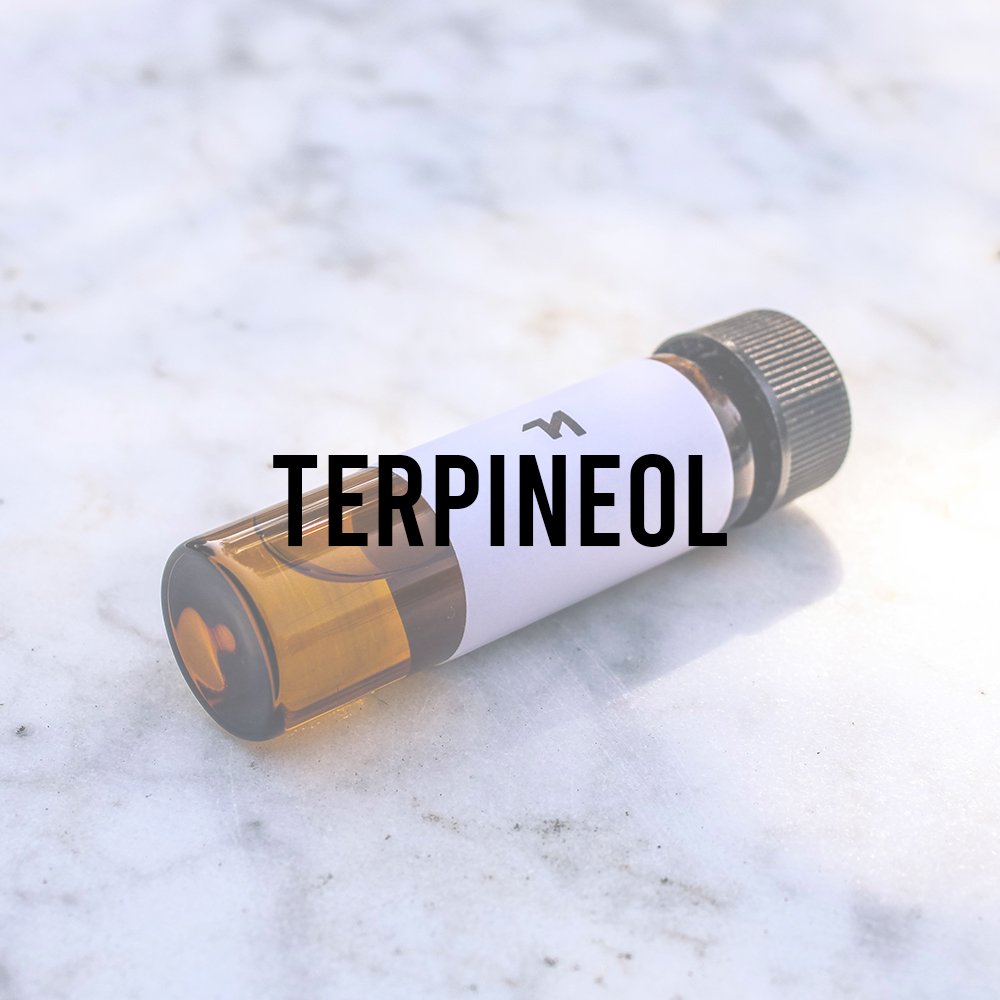
Credit: www.scentspiracy.com
Future Prospects And Innovations
Terpineol shows promising potential in various industries. It’s used in perfumes, cleaners, and even medicine. Innovations focus on sustainable production, improving its environmental impact and efficiency.
Terpineol, a prominent ingredient in essential oils, is capturing the attention of both researchers and industry leaders. As its applications expand, the future of terpineol promises exciting possibilities. From cutting-edge research to evolving market trends, this ingredient is poised to make a significant impact.Emerging Research
Recent studies are shedding light on terpineol’s potential beyond its traditional uses. Researchers are exploring its antimicrobial properties, which could lead to innovative health products. Imagine a world where terpineol-based solutions offer natural alternatives to chemical disinfectants. The cosmetic industry is also taking notice. Scientists are investigating terpineol’s ability to enhance skin care formulations. Could your next moisturizer contain this fragrant compound to improve hydration?New Market Trends
The demand for natural ingredients is on the rise, and terpineol is riding this wave. Consumers are increasingly seeking eco-friendly and sustainable products. This shift is opening new avenues for terpineol in various sectors, from cleaning products to personal care. Brands are keen to highlight terpineol’s benefits on their labels. This trend not only boosts sales but also educates consumers about the ingredient’s virtues. Are you ready to see terpineol as a household name in sustainable living? As the landscape evolves, companies are investing in research to refine terpineol extraction processes. This could lead to more cost-effective production and, ultimately, more affordable products for you. What innovations could we see in the next decade as a result? The future of terpineol is not just a distant dream; it’s unfolding before us. With emerging research and shifting market dynamics, this ingredient is set to transform industries and improve everyday life. Are you prepared to embrace these changes?Frequently Asked Questions
What Is Terpineol Used For?
Terpineol is used in perfumes, cosmetics, and soaps due to its pleasant aroma. It serves as a flavoring agent in food and beverages. In pharmaceuticals, it acts as an ingredient in antiseptic formulations. Terpineol also has applications in industrial products like solvents and cleaning agents.
What Is The Ingredient Terpineol?
Terpineol is a naturally occurring alcohol found in various essential oils like pine and petitgrain. It has a pleasant floral scent and is commonly used in perfumes, cosmetics, and cleaning products. Terpineol also offers antimicrobial properties, making it useful in health-related applications.
Is Terpineol Safe For Skin?
Terpineol is generally safe for skin when used in recommended concentrations. It offers antioxidant and anti-inflammatory properties. Always conduct a patch test before use. Consult a dermatologist if irritation occurs. Its safety makes it a popular ingredient in cosmetics and skincare products.
How Does Terpineol Make You Feel?
Terpineol often induces relaxation and stress relief. It can enhance mood and promote a sense of calmness. Some users report feeling more focused and uplifted. Effects may vary depending on individual tolerance and the specific strain of terpineol used. Always consult a professional before trying new substances.
Conclusion
Terpineol stands out as a versatile and beneficial ingredient. Its natural origins make it appealing to many. Found in pine oil, it brings a pleasant scent. This makes it popular in perfumes and cosmetics. It’s not just about the smell, though.
Terpineol also has potential health benefits. Some use it in aromatherapy for relaxation. Others appreciate its antibacterial properties. As awareness grows, more people are curious about it. Learning about terpineol can help you understand its many uses. Whether for fragrance or health, it’s worth exploring.