
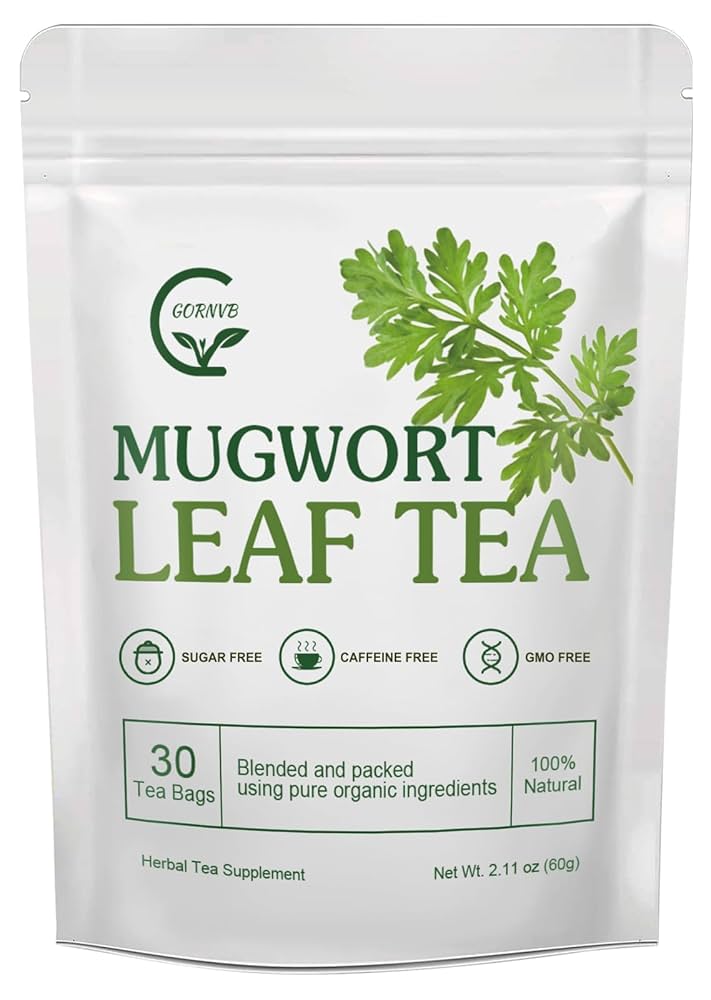
Unlock the secrets of a botanical powerhouse that could transform your skincare routine: Artemisia Vulgaris. Imagine discovering an ingredient that not only promises beauty but also offers therapeutic benefits for your skin and well-being.
This ancient herb, often overlooked in modern skincare, holds a treasure trove of potential for your beauty regimen. Are you ready to explore how Artemisia Vulgaris can revitalize your skin, soothe irritation, and bring a radiant glow to your complexion?
Dive into this article and uncover the wonders of this remarkable plant, tailored just for you. Your skin deserves the best, and this might be the missing piece in your skincare puzzle.
Credit: oemine-nature.com
Botanical Profile
Artemisia Vulgaris, commonly known as mugwort, is a fascinating plant. Its botanical profile reveals much about its history and uses. This hardy herb has been used for centuries in various cultures. Let’s delve into its unique characteristics and growing conditions.
Plant Characteristics
Mugwort is a perennial plant with tall, slender stems. It typically grows up to five feet tall. The leaves are dark green with a silvery underside. They have a distinct aromatic smell. The flowers are small and reddish-brown, blooming in late summer.
Growing Conditions
Artemisia Vulgaris thrives in well-drained soil. It prefers sunny locations but can tolerate partial shade. It is drought-resistant and adapts to varying soil types. Regular watering supports healthy growth, though it is a resilient plant.
Geographical Distribution
Mugwort is native to Europe, Asia, and North Africa. It has spread to North America and other regions. It grows naturally in fields, along roadsides, and in gardens. Its adaptability allows it to flourish in diverse climates. This wide distribution is a testament to its hardiness.

Credit: www.amazon.com
Historical Use
Artemisia Vulgaris, often known as mugwort, has a rich tapestry of historical use that spans continents and centuries. This versatile herb has played significant roles in traditional medicine, culinary arts, and cultural practices across the globe. Let’s explore how this fascinating plant has woven itself into the fabric of human history.
Traditional Medicine
In ancient times, healers turned to Artemisia Vulgaris for its medicinal properties. It was believed to aid digestion and relieve menstrual pain. Used as a natural remedy, it found its place in traditional Chinese medicine where it was thought to balance energy and treat ailments.
European herbalists used mugwort in teas and tinctures, believing it could ward off evil spirits. Imagine the relief when sipping on a mugwort infusion after a long day. It’s intriguing how something growing in your backyard might have been the medieval cure-all.
Does this make you wonder about the potential healing power of plants around you? It’s fascinating to consider what plants you might overlook that have been trusted through generations.
Culinary Applications
Mugwort isn’t just for medicine. It’s also been a star in the kitchen. In Japan, it flavors rice cakes, adding a unique taste that’s both earthy and slightly bitter. Consider the unexpected twist it brings to dishes.
In Europe, it was used to season meats, particularly goose. This practice might be less common today, but imagine the aroma of roasted meat infused with mugwort. Would you try adding it to your next roast?
Using mugwort in cooking shows the creativity of past generations. They knew how to make the most of what was available. How can you bring such ingenuity into your kitchen?
Cultural Significance
Beyond its practical uses, Artemisia Vulgaris holds cultural importance. It was considered a protective herb, often hung in homes or worn as amulets to ward off evil. This practice is still alive in some cultures today.
In Celtic traditions, it was associated with rituals celebrating the summer solstice. Picture communities coming together, marking the change of seasons with mugwort as a central element. Would you consider creating your own ritual with this herb?
Its presence in folklore and ceremonies highlights the deep connection between plants and cultural identity. What plant holds cultural significance in your heritage?
Artemisia Vulgaris offers a window into history, inviting you to explore its multifaceted role in human life. Whether through healing, cooking, or cultural practices, this herb has influenced lives in ways you might not expect. Now, how will you let it inspire your journey?
Phytochemical Composition
Artemisia vulgaris, commonly known as mugwort, has a rich phytochemical composition. This plant contains numerous active compounds and essential nutrients. Let’s explore what makes Artemisia vulgaris a unique botanical.
Active Compounds
Artemisia vulgaris boasts a variety of active compounds. These include flavonoids, which are known for their antioxidant properties. Antioxidants help protect the body from damage by free radicals. The plant also contains volatile oils. These oils have a distinctive aroma and potential therapeutic benefits. Sesquiterpene lactones are another key compound. They are studied for their anti-inflammatory effects.
Nutritional Profile
Artemisia vulgaris is not just about active compounds. It also has a notable nutritional profile. Vitamins such as vitamin C and vitamin E are present. These vitamins contribute to overall health. The plant contains minerals like potassium and calcium. Essential for maintaining bone health and muscle function. Fiber is another component found in Artemisia vulgaris. It supports digestion and promotes gut health.

Credit: kiwla.com
Health Benefits
Artemisia Vulgaris, commonly known as mugwort, is a plant celebrated for its myriad health benefits. Its historical use in traditional medicine has made it a staple in herbal remedies. Whether you’re battling digestive woes or seeking natural ways to combat inflammation, this herb might just be your new best friend. As we dive deeper into its advantages, you’ll discover how Artemisia Vulgaris could positively impact your well-being.
Digestive Aid
Struggling with digestive issues can be frustrating. Artemisia Vulgaris has been known to support digestive health. It can help stimulate appetite and ease indigestion. Imagine finally being able to enjoy your meals without discomfort.
Some individuals even use it to soothe symptoms of bloating and gas. Making a simple tea with this herb might be the soothing remedy your stomach has been craving. Are you ready to give your digestive system a break?
Anti-inflammatory Properties
Inflammation can be a silent saboteur of your health. Artemisia Vulgaris contains compounds that may help reduce inflammation. Its potential to alleviate pain and swelling could be a game-changer for those with chronic conditions.
If you’ve been relying heavily on over-the-counter medications, this herb offers a natural alternative. Think about how empowering it would be to manage inflammation with a plant-based solution. Could this be the relief you’ve been searching for?
Antimicrobial Effects
Our body’s defenses sometimes need a little extra support. Artemisia Vulgaris exhibits antimicrobial properties, which might help fend off harmful bacteria and viruses. This could be particularly beneficial during cold and flu season.
Imagine having an herbal ally in your corner, ready to boost your immune system when needed. Incorporating this herb into your routine might help you maintain better health. Are you prepared to enhance your body’s natural defenses?
Artemisia Vulgaris isn’t just a plant; it’s a potential powerhouse for your health. With its digestive benefits, anti-inflammatory properties, and antimicrobial effects, it offers practical solutions to everyday health challenges. Embrace the possibilities it brings and consider how this humble herb might fit into your wellness journey.
Modern Applications
Artemisia Vulgaris, commonly known as mugwort, is a plant that has been used for centuries in traditional medicine and rituals. Today, this versatile herb is gaining popularity in modern applications, spanning various industries. From skincare products to pharmaceutical advancements, Artemisia Vulgaris is making a mark.
Cosmetic Industry
In the world of cosmetics, Artemisia Vulgaris is hailed for its soothing and anti-inflammatory properties. It is often included in creams and serums that aim to calm irritated skin and reduce redness.
Imagine battling acne and discovering a product that transforms your skin. That’s the power of mugwort. It’s the secret ingredient in many Korean skincare brands, earning global attention for its effectiveness.
Have you ever tried a product with mugwort in it? If not, it might be time to explore this natural wonder.
Pharmaceutical Uses
Beyond beauty, Artemisia Vulgaris is making strides in pharmaceuticals. Its potential benefits for digestive health are under study, with some research hinting at its ability to relieve indigestion.
Consider a situation where you’ve tried countless remedies for digestive issues. Finding relief through mugwort could be a game-changer for you.
Are you curious about its future in treating more complex conditions? Researchers are exploring its potential in areas like sleep disorders and anxiety.
Herbal Supplements
Herbal supplements are another avenue where Artemisia Vulgaris shines. Many health enthusiasts use it in teas to promote relaxation and well-being.
Picture yourself sipping a warm mugwort tea after a long day. It’s a simple ritual that might just enhance your night routine.
Have you considered adding Artemisia Vulgaris supplements to your daily regimen? The subtle benefits could be worth exploring.
Artemisia Vulgaris’s role across these modern applications shows its versatility. Whether you’re seeking skincare solutions or exploring herbal remedies, this ancient herb offers something valuable. What potential uses could you explore with Artemisia Vulgaris in your life?
Potential Side Effects
Artemisia vulgaris may cause mild allergic reactions like skin irritation or digestive discomfort. It’s important to consult a healthcare provider before use, especially for individuals with allergies or existing health conditions.
When considering the use of Artemisia vulgaris, commonly known as mugwort, it’s crucial to understand its potential side effects. While many people seek out its supposed benefits, it’s important to remember that natural does not always mean risk-free. Let’s delve into some possible side effects you should be aware of.Allergic Reactions
Artemisia vulgaris can trigger allergic reactions in some individuals. If you have a history of allergies, especially to plants like ragweed, you might be more susceptible. Symptoms can include skin rashes, itching, or even respiratory issues. Before trying mugwort, consider performing a patch test on a small area of your skin. Observe any reactions within 24 hours. If you notice any irritation, it might be wise to avoid this herb.Toxicity Concerns
Excessive consumption of Artemisia vulgaris can lead to toxicity. This is primarily due to a compound called thujone, which is present in the plant. Thujone, in large amounts, can cause adverse effects such as nausea or vomiting. It’s essential to use mugwort in moderation. Stick to recommended dosages if you’re taking it in supplement form. Consult a healthcare professional if you’re unsure about safe usage. Have you ever thought about how something seemingly harmless could have hidden risks? Mugwort is a perfect reminder of why it’s important to approach herbal remedies with both curiosity and caution. Always prioritize your health and well-being by staying informed.Sustainability And Cultivation
Artemisia Vulgaris, known as mugwort, is gaining popularity. Its sustainable cultivation is important for both the environment and farmers. This herb can be grown with minimal resources, making it eco-friendly. Let’s explore how mugwort is harvested and its environmental impact.
Harvesting Practices
Mugwort is harvested in a careful manner to preserve its quality. Farmers often use manual tools, which reduces damage to the plant. This practice helps maintain soil health and encourages regrowth. Manual harvesting also provides jobs in local communities.
The timing of harvest is crucial. Mugwort is picked during its peak growth period. This ensures maximum potency and effectiveness. Proper drying techniques further enhance its quality. These practices help sustain the plant’s natural cycle.
Environmental Impact
Mugwort cultivation has a low environmental footprint. It requires little water and no synthetic fertilizers. This reduces pollution and conserves water resources. The plant’s natural resilience minimizes the need for pesticides.
Its roots help prevent soil erosion. They also improve soil structure by adding organic matter. The biodiversity around mugwort fields thrives. This encourages a healthy ecosystem, benefiting both flora and fauna.
Efforts to cultivate mugwort sustainably are growing. These practices help protect the planet while producing high-quality herbs. Mugwort’s eco-friendly nature makes it a valuable ingredient for a greener future.
Frequently Asked Questions
What Is Artemisia Vulgaris Used For?
Artemisia vulgaris, also known as mugwort, is used in traditional medicine for digestive disorders, menstrual pain, and anxiety. It is also employed in herbal teas and as a culinary herb for flavoring. Some people use it for its potential benefits in improving sleep and enhancing dreams.
Who Should Avoid Mugwort?
Pregnant women and individuals with allergies should avoid mugwort. Those with asthma or sensitive skin may also experience adverse reactions. Consult a healthcare professional if unsure about using mugwort.
What Is The Active Ingredient In Artemisia?
The active ingredient in Artemisia is artemisinin. This compound is known for its antimalarial properties. Artemisinin is extracted from the leaves of Artemisia annua, commonly referred to as sweet wormwood. It is widely used in traditional medicine and modern antimalarial treatments.
Is Mugwort The Same As St. John’s Wort?
Mugwort and St. John’s Wort are not the same. Mugwort is Artemisia vulgaris, while St. John’s Wort is Hypericum perforatum. Both are distinct herbs used for different purposes. Mugwort is often used in herbal medicine and rituals. St. John’s Wort is commonly used for mood disorders and depression.
Conclusion
Artemisia Vulgaris offers diverse benefits for health and skincare. It’s a natural ingredient with rich historical use. This plant supports digestion and offers calming effects. Many enjoy its soothing properties in teas and extracts. For skincare, it helps with hydration and soothing irritation.
Its natural aroma adds a pleasant touch to products. Easy to incorporate into daily routines. A versatile choice for those seeking nature’s touch. Embrace Artemisia Vulgaris in your life. Enjoy the gentle, natural benefits it provides. Remember, nature often holds the key to simple well-being.