
Have you ever wondered why some people seem to have effortlessly luscious hair, glowing skin, and strong nails? The secret might just lie in a tiny yet powerful ingredient known as biotin.
As you delve into the fascinating world of beauty and wellness, understanding the role of biotin could be your game-changer. Imagine boosting your confidence with healthier hair, radiant skin, and nails that don’t easily break. This article is your guide to uncovering how biotin can transform your beauty routine.
Prepare to be amazed by the potential benefits that are just a few steps away from becoming part of your daily life. Are you ready to discover how biotin could be your next beauty breakthrough?
Credit: puracy.com
Biotin Basics
Biotin, a vital nutrient, supports healthy hair, skin, and nails. This water-soluble vitamin plays a crucial role in energy production. Found in foods like eggs and nuts, biotin helps maintain your overall well-being.
Biotin Basics Understanding what makes our bodies tick can often feel overwhelming, but breaking things down into bite-sized pieces can make it easier. Biotin, also known as vitamin B7, is one of those essential nutrients you might have heard of but not fully understand. Let’s dive into the basics of biotin and uncover why it matters to your health.What Is Biotin?
Biotin is a water-soluble vitamin that plays a crucial role in converting food into energy. It supports the health of your skin, hair, eyes, liver, and nervous system. Interestingly, some people swear by biotin supplements for boosting hair growth and nail strength. But is it just hype, or does biotin truly deliver benefits? If you’ve ever noticed changes in your hair or nails after starting a new diet or supplement, biotin might have been a factor. It’s part of the complex B-vitamin family that keeps your body in top shape.Natural Sources Of Biotin
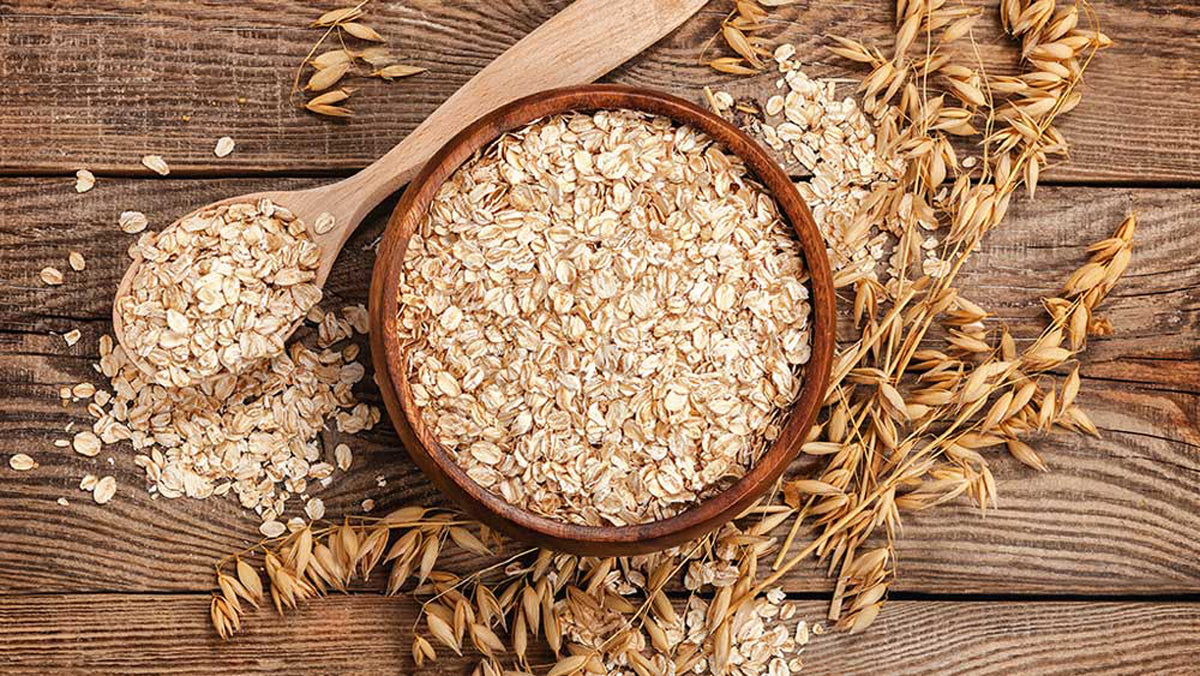
Before reaching for a supplement, consider the natural sources of biotin available in your everyday diet. Eggs, nuts, and seeds are rich in biotin and easy to incorporate into meals. Leafy greens like spinach and broccoli also offer a healthy dose, alongside whole grains like oats. Have you ever thought about how a simple breakfast choice, like a bowl of oatmeal or an omelet, can contribute to your biotin intake? Meats, such as liver and kidney, are excellent sources too, though they might not be everyone’s cup of tea. If you’re more plant-focused, avocados and mushrooms can be your go-to options. So, next time you’re planning a meal, think about how these ingredients can add more biotin to your diet naturally. Are you getting enough from your plate, or does your lifestyle require a little extra help from supplements? By knowing these basics, you can make informed choices about your health and well-being.
Credit: aor.us
Biotin Health Benefits
Biotin, often hailed as the beauty vitamin, plays a significant role in maintaining your body’s overall health and appearance. Its benefits extend beyond just aesthetics, impacting your hair, skin, and nails. If you’ve ever wondered why this vitamin is so revered, let’s dive into its specific health benefits.
Hair Growth And Strength
Have you ever felt like your hair just won’t grow? Biotin might be the answer. This vitamin supports hair growth by boosting keratin production, a key protein in your hair. It’s like giving your hair the fuel it needs to grow longer and stronger.
Many users have reported noticing thicker hair after consistent biotin intake. Imagine the joy of running your fingers through fuller, healthier hair. If you’re aiming for luscious locks, biotin can be your best ally.
Consider adding foods rich in biotin to your diet, such as eggs and nuts, or opt for biotin supplements. What’s your hair goal?
Skin Health
Biotin doesn’t stop at hair; it also contributes to healthier skin. It helps maintain the skin’s moisture levels, preventing dryness and flakiness. Picture waking up with soft, hydrated skin every day.
Some people have noted improved skin texture after adding biotin to their routine. It’s like giving your skin a gentle hug from the inside. Who wouldn’t want smoother, glowing skin?
Think about incorporating biotin-rich foods like avocados or sweet potatoes into your meals. How do you care for your skin?
Nail Strength And Growth
Weak nails that easily chip or break can be frustrating. Biotin can strengthen your nails, making them less prone to breaking. It’s like building a protective shield around your nails.
Many users have seen their nails grow faster and stronger with biotin. Imagine never having to deal with brittle nails again. Wouldn’t that be wonderful?
Try biotin supplements or foods like spinach and salmon to give your nails a boost. What are your nail care secrets?
Biotin is more than just a beauty aid; it’s a vital component of your health regimen. Whether it’s hair, skin, or nails, biotin offers practical benefits that you can see and feel. Ready to embrace the power of biotin?
Biotin In Diet
Biotin, a vital B-vitamin, supports healthy hair, skin, and nails. Found in eggs, nuts, and seeds, it helps convert food into energy. Including biotin-rich foods in your diet can enhance overall wellness.
Biotin, often touted as a beauty vitamin, plays a crucial role in maintaining your body’s overall health. This water-soluble B-vitamin is essential for converting food into energy. But did you know that a balanced diet can provide all the biotin you need? Let’s dive into how you can naturally include biotin in your daily meals.Daily Biotin Requirements
The amount of biotin you need each day can vary based on age and lifestyle. For adults, a daily intake of 30 micrograms is generally recommended. Are you getting enough in your diet, or do you find yourself reaching for supplements more often?Biotin-rich Foods
You’ll be pleased to know that many everyday foods are rich in biotin. Egg yolks, nuts like almonds and walnuts, and whole grains are excellent sources. Adding a handful of nuts to your breakfast or enjoying a boiled egg as a snack can easily boost your biotin intake.Supplementing With Biotin
If you’re struggling to meet your biotin needs through diet alone, supplements might be an option. They come in various forms like capsules and gummies, making them easy to add to your routine. However, consider asking yourself if you can adjust your diet first before spending money on supplements. What steps will you take to ensure your diet meets your biotin needs? By focusing on these simple dietary changes, you might just find your hair and nails thanking you.Biotin Deficiency
Biotin, also known as Vitamin B7, plays a crucial role in the body. It supports healthy skin, nails, and hair. A deficiency in biotin can lead to noticeable changes. Understanding biotin deficiency is important for maintaining well-being.
Signs And Symptoms
Biotin deficiency shows through various signs and symptoms. Thinning hair or hair loss is common. Skin rashes can also appear, often around the eyes or mouth. Some people experience brittle nails and tiredness. Muscle pain and a tingling sensation in hands and feet might occur.
Causes Of Deficiency
Several factors can cause biotin deficiency. Poor diet is a major reason. Biotin is found in eggs, nuts, and seeds. A lack of these foods can lead to low levels. Pregnancy increases the need for biotin. Certain medications can interfere with biotin absorption. Long-term antibiotic use affects gut bacteria, reducing biotin production.
Addressing Deficiency Issues
Addressing biotin deficiency begins with a balanced diet. Include biotin-rich foods like nuts, seeds, and eggs. Supplementation might be necessary for some individuals. Consult a healthcare provider before starting supplements. Monitoring and adjusting medication can help. Discuss any concerns with your doctor.
Biotin Myths And Misconceptions
Biotin, often hailed as the miracle vitamin for hair, skin, and nails, has garnered a lot of attention. But with popularity comes misinformation, and biotin is no exception. As you navigate through the sea of information, you might find yourself asking: What is true and what is just a myth? Let’s uncover the myths and misconceptions surrounding biotin.
Common Myths
Many believe biotin can cure all hair problems overnight. If only it were that simple! While biotin supports healthy hair, it doesn’t work miracles. Hair growth takes time and is influenced by genetics and overall health.
Another myth is that biotin is only for women. Men, don’t be fooled. Biotin benefits everyone, helping maintain healthy skin and nails too. Whether you’re male or female, biotin can be a valuable addition to your diet.
Some claim you need high doses of biotin for it to be effective. That’s not always the case. Often, a balanced diet provides enough biotin. Excessive intake can lead to unnecessary health issues.
Clarifying Misunderstandings
One misunderstanding is that biotin deficiency is common. In reality, it’s quite rare. Foods like eggs, nuts, and whole grains naturally provide biotin, supporting your body’s needs.
It’s also misunderstood that biotin works alone. Biotin functions best with other vitamins and minerals. Think of it as part of a team, not a solo player. Your body needs a balanced mix for optimal health.
Biotin is sometimes mistaken for a quick fix for brittle nails. While it strengthens nails over time, you need patience. Consistent intake can lead to noticeable improvements, but persistence is key.
So, what’s your take on biotin myths? Have you experienced the hype firsthand? Share your thoughts and let’s continue the conversation on understanding biotin better.

Credit: www.puritan.com
Safety And Side Effects
Biotin, often hailed as the “beauty vitamin,” is a popular supplement for those looking to enhance their hair, skin, and nail health. While its benefits are well-publicized, it’s essential to understand the safety and side effects associated with its use. Before you add biotin to your daily routine, let’s dive into its potential side effects and how you can use it safely.
Potential Side Effects
Biotin is generally safe for most people, but like any supplement, it may cause side effects in some individuals. You might experience mild symptoms like nausea or digestive issues. These symptoms are rare and often occur when taking higher doses.
If you’ve ever felt slightly off after starting a supplement, you’re not alone. Many people don’t realize that even beneficial vitamins can occasionally trigger unexpected reactions. It’s always wise to start with a small dose and see how your body reacts.
Have you noticed breakouts or a rash after taking biotin? While uncommon, skin reactions can happen. If you suspect biotin is the culprit, stop taking it and consult a healthcare professional.
Safe Dosage Guidelines
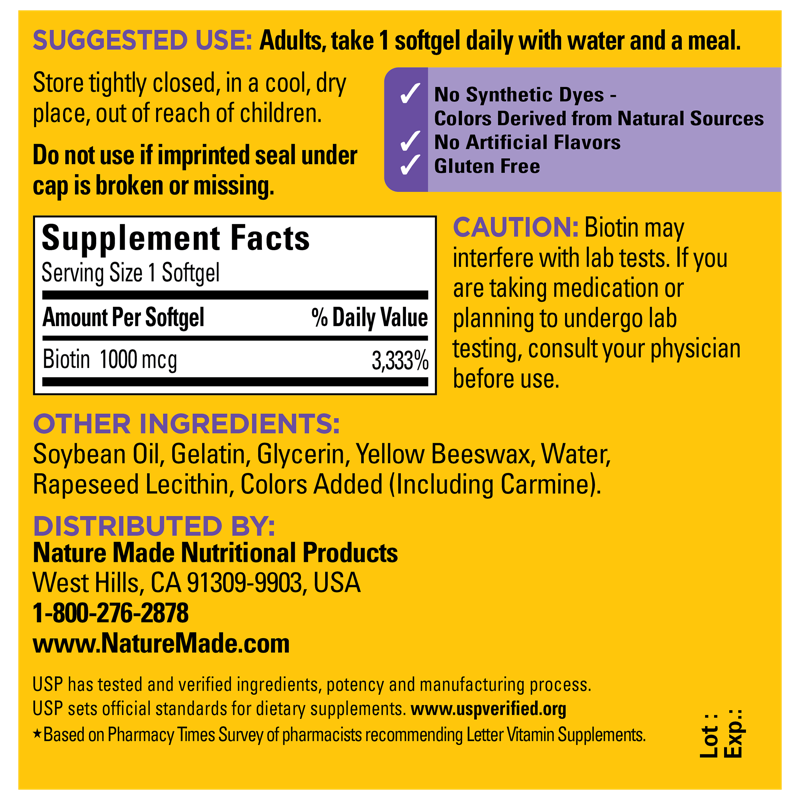
Determining the right dose of biotin is crucial for your health and well-being. The recommended daily intake for adults is usually around 30 micrograms. However, some supplements offer doses much higher than this.
More isn’t always better. Taking excessive amounts can lead to imbalances and unwanted side effects. Consider starting with a lower dose and gradually increasing if needed, always staying within safe limits.
Are you unsure about the right dosage for you? Consulting with a healthcare provider can provide personalized advice. They can help tailor your supplement intake based on your specific health needs and goals.
Understanding the safety and side effects of biotin empowers you to make informed decisions. It ensures that you can enjoy its benefits without compromising your health. Always listen to your body and prioritize your well-being.
Biotin In Beauty Products
Biotin, a B-vitamin, is a popular ingredient in beauty products. Known for supporting hair and skin health, it’s often found in shampoos, conditioners, and skincare items. Many people believe biotin can enhance their appearance by strengthening hair and improving skin texture. This belief has led to its widespread use in beauty formulations.
Popular Biotin Products
Biotin-infused shampoos are a favorite among those seeking thicker hair. These products often promise to boost volume and improve hair strength. Many brands offer biotin conditioners too, aiming to nourish and protect hair. Skincare products with biotin are gaining popularity. These creams and serums target skin hydration and elasticity.
Effectiveness In Topical Use
Topical biotin’s effectiveness is debated among experts. Some studies suggest it may not penetrate the skin or hair deeply. Therefore, its benefits might be limited compared to oral supplements. Consumers often report positive results, though. They claim smoother skin and healthier hair appearance. More research is needed to confirm these benefits scientifically.
Frequently Asked Questions
What Is The Ingredient In Biotin?
Biotin is a water-soluble B vitamin, also known as vitamin B7. Its primary ingredient is biotin itself, often found in supplements. It supports healthy hair, skin, and nails. Biotin is naturally present in foods like eggs, nuts, and seeds. It plays a crucial role in metabolism and energy production.
Why Shouldn’t You Take Biotin Every Day?
Taking biotin daily can lead to excessive intake. This may cause skin rashes, digestive issues, or interfere with lab tests. Consult a healthcare professional for guidance on proper dosage and frequency to ensure safety and effectiveness.
Is Vitamin E The Same As Biotin?
Vitamin E and biotin are different nutrients. Vitamin E is an antioxidant, while biotin is a B-vitamin. Both support health but serve distinct functions. Vitamin E protects cells, while biotin aids metabolism and supports hair, skin, and nails. They are not interchangeable.
Is Biotin Safe For The Kidneys?
Biotin is generally safe for kidneys when taken in recommended doses. Excessive intake may cause potential issues. Always consult a healthcare professional before starting supplements. It’s important to maintain a balanced diet and be cautious with high doses to avoid any adverse effects on kidney health.
Conclusion
Biotin plays a crucial role in supporting healthy hair and nails. It also aids metabolism and energy production. Regular intake can enhance skin health and strengthen hair strands. Many foods naturally contain biotin, like eggs and nuts. Including these in your diet boosts your biotin levels.
Supplements are another option if needed. Always consult a healthcare provider before starting supplements. Understanding your body’s needs is important. With biotin, small changes can make a big difference. Embrace its benefits for a healthier you.