
Have you ever wondered if your nightly skincare routine is truly effective or if you might be following advice that’s more fiction than fact? You’re not alone.
The world of skincare is flooded with myths that can lead you astray, wasting your time and hard-earned money. Imagine finally having the clarity to distinguish between what’s beneficial for your skin and what’s merely a myth. This article will uncover common skincare misconceptions, empower you to make informed choices, and potentially transform your skin health for the better.
Keep reading to discover the truth about skincare myths and unlock the secret to a more radiant you.
Common Skin Care Myths
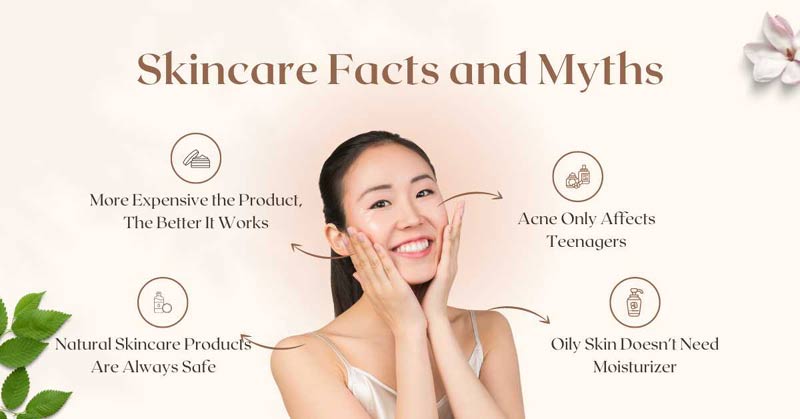
Misunderstandings about skin care can lead to ineffective routines. Many believe oily skin doesn’t need moisture, which is false. Another myth is that sunscreen is only necessary on sunny days, but UV rays can harm skin even in cloudy weather.
Myth 1: You Only Need Sunscreen On Sunny Days
Many people believe that sunscreen is only for beach days or when the sun is shining brightly. This couldn’t be further from the truth. UV rays can penetrate clouds and even glass, meaning your skin is exposed even on overcast days or while sitting by a window. Make sunscreen a daily habit, rain or shine, to protect your skin from long-term damage.Myth 2: Oily Skin Doesn’t Need Moisturizer
Think you can skip moisturizer because of oily skin? Think again. Depriving your skin of moisture can actually lead it to produce more oil to compensate. Choose a lightweight, oil-free moisturizer that hydrates without adding extra shine. Your skin will thank you for the balance.Myth 3: Expensive Products Are Always Better
It’s easy to assume that high-end products work wonders because of their price tag. However, price isn’t always an indicator of effectiveness. Many affordable products contain the same active ingredients as their pricey counterparts. It’s more important to look at the ingredients and what works for your skin type.Myth 4: Natural Ingredients Are Always Safe
The term “natural” can be misleading. Just because something is natural doesn’t mean it’s automatically good for your skin. Poison ivy is natural, but you wouldn’t want it in your moisturizer! Always patch test new products and pay attention to how your skin reacts, regardless of their natural status.Myth 5: More Product Equals Better Results
You might think slathering on more product will speed up results, but that’s not usually the case. Overloading your skin can lead to clogged pores and irritation. A pea-sized amount of most creams and serums is often enough. Less is more when it comes to skin care. What myths have you fallen for? Challenge these misconceptions and make informed decisions for your skin care routine. The truth is, your skin is unique and deserves a routine tailored to its specific needs.Myth: Natural Ingredients Are Always Safe
Natural ingredients are often perceived as the safest choice for skin care. This belief stems from the idea that everything natural is inherently good. Many forget that nature can also harbor elements harmful to our skin. Not every natural ingredient benefits every skin type. It’s crucial to understand the effects of each component before use.
Natural Doesn’t Mean Non-irritating
Some natural ingredients can cause skin irritation. Essential oils like lavender or tea tree may trigger allergic reactions. Not everyone reacts the same way to these oils. Patch tests are vital before applying any new product.
Potential For Allergies
Natural ingredients can sometimes lead to allergic responses. Ingredients like chamomile or rose may seem gentle. Yet, they can cause redness or itching in sensitive individuals. Recognizing your skin’s reaction is important.
Misleading Labels
Products labeled ‘natural’ can contain synthetic additives. Some brands use vague terms to imply purity. Always read ingredient lists carefully. This helps ensure you’re truly getting a natural product.
Understanding Chemical Components
Natural ingredients can still have chemical properties. These chemicals might interact negatively with other products. Knowing the chemical makeup of an ingredient aids in safe usage. Don’t assume natural means simple.
Consulting A Dermatologist
Expert advice is essential for choosing the right skin care products. Dermatologists can assess your skin type. They help identify which natural ingredients suit your needs. Their guidance prevents potential skin issues.
Myth: Expensive Products Are More Effective
You’ve probably heard it said: the more expensive a skincare product is, the better it will work. This belief has permeated the beauty industry, convincing many that high price tags equate to high efficacy. But is this really true? Let’s dive into why expensive doesn’t always mean better when it comes to skincare.
Brand Marketing Vs. Product Quality
Many luxury skincare brands spend a lot on marketing. They create glamorous packaging and celebrity endorsements, which can make products seem more effective than they are. The truth is, the ingredients in a product matter more than the logo on the jar.
Consider the active ingredients in a high-end cream. Sometimes, a drugstore product contains the same components for a fraction of the price. Read labels carefully and research ingredient benefits, rather than relying solely on brand reputation.
Do Pricey Products Really Deliver Better Results?
Ask yourself this: have expensive products given you visibly better skin? In many cases, results depend on skin type and condition, not price. A $20 moisturizer can work wonders for someone with dry skin, while a $200 cream might not change anything.
It’s crucial to choose products tailored to your skin’s needs. Expensive products often contain fragrances and fillers that can irritate sensitive skin. Sometimes, simplicity is key to effective skincare.
Budget-friendly Alternatives
Look for affordable products with proven ingredients like hyaluronic acid, retinol, and vitamin C. These can be found in many budget-friendly options and are known for delivering real results.
Try testing products that contain these ingredients before committing to luxury brands. You might be surprised by how well they work without breaking the bank.
How To Choose The Right Product
Consider your skin’s unique needs. Is your skin oily, dry, or sensitive? Once you know your skin type, choose products that address those specific concerns.
Read reviews and ask for samples when possible. Many stores offer samples that let you try products before purchasing them. This way, you can see if a product suits you without spending a fortune.
Final Thoughts: Is It Worth Splurging?
Think about your priorities. If you’re drawn to expensive products for their packaging or brand prestige, reconsider what truly matters. Effective skincare doesn’t require a big budget, just a bit of knowledge and patience.
Would you rather spend money on a product that works, or on a brand name? Your skin deserves the best care, regardless of the price tag. Choose wisely, and your skin will thank you!
Myth: Oily Skin Doesn’t Need Moisturizer
Many believe oily skin doesn’t need moisturizer. This is a myth. Moisturizer helps balance skin’s oil production. Hydration is key for all skin types.
Many people with oily skin skip moisturizer, believing it will make their skin even shinier. But is this belief grounded in truth? The idea that oily skin doesn’t need moisturizer is a common myth, and it’s time to set the record straight. Moisturizing is essential for every skin type, even those with excess oil. Let’s delve deeper into why your oily skin still craves that touch of hydration.Understanding Your Skin’s Needs
Your skin produces oil to protect itself and maintain moisture. Skipping moisturizer can trick your skin into thinking it needs to produce even more oil. This can lead to a vicious cycle of overproduction, resulting in a greasy complexion. A lightweight, oil-free moisturizer can help balance your skin’s oil production. Look for products labeled as non-comedogenic, which means they won’t clog your pores. This keeps your skin hydrated without adding extra shine.Hydration Vs. Oiliness
There’s a big difference between moisture and oil. Moisture refers to water content in your skin, while oil is the natural sebum your skin produces. Even oily skin can be dehydrated, lacking the water it needs to stay healthy. Dehydrated skin can look dull and feel tight, prompting your skin to produce more oil. By using a moisturizer, you provide your skin with the hydration it needs, potentially reducing that unwanted shine.Personal Experience: A Game Changer
I once believed that avoiding moisturizer would keep my face matte throughout the day. But my skin only got oilier, and I was constantly reaching for blotting papers. When I finally added a light, gel-based moisturizer to my routine, I noticed a significant change. My skin felt more balanced, and the midday shine was less of an issue. Have you been avoiding moisturizer for fear of greasy skin? It might be time to experiment with a formula designed for oily skin.Choosing The Right Moisturizer
Selecting the right moisturizer can be daunting with so many options. But knowing what to look for can simplify the process. Opt for products with ingredients like hyaluronic acid or glycerin, which attract and retain moisture without adding oil. Avoid heavy creams and opt for gel or water-based formulations. These are specifically designed for oily skin and won’t feel heavy or greasy.Takeaway: Don’t Skip The Moisturizer
Every skin type, including oily skin, benefits from a good moisturizer. Ignoring your skin’s need for hydration can lead to more oil production and other skin issues. By choosing the right product, you can keep your skin looking fresh and balanced. Are you ready to rethink your skincare routine? Embrace moisturizer, and discover how it can transform your skin for the better.Myth: Sunscreen Is Only For Sunny Days
Sunscreen is often thought of as a summer essential. Many people assume it’s only needed when the sun is shining brightly. But this belief is far from the truth. Sunscreen is vital every day, no matter the weather.
Why Uv Rays Are Present All Year
UV rays are not limited to sunny days. They exist even when clouds cover the sky. These rays can harm your skin, causing damage and aging. So, daily protection is crucial.
Cloudy Days Can Be Deceptive
On cloudy days, UV rays still penetrate the clouds. They reach your skin without you noticing. This invisible threat makes sunscreen necessary, even when the sun isn’t visible.
Indoor Exposure To Uv Rays
Surprisingly, UV rays can affect you indoors. They pass through windows, impacting your skin. So, applying sunscreen indoors is also wise.
Winter Sunscreen Use
Winter months bring cold and snow, but UV rays persist. Snow reflects sunlight, intensifying UV exposure. Thus, sunscreen should be part of your winter routine.
Protecting Against Skin Damage
Consistent sunscreen use helps prevent skin damage. It reduces risks of sunburns and skin cancer. A daily application ensures long-term skin health.

Credit: www.instagram.com
Myth: Tanning Beds Are A Safe Alternative
Tanning beds have gained popularity as an alternative to sunbathing. Many believe these devices offer a safer way to get that sun-kissed glow. But is it true? The myth suggests tanning beds are safe, but the reality is quite different. This misconception can lead to harmful consequences for your skin.
Myth: Tanning Beds Do Not Cause Skin Cancer
Many think tanning beds don’t cause skin cancer. But this belief is false. Tanning beds emit UV radiation, just like the sun. This radiation can damage skin cells, increasing cancer risk. Regular use of tanning beds significantly raises the chances of melanoma.
Myth: Tanning Beds Offer Controlled Uv Exposure
Some claim tanning beds provide controlled UV exposure. This is misleading. The UV rays from tanning beds can be more intense than the midday sun. Short, frequent sessions still damage skin, leading to premature aging.
Myth: Tanning Beds Are A Safe Vitamin D Source
People often use tanning beds for vitamin D. But there are safer methods. Food and supplements can provide necessary vitamin D. Tanning beds aren’t a risk-free source. UV exposure from beds is not essential for vitamin D production.
Myth: Tanning Beds Do Not Cause Premature Aging
Some believe tanning beds don’t cause aging signs. This is incorrect. UV exposure speeds up skin aging. It leads to wrinkles and sunspots. Using tanning beds can make skin look older faster.
Myth: Tanning Beds Are Safe For Young People
There is a misconception that tanning beds are safe for youth. Young skin is more vulnerable to UV damage. Starting tanning bed use at a young age increases lifetime skin damage risk.
Myth: All Tanning Beds Are The Same
Not all tanning beds offer the same UV levels. Some may emit stronger radiation. This makes it hard to gauge safety. No tanning bed is truly safe for your skin.
Myth: Popping Pimples Clears Skin
Many believe that popping pimples will clear their skin faster. It seems logical. The blemish disappears, right? But this is a risky approach. Popping pimples can lead to more harm than good. It might cause scarring or infection. Understanding the truth behind this myth is crucial for healthy skin care.
What Happens When You Pop A Pimple?
Pressing a pimple forces bacteria deeper into the skin. The surrounding area becomes inflamed. You might think it looks better at first. But later, redness and swelling appear. This can prolong the healing process. It might even lead to permanent scars.
Risks Of Popping Pimples
Popping pimples can introduce new bacteria. Dirty fingers transfer germs onto the skin. This increases the risk of infection. Open wounds heal slowly. They can become breeding grounds for bacteria. Popping pimples also disrupts the skin’s natural healing cycle.
Better Alternatives For Clear Skin
Use gentle cleansers and spot treatments. Salicylic acid helps reduce inflammation. Benzoyl peroxide kills bacteria effectively. A balanced diet supports skin health. Hydration is key for healthy skin. Regular moisturizing keeps skin soft and supple.
Professional Treatments To Consider
Consult a dermatologist for stubborn acne. They offer safe extraction methods. Chemical peels can refresh and rejuvenate skin. Laser treatments target deep acne scars. These options are safer than popping pimples at home.

Credit: www.youthfulinfusionmedspa.com
Myth: Drinking Water Hydrates Skin
Many people believe that drinking plenty of water can hydrate your skin from the inside out. This idea is everywhere, promising a simple solution to achieving glowing, supple skin. But is it really that simple? Let’s dive into this common skin care myth and see if there’s any truth to it.
Staying well-hydrated is crucial for overall health, but expecting water to directly hydrate your skin is misleading. Drinking water supports bodily functions, yet it doesn’t guarantee a dewy complexion. The skin’s outermost layer doesn’t benefit directly from the water you consume.
Think about it: if drinking water alone could hydrate your skin, why would moisturizers and serums exist? Topical products are designed to target the skin’s surface, providing moisture where it’s needed most. Water you drink primarily aids internal organs, not your skin.
How Does Skin Actually Stay Hydrated?
Your skin relies on a well-balanced combination of oil and water to stay hydrated. This balance is maintained by your skin’s natural barrier, which locks in moisture and prevents dryness. Without a strong barrier, your skin can become dehydrated, regardless of water intake.
Using a moisturizer helps reinforce this barrier, keeping your skin soft and supple. Opt for products rich in ingredients like hyaluronic acid and glycerin. These ingredients attract water to the skin’s surface, offering visible hydration.
What You Can Do For Truly Hydrated Skin
Focus on a consistent skin care routine that includes gentle cleansing and proper moisturizing. Look for products tailored to your skin type. This ensures your skin gets the hydration it needs without unnecessary irritation.
Consider adjusting your diet to include water-rich fruits and vegetables. These not only hydrate your body but also provide essential vitamins that benefit your skin. Think cucumbers, watermelon, and oranges.
Is Your Environment Affecting Your Skin’s Hydration?
Environmental factors can wreak havoc on your skin’s hydration levels. Extreme temperatures, humidity, and even air conditioning can strip your skin of moisture. Protect your skin by using a humidifier in dry climates.
Limit long, hot showers that can deplete your skin’s natural oils. Instead, opt for lukewarm water and pat your skin dry to avoid irritation. Small changes in your daily routine can significantly impact your skin’s hydration.
Have you noticed the difference when you changed your routine? Share your experiences and tips in the comments below. Your insights might be the solution someone else is searching for.
Myth: Anti-aging Products Work Instantly
In the world of skincare, the promise of instant results can be quite tempting. Many people believe that anti-aging products will erase wrinkles and fine lines overnight. However, this expectation often leads to disappointment and confusion.
Understanding Product Timelines
Anti-aging products require time to show noticeable effects. Most skincare products work by gradually improving the skin’s texture and elasticity. It’s important to be patient and consistent with your routine.
The Role Of Ingredients
Key ingredients like retinol and hyaluronic acid need time to penetrate and work within your skin. Typically, you might start seeing subtle changes after a few weeks. Regular use can lead to more significant improvements over several months.
Consistency Is Key
Have you ever given up on a product too soon because you didn’t see immediate results? Consistent application is crucial for anti-aging products. Think of them as a long-term investment in your skin’s health.
Setting Realistic Expectations
Expecting overnight miracles can lead to unnecessary frustration. Instead, set realistic goals for your skincare journey. Remember, even the most effective products need time to deliver lasting results.
Personal Experience: Patience Pays Off
When I first tried an anti-aging serum, I was eager to see changes. It took about six weeks before I noticed a difference in my skin’s firmness. The wait was worth it, and it taught me the value of patience in skincare.
Ask Yourself
Are you giving your products enough time to work? Reflect on your current routine and consider adjusting your expectations. Sometimes, the best results come to those who wait.
Myth: More Product Equals Better Results
Many believe layering products leads to better skin. This myth suggests using more is always better. But skin care is complex. Overuse can harm rather than help.
Products work best when used correctly. Quantity doesn’t guarantee effectiveness. Learn how to use them wisely.
Understanding Product Absorption
Skin can only absorb so much. Applying too much product overwhelms it. Excess sits on the surface. This reduces effectiveness. Quality matters more than quantity.
The Importance Of Proper Application
Using products correctly enhances results. Follow instructions for optimal benefits. Applying too much can irritate skin. Less is often more.
Potential Risks Of Overuse
Too much product can clog pores. This may lead to breakouts. Sensitive skin might react negatively. Balance is key for healthy skin.
Finding The Right Balance
Every skin type is unique. Understanding your skin’s needs is crucial. Experiment with different amounts. Listen to your skin’s response.
Quality Over Quantity
Invest in good products. Choose those suited for your skin. Quality makes a difference. Focus on what works best for you.
Debunking Skin Care Myths
Everyone wants clear and healthy skin. But confusion surrounds skin care advice. Many myths cause more harm than good. Let’s shed light on these misconceptions.
Myth 1: Oily Skin Needs No Moisturizer
Many believe oily skin doesn’t need moisturizing. This isn’t true. Even oily skin requires hydration. Moisturizers help balance oil production. Choose a lightweight, oil-free product.
Myth 2: Sunscreen Is Only For Sunny Days
Sunscreen is essential every day. UV rays penetrate clouds. They can harm your skin even on cloudy days. Daily sunscreen protects against these rays. It prevents premature aging and damage.
Myth 3: Natural Products Are Always Safe
Not all natural products are safe for everyone. Some may cause allergies or irritation. Always patch-test new products. Ensure they suit your skin type.
Myth 4: Expensive Products Work Better
Price doesn’t always guarantee effectiveness. Many affordable products work well. Check ingredients, not price tags. Find what suits your skin and budget.
Trusted Skin Care Practices
In the world of skincare, myths often overshadow facts. Many people follow outdated advice, leading to ineffective routines. Trusted skin care practices can guide you toward healthier skin. Understanding these can make a significant difference in your daily regimen.
Proper Hydration For Skin Health
Hydration plays a crucial role in skin health. Drinking plenty of water keeps skin cells plump and fresh. It aids in maintaining skin elasticity. Moisturizers lock in hydration, preventing dry, flaky skin. Choose a moisturizer that suits your skin type.
The Importance Of Sun Protection
Sun protection is vital for healthy skin. UV rays can cause premature aging and damage. Use sunscreen daily, even on cloudy days. A broad-spectrum SPF of at least 30 is recommended. Reapply every two hours when outdoors.
Cleansing Without Overdoing It
Proper cleansing removes dirt and oil. Over-cleansing can strip the skin of natural oils. This can lead to irritation and dryness. Use a gentle cleanser suited for your skin type. Cleanse twice a day, morning and night.
Understanding Skin Types
Each skin type has unique needs. Knowing your skin type is essential for effective skincare. Oily, dry, combination, or sensitive skin requires tailored products. Use products designed for your specific skin type. This ensures better results and healthier skin.
The Role Of A Balanced Diet
A balanced diet supports skin health. Nutrient-rich foods nourish the skin from within. Vitamins, minerals, and antioxidants play a crucial role. Include fruits, vegetables, and whole grains in your diet. Healthy fats like omega-3s are beneficial for skin elasticity.
Credit: www.ambujasolvex.com
Frequently Asked Questions
Is Washing Your Face Frequently Beneficial?
Washing your face too often can strip away natural oils, causing dryness and irritation. It’s best to cleanse twice daily. Over-washing can disrupt the skin’s balance and lead to sensitivity. Consistent, gentle cleansing helps maintain a healthy complexion and prevents damage.
Does Sunscreen Cause Acne Breakouts?
Sunscreen doesn’t inherently cause acne. Non-comedogenic formulas are less likely to clog pores. Choose a sunscreen suitable for your skin type. Regular use prevents UV damage and supports overall skin health. Proper cleansing can remove any residue and reduce potential irritation.
Is Natural Skincare Always Better?
Natural skincare isn’t automatically superior. Ingredients must be proven effective and safe for use. Some natural products may irritate sensitive skin. Synthetic options can be beneficial and tailored to specific needs. It’s essential to choose products based on your skin’s unique requirements.
Can Drinking Water Improve Skin Health?
Drinking water is vital for overall health, but alone doesn’t drastically change skin’s appearance. Hydration supports skin elasticity and function. Balanced water intake contributes to a healthy glow. Combine it with a consistent skincare routine for the best results.
Conclusion
Debunking skin care myths can improve your routine. Clear skin starts with facts. Many myths mislead and confuse. Knowing the truth helps make better choices. Simple steps can lead to healthier skin. Always research before trying new products. Consult experts for guidance.
Proper knowledge is key to effective care. Remember, not all advice is right for you. Your skin is unique, deserving personalized attention. Stay informed and be cautious. Trust science, not myths. Embrace a routine that truly benefits your skin. With the right approach, healthy, glowing skin is within reach.