
Have you ever wondered how long your favorite essential oils stay fresh and effective? Knowing the lifespan of your oils can save you money and ensure you get the best results every time.
If you’ve ever opened a bottle and questioned whether it still works or if it’s time to toss it, you’re not alone. You’ll discover the simple facts about how long essential oils last, what affects their shelf life, and how you can make them last longer.
Keep reading to protect your investment and enjoy your oils at their best!

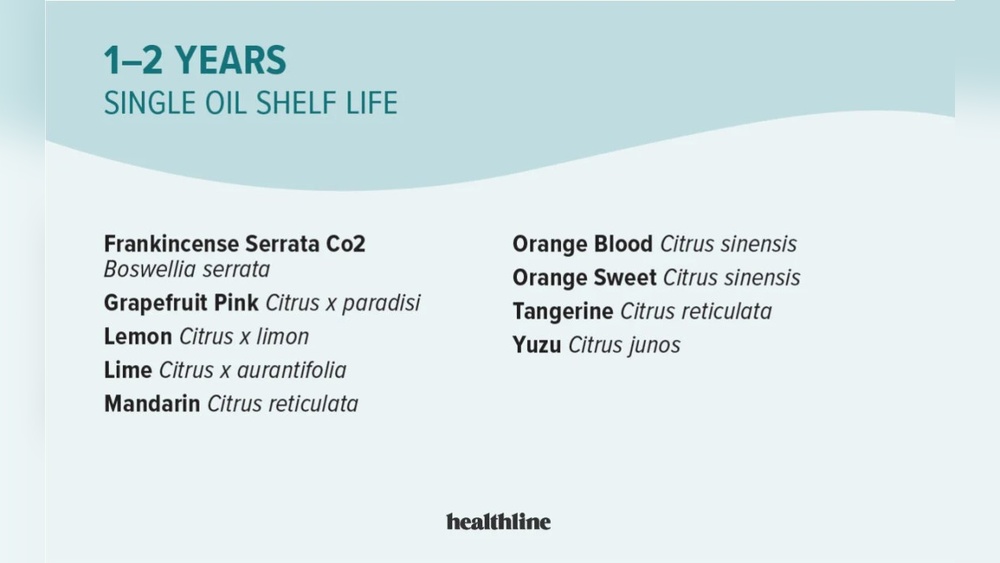
Credit: www.healthline.com
Shelf Life Basics
Essential oils have a shelf life that varies by type and storage. Knowing the basics helps keep oils fresh and safe to use. Proper care extends their life and preserves their benefits.
Understanding how long your essential oils last saves money and avoids wasted products. It also ensures you get the best aroma and effects every time.
What Affects Shelf Life
Light, heat, and air exposure reduce oil quality quickly. Dark glass bottles help protect oils from sunlight. Keep bottles tightly closed to stop air from entering.
Some oils last longer than others due to their chemical makeup. Citrus oils usually expire faster than woody or resinous oils. Storage temperature also plays a big role. Cooler places slow down oil breakdown.
How To Identify Expired Oils
Expired oils often smell different or weaker. A sour or off scent is a clear sign. Oils may also change color or become cloudy. These changes mean the oil is no longer good to use.
Test oils on a small skin patch before use. If irritation occurs, discard the oil. Always trust your senses to judge oil freshness.
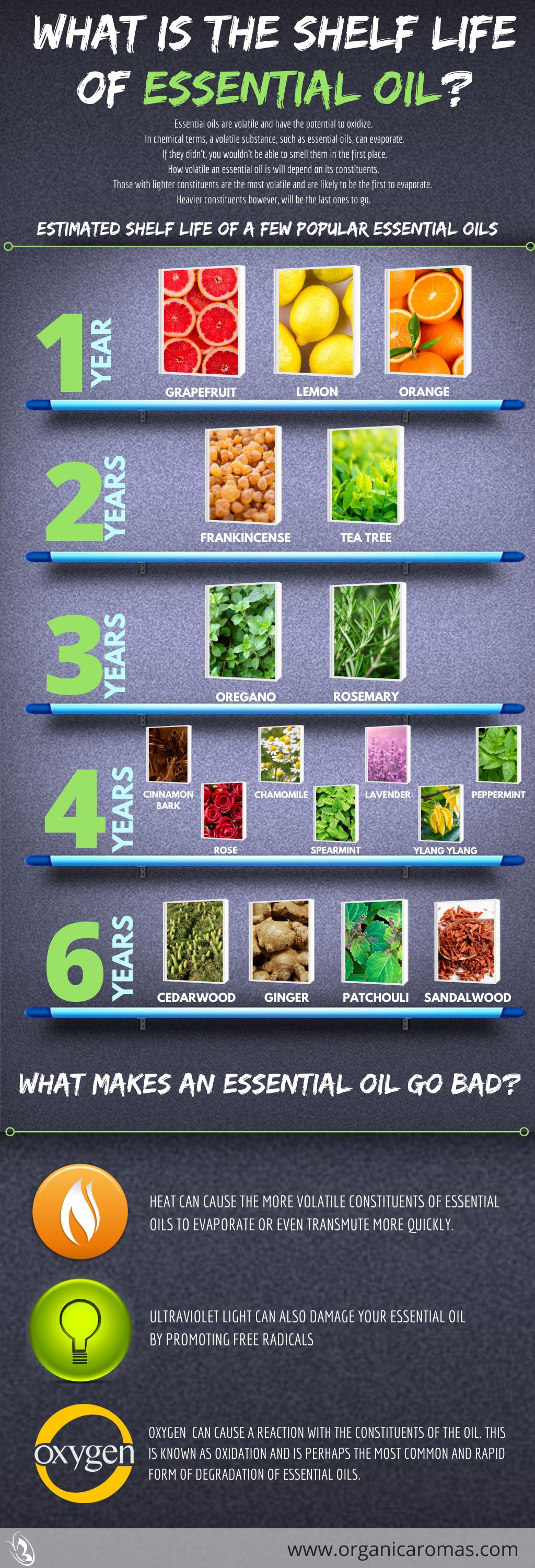
Credit: organicaromas.com
Shelf Life Of Popular Oils
Essential oils have different shelf lives based on their type. Knowing how long each oil lasts helps you use them safely and effectively. Proper storage also affects how long oils keep their scent and benefits.
Lavender And Floral Oils
Lavender and other floral oils usually last about 1 to 2 years. They have light, delicate scents that fade faster than heavier oils. Store them in dark bottles away from heat and sunlight.
Citrus Oils
Citrus oils like lemon and orange have a shorter shelf life. They last around 6 months to 1 year. These oils oxidize quickly, so use them fast after opening. Keep them in a cool, dark place.
Wood And Spice Oils
Wood and spice oils, such as cedarwood and cinnamon, last longer. Their shelf life ranges from 2 to 3 years. These oils contain natural preservatives that slow down aging.
Herbal And Resin Oils
Herbal and resin oils like rosemary and frankincense last about 2 years. These oils have strong scents that stay fresh longer. Store them tightly sealed to avoid evaporation.
Storage Tips To Extend Life
Proper storage helps keep essential oils fresh longer. Oils can lose their scent and benefits if stored poorly. Simple steps protect them from damage. Follow these tips to save your oils and use them fully.
Ideal Temperature And Light Conditions
Keep essential oils in a cool place. Heat speeds up oil breakdown and weakens them. Avoid storing oils near windows or heaters. Light can change oil quality fast. Dark places help oils last longer. A cupboard or drawer works well.
Choosing The Right Containers
Use dark glass bottles for storing oils. Amber or cobalt blue glass blocks sunlight. Plastic containers may react with oils and spoil them. Glass keeps oils pure and safe. Tight lids stop air from entering. This prevents oils from evaporating.
Avoiding Contamination
Keep oils clean by not touching bottle openings. Use droppers or clean tools to take oils out. Dirt or water can spoil oils quickly. Always close bottles tightly after use. Store oils away from strong smells. This stops oils from absorbing unwanted scents.
Signs Oils Have Gone Bad
Essential oils do not last forever. Over time, they can lose their quality and effectiveness. Knowing the signs of bad oils helps avoid using spoiled products. This keeps your aromatherapy safe and pleasant.
Changes In Color
Fresh essential oils usually have a clear or light color. Darkening or cloudiness means the oil may be old. Color changes show the oil is breaking down or oxidizing. Avoid using oils that look different from when you bought them.
Altered Scent
Essential oils have strong, natural smells. If the scent fades or smells sour, the oil is likely spoiled. A sharp or rancid odor means the oil has gone bad. Trust your nose to detect these changes.
Texture And Consistency Shifts
Good essential oils are smooth and runny. If the oil feels sticky or thick, it has changed. Some oils may develop particles or become cloudy. These shifts mean the oil is no longer fresh.
Using Expired Oils Safely
Using expired essential oils requires care and knowledge. Oils lose potency and change over time. Safety should always come first when dealing with old oils. Knowing the risks helps avoid problems. Finding new uses for expired oils reduces waste. Both ideas keep your home safe and your oils useful.
Risks Of Using Old Oils
Old oils can cause skin irritation or allergic reactions. Their scent may turn sour or unpleasant. Some oils become toxic after expiration. Using them in recipes or on skin risks health. Expired oils lose healing properties and benefits. They may not work as expected in aromatherapy. Always test a small amount before use. Do not use oils that smell off or look cloudy.
Alternative Uses For Expired Oils
Expired oils still have uses beyond skin or health. They can freshen up trash bins or closets. Add a few drops to cleaning cloths for scent. Use them in homemade candles or potpourri. Oils can help repel insects when diluted properly. Mix with water for a natural room spray. These uses avoid skin contact with old oils. They keep oils useful and reduce waste safely.
Credit: mypuras.com
Frequently Asked Questions
How Long Do Essential Oils Typically Last Unopened?
Unopened essential oils usually last 2 to 5 years. Proper storage in a cool, dark place extends their shelf life significantly.
What Affects The Shelf Life Of Essential Oils?
Exposure to heat, light, and air shortens essential oils’ lifespan. Quality and oil type also impact how long they last.
How Can I Tell If Essential Oils Have Expired?
Expired oils may smell off or change color. Reduced aroma strength and thicker consistency also indicate expiration.
Does Refrigeration Help Essential Oils Last Longer?
Refrigeration can slow oxidation and extend shelf life. However, avoid moisture exposure by sealing bottles tightly before refrigerating.
Conclusion
Essential oils last for different times depending on type and storage. Keep them in a cool, dark place to stay fresh longer. Check the scent and color before use to know if they still work. Using old oils can reduce benefits and cause skin irritation.
Store bottles tightly closed to avoid evaporation. Remember, proper care helps you enjoy oils safely and effectively. Simple steps make your essential oils last longer and give better results. Keep these tips in mind for the best experience.